













What is Camera Pan? Camera Movements Explained
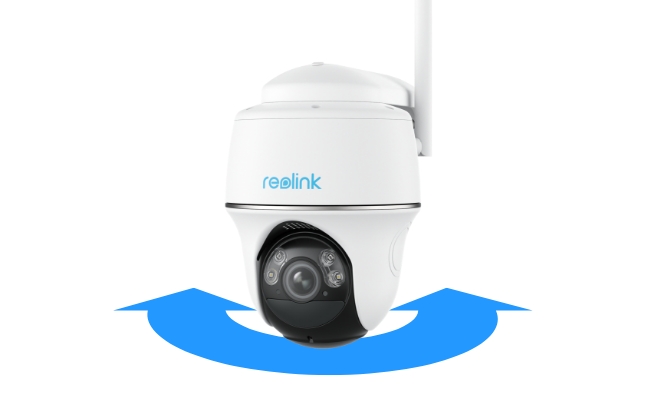
Camera pan refers to the horizontal movement of a camera to capture a wider scene from a fixed position. It is a commonly used function in both video production and security systems, particularly in surveillance environments where continuous area coverage is required.
In this article, we explain what pan camera movement is, how it works, when it is useful, and how pan technology is used in security cameras.
The Mechanics: How Camera Panning Works
To execute a pan, the camera must rotate on a fixed vertical axis. While the physical base remains stationary, the lens shifts horizontally to adjust the viewable area. Depending on the environment, this movement is achieved in one of two ways:
Manual Operation (Production): Videographers use fluid-head tripods or stabilization gimbals to smoothly guide the lens across a landscape or follow a moving subject without creating jitter.
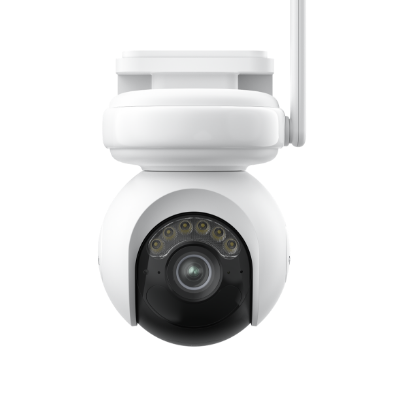
Automated/Motorized Control (Surveillance): Smart security cameras utilize internal robotic gears to rotate the lens. These can be adjusted remotely via software or triggered automatically by onboard AI to track targets across a field of view.
Why Camera Panning is Important
A fixed camera lens can only capture what is directly in front of it. Whether you are framing a landscape or securing a property, a fixed field of view will still have coverage limitations.
Integrating horizontal panning capabilities fundamentally changes how a camera interacts with a space. Here is why the ability to pan a camera is so critical across all modern applications:
Comprehensive Spatial Awareness
Panning allows a single camera to scan an wide area like a backyard, a construction site, or a parking lot. Instead of installing three separate fixed cameras, a single camera with panning mechanism can cover the same ground.
Dynamic Motion Tracking
When an object or subject enters a scene, it rarely stays still. Panning allows the lens to actively follow horizontal movement, ensuring the target remains centered in the frame.
Contextual Storytelling & Evidence
In both content creation and surveillance, context is everything. A smooth horizontal sweep connects different elements in an environment, showing how a subject moved from Point A to Point B, providing a complete timeline of events.
Camera Pan vs. Tilt: What's the Difference?
While panning refers to swiveling a camera horizontally left or right, tilting indicates pivoting the lens vertically up or down. These are two distinct movements that serve different visual purposes.
Panning operates across a horizontal plane. Because human vision is naturally oriented laterally, horizontal panning feels highly intuitive for tracking moving subjects, such as a person walking along a perimeter fence line or a vehicle driving through a gate.
Tilting, on the other hand, adjusts the vertical viewpoint while keeping the horizontal angle locked. Tilting up allows you to track upward motion, like looking up a multi-story building facade or monitoring a roofline. Tilting down allows you to move focus from a high vantage point down to the ground or entry level.
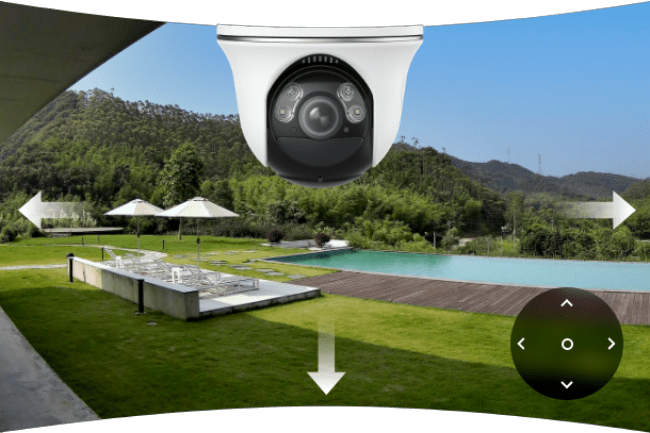
Reolink Pan and Tilt Security Camera Recommendations
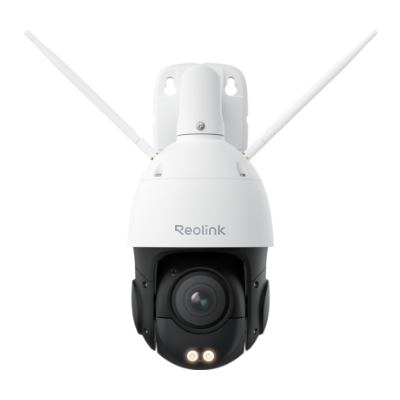
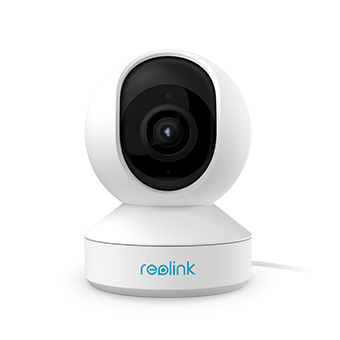
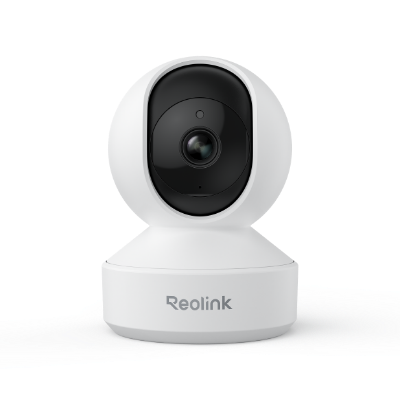
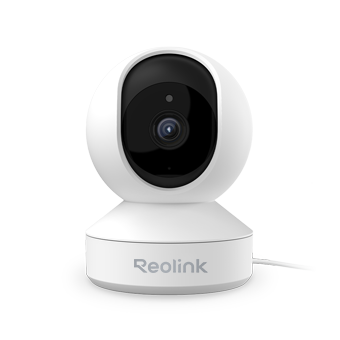
Security camera systems employ pan and tilt mechanisms to provide full coverage of an area with just one camera unit. This allows operators to remotely scan the entire scene and zoom in on details with just subtle joystick movements.

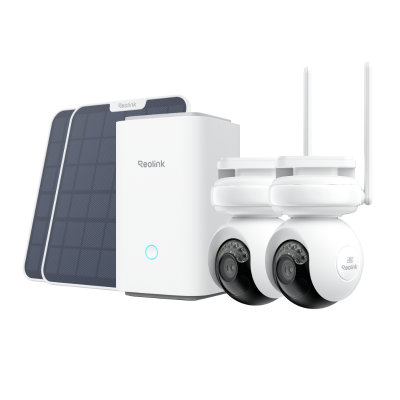
🎉 Exclusive Limited-Time Security Deals
- Save Up to 50% on Bundles & Multi-Packs
- Shop early access deals now before the offers end
Some pan, tilt, and zoom camera (PTZ) can rotate a full 360 degrees horizontally and tilt 180 degrees vertically. This range of motion enables monitoring activity in all directions from one vantage point.
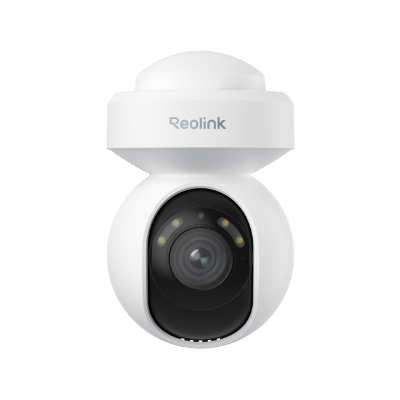
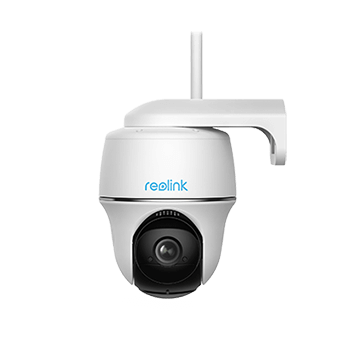
Best for Flexible, Wire-Free Home Security: Reolink Argus PT
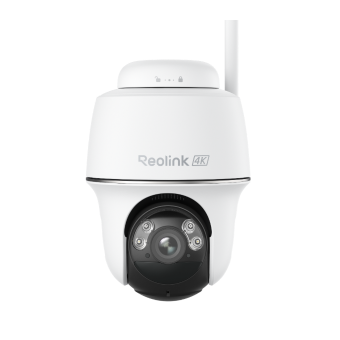
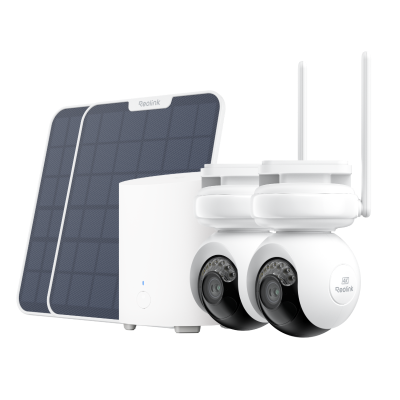
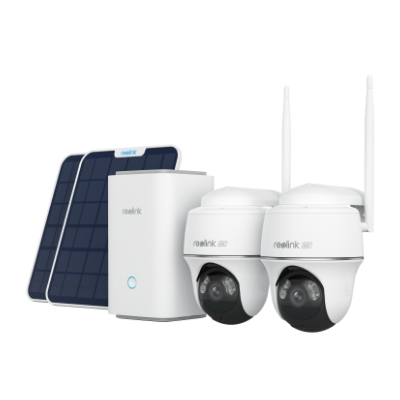
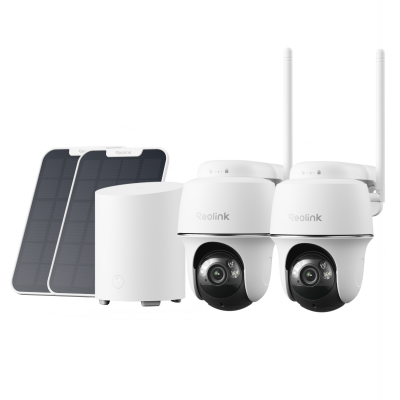
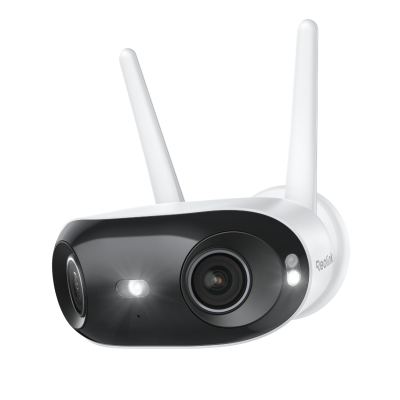
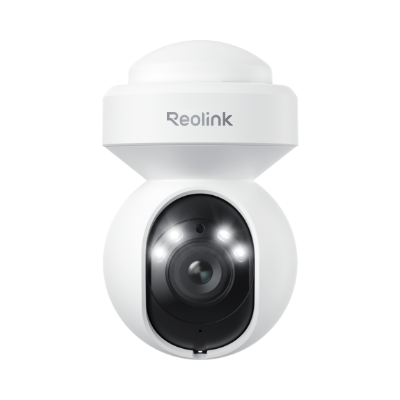
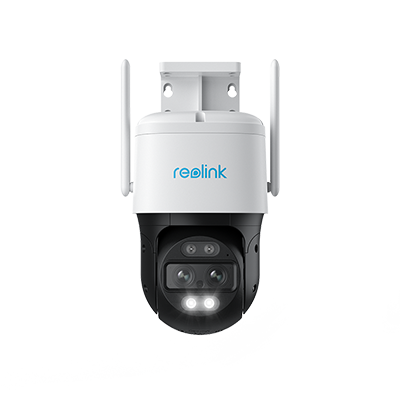
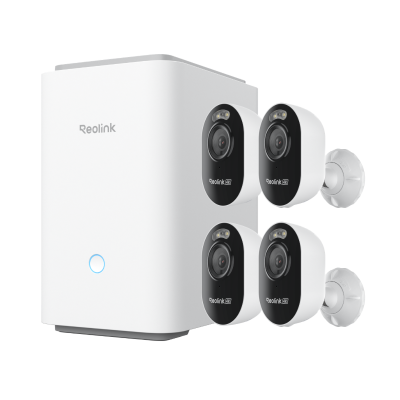
For homeowners seeking an advanced pan tilt zoom camera control, we recommend the Reolink Argus PT. This 5MP wireless camera delivers crisp 2K+ video with color night vision. The remote pan and tilt functionality provides 355° pan and 140° tilt, allowing the camera to view the entire premises. Powered by a rechargeable battery and solar panel, the Argus PT pan tilt camera can be installed anywhere without wiring.
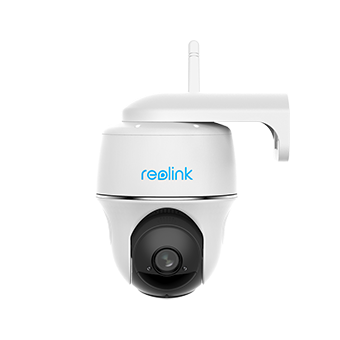
100% Wire-Free PT Camera
2K+ 5MP Super HD; 5GHz/2.4GHz WiFi; Rechargeable Battery & Solar Powered; 355° Pan & 140° Tilt; IP65 Certified Weatherproof; Color Night Vision; 2-Way Audio; 122° Wide Viewing Angle.
Best for Continuous, Multi-Lens Hardwired Protection: Reolink OMVI 3i PoE
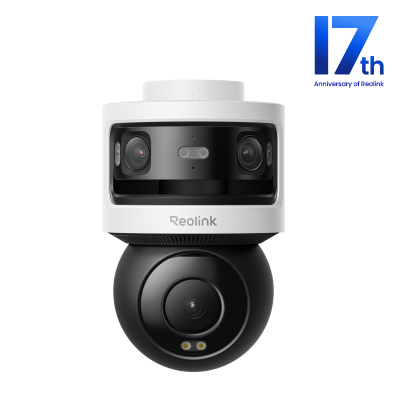
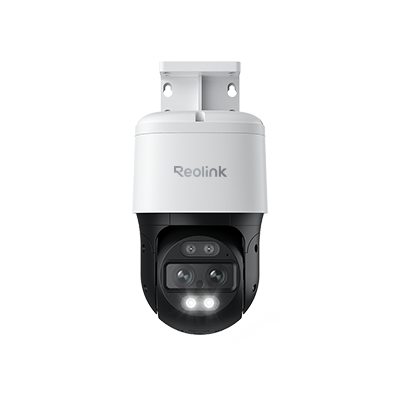
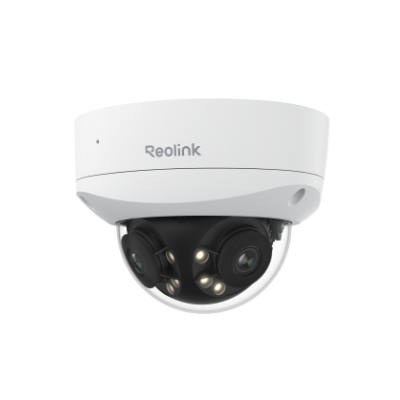
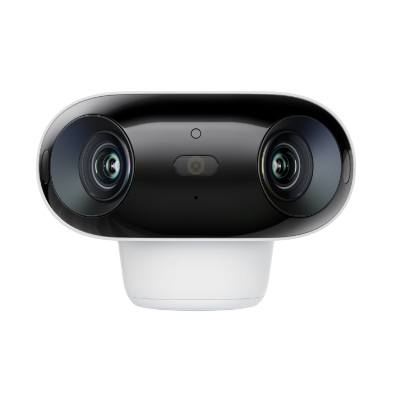
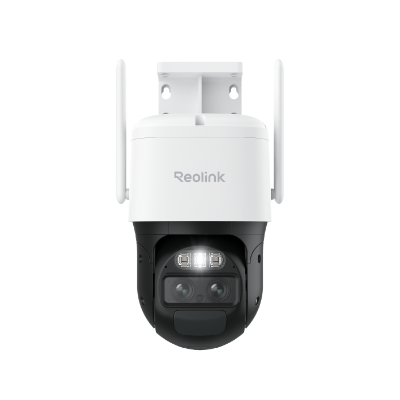
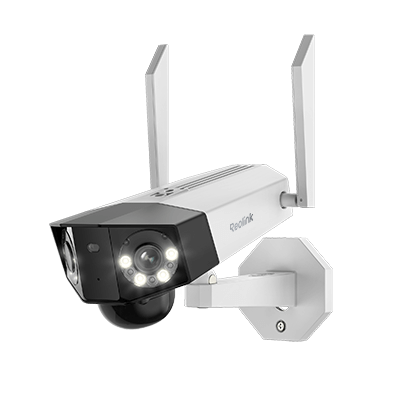
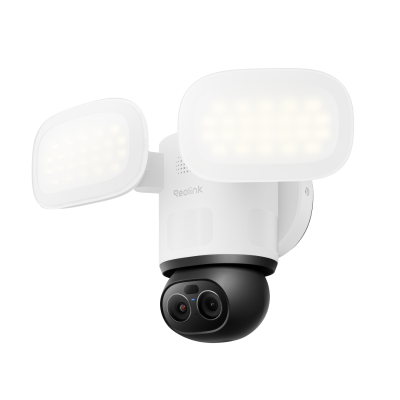
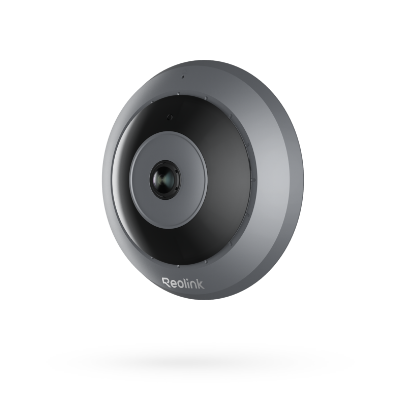
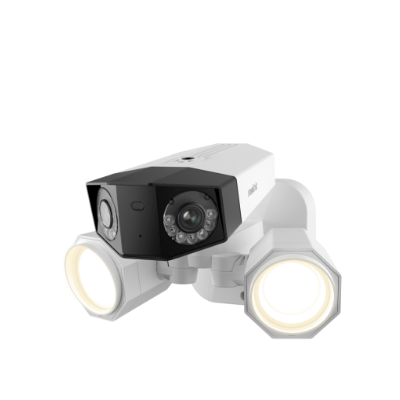
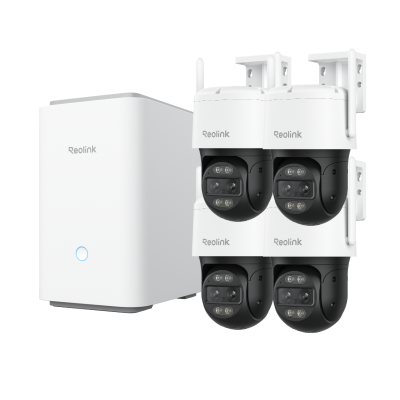
If you need a reliable, premium hardwired system to cover every single blind spot, the Reolink OMVI 3i PoE is the ultimate choice. Its triple-lens array delivers a permanent 180° wide-angle feed alongside a motorized 4K active tracking camera, providing both a macro overview and micro detail concurrently over a single ethernet cable.
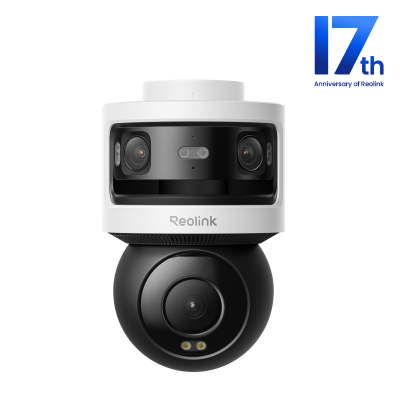
🎉 17th Anniversary NEW Release: 10MP+8MP Triple-Lens 360° Panoramic Pan-Tilt Camera
- 10MP Dual-Lens 180° View & 4K 360° Full Coverage
- PoE Connectivity & Local Storage
FAQs
What is a pan in a camera?
A pan refers to pivoting the camera horizontally on its vertical axis to shift perspectives laterally and scan the scene left or right. This provides an overall view and reveals spatial details.
What is the difference between zoom and pan?
Zooming uses the lens optics to magnify the image. Panning rotates the physical camera position to shift the view left or right. Zooming adjusts field of view, panning moves the viewpoint.
What are some basic camera movements?
Common camera movements include panning horizontally, tilting vertically, tracking along lateral motion, zooming in/out, craning up/down, and dollying the camera forwards, backwards, or laterally.
Conclusion
Camera panning is a foundational technique for expanding a camera's viewable area from a single, fixed position. By rotating horizontally, panning allows a single lens to eliminate blind spots, track moving targets dynamically, and provide complete environmental context.
Whether utilized by content creators to capture sweeping landscapes or integrated into automated PTZ security cameras to monitor expansive properties, mastering the mechanics of pan and tilt ensures you never miss a critical moment in the frame.
Search
Subscribe for the Latest Updates
Security insights & offers right into your inbox