







What is a PTZ Camera? 2026 Full Guide
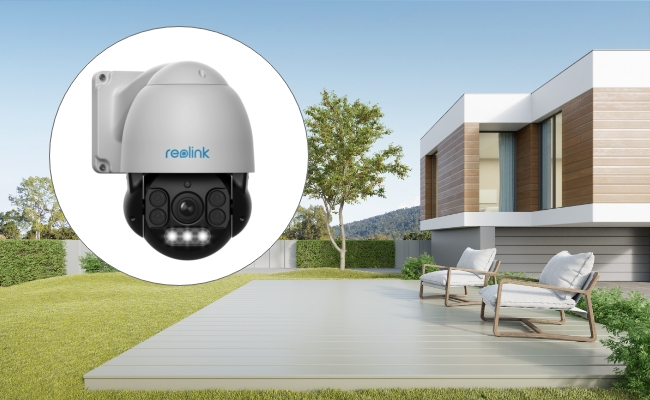
If you need to monitor a large property without leaving blind spots, a single PTZ (Pan-Tilt-Zoom) camera is often the most efficient solution. Unlike traditional fixed cameras that look in only one direction, PTZ cameras can physically rotate, tilt, and zoom in on details—giving you dynamic, wide-area coverage you can control from your phone.
Dig into this quick guide to learn exactly how PTZ technology works and discover the best camera recommendations for your specific setup.
- What Is a PTZ Camera?
- What Are Common Types of PTZ Cameras?
- Why Choose PTZ Security Cameras? 4 Key Features Explained
- 3 Best PTZ Security Cameras for Different Scenarios
- 3 Common Mistakes to Avoid When Using PTZ Cameras
- Fixed vs. PTZ Security Cameras: What’s the Difference?
- Real-World Feedback on PTZ Cameras for Home Security
- Buyer's Decision Table
- FAQs
- Conclusion
What Is a PTZ Camera?
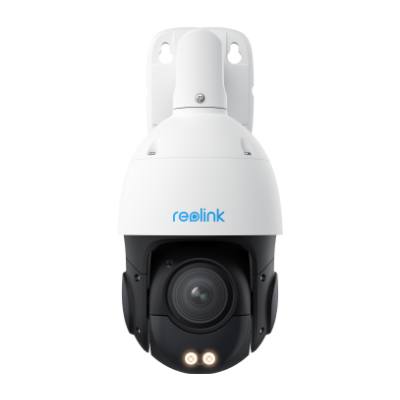
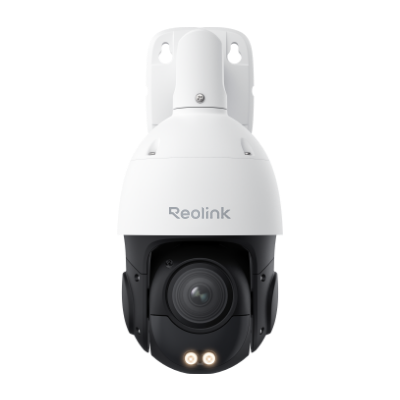
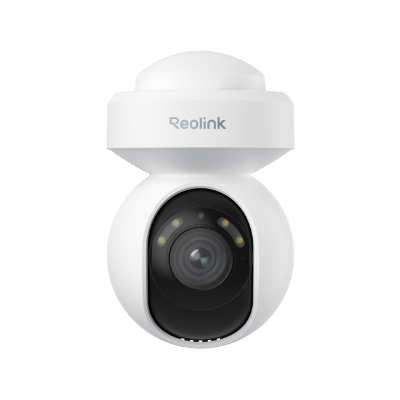
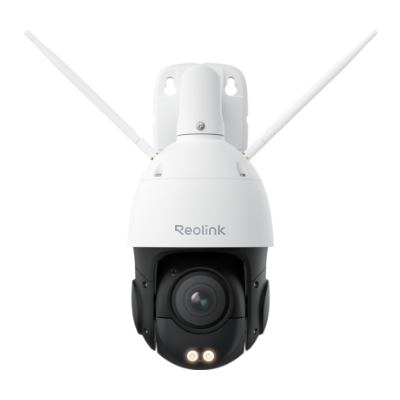
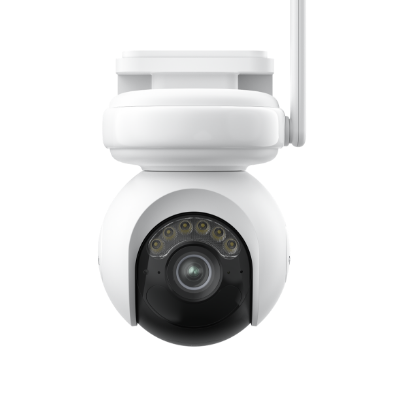
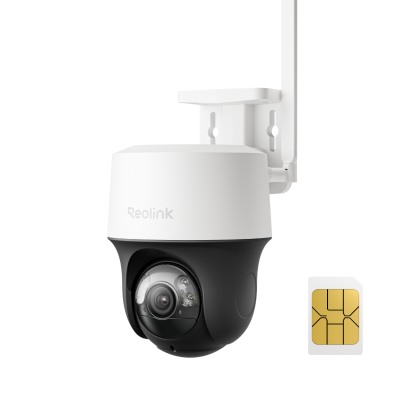
A PTZ (Pan-Tilt-Zoom) camera is an agile security device capable of rotating horizontally, tilting vertically, and zooming in on distant details. Unlike static cameras, a single PTZ unit can monitor a large, dynamic environment by actively shifting its field of view.
PTZ = Pan (Left/Right) + Tilt (Up/Down) + Zoom (Detail Control)
What Are Common Types of PTZ Cameras?
PTZ cameras are categorized by their installation environment, how they connect to your network, and how they draw power. Understanding these distinctions ensures you select a model that fits your physical property layout and wiring limitations.
1. Outdoor PTZ Cameras
Outdoor PTZ cameras are heavily fortified devices engineered to withstand harsh weather, dust, and temperature extremes. Unlike indoor models, these cameras feature specialized, sealed housings to ensure continuous operation in open environments.
-
Weatherproof Protection: Typically rated IP65 or higher to guarantee protection against heavy rain, snow, and wind-blown dust.
-
Durable Build: Equipped with external housing in advanced models to keep the motorized parts moving in freezing or hot climates.
-
Reduced Camera Count: Their wide panning and tilting range allows a single outdoor unit to monitor large outdoor areas like yards, parking lots, or driveways.
2. Wireless PTZ Cameras
Wireless PTZ cameras transmit high-definition video over Wi-Fi, completely eliminating the need for physical video cables. They are highly flexible and ideal for retrofitting properties where running network cables is too difficult or expensive.
-
Simplified Installation: No complex data wiring is required; you only need to mount the camera and connect it to your local Wi-Fi.
-
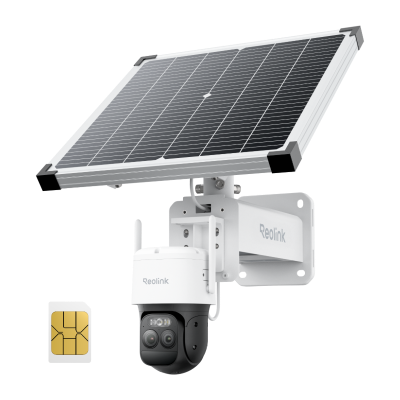
Power Flexibility: Often powered by rechargeable batteries or continuous solar panels, making them truly wire-free.
-
Placement Dependency: Relies heavily on a strong, stable Wi-Fi signal at the mounting location to prevent latency when controlling physical movements.
3. PoE (Power over Ethernet) PTZ Cameras
PoE PTZ cameras utilize a single Ethernet cable to deliver both high-speed internet data and electrical power. This is the industry gold standard for high-performance security setups that require maximum reliability.
-
One-Cable Setup: Simplifies wiring by carrying power and network data on a single category cable (Cat5e/Cat6).
-
Rock-Solid Stability: Avoids the dropouts, interference, and range limitations of Wi-Fi.
-
Continuous Monitoring: Perfect for 24/7 continuous recording since there are no batteries to recharge.
Why Choose PTZ Security Cameras? 4 Key Features Explained
PTZ cameras consolidate your security network by replacing multiple static cameras with a single, dynamic device controlled remotely or through automation.
By understanding the 4 key features below, you can choose a system that delivers maximum coverage and forensic-level detail when it matters most.
1. Large Field of View (Zero Blind Spots)
PTZ cameras eliminate structural blind spots by physically panning left-to-right and tilting up-and-down. While a standard fixed camera monitors a single, narrow angle (typically 80° to 110°), a PTZ camera can actively sweep across vast open areas.
-
Expansive Mechanical Range: Most outdoor PTZ models support a full 360° continuous horizontal pan and up to 90° or 180° vertical tilt.
-
Hardware Setup: One strategically placed PTZ camera can monitor an entire three-car driveway and front yard, eliminating the need to install and wire three separate fixed cameras.
-
Pre-set Patrol Paths: You can program the camera to automatically cycle between specific high-risk zones (e.g., gate, front door, side pathway) on a schedule.
2. Intelligent Auto-Tracking
AI-powered auto-tracking allows the camera to lock onto a moving subject and physically pivot to follow them across your property. This ensures that an intruder remains in the center of the frame instead of quickly walking out of the camera's view.
-
Smart Detection: Modern PTZ cameras distinguish between humans, vehicles, and pets, completely ignoring false alarms like wind-blown trees or stray animals.
-
Smooth Target Centering: As a person moves, the internal motors silently rotate and tilt the lens to keep the subject clearly focused and framed.
Operational Tip: Auto-tracking is incredibly effective for low-traffic areas like backyards or closed business lots overnight, but can become overwhelmed in highly crowded public spaces.
3. Precision Zoom Capability
PTZ cameras utilize powerful zoom lenses to magnify distant objects, allowing you to capture critical details without losing image quality.
-
Optical Zoom vs. Digital Zoom: Always prioritize optical zoom. Optical zoom physically adjusts the internal glass lenses to magnify the target, retaining 100% of the camera’s native resolution. Digital zoom simply crops and enlarges the pixels on-screen, which quickly results in a blurry, pixelated image.
-
Detail Capture: With a high optical zoom (such as 5x, 10x, or greater), you can zoom in from 100 feet away to clearly read license plates or identify facial features.
-
Deep Property Monitoring: Higher zoom levels let you monitor far-off fence lines or remote corners of a commercial yard with pinpoint accuracy.
4. Real-Time Remote Control
PTZ cameras can be steered manually from anywhere in the world, giving you interactive control over your security in real time.
-
Instant App Control: Use a smartphone app, desktop software, or a physical joystick controller to steer the camera lens on the fly.
-
Proactive Threat Response: If you receive a motion alert, you can manually pan the camera to investigate adjacent areas, zoom in on suspicious activity, or activate built-in deterrents (like sirens or spotlights).
-
Seamless Integration: Control commands are transmitted instantly over your home network (Wi-Fi or PoE Ethernet) for lag-free, responsive steering.
3 Best PTZ Security Cameras for Different Scenarios
Scenario 1: Large Properties Needing Detailed Tracking
You have a wide driveway or backyard with multiple blind spots, and standard cameras miss fast-moving action.
- Best Solution: A dual-lens or triple-lens PTZ system that combines a wide-angle overview with an active tracking lens.
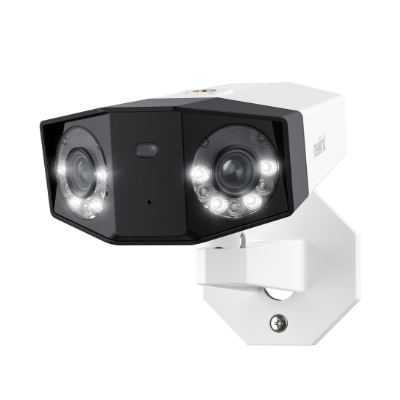
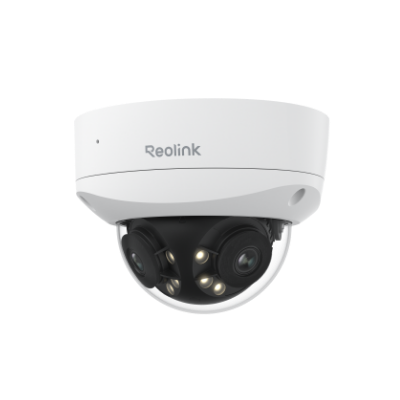
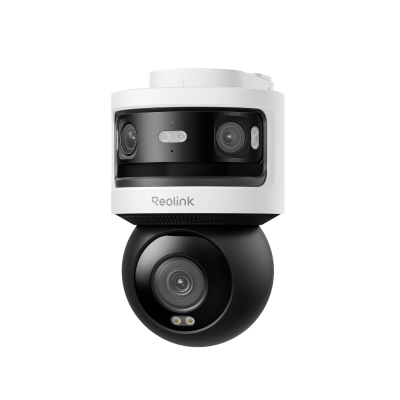
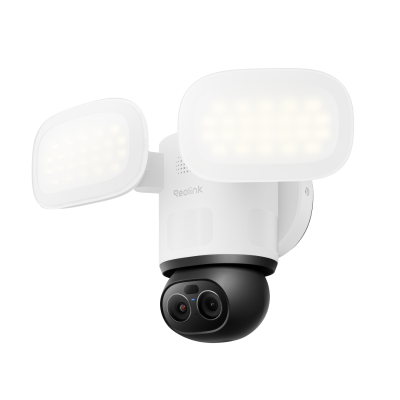
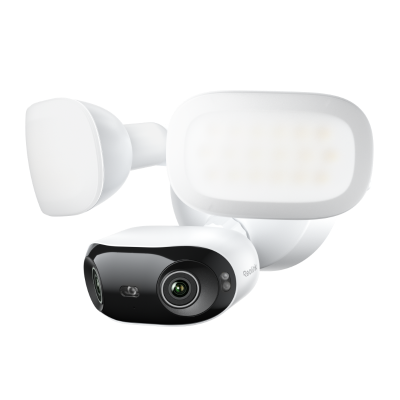
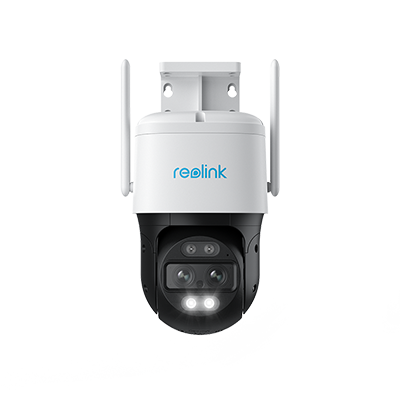
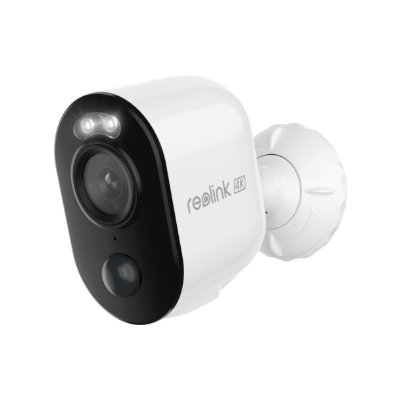
Reolink Recommendation: Reolink TrackMix PoE or Reolink OMVI 3i PoE.
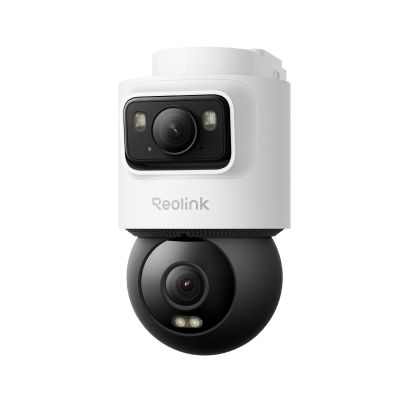
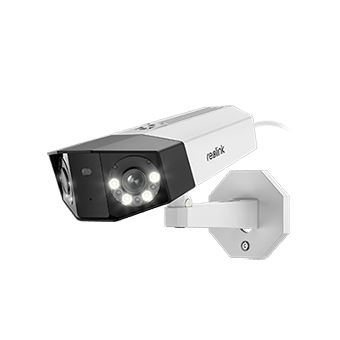
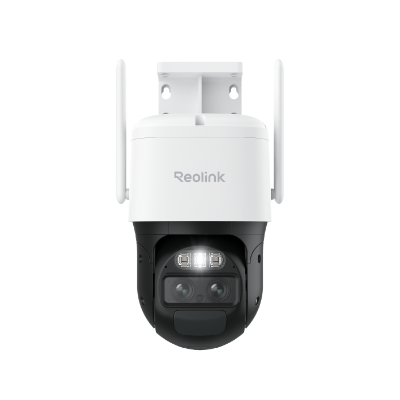
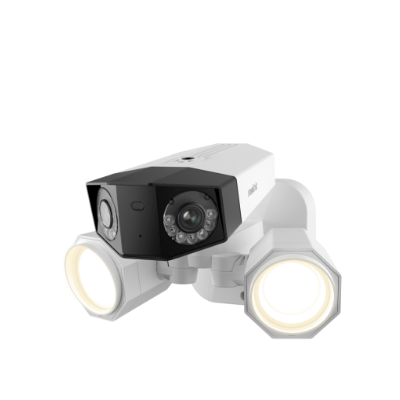
The TrackMix utilizes dual lenses to show you the big picture and a zoomed-in, auto-tracked close-up simultaneously.
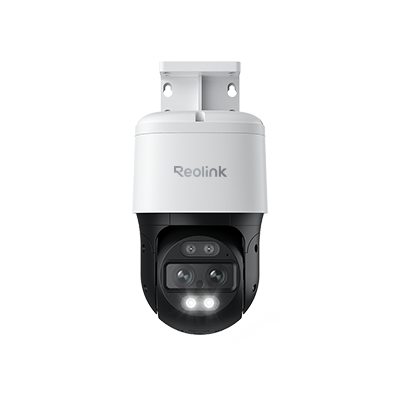
4K Dual-Lens PTZ Camera with Dual Tracking
4K 8MP Ultra HD, Wide & Telephoto Lenses, Pan & Tilt, Auto-Tracking, Person/Vehicle Detection, Power over Ethernet, Two-Way Audio.
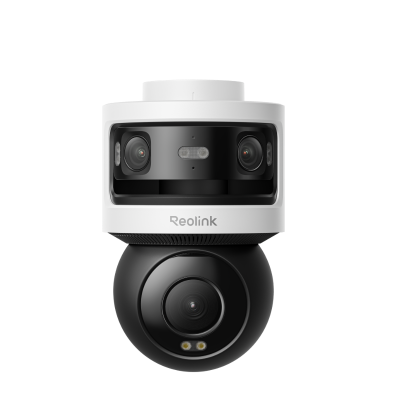
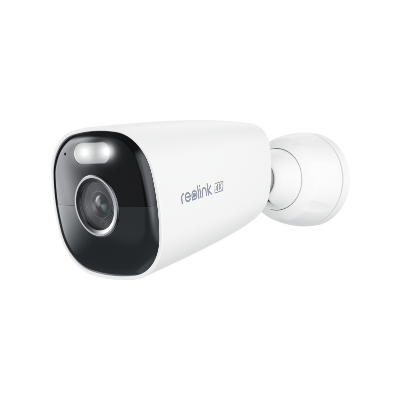
For maximum coverage, the OMVI 3i PoE uses a triple-lens system: its upper lenses stitch together a seamless 10MP 180° panoramic view, while the bottom 4K Pan-Tilt lens physically moves to track targets.
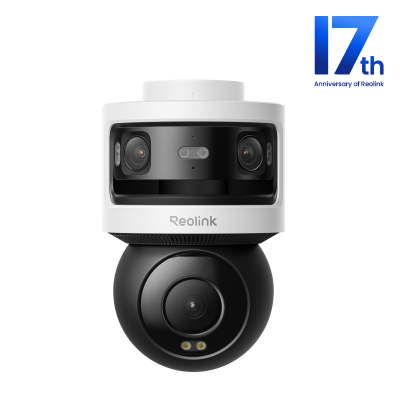
All-in-one Triple-Lens 180° Panoramic Pan-Tilt Security Camera
10MP Dual-Lens 180° View, 4K 360° Full Coverage, SyncTrack with auto framing & auto tracking, Local Storage (No Monthly Fees), Local AI Video Search.
Scenario 2: Hard-to-Reach Areas with No Power Outlets
You need to monitor a detached garage, a garden path, or a rental home where drilling or running wires is prohibited.
- Best Solution: A battery-powered or solar-assisted wireless PTZ camera.
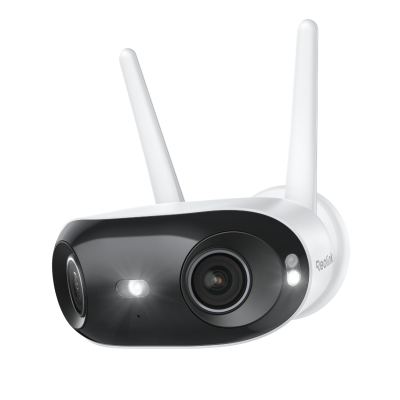
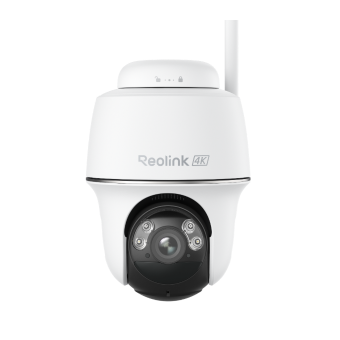
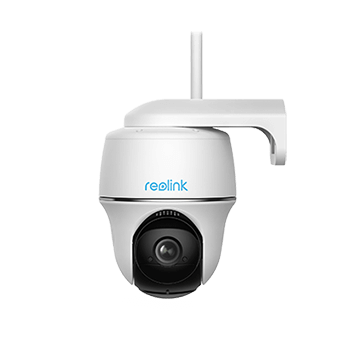
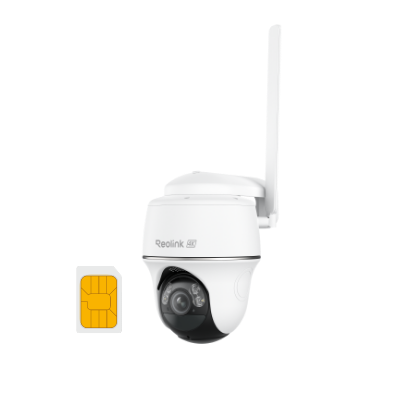
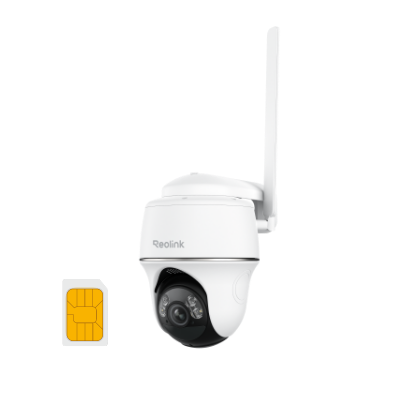
Reolink Recommendation: Reolink Argus PT Ultra.
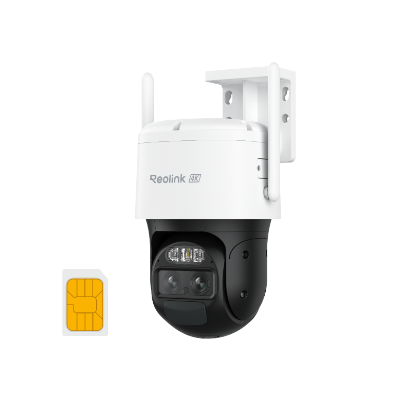
The Argus PT Ultra features 4K resolution, 355° pan, and integrates with smart home systems like Alexa. Coupled with a solar panel, it offers a self-sustaining, wire-free security solution.
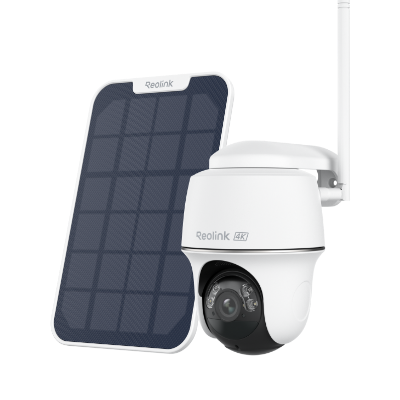
4k 100% Wire-Free PT Camera
4K 8MP Ultra HD; 5GHz/2.4GHz WiFi; Rechargeable Battery & Solar Powered; 355° Pan & 140° Tilt; IP65 Certified Weatherproof; Clear Night Vision; 2-Way Audio; 122° Wide Viewing Angle.
Scenario 3: Off-Grid Properties with No Wi-Fi
You need to secure a construction site, farm, or remote cabin without internet access.
- Best Solution: A cellular-enabled PTZ camera that operates on 4G LTE networks.
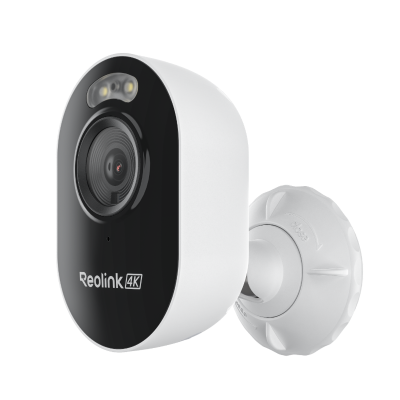
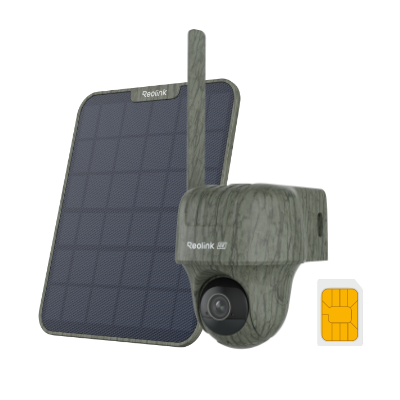
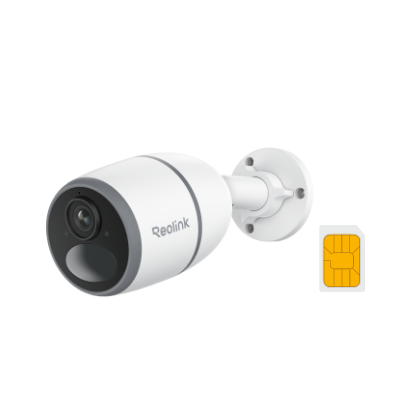
Reolink Recommendation: Reolink Go PT Ultra.
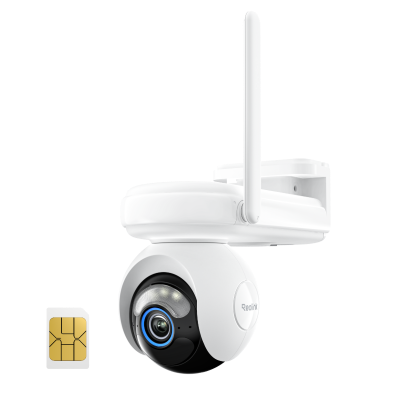
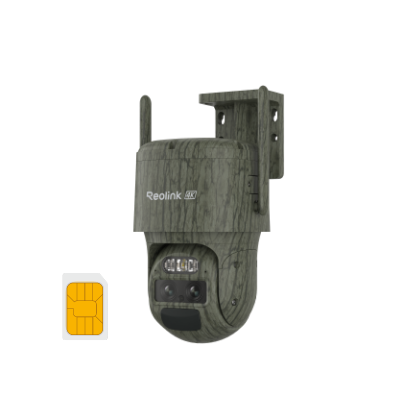
This completely off-grid 4K PTZ camera utilizes cellular data to stream and send motion alerts straight to your phone without requiring local Wi-Fi.
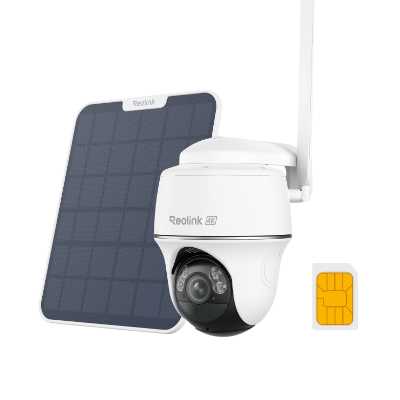
4K 8MP Wire-Free 4G LTE PT Battery Camera
4K 8MP; Smart Detection; 355° Pan & 140° Tilt; Battery/Solar Powered; Color Night Vision; Smart Real-Time Alert.
3 Common Mistakes to Avoid When Using PTZ Cameras
A PTZ camera can cover a wide area, but its performance depends on the right connection, power source, and zoom type. Avoid these common mistakes to get smoother controls and clearer video.
1. Installing the Camera Where the Wi-Fi Signal Is Weak
A weak Wi-Fi connection can make the camera slow to respond when you pan, tilt, or zoom. It may also cause video delays or interrupted live viewing.
How to avoid it: Test the Wi-Fi signal at the installation spot with your phone before mounting the camera. For a more stable connection, consider a PoE PTZ camera, which uses one Ethernet cable for both power and data.
2. Overlooking Battery Performance in Cold Weather
Cold temperatures can reduce battery life, especially on PTZ cameras that use extra power to move and track objects. A camera that lasts for months in mild weather may need charging more often during winter.
How to avoid it: In colder areas, choose a wired camera or connect a compatible solar panel to help keep the battery charged.
3. Depending Only on Digital Zoom
Digital zoom enlarges part of the image, but it can make faces, license plates, and other details look blurry. A 4K camera can provide more detail, but digital zoom still has limits.
Optical zoom gives better results because it uses the camera lens to bring distant objects closer without simply enlarging the pixels.
How to avoid it: Choose a PTZ camera with optical zoom, such as 5x or 10x, when you need to monitor gates, driveways, or other distant areas.
Fixed vs. PTZ Security Cameras: What’s the Difference?
While fixed cameras are designed to provide continuous, uninterrupted monitoring of a single strategic location, PTZ cameras offer flexible, wide-area coverage by physically moving to track targets.
To help bring further clarity to what is best for your property, use this comparison table to evaluate your choices with confidence:
Real-World Feedback on PTZ Cameras for Home Security
Reddit users have mixed opinions on PTZ cameras for home security. Many agree that PTZ cameras are useful for covering large areas, following people or vehicles, and adjusting the viewing angle without climbing a ladder.
Some homeowners also find auto-tracking helpful as a visible deterrent, especially around driveways, gates, and wide yards. One user reported using a Reolink TrackMix PoE alongside fixed cameras to monitor a large driveway area and automatically follow moving objects.

However, several users warn that a PTZ camera should not always replace fixed cameras. When the camera turns to follow one person or vehicle, it may temporarily stop recording another important area. For this reason, experienced users often recommend using fixed cameras for constant coverage and adding a PTZ camera for tracking, zooming, or monitoring a larger open space.
Connection reliability is another common concern. In the second discussion, users generally preferred wired PoE PTZ cameras for continuous recording and integration with systems such as Home Assistant or Frigate. They noted that Wi-Fi cameras may experience occasional connection drops, even in homes with strong wireless coverage.
Overall, PTZ cameras are most useful for larger properties, driveways, gates, and areas where automatic tracking or remote angle adjustment is valuable. For smaller homes or locations that require constant coverage of several entry points, multiple fixed cameras may be the simpler and more reliable choice.
Buyer's Decision Table
To help bring further clarity to what is best for your property, we created a final buyer decision table to make it easier for you to compare choices with confidence:
FAQs
1. What is an ePTZ camera?
ePTZ is an electronic pan, Tilt, and zoom camera. Rather than opting for robotic movement, the built-in ePTZ camera prompts the Tilt, pan, and zoom operations inside the resolution pixel space. For instance, if you're using the 4K image space through an ePTZ camera, you can generate more than one 1920x1080 scene.
2. What is the difference between IP camera and PTZ camera?
PTZ cameras come up with a broader and better field of vision when compared with the IP cameras. PTZ camera holds tilt, pan, and zoom attributes, but IP cameras don't have this type of luxury.
There are no blind areas with the one PTZ camera, and you can't move the IP camera, so setting up various cameras in one area makes sense to avoid the blind zones.
3. How far can a PTZ camera zoom?
The PTZ camera comes with the impressive ability to zoom in on objects professionally. For instance, it allows you to opt for the 60x zoom 16,7-1000 mm or 60X zoom 12,5-750mm. These two lenses come up with the autofocus to zoom in on almost everything going on around them.
4. Are PTZ cameras worth it?
PTZ cameras can be worth it if you need versatile coverage of large areas, as they allow for remote control of pan, tilt, and zoom functions, which can reduce the need for multiple cameras.
If your security needs involve monitoring wide or dynamic spaces, the investment could be justified, but for smaller areas or if you prefer simpler setups, a fixed camera might be more practical.
Conclusion
The PTZ camera comes in really handy if you're looking to monitor the house or office, broadcast a live stream, or perform any video operations in wonderful resolution. Apart from listing the types of PTZ security cameras, we've also highlighted the tremendous advantages with which PTZ cameras come.
The Reolink's PTZ secuirty cameras are most recommended because they offer the excellent ability to monitor large areas in outstanding video quality. Regardless of which kind of area you're looking to deploy the camera into or how bad the weather conditions are, the Reolink powered PTZ camera comes up with excellent results.
Search
Subscribe for the Latest Updates
Security insights & offers right into your inbox