
Retail Theft Prevention: Tips to Secure Your Store

Thieves do not give warnings. They walk in, search for weak points, and grab what they can. Retail theft prevention is the path that turns your store from a soft target into a hardened space.
In the guide that follows, you will learn how to prevent theft in retail store settings with clear, proven steps.
What is Retail Theft?
Retail theft is the act of taking goods, cash, or services from a store without paying. The loss hurts margins, staff morale, and even customer trust. Though every case looks different, most fall into three clear types:
- Shoplifting – A person hides or walks out with unpaid goods.
- Employee theft – Team members misuse discounts, fake refunds, or remove stock.
- Organized retail crime (ORC) – Professional groups sweep high-value items and resell them fast.
Why is Retail Store Theft Prevention Essential?
Your store may look calm, yet every open shelf holds risk. Preventive steps protect more than stock; they guard profit, people, and brand strength.
- Protect revenue: Each stolen item erases profit already earned on many honest sales. Strong action keeps income intact.
- Safeguard staff and shoppers: Thieves often act fast and can turn violent. Good controls lower conflict and keep everyone safe.
- Maintain brand trust: Empty hooks and locked doors frustrate shoppers. Retail theft prevention technologies let you keep shelves full, prices steady, and service smooth.
- Lower insurance costs: Insurers reward stores that prove they manage risk. Effective measures can cut premiums.
- Support legal compliance: Laws demand that you offer a safe workplace and report large losses. A sound plan shows regulators you take the duty seriously.
Retail Theft Prevention: 8 Effective Ways
Thieves watch for routine. Break their plans with solid habits and smart tech. Below you will find seven direct answers to the question of how to prevent theft in retail. Adopt them as a full program rather than single fixes.
1. Maintain a clean and organized store layout
A tidy floor tells crooks you notice details. Use straight lines for aisles. Keep displays low so staff can see across departments. Remove random boxes and clear blind spots. Mirrors help cover corners. Good lighting cuts shadows that hide crime. When goods look counted and cared for, thieves move on.
2. Identify and secure high-value items
First, list products over your loss threshold—often electronics, beauty kits, designer clothes, or small tech. Place them near staffed counters or under locked glass. Use electronic article surveillance (EAS) tags that trigger alarms at exits. Rotate displays to prevent pattern study. Post clear price tags to avoid confusion, which helps tag-switchers. Frequent audits show gaps early.
3. Install security cameras and systems
Modern retail theft prevention systems record in high definition and store data in the cloud. Cameras and systems should cover entry points, cash wraps, stock rooms, and high-risk spots. Choose visible housing to deter crime, and dome styles where you need wide angles. Pair cameras with motion alerts after hours. Review footage daily, not only after a loss, so you pick up new trends.
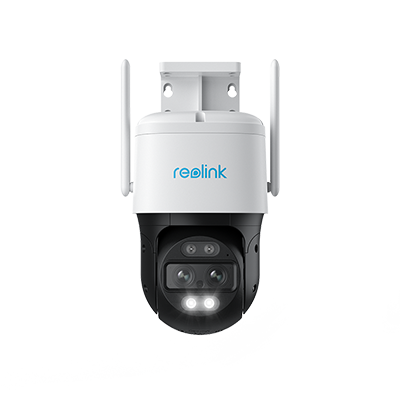
4K Dual-Lens PTZ Camera with Motion Tracking
4K 8MP UHD, Wide-Angle & Telephoto Lenses, Pan-Tilt-Zoom, Auto-Tracking, Person/Vehicle Detection, 2.4/5 GHz Dual-Band WiFi, Two-Way Audio.
4. Implement access control system
Not every back door needs a key. Use badge readers or coded locks for stock rooms, offices, and receiving bays. Good retail theft prevention systems track who enters and when. Remove ex-employee credentials at once. For high-value cages, limit access to two trusted staff at a time. Keep a log and reconcile it with inventory counts.
5. Display visible anti-theft signage
Signs seem simple, yet they work. Place clear notices at the door and near cameras: “Security monitoring in use.” Add a policy line: “We prosecute all theft.” Include local law references when legal. Signs remind honest shoppers to stay honest and warn would-be thieves that you will act on loss.
6. Build loss prevention team
Large chains hire dedicated loss prevention (LP) officers. Small stores can assign a manager to lead. The team writes policy, reviews footage, and follows cases from detection to court. They also liaise with police and share information with other retailers. Give LP staff formal authority but coach them on safe engagement—never chase suspects alone.
7. Train your staff regularly
An alert crew beats any gadget. Hold short drills on spotting suspicious actions: bulky clothing in warm weather, groups splitting up, frequent returns without receipts. Teach cashiers to check IDs for credit cards and match signatures. Rotate duties so no worker stays alone at one point for long. Keep training fresh by sharing recent incidents.
8. Enhance customer service and engagement
Thieves love anonymity. Warm greetings at the door and on the floor show that you see each visitor. Ask if shoppers need help when they linger too long in one spot. Eye contact deters crooks and builds sales. Use name badges so guests know staff from outsiders who may pose as employees.
List of Common Retail Theft Prevention Devices
The right tool shortens response time and frees staff for service. Below are devices you can deploy to answer how to reduce theft in retail stores:
- Electronic article surveillance (EAS) tags: Hard tags or soft labels trigger alarms at exit gates. Staff remove or deactivate them at checkout.
- Video surveillance cameras: Modern IP cameras stream real-time images to phones and store footage for later review.
- Radio-frequency identification (RFID): RFID tags let you track stock movement in bulk. You scan shelves fast and spot shrink early.
- Anti-sweep hooks and lock boxes: Peg hooks with release buttons stop quick grabs. Locked boxes protect small but pricey items like razor blades or memory cards.
- Panic buttons: Hidden switches alert security staff or police when employees face a threat.
- Biometric access readers: Fingerprint or face scanners restrict entry to sensitive zones and log every visit.
- Smart safes: Cashiers drop bills into a time-locked safe that counts and records each deposit, cutting till skims.
Legal and Ethical Considerations on How to Prevent Theft in Retail Store
Retailers must stay within the law and respect rights while they secure assets. Follow these guidelines:
- Balance privacy and security: Film only public areas. Post clear camera notices. Store video securely and delete it after the policy limits.
- Follow fair detention laws: If you stop a suspect, ensure you have probable cause, keep the hold brief, and call police fast.
- Avoid profiling: Do not single out shoppers based on race, age, or appearance. Train staff to focus on behavior.
- Comply with labor laws: Employee bag searches must happen on the clock or as local law dictates. Keep searches professional.
- Protect data: Access control logs and facial images count as personal data. Secure them under data-protection rules.
FAQs
How to stop theft in a retail store?
Start with a clear policy. Train staff to greet every customer, watch hot spots, and report concerns. Install cameras, EAS gates, and access control. Keep the floor tidy and high-value goods locked or tagged. Perform daily counts. Share loss data with your team and act on trends at once.
Do stores keep track of shoplifters?
Yes. Many chains store images, dates, and item details in a secure database. They also work with local police and share data through retail crime networks. Repeat offenders face quick recognition and prosecution.
What is the most stolen item in retail?
Small, high-value goods top the list: razor blade packs, designer cosmetics, liquor, electronics accessories, and branded clothing. The mix changes by region, but the rule stays—items easy to hide and easy to resell attract thieves.
Conclusion
Retail success depends on steady stock, safe staff, and happy shoppers. Retail theft prevention serves all three. You now know how to prevent theft in retail store settings through sound layout, technology, training, and legal care.
Put these steps in place today. Have you tried other tactics that work? Share your experience and keep the fight against retail theft moving forward.
Search
Subscribe for the Latest Updates
Security insights & offers right into your inbox