
Beginner’s Guide to Off-Grid Living: Essentials and Challenges
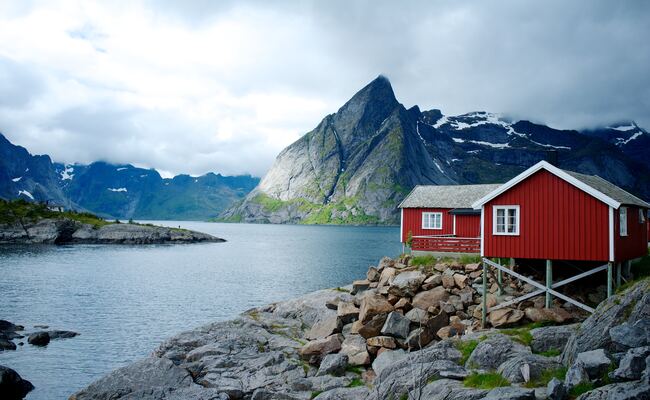
Imagine a life unchained from monthly utility bills and the relentless pace of modern society. Off-grid living offers this profound independence, empowering you to create a self-sufficient homestead powered by nature.
In this article, we will explain what living off-grid actually means. We will explore its benefits, challenges, costs, and legality. We will also explain how you can start off-grid living as a beginner.
What Does Living Off the Grid Mean?
At its core, it is a lifestyle choice centered on achieving complete self-sufficiency by disconnecting from public utilities like the electrical grid, municipal water, and sewer systems. This means generating your own power, sourcing your own water, and managing your own waste. It's about creating a closed-loop system on your property that meets your essential needs.
While it often involves a deep connection with nature, it is fundamentally a practical commitment to independence and personal resourcefulness. The common thread is a conscious decision to reduce one's environmental footprint and take direct control over the resources that sustain daily life. It's a journey away from consumer culture and towards a more intentional and resilient way of being.
Here are the essential components you need:
- Shelter with an energy-efficient design and high insulation
- Solar panels/wind turbine, battery banks, inverter, and charge controllers
- Well/rain harvesting system, water filtration system, tanks, and pumps
- Compositing toilet/septic tank, compost bin, and greywater irrigation system
- Gardening area, common gardening tools, and food preservation techniques (canning/ root cellar)
- Wood/propane stove
Factors to Affect Off-Grid Living
-
Geographic Location: Success in off-grid living is heavily influenced by your geographic location and the local climate. These factors dictate your growing season, the effectiveness of solar or wind power, and your strategy for securing a reliable water source through wells, springs, or rainwater collection.
-
Power: For power, you need to check if the location is suitable for solar, wind, and battery storage. You need to balance the generation and consumption to live without any hassle.
-
Water: For water, you can rely on rainfall, groundwater, or a stream/pond. Just make sure to check the water quality and consider some treatment methods, such as filtration and boiling. You also need to have adequate storage for water.
-
Waste Management: Separate greywater (sinks, showers, and laundry) and treat it to use for irrigation. For blackwater (toilets), you can go with a composting toilet, a conventional septic tank, or an incinerating toilet, depending on the location. Moreover, convert food waste into compost and reduce the non-organic waste.
-
Food: If the soil is fertile, you can grow your own food according to the climate and season. Think about storage and preservation of the food, and raising animals if allowed.
-
Heat: For better heating, the house should be well-insulated. Then, you can opt for heat sources like a wood stove, propane, and solar thermal.
-
Cooking: In off-grid living, better options for cooking are propane, wood, and solar stoves. They consume less energy and resources. Propane is a reliable option if its delivery is feasible.
Benefits and Challenges of Off-Grid Living
Embarking on an off-grid journey is a trade-off, exchanging modern conveniences for profound rewards. Understanding both the empowering benefits and the demanding challenges is essential to determining if this path aligns with your vision for a fulfilling life.
Benefits of Off-Grid Living
-
Financial Freedom: Eliminate monthly utility bills for electricity, water, and gas, leading to significant long-term savings and reduced financial stress.
-
Environmental Stewardship: Drastically reduce your carbon footprint by relying on renewable energy sources and implementing sustainable waste and water management practices.
-
Enhanced Self-Reliance: Develop a powerful sense of independence and accomplishment by building practical skills and solving problems with your own ingenuity and resources.
-
Improved Health & Wellbeing: Benefit from increased physical activity, a diet of home-grown organic food, and the mental clarity that comes from a deep connection to nature.
Challenges of Off-Grid Living
-
High Initial Investment: The upfront costs for land, a dwelling, and essential systems like solar power and water wells can be prohibitively expensive.
-
Constant Physical Demands: Daily life involves strenuous work, including maintaining energy systems, growing food, chopping wood, and repairing infrastructure.
-
Limited Access to Services: Remote locations often mean limited access to immediate medical care, specialized stores, and conventional entertainment or social outlets.
-
Technical Learning Curve: You are solely responsible for installing, maintaining, and troubleshooting complex systems for power, water, and waste management.
Cost and Legality of Off-Grid Living
A common question for prospective off-gridders is, Is living off grid illegal? The answer is generally no, but it's heavily regulated by local zoning laws, building codes, and health regulations. These rules govern everything from the type of dwelling you can build to how you handle sewage and wastewater management.
The initial investment for an off-grid setup is substantial, typically ranging from $50,000 for a basic system to over $150,000 for a comfortable, technology-equipped homestead. Major costs include purchasing land, constructing a dwelling, and installing independent power, water, and waste management systems. While the upfront cost is significant, this investment leads to long-term freedom from utility bills and creates a self-reliant lifestyle.
How to Start Off-Grid Living as a Beginner?
Living off the grid for beginners begins with education and meticulous planning.
- Start by acquiring essential skills like gardening and basic carpentry.
- Research potential locations, focusing heavily on local zoning laws and regulations concerning water rights and alternative housing.
- Secure land that meets key requirements, including reliable water access, good solar exposure for energy, and soil viable for growing food, all while ensuring the local laws support your off-grid goals.
- For power generation, a solar system is the most accessible entry point for beginners. A basic setup includes panels, a charge controller, a battery bank for storage, and an inverter to power your home.
- Calculate your energy needs to size the system correctly and always plan for a backup power source, like a generator, to ensure reliability during periods of low sunlight as you navigate living off the grid for beginners.
Bonus: Off-Grid Security Camera Recommendation
Reolink Argus PT Ultra
The Reolink Argus PT Ultra is a wireless camera ideal for most off-grid properties with access to a Wi-Fi network. It has a rechargeable battery connected to a small solar panel. It delivers crystal-clear 4K 8MP Ultra HD video and features person/vehicle detection to minimize false alarms. Its pan-and-tilt functionality provides 360-degree coverage of key areas around your homestead.
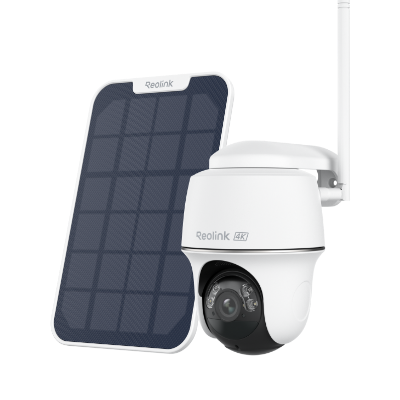
4k 100% Wire-Free PT Camera
4K 8MP Ultra HD; 5GHz/2.4GHz WiFi; Rechargeable Battery & Solar Powered; 355° Pan & 140° Tilt; IP65 Certified Weatherproof; Clear Night Vision; 2-Way Audio; 122° Wide Viewing Angle.
Reolink Go PT Ultra
For the ultimate in remote security, the Reolink Go PT Ultra is the superior choice. This smart 4K camera connects via 4G LTE, requiring only a data plan and no local Wi-Fi whatsoever. It is powered by a battery and solar panel, ensuring complete operational independence. It also features smart detection, color night vision, remote access, etc.
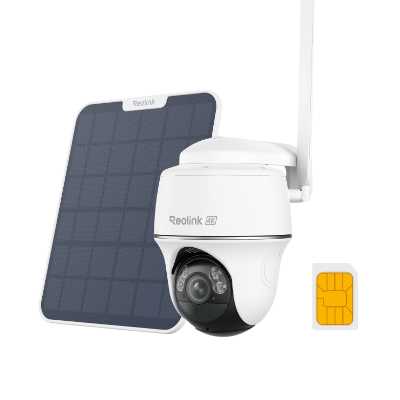
4K 8MP Wire-Free 4G LTE PT Battery Camera
4K 8MP; Smart Detection; 355° Pan & 140° Tilt; Battery/Solar Powered; Color Night Vision; Smart Real-Time Alert.
FAQs
What states allow off-grid living?
Most U.S. states allow off-grid living, but local regulations vary widely. States like Texas, Maine, and Montana are often more accommodating due to lenient building codes and water rights laws.
Is living off-grid a good idea?
It is an excellent idea for those seeking independence and sustainability, but a challenging one for those unprepared for hard work, problem-solving, and a reduction in modern conveniences.
How much money do you need to live off the grid?
A basic setup can start around $50,000, but a more comfortable and reliable homestead typically requires an investment of $100,000 to $200,000 for land, shelter, and essential systems.
What are the misconceptions of off-grid living?
Some common misconceptions are that it’s cheap, it means total isolation, users have unlimited power, and it’s easy to get started and bypass regulations.
Conclusion
Off-grid living is more than a lifestyle; it's a declaration of independence. It challenges you to grow, adapt, and find fulfillment in self-reliance. While the path demands resilience and hard work, the reward is a life of profound freedom. We have explained the benefits, challenges, costs, and how to get started with off-grid living. It will help you understand the consequences and prepare you for successful off-grid living.
Search
Subscribe for the Latest Updates
Security insights & offers right into your inbox