
How to Pick a Lock: A Beginner's Guide
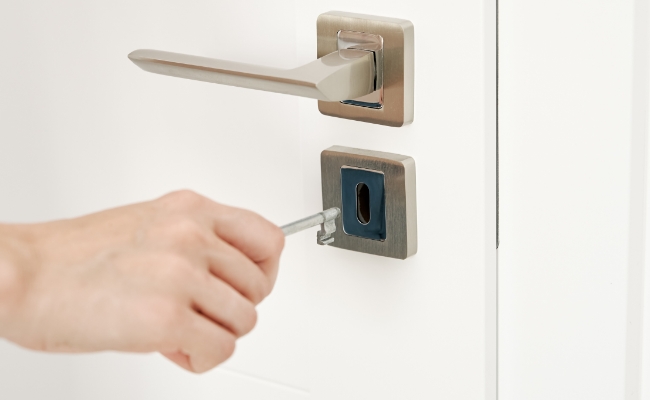
Lock picking is opening a lock with no original key. It's a skill anyone should know, for ethical reasons such as reopening your own home or vehicle after locking yourself out, or just for hobbyist and security workers. Note, though, that picking locks other than your own or to places you have an invitation to can be against the law. Here, we will instruct you on the fundamentals of how to pick a lock for emergency purposes.
How Do Door Locks Work?
The collection of spring-loaded pins of different sizes known as pin tumblers is present on each door lock. The pins are located above the shear line inside the lock. Upon insertion of an authorized key, the grooves of the key raise the pins to their corresponding heights so that they fall into alignment along the shear line. This will allow the lock cylinder to turn freely and open the door.
Without the key, the random heights of the pins won't allow the cylinder to rotate. Lock picking positions the pins without the key. Several tools are used in lock picking that allow you to push up on every pin individually until it hits the shear line. Once all the pins are in place, the lock will open.
Preparations Before Lock Picking
Before attempting to pick your first lock, gather a few necessary supplies:
- Tension wrench - This tool puts tension on the lock cylinder to hold the pins in place once lifted. It comes in several shapes like zigzag or diamond shape to fit different keyways.
- Pick - The pick is used to manipulate the pins inside the lock up to the shear line one-by-one. Common picks include hook, rake, snake, and half-diamond shapes.
- Practice locks - When starting out, purchase an acrylic practice lock that lets you see the internal pins. This will help you understand the sensations of lifting pins.
- Lubricant - A lubricant like graphite powder or WD-40 ensures smooth operation of the pins inside the lock.
How to Pick a Lock? Step-By-Step Guide
Follow these basic steps to pick a standard pin tumbler door lock:
Step 1: Insert Tension Wrench
Insert your tension wrench into the bottom of the keyway and apply light pressure to turn the plug. The tension holds the pins in place once lifted so they do not drop back down. Apply only light torque initially. Too much tension will bind the pins and hinder your progress.
Step 2: Insert the Pick
With tension on the cylinder, insert your pick all the way into the top of the lock's keyway above the tension wrench. Lift the pick gently as you slowly pull it out to feel for the first binding pin.
Step 3: Locate Binding Pin
As you withdraw the pick, one pin will catch on the pick before the others. This first binding pin is preventing the plug from turning. The binding pin is stuck below the shear line while the others have been lifted to the proper height already.
Step 4: Lift the Binding Pin
Gently lift that binding pin with an upward motion of your pick until it no longer resists upward force. You will feel or hear a soft click when it reaches the shear line. Now, apply slightly more torque on your tension wrench.
Step 5: Repeat Steps
Insert your pick again above the set pin and withdraw slowly. You are looking for the next binding pin to catch on the pick. Lift that one to the shear line and repeat the process, applying gradually more tension each time a pin sets. Eventually all pins will align allowing the plug to turn and unlock the door.
How to Pick a Lock with a Bobby Pin?
Bobby pins make convenient improvised lock picks when no tools are handy. Their wavy shape mimics commercial lock picks for lifting pins, while their flat side can apply tension like a tension wrench. Follow these steps for how to pick a door lock with bobby pins:
Step 1: Make Your Tension Wrench
Take a sturdy bobby pin and use pliers to bend about 3/4 inch of the tip at a 90 degree angle. Remove the rubber tips on the ends for easier insertion. This end will function as your tension wrench.
Step 2: Make Your Pick
Take a second bobby pin and bend a slight 5 degree curve upward at the non-wavy end. This end will act as your pick for manipulating the pins.
Step 3: Apply Tension
Insert the tension wrench end of the bobby pin into the bottom of the lock’s keyway and apply light pressure as if turning the key.
Step 4: Insert the Pick
With tension applied, insert the bent end of the pick bobby pin into the top of the keyway. The pick should slide above the tension wrench toward the front of the lock.
Step 5: Locate Binding Pins
Gently withdraw the pick bobby pin, letting the curves of the pick catch on any binding pins preventing the lock from turning. Lift that pin with the pick and set it at the shear line, just like with standard lock picks.
Step 6: Repeat
Repeat the process of withdrawing the pick and locating set pins until they are all aligned and the plug fully rotates to unlock the door.
How to Pick a Lock with a Paperclip?
The humble paperclip can also be used to pick locks. Straighten out a thick paperclip into a single piece of flexible steel wire. Follow these steps to form makeshift picks that act on the lock pins:
- Take one end of the paperclip wire and bend about 1⁄2 inch at a 90 degree angle. It will create a tension wrench for the bottom of the lock.
- Bend the other side of the wire into a long shallow hook that protrudes about 1⁄4 inch from the rest of the wire. It will act as your pick.
With tension applied from your paperclip tension wrench, use the hook end to lift binding pins to the shear line. Repeat the process until all the pins align and the lock opens.
How to Pick a Master Lock?
Master Lock combination padlocks are very common but quite easy to crack without needing to pick pins. Their Achilles heel is a design flaw that allows you to use a shim to disengage the locking mechanism without entering any code.
Here is the simple way to crack a Master Lock in seconds:
- Take a thin, strong shim like a soda can pop-top and bend back the sides so it slides easily into the lock body.
- Turn the dial randomly to reset the lock pins and insert the shim into the space behind the pins.
- Apply upward tension with the shim as you turn the dial clockwise slowly.
- Stop immediately when you feel the shim make contact with the pins. Turn the shim to apply more lifting pressure on the pins.
- Keep tension on the shim as you turn the dial counter-clockwise to unlock. The mechanism will disengage, allowing the lock to open without needing the combination.
What to Do If Someone Picks My Door Illegally?
Having your lock picked without authorization can be a scary invasion of privacy. If you suspect lock tampering or evidence of break-ins, take immediate action:
- Call the police to file an incident report about the unauthorized entry. Provide details like date, time, any evidence, witnesses, etc.
- Inspect all access points like doors and windows for signs of damage. Document any pry marks, broken latches, or holes that could have provided illegal entry.
- Have a locksmith replace standard pin tumbler locks with higher security locks like those with security pins or sidebars that resist picking.
- Install a video doorbell camera system to catch footage if intruders return. Position cameras to view door locks and common access points.
- Place warning signs about security cameras to deter future intrusions. Keep valuables and sensitive documents secured even when at home.
FAQs
What is the easiest way to pick a lock?
The easiest way for beginners to pick basic locks is by single pin picking. This involves using a hook pick and tension wrench to lift pins individually to the shear line. Single pin picking gives the most control and feedback for new pickers learning each lock's binding order.
More advanced pickers will use rakes or combs for quicker results. Raking rapidly lifts multiple pins at once in hopes they catch at the shear line. It is less precise than single pin picking but much faster with practice.
Are lockpicks illegal?
In the U.S., possession of lockpicks is only illegal in 12 states. However, to pick locks not yours or not you have authority over is illegal lock picking, which may incur criminal charges such as trespass or burglary. Get permission before ever picking another person's lock, even just to practice. Instead, practice using practice locks that belong to you.
How to unlock a key lock without a key?
For key locks you've lost keys for, call a professional locksmith. They can non-destructively pick the lock or decode your lock to create replacement keys. Hardware stores also sell lockout kits, letting you access locks via the latch hole.
If stuck outside your home, you can try less sophisticated means like using cards to slip between the door and frame to press back the latch. But avoid prying or forcing entry in ways that will damage the lock.
Conclusion
Lock picking is an asset for responsible hobbyists, locksmiths, and anyone curious about the interesting mechanics of locks. With lock picks designed specifically for the job, proper technique, and plenty of practice on various locks, you can be a master of the art of the lock pick. Just make sure to always pick legally and responsibly.
Search
Subscribe for the Latest Updates
Security insights & offers right into your inbox