
Cold Weather Food: What to Eat to Stay Warm and Healthy
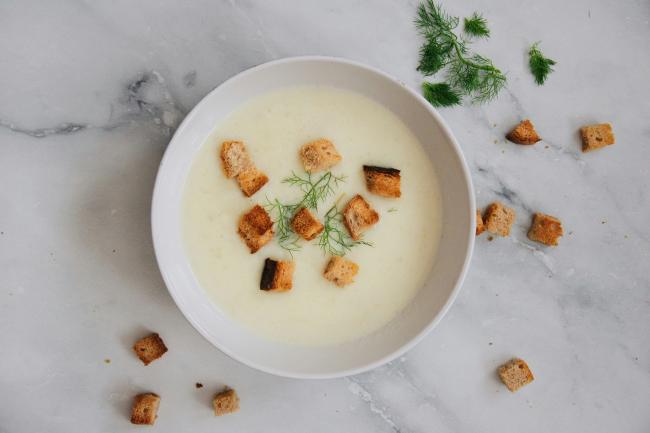
When the temperature drops, your body’s nutritional needs shift. Staying warm is not only about wearing layers but also about fueling your internal heat production through thermogenesis. By choosing the best foods to eat in cold weather, you can boost metabolism, support immunity, and maintain stable energy levels throughout winter.
Cold weather foods are typically hearty, warm, and calorie efficient, helping the body conserve heat while delivering sustained nourishment.
Warm and Comfort Foods
Warm, comforting meals are the foundation of winter eating. These foods are easy to digest, served hot, and designed to provide deep, long lasting warmth.
Hearty Soups and Stews
Ideal for batch cooking and freezing, soups and stews combine hydration, protein, and slow burning carbohydrates.
-
Beef Stew: Rich in iron and protein, supporting oxygen circulation and heat production.
-
Chicken and Dumplings: A creamy, carbohydrate rich classic that delivers soothing warmth.
-
Chili: Beef or turkey chili with beans offers protein, fiber, and long lasting energy.
-
Creamy Soups: Options like broccoli cheddar, potato leek, or butternut squash provide comfort and calorie density.
Cozy Casseroles and Baked Dishes
Baked meals retain heat well and keep you full for hours.
- Shepherd’s pie
- Lasagna
- Chicken pot pie
- Tuna or rice based casseroles
Roasted Root Vegetables
Root vegetables thrive in cold climates and store well through winter.
- Potatoes, sweet potatoes, carrots, parsnips, beets
- Roasting caramelizes natural sugars and enhances warmth and satiety
- High in fiber and complex carbohydrates
High Energy and Calorie Dense Foods
Cold exposure increases baseline calorie burn. Energy dense foods help meet these demands efficiently.
Complex Carbohydrates
Slow digesting carbs raise body temperature during digestion.
- Oatmeal
- Quinoa, barley, farro
- Brown rice
Healthy Fats
Fats provide the highest energy yield per gram and help stabilize body temperature.
- Ghee and butter
- Coconut oil
- Avocados
- Fatty fish like salmon
The Power of Protein
Protein has a high Thermic Effect of Food.
- Digestion can increase heat production by 20 to 30 percent
- Supports muscle mass and immune function
- Sources include meat, eggs, legumes, dairy, and fish
Immune Boosting Foods
Winter is peak season for colds and flu, making immune nutrition essential.
Vitamin C Rich Foods
Support immune defense and tissue repair.
-
Citrus fruits
-
Bell peppers
-
Broccoli
-
Kiwi
Garlic and Ginger
Natural warming ingredients with functional benefits.
-
Garlic contains allicin with antimicrobial properties
-
Ginger improves circulation and reduces inflammation
Probiotics
Gut health is closely tied to immune health.
-
Greek yogurt
-
Fermented foods like sauerkraut and kimchi
Vitamin D Sources
Limited sunlight increases deficiency risk.
-
Egg yolks
-
Mushrooms
-
Fortified milk and plant based alternatives
Hot Drinks for Cold Weather
Hydration remains important in winter, even when thirst signals are weaker.
-
Herbal teas such as ginger, peppermint, and rooibos
-
Golden milk made with turmeric, black pepper, and warm milk
-
Hot cocoa using dark chocolate for antioxidants
-
Bone broth for minerals, collagen, and savory hydration
Simple Cold Weather Meal Ideas
Practical winter meals should be warm, filling, and easy to prepare.
-
Warm breakfast: Steel cut oats with walnuts, chia seeds, and cinnamon
-
Sheet pan supper: Roasted chicken thighs with Brussels sprouts and butternut squash
-
One pot lentil curry: Lentils, spinach, cumin, and turmeric for fiber rich warmth
Cold Weather Foods by Lifestyle
For Outdoor Workers and Cold Climates
Cold exposure requires constant fuel.
- Eat small meals or snacks every 2 to 3 hours
- Prioritize savory, calorie dense foods over watery fruits
- Choose jerky, nuts, hard cheese, and nut butters
- Use thermos containers for stews, soups, or hot electrolyte drinks
For Everyday Winter Living
Daily winter eating focuses on balance and consistency.
- Emphasize fiber from legumes and root vegetables
- Use warming spices like black pepper, cinnamon, cloves
- Keep frozen meals and leftovers ready for low energy days
If you live in an extremely cold area, a wired outdoor security camera is usually the better choice for reliable protection. Battery-powered cameras can lose power quickly or stop working altogether in very low temperatures.

Groundbreaking 16MP Dual-Lens PoE Camera
16MP UHD, Dual-Lens, Motion Track, 180° Wide Viewing Angle, Power over Ethernet, Color Night Vision.
FAQs
What is the best food for cold weather?
Root vegetables and complex grains are among the best foods for cold weather. They take more energy to digest, which naturally increases heat production while providing long lasting energy.
What’s a good winter meal?
A slow cooked beef and vegetable stew with whole grain bread is a strong winter meal choice. It combines protein, iron, complex carbohydrates, and warmth in one dish.
What food to buy for a winter storm?
Choose shelf stable foods that require minimal preparation.
- Canned soups, chili, and beans
- Nut butters
- Dried fruits, nuts, and jerky
- Instant oatmeal and crackers
- Bottled water, one gallon per person per day
Conclusion
Eating well in winter means working with your biology, not against it. By prioritizing hearty soups, roasted vegetables, healthy fats, protein rich meals, and immune supporting spices, food becomes a tool for warmth, resilience, and sustained energy throughout the cold season.
Search
Subscribe for the Latest Updates
Security insights & offers right into your inbox