
















































Baby Won’t Stop Crying? Causes & Soothing Tips
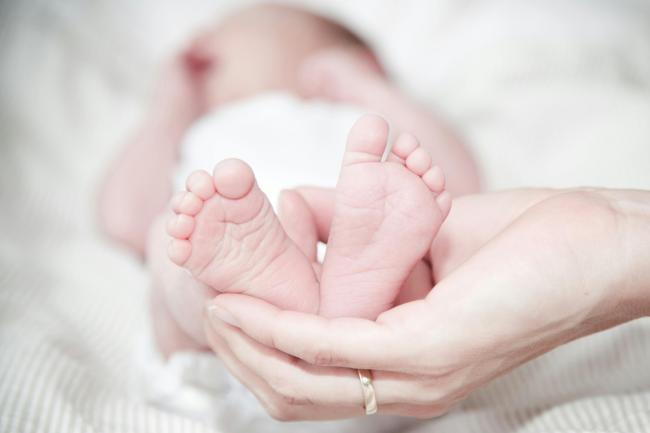
Parents often deal with times when their baby keeps crying. They feel they have tried every possible solution. If you search for "my baby won't stop crying and I've tried everything," you find many others in the same spot. This article explains the causes of a baby's constant crying. It also shares tips to calm them. The goal is to give clear help to new parents who face this common problem.
Why Do Babies Cry?
Babies cry to communicate because they cannot talk yet. They use crying to tell caregivers about their needs or feelings. Newborns express hunger, discomfort, or a want for attention this way. Parents learn to spot different cries over time. This helps them respond well.
For instance, a sharp, high-pitched cry may show pain. A steady cry could mean tiredness. Parents stay calm when they know that "baby crying" is normal. They can then fix the main cause. Babies start this behavior from birth. It reaches a high point around six to eight weeks old.
At that stage, babies may cry up to three hours each day on average. Crying acts as a way for babies to survive. It gets attention from adults. The process releases stress hormones in the baby.
Common Reasons a Baby Won’t Stop Crying
We have looked at the basics of why babies cry. Now, let's explore the exact reasons for long crying. Many parents wonder, "Why won't my baby stop crying." The answer often comes from daily factors. These reasons fit into groups like basic needs, discomfort or illness, and setting issues. We will cover each group fully to help you spot what impacts your baby.
Basic Needs
Basic needs make up the base of a baby's health. When parents miss them, crying starts. Parents should check these first when their baby fusses.
Hunger
Hunger ranks as one of the top reasons for crying. Babies have small stomachs. They need to be fed often, sometimes every two to three hours. A baby cries to show the need for food if they miss a meal or get too little milk.
Dirty diaper
A dirty diaper stands as another easy but common cause. Wet or messy diapers irritate the skin. This leads to discomfort that causes crying. Newborns fill diapers fast. They may need changes up to 10 times a day.
Tiredness
Tiredness hits babies like it does adults. But babies show it with crying instead of yawns or eye rubs at first. Overtired babies cry harder because their bodies release a stress hormone called cortisol. Newborns sleep up to 16 hours a day in short periods.
Need for comfort
The need for comfort finishes the basic needs. Babies want close touch, which makes them feel safe in a new world. Crying might mean they want to be held or cuddled. Skin-to-skin touch releases a hormone called oxytocin. It calms the baby and parent.
Discomfort or Illness
Parents look for discomfort or illness when basic needs are not met to explain the crying. These problems need more care. Sometimes, they call for a doctor's help.
- Gas: Gas gathers in a baby's gut system. It causes pain that leads to crying. Air swallowed during feeds or cries makes bubbles in the stomach. Babies with a young digestive system find it hard to pass gas.
- Colic: Colic brings strong crying fits that last for hours, often at night. It hits about one in five babies. It starts around two weeks old. No one knows the exact cause. But it ties to gut problems or sensitivity. Babies with colic cry at least three hours a day, three days a week.
- Reflux: Reflux occurs when stomach contents go back up. It irritates the food pipe. Babies spit up a lot. Bad cases cause pain during or after feeds. Babies might pull away from the bottle or cry when flat.
- Teething: Teething starts around six months. Teeth push through gums and cause soreness. Drooling goes up. Babies chew on things. They cry more at night when the pain is worst.
- Fever: Fever points to infection or sickness. It makes babies cry from unease. A temperature above 100.4°F in newborns needs fast doctor care. Parents check with a bottom thermometer for the right reading. They dress the baby in light clothes and give fluids. They offer acetaminophen if the doctor says so. They watch for other signs, like being sleepy or a rash.
Environmental Factors
The area around a baby affects their comfort a lot. Changes can start crying.
- Too hot or cold: Temperatures that are too hot or too cold make babies uneasy. Babies cannot control their body heat well. Parents feel the back of the neck. If it sweats, they take off layers. If cool, they add a blanket. They keep the room at 68-72°F. They dress in layers for quick changes.
- Overstimulation: Overstimulation comes from too much action, like bright lights or many people. Babies handle inputs slowly. Crying shows overload. Parents move to a quiet, dark room. They limit guests during fussy times.
- Loud noise: Loud sounds scare babies and stop them from resting. Quick noises like cleaners or dogs barking cause cries. Parents should use ear covers in loud spots or play soft background sounds to cover noises.
How to Stop a Baby from Crying?
We have spotted possible causes. Now, we try to calm the baby. Parents look for good ways to soothe their child. We will go over several steps. Each one targets different needs. Parents begin with simple ways and move on if needed.
Check and Meet Basic Needs
Parents start by looking at basic needs. They feed if hungry, change the diaper if wet, or help nap if tired. They hold close for comfort. This step-by-step check often ends the crying fast.
Use Physical Soothing Techniques
Rocking or swaying copies womb moves and calms babies. Parents hold them in their arms and move softly. A swing or a seat gives the same motion. Swaddling wraps them tight in a blanket to stop sudden jerks. Parents sing quiet songs or hum for sound comfort.
Address Discomfort Issues
For gas or colic, parents try belly time or soft rubs. They burp often and use warm baths to ease muscles. If they think of reflux, they hold upright after feeds. For teething, they give safe chew items.
Adjust the Environment
Parents lower the lights and cut the noise for a calm place. They keep good temperatures. White noise from fans or apps covers other sounds.
Seek Professional Help if Needed
If crying does not stop, parents see a child doctor to check for health problems. The doctor gives exact advice or checks.
What to Do When a Baby is Teething and Won't Stop Crying?
Teething can make a happy baby cry a lot. Good steps help during this time. This part shares direct actions for this phase.
- Offer cold items to numb the gums: Parents chill a clean cloth or teething ring in the fridge. They let the baby chew it. The cold cuts swell and bring relief. They avoid freezing things since too much cold can hurt soft spots. They watch to stop choking.
- Massage the gums gently: Parents use a clean finger to rub sore spots in circles. This push fights the pain from new teeth. They wash their hands first to keep germs away.
- Provide safe pain relief: Parents give the baby acetaminophen or ibuprofen as the doctor directs for the amount based on weight and age. These drugs cut swelling and fever from teething.
- Keep the baby distracted: Parents play with toys, read books, or go for walks outside. This shifts attention from unease and cuts crying times.
- Maintain good oral care: Parents wipe gums with a soft cloth after feeds to keep them clean. This stops infections that could make pain worse.
How to Check Your Baby If They Won't Stop Crying?
A baby may cry at night or in another room. Tools for watching help parents act fast without staying there all the time.
- Use audio baby monitors: These send sounds from the baby's room to a parent device. Parents hear cries right away and check without going in each time. They place the monitor near the crib but far from reach. They pick ones with clear sound and a long battery for trust.
- Opt for video baby monitors: These show live views with sound. Parents see if the baby turns over or needs a fix. Night vision works in dark rooms. Parents set the camera safe above the crib for full sight.
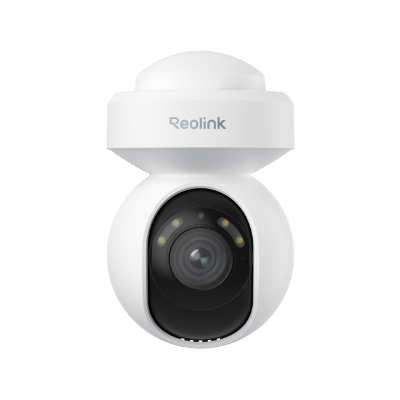
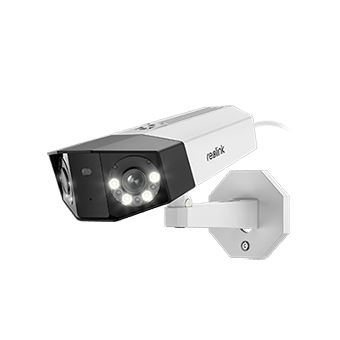
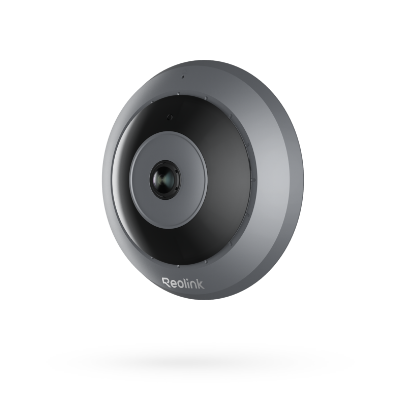
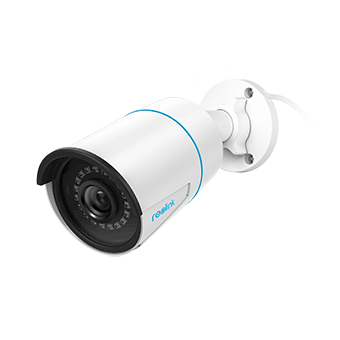
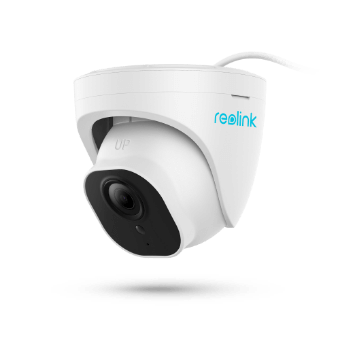
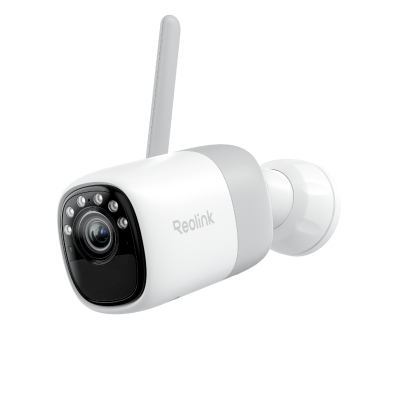
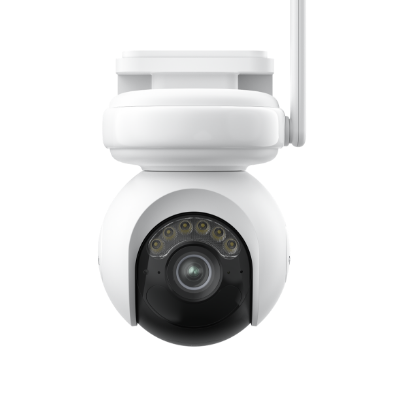
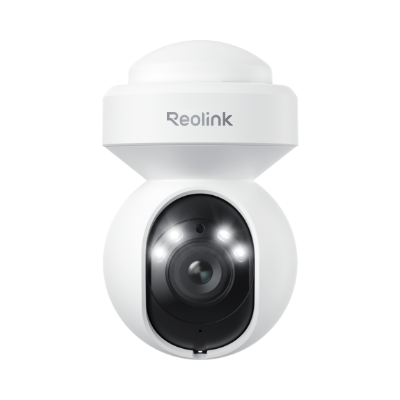
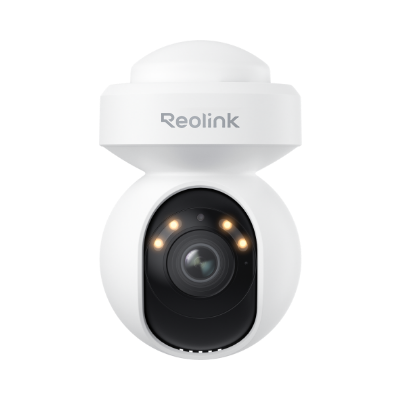
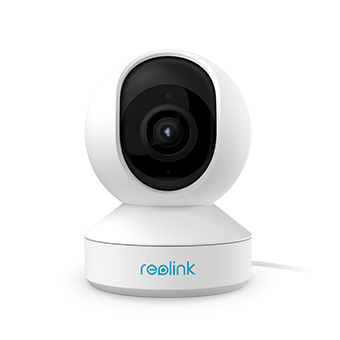
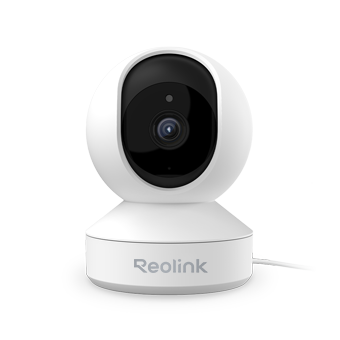
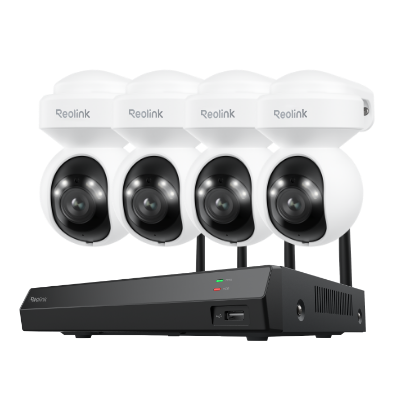
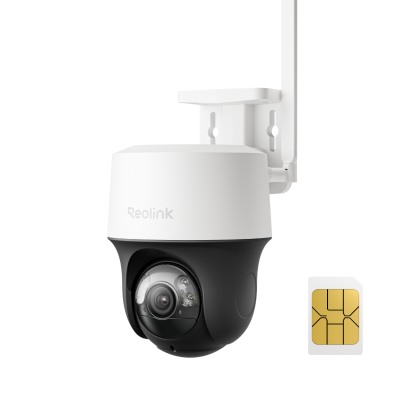
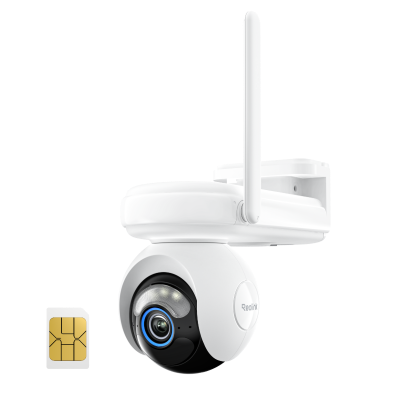
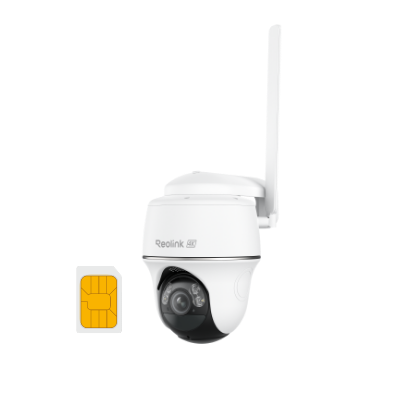
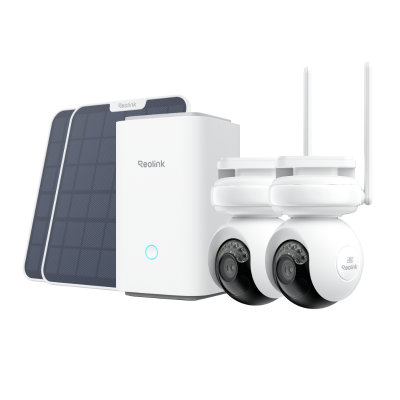
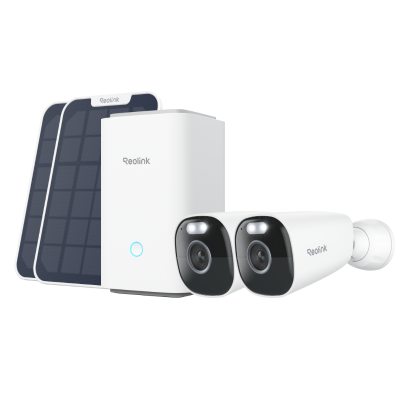
- Install security cameras with baby-specific features: Some cameras spot motion or sound and alert phones. This lets you watch from any place with apps. For example, the Reolink E1 series now includes a crying detection feature to help parents monitor their baby’s needs. Parents make sure links are safe for privacy. They use two-way sound to say calming words from far.

PTZ Wireless Smart Home Camera
Smart, Powerful and Affordable All-Round Home Protection. 355° Pan and 50° Tilt; 4K Ultra HD, 3X Optical Zoom, Two-Way Audio, 2.4/5 GHz WiFi, with Google Assistant Integration.
- Combine with smart home integration: Parents link monitors to home setups for auto actions, like lights on when crying begins. This adds ease for parents with much to do.
FAQs
What do I do when my baby won't stop crying?
Check basic needs like hunger or a dirty diaper first. Try soothing ways such as rocking or swaddling. See a doctor if nothing works to check for other issues.
How do I know if my baby is in pain or just crying?
Watch for signs like arched back, tight fists, or high cries for pain. Normal cries stop with comfort. Pain cries last despite tries.
When to take baby to ER for crying?
Go if crying joins fever over 100.4°F, throwing up, being very sleepy, or hurt. Long crying without reason also needs a visit.
Conclusion
This article went over why babies cry and common reasons like basic needs, discomfort, and setting factors. It shared soothing ways too. It covered teething, watching tools, and questions. If "my baby won't stop crying and I've tried everything," stay patient and check step by step. Share your stories or thoughts on these tips in the comments.
Search
Subscribe for the Latest Updates
Security insights & offers right into your inbox