
Why Is My Dog Biting His Tail? Causes & What to Do
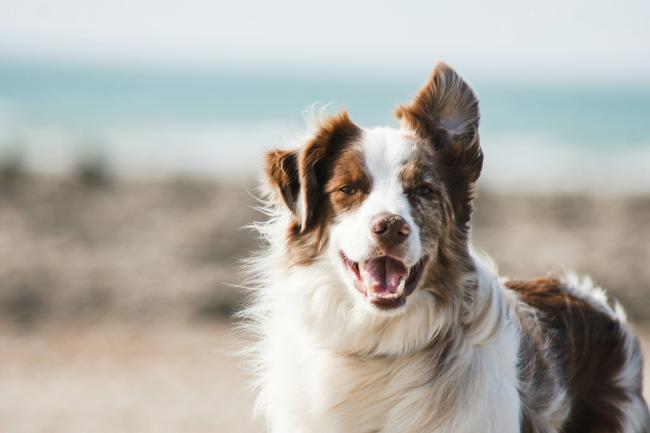
Many dog owners see their dog biting his tail and they ask why. They want to know why their dog keeps biting his tail often. This action can come from health problems or issues in daily life. This article explains common causes of dog biting tail and the steps. It shows the clear steps owners can take to address why does my dog keep biting his tail.
Is It Normal for Dogs to Bite Their Tails?
Dogs bite their tails once in a while as part of regular grooming. They reach areas that need cleaning and remove loose hair or dirt. A dog that does this action only now and then shows no trouble. Owners see this behavior as normal when the dog stops after short time.
The dog shows no other changes in eating or activity levels then. Constant biting or chewing changes the picture for dog owners completely. The dog feels ongoing discomfort and turns to the tail for relief. Owners who watch the pattern can tell if the habit points to deeper issues.
Why Is My Dog Biting His Tail? 7 Common Reasons
Dog owners watch their pets bite or chew their tails and look for reasons. Several factors can push a dog to repeat this behavior day after day. The sections below list seven common reasons for dog chewing tail.
1. Fleas and Parasites
Cause:
- Fleas live in the dog's fur and they bite the skin to feed on blood
- Parasites that live inside the body create irritation around the rear area
What happens:
- The bites create strong itching that feels worse near the tail base
- The dog struggles to reach that spot during normal cleaning time
Behavior:
- The dog bites his tail to scratch the itch and remove the pests
- The dog responds by chewing the tail to find relief from it
2. Allergies
Cause:
- Allergies develop when the dog's body reacts to certain foods or things in the air
- Food allergies often appear after the dog eats chicken or grains
- Environmental allergies come from pollen or dust
What happens:
- The reaction causes the skin to itch and the dog focuses on the tail
- The itch builds over time after the dog eats those foods
- Environmental allergies grow stronger
Behavior:
- The dog focuses on the tail to ease the feeling of itch
3. Skin Infections or Hot Spots
Cause:
- Skin infections start when bacteria or moisture collect on the skin
- Hot spots form quickly in warm weather or after the dog swims
What happens:
- The area becomes inflamed and the dog feels sore near the tail
- The wet fur traps germs and the infected spot feels sore
Behavior:
- The dog bites the area to relieve the pain in the spot
- The biting spreads the infection and the spot grows larger
4. Anal Gland Issues
Cause:
- Anal glands sit near the base of the tail for the dog
- The glands sometimes fill up
What happens:
- The glands release a fluid during normal bowel movements
- The dog feels pressure or pain
Behavior:
- The dog bites his tail to press the glands and release the fluid
- Owners see the dog scoot across the floor or bite the tail base
5. Boredom or Lack of Exercise
Cause:
- Dogs that stay alone for long hours build up extra energy
- The dog finds nothing else to do during the day
What happens:
- The behavior starts as play and grows into a habit
Behavior:
- The dog bites or chases his tail to create activity and pass the time
- Owners who work long shifts often see this pattern in active breeds
6. Anxiety or Stress
Cause:
- Changes in the home such as new pets create stress for the dog
- Loud noises also create stress
- Certain breeds bond closely with people
What happens:
- The dog feels uneasy when owners leave the house
- The tail biting starts soon after visitors arrive at the home
Behavior:
- The dog bites his tail as a way to calm down
- The action becomes a repeated habit during anxious moments
7. Injury or Pain
Cause:
- An injury to the tail from a fall causes pain
- Rough play can also cause pain
- Arthritis or nerve issues in older dogs create discomfort
What happens:
- The biting can start after a car ride or a jump
- The jump strains the tail base for the dog
Behavior:
- The dog chews to make the pain feel less sharp
- Owners see swelling or the dog limp slightly after the event
How to Tell the Causes of Dog Biting Tail?
Owners who spot their dog chewing tail need to find the exact cause. Several clear signs point to the main reason at home. The information helps them decide when to call the vet. The steps help them choose what to try first with the dog.
-
Look at the skin and fur around the tail base. Red spots or small black specks show fleas for the dog. Flaky skin points to allergies in the dog. The dog often bites more in that exact area. Watch the time when the biting happens most often.
-
Biting after meals suggests food allergies for the dog. Chewing during alone time points to boredom or anxiety. Owners note the pattern over several days to see the link.
-
Check the rear end for swelling or strong odor. Full anal glands create pressure near the tail. The dog bites to relieve the pressure in the area. Scooting on the floor adds another clue to this cause. Observe the dog's overall energy and mood every day.
-
A dog that runs and plays but still bites the tail deals with boredom. A quiet dog that hides may feel stress from changes at home.
-
Examine the tail for cuts bruises or limping. Recent injury shows as swelling or tenderness in the area. The dog bites the painful spot after the injury. Older dogs may show stiff movement that links to arthritis.
What to Do If a Dog Keeps Biting its Tail?
Owners who see their dog bite the tail for several days take action. They start by keeping the area clean right away. Owners prevent the dog from reaching the tail with a soft collar. The next step involves a visit to the vet for a full check. The check rules out medical causes for the biting.
Early attention stops the biting from creating open wounds. The wounds or infections take longer to heal for the dog. Owners track the dog's eating and bathroom habits during this time. Changes in those areas give extra clues to the cause.
How to Stop Your Dog From Biting His Tail?
Owners who want to end the tail biting look for methods. The methods match the cause they identified earlier. Several approaches work well for the dog and the owner. Owners pick the ones that fit their dog's situation. The steps bring relief and help the dog return to normal behavior.
1. Visit the Veterinarian
Purpose:
- Identify and treat the root cause
What the vet does:
- The vet examines the dog and runs tests to confirm the cause
- The tests confirm fleas allergies or gland problems for the dog
Treatment:
- Medicine or special shampoos treat the root issue quickly
Result:
- The dog stops biting once the discomfort leaves the area
Owner actions:
- Owners follow the vet's plan exactly every day
- Owners return for follow up visits if the biting continues
2. Treat the Skin and Remove Triggers
Purpose:
- Eliminate irritation and prevent recurrence
Actions:
- Owners apply flea medicine every month without fail
- Owners change the dog's food to remove allergy sources
- They clean hot spots daily with vet approved wipes
- They keep the area dry after the cleaning
Result:
- These actions clear the skin for the dog
- The dog no longer feels the need to bite the tail
3. Increase Exercise and Mental Activity
Purpose:
- Reduce boredom and excess energy
Actions:
- Daily walks and play sessions burn off extra energy
- Puzzle toys filled with food keep the mind busy
- The toys keep the mind busy during alone time
Result:
- The dog focuses on these activities instead of the tail
- The habit fades within weeks for the dog
4. Create a Calm Home Environment
Purpose:
- Reduce stress and anxiety
Actions:
- Owners set a quiet space for the dog every day
- Owners use familiar toys during stressful times
- Short training sessions build confidence and lower anxiety
Result:
- The dog learns to relax without biting the tail
- The behavior stops as the stress level stays low
How to Monitor Your Dog If It Keeps Biting and Chasing Its Tail?
Owners watch their dog closely after they start treatment. They make sure the biting decreases over time. They check the tail area twice a day for new wounds. They note any changes in the dog's mood or appetite. Indoor security cameras let owners see the dog's actions.
Indoor cameras work when owners leave the house. The video shows if the biting happens at certain hours. The cameras record clear footage for the vet. The footage helps the vet understand the pattern. Owners adjust the daily routine based on the cameras. They contact the vet if the behavior grows worse. The dog seems in pain during the biting.

PTZ Wireless Smart Home Camera
Smart, Powerful and Affordable All-Round Home Protection. 355° Pan and 50° Tilt; 4K Ultra HD, 3X Optical Zoom, Two-Way Audio, 2.4/5 GHz WiFi, with Google Assistant Integration.
FAQs
When should I see a vet for tail biting?
Owners call the vet as soon as the biting lasts more than two days. The dog creates a raw spot on the tail. Bleeding swelling or loss of appetite add urgency. The vet visit should happen the same day. Early checks prevent small issues from turning into serious infections. The infections or ongoing pain affect the dog badly.
What breeds are prone to tail biting?
Small breeds such as Chihuahuas and Terriers bite their tails more often. They have higher energy levels and sensitive skin. Herding breeds like Border Collies also show the behavior. The behavior shows when they lack enough exercise. The dogs lack enough mental work during the day. These dogs need active routines to keep the habit away.
What breeds chase their tails most?
Terriers and some herding breeds chase their tails more than others. They carry strong instincts to pursue movement. Young puppies of any breed chase tails during play. The habit stays in energetic dogs that do not receive daily activity. Owners of these breeds add extra walks and games. The games prevent the chasing from becoming constant.
Conclusion
Dog owners who notice their dog biting tail now understand the possible causes. The behavior often comes from fleas allergies skin issues gland problems. The behavior also comes from boredom stress or injury.
Each reason has clear signs and treatments for the dog. Owners who watch closely use vet care and adjust the daily routine. They see their dogs stop the action and stay comfortable. Quick attention keeps the tail healthy and the dog happy in the home.
Search
Subscribe for the Latest Updates
Security insights & offers right into your inbox