







Vancouver Northern Lights: When and Where to See?
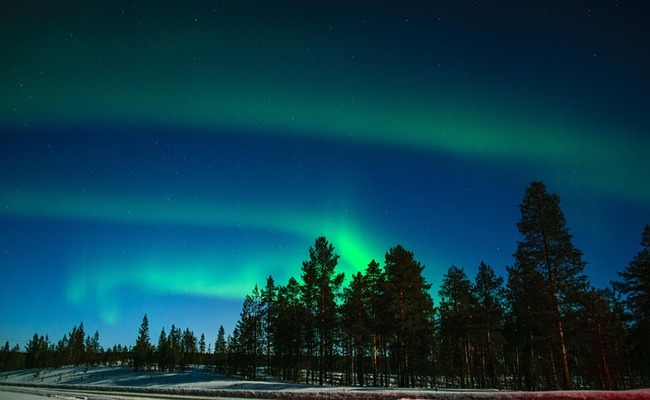
The Northern Lights (Aurora Borealis) are a stunning natural light display in the sky caused by geomagnetic and solar interactions. Many people wish to witness them, but they are unsure where or when to catch them.
In this article, we will discuss the chances of seeing the Northern Lights in Vancouver and other parts of Canada. We shared helpful tips for observing this phenomenon and capturing it perfectly to make unforgettable memories.
Can You See the Northern Lights in Vancouver?
Yes, it is possible to see the Northern Lights in Vancouver, but sightings are very rare. The Aurora in Vancouver does not always appear in the same way. Sometimes it is faint and difficult to notice, while on other occasions it is colorful and vivid, offering a spectacular display in the sky.
No doubt, catching this natural phenomenon is highly unpredictable, and its appearance can never be guaranteed. However, it can still be observed in Vancouver with some planning, patience, and a bit of luck.
Best Time to See Vancouver Northern Lights
Winter is considered the best time to see the Vancouver Northern Lights. The time from November to March offers high chances to enjoy the beauty of lights because the sky remains dark and nights become longer. In these months, cold nights with less noise from artificial lights improve the visibility of Northern lights in Vancouver.
Apart from the months, the best time to witness the lights in Vancouver is between 10:00 pm and 2:00 am. At this time, the sky is usually at its clearest, offering the best viewing hours and a peaceful environment for nature lovers and photographers.
Where to See Northern Lights Vancouver?
It is best to travel away from the brighter cities to see the Northern lights in Vancouver at their peak. Such locations offer dark, clear skies with minimal artificial light, making the Northern lights stand out and appear more visible.
The best places to catch Northern lights in Vancouver are high-elevation areas, coastal locations, and unobstructed open spaces.
Some of the most famous spots near Vancouver include:
Porteau Cove Provincial Park: Often considered the prime spot, as it offers a clear northern view over the water.
Burnaby Mountain: The Northern face of the mountain is ideal for seeing Northern lights. It’s away from both Vancouver and Burnaby to avoid light and minimize light pollution.
Cypress Mountain: Due to high elevation, Northern lights are clearly visible, but you have to go early to get a good spot.
Spanish Banks: Northern lights are visible due to open spaces and dark skies away from the city lights.
How to Increase Your Chances of Seeing the Northern Lights?
The Northern lights in Vancouver are very unpredictable, and catching them can be uncertain. However, there are a few factors and things that you can keep in mind to increase your chances of witnessing it.
-
Check Aurora Forecast: The Aurora forecast tells about the activity strength of the geomagnetic field. If the geomagnetic activities are strong, there will be high chances of the appearance of Northern lights. You can check the websites or applications that share real-time alerts and updates.
-
Choose Clear Nights: Select the nights with clear skies and very minimal cloud coverage because cloudy and stormy weather can block the Northern lights. So, it would be better to avoid stormy and overcast nights even if other factors align positively.
-
Stay Up Late: The Aurora is visible between 10:00 pm and 02:00 am, which means the late-night hours are the prime time to see the lights. So stay late at night, arrive early, get a calm spot, and don’t forget to bring your blanket or chair, as the wait can be chilly.
-
Select the Right Location: Urban or artificial lights can wash out the Aurora, so head out to higher elevations or open spaces where you can see the unobstructed view of the North Horizon. This can increase your chance of observing the Aurora even if it is faint.
-
Be Patient: Patience is the most important factor because seeing the Northern lights is never guaranteed, even with all preparations and ideal conditions. So, it is better to be patient, persistent, and observe the sky for multiple nights with flexible plans.
Camera Settings for Northern Lights Photography
Capturing Northern lights is exciting and challenging at the same time. Right equipment and camera settings can help you capture this stunning process and preserve its vibrant colors.
-
Camera: Camera selection is the first important thing. Choose a DSLR or mirrorless camera with Manual Mode, having full control over aperture, ISO, and Shutter speed.
-
Lens: If you want to capture a full aurora, choose a wide-angle lens. Use a lens with a low f-number (f/2.8 or faster) because it lets in more light and helps in capturing brighter pictures at night.
-
Tripod & Trigger: A tripod is required to keep the camera steady for long shots. It is also suggested to use a remote trigger that prevents the camera from shaking when you press the button. Besides the wide-angle lens, use a 2-second delay to avoid the blur risks.
-
ISO Setting: Depending on the aurora brightness, set the ISO between 800 and 6400. High ISO makes the camera sensitive to light, but also causes grainy photos. So, find and set a balance that works for your equipment.
-
Aperture: To maximize the light intake, use the lower f-stop available (f/2.8 or smaller). Avoid higher f-stops because they reduce light significantly.
-
Shutter Speed: Set the shutter speed between 4 and 30 seconds according to the aurora brightness and movement. Start with the camera shutter open for a longer time to capture more light and make it shorter if the Aurora is bright and moving fast.
-
Focus: Use Manual Focus instead of automatic, then pick a start in the sky and make it look sharp. You can turn your lens to infinity (∞) mark to capture very distant objects. Use the Live View to make sure the stars look sharp.
-
Image Quality: Now take high-quality pictures by using features like Auto White Balance to correct the colors and RAW to adjust colors later.
Other Places in Canada to See the Northern Lights
Canada offers several spots to witness the Northern Lights. The Aurora can be seen in many provinces of the country, but the chances will become higher if you move towards the north.
Here are some of the locations that are easy to travel to and accessible for Northern light displays.
1: Newfoundland and Labrador
2: Churchill, Manitoba
3: Canadian Rockies
4: Yellowknife, Northwest Territories
5: Whitehorse, Yukon
FAQs
1: How Long Do the Northern Lights Last?
Northern lights can last anywhere from a few seconds to hours. It depends on the atmospheric conditions, solar activity, and the aurora movement on a particular night.
2: How Often Do the Northern Lights Appear in Vancouver?
In Vancouver, the Northern lights are very rare and typically occur during strong solar activity. So, Vancouver offers a few possible sightings each year under aligned and favourable conditions.
3: Where is the Best Place to See the Northern Lights in BC?
Remote Northern areas are the best place to see the Northern lights in BC. The areas away from the cities, having open landscape and minimal artificial lighting, offer wider horizons to enjoy the clearer Northern lights.
Conclusion
The Northern lights are a breathtaking but rare natural phenomenon. Although witnessing these lights in Vancouver is uncommon, the right approach, proper planning & preparation, and patience can help you enjoy aurora displays safely and memorably. Those who want to capture it need a camera with manual control, a tripod, triggers, and a wide-angle lens to preserve the vibrant and stunning colors.
Search
Subscribe for the Latest Updates
Security insights & offers right into your inbox