



































































































































Is Baja California Safe? A 2026 Safety Overview

The cross-border state of Baja California and its southern partner, Baja California Sur, are magnets that attract millions of tourists yearning to have beaches, food, and easy accessibility to the United States. Baja California safety concerns continue to influence the trip plans; this is why this guide will cover the major areas that people became concerned about in 2026.
It addresses the main question: Is Baja California safe? And offers an unadulterated view of crime, communities, transport, wellbeing, and expedient practices.
Is Baja California Safe?
No, Baja California isn’t as safe as many might expect. It faces high levels of violent crime, especially in cities like Tijuana (with homicide rates up to ~96/100k). However, late 2025 saw a notable decline in many crime categories. Tourist-heavy areas tend to be safer than cartel-controlled zones, but travelers should still remain alert, avoid risky neighborhoods, and follow local advisories.
Is Baja California Sur Safe?
Baja California Sur spans the southern half of the peninsula and includes La Paz, Los Cabos, Todos Santos, Mulegé, and Loreto. It shows lower crime pressure than its northern neighbor because few drug routes cross here, and population density stays low.
Homicide numbers for 2025 rest near 10 per 100,000 residents, a fraction of big mainland states. Petty theft figures reach about 85 reports per 100,000. Carjackings remain rare outside of Mulegé’s remote Highway 1 stretch.
Is It Safe to Travel to Baja California?
Travel risk sits on three pillars: transportation, lodging zone, and personal choices. Air entries through Tijuana International Airport now process U.S. passport holders with automated gates.
Border wait times dropped after the SENTRI lane expansion, so day trips feel smoother. Bus firms run new fleets with onboard cameras between Tijuana and Ensenada. Federal Police escort large night buses on Highway 1 south of Rosarito.
How Safe Is Baja California?
Safety in Baja California works like a puzzle. Each piece—neighborhood, transport method, food standard—shapes the full picture. Once travelers grasp these factors, they can decide how to move and where to sleep without undue stress.
Neighborhood safety
Tijuana spreads across canyons and mesas, so one block can change tone fast. Zona Río holds offices, modern malls, and a steady police presence. Most visitors stay here or in Playas de Tijuana, where the broad boardwalk feels lively until late evening. Downtown’s Avenida Revolución sees dense crowds, souvenir stalls, and nightlife.
Police presence is strong, yet side streets behind clubs show a higher rate of phone snatches. East Tijuana, beyond Boulevard 2000, rows of factories and poorly lit streets mark an area users should avoid at night. For greater peace of mind, choose areas where security cameras are clearly visible.

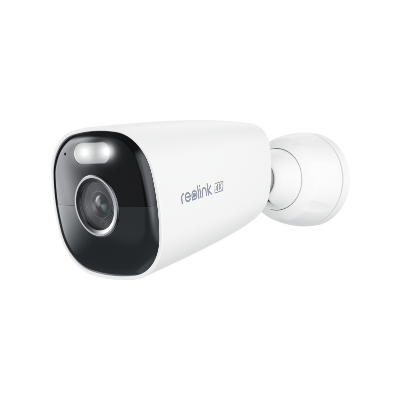
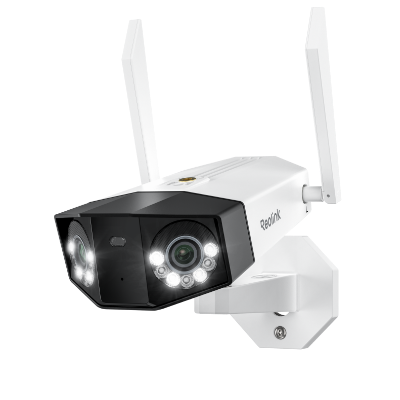
2K Pre-recording Bullet Camera with a Long Lasting Battery
2K 10s Pre-recording ; ColorX Night Vision; 20,000mAh Battery; Dual-band Wi-Fi 6.
Transportation safety
Road trips define the peninsula. Highway 1 runs the full length with long gaps in gas and cell service. Drivers plan fuel stops, carry coolant, and avoid night driving when livestock cross dark stretches. Federal Police checkpoints appear at state lines and major junctions, which helps deter armed robbers.
Airport shuttles at Tijuana, Los Cabos, and La Paz use official stands. Riders confirm plate numbers and driver IDs. Rideshare apps cover Tijuana, Ensenada, and Los Cabos, but service fades in small surf towns. Taxis must present a green-and-white permit sticker in Tijuana and a yellow-and-white in Cabo. Unmarked cars wait near border crossings; travelers should decline those offers.
Drinking & food safety
Tap water north of Rosarito often carries minerals that upset stomachs. Most hotels provide bottled water, and restaurants use purified ice. Street taco stands in Tijuana, Ensenada, and La Paz keep their health permits on visible placards.
Look for stainless grills, covered toppings, and staff who handle cash and food with separate hands. Fish stalls at Ensenada’s Mercado Negro and La Paz’s Malecón set catch on ice, and turnover stays high, reducing spoil risk.
Crime Rate in Baja California
The state government and independent watchdogs track incidents by category. Numbers show location clusters and trends that tourists should study.
- Homicide: Hot spots sit on Tijuana’s east side, Zona Norte, and select canyons near drug routes. Police task forces focus on organized rivalries that seldom involve visitors.
- Armed robbery: Businesses that close late, small markets, and fuel stations face the main danger zone. Tourist corridors record far fewer armed hold-ups due to patrol density.
- Car theft: Thieves target late-model pickups and SUVs in open parking lots. Gated hotel lots and valet service cut risk sharply.
- Pickpocketing: Dense nightlife streets, transit hubs, and swap meets top the list. Keeping valuables in front pockets and using cross-body bags reduces the success rates for thieves.
- Burglary: Most cases strike homes in the eastern suburbs. Vacation rentals inside gated communities see added guards and cameras, lowering exposure.
How to Stay Safe in Baja California?
Sound habits tilt risk in the traveler’s favor.
- Stay in well-reviewed lodging. Choose hotels or rentals with 24-hour desks, gated parking, and clear security footage.
- Map travel windows during daylight. Drive Highway 1 or remote wine routes from dawn until late afternoon to avoid stray cattle and unlit curves.
- Use regulated transport. Book airport shuttles at official kiosks and confirm rideshare driver plates before entry.
- Carry a copy of your ID. Leave the original passport locked in the safe and show the copy at police checkpoints.
- Limit cash exposure. Keep small bills in a front pocket. Spread larger sums in a money belt under clothes and reload only when behind locked doors.
- Watch drinks in bars. Buy your own seal-opened bottle or see the bartender pour your glass. If you lose sight of the drink, order fresh.
FAQs
Is Baja California safe for American tourists?
The majority of U.S. visitors finish the excursion safely when they remain in the visitor congested areas, travel during the daytime, and utilise formal transportation. Tijuana, Ensenada, and Los Cabos have help lines in English. Tourist-oriented crime is likely to be more on the aspect of theft and more violent. With that said, commuters ought to remain vigilant, not venture into secluded bars past midnight, and carry cell phone chargers to keep these maps and ride software active.
Is Baja California worth going to?
The region offers quick beach access, craft food, whale watching, and world-class sport fishing. The Valle de Guadalupe wine route stands among Mexico’s top culinary stops. Lower travel costs, direct border drives, and steady sunshine balance the need for basic safety steps. Many repeat visitors travel each year because the payoff outweighs the planning.
Is Cabo San Lucas safe right now?
At Cabo San Lucas, there are visible patrols of the marina, the hotel corridor, and Medano Beach. In early 2026, the crime levels are minimal, and the main issue of concern is petty theft. Resorts post private guards and install cameras on parking decks. Tourists who guard drinks, close room doors, and book licensed water taxis find the setting calm.
Conclusion
Is Baja California safe? The answer depends on place, time, and behavior. Baja California, north of the state line, holds higher homicide figures, yet hotels, wine valleys, and beach towns stay under strong patrol. Baja California Sur records far lower rates and feels relaxed, though highway isolation and strong surf need respect.
Travelers who pick secure lodging, drive while the sun is up, guard valuables, and follow basic health steps enjoy the coast, deserts, and food scenes with confidence. Baja California safety starts with research and ends with everyday habits. Share your own experiences or thoughts so future readers can weigh different views and plan informed trips.
Search
Subscribe for the Latest Updates
Security insights & offers right into your inbox