







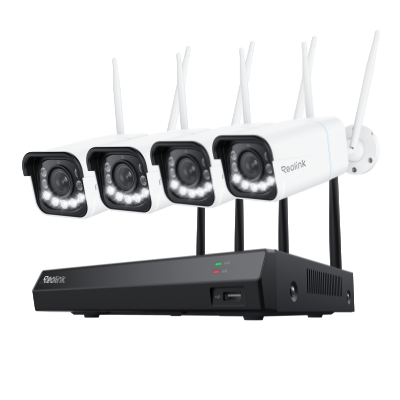
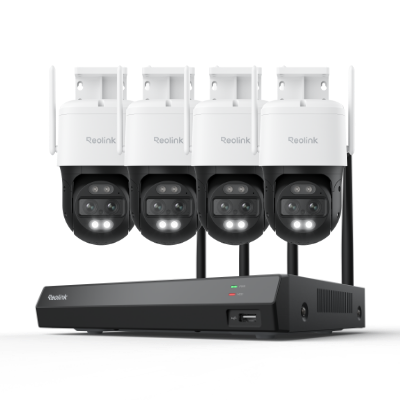
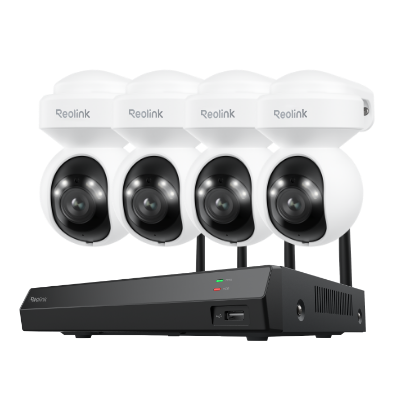
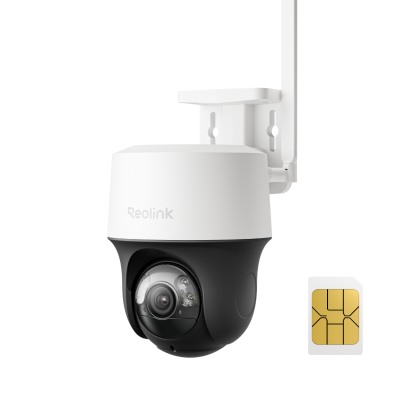
Security Cameras vs. Burglar Alarms for Your Home
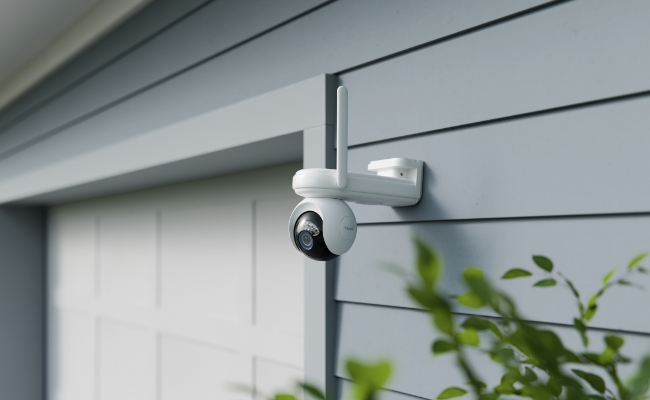
Security cameras and burglar alarms protect your home in different ways. Security cameras let you monitor your property, receive alerts, and keep video evidence, while burglar alarms use sensors to detect unauthorized entry and trigger an alarm.
Choosing between them depends on whether you need visual monitoring, immediate intrusion detection, or both. This guide compares their features, costs, and practical uses to help you choose the right system to burglar-proof your home.
Key Takeaways:
- Security cameras provide visual monitoring and recorded evidence, while burglar alarms focus on intrusion detection and immediate alerts.
- Professionally monitored burglar alarms can add $10–$65 per month, while security cameras with local storage can operate without monthly fees.
- Security cameras and burglar alarms can also be used together for both visual monitoring and entry-point protection.
Security Cameras vs. Burglar Alarms: Key Differences
Security cameras and burglar alarms protect your home in different ways. Security cameras let you see, record, and review what is happening around your property, while burglar alarms use sensors to detect unauthorized entry and trigger an alarm.
Quick Table
What Are Security Cameras
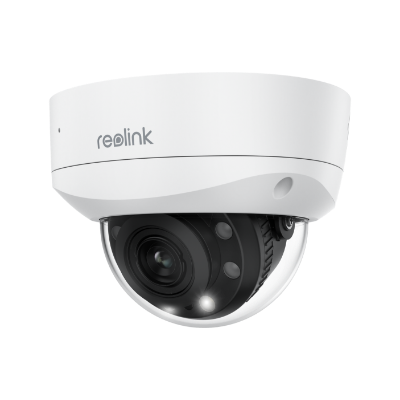
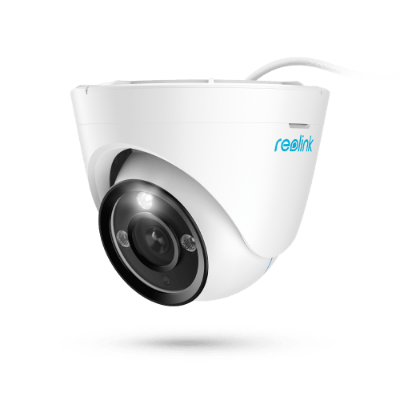
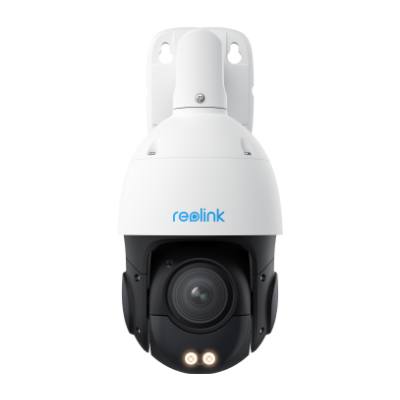
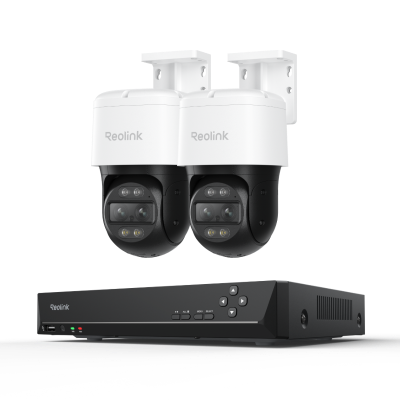
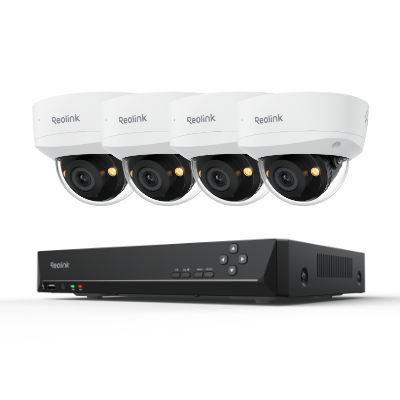
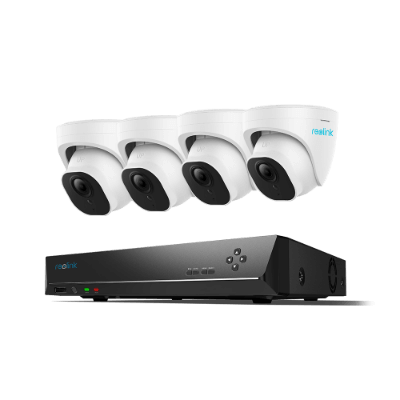
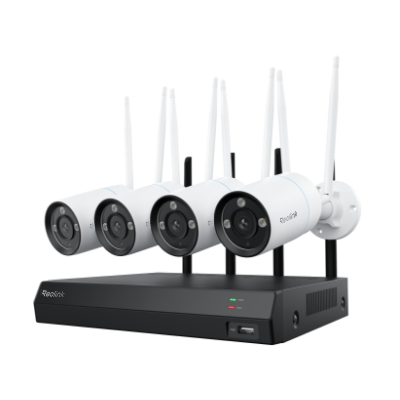
Security cameras are designed to monitor and record activity around a home or property. Modern security cameras can provide live views, record video for later review, and send alerts when motion or specific objects such as people or vehicles are detected.
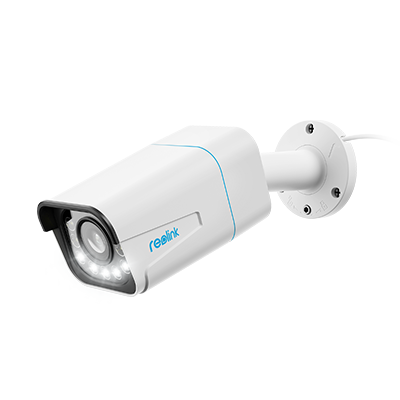
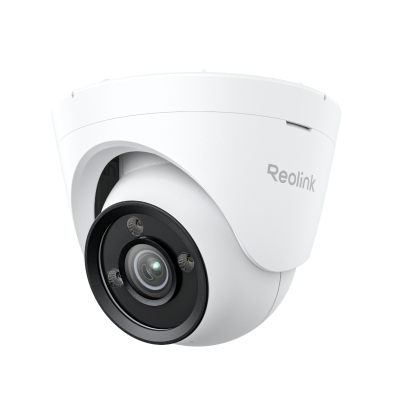
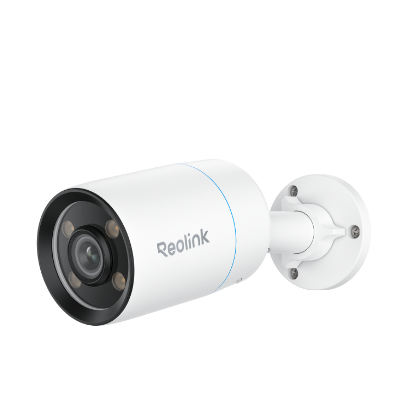
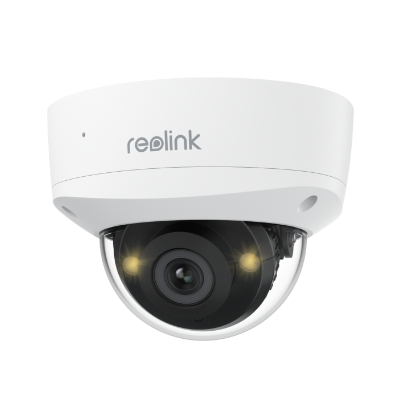
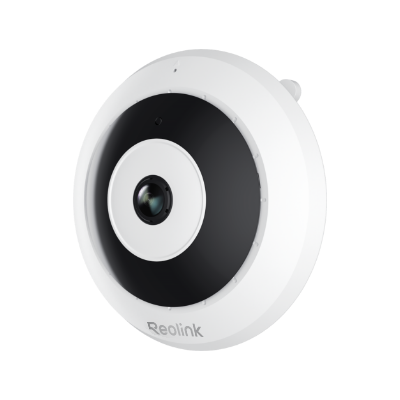
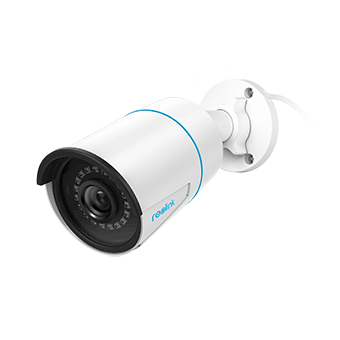
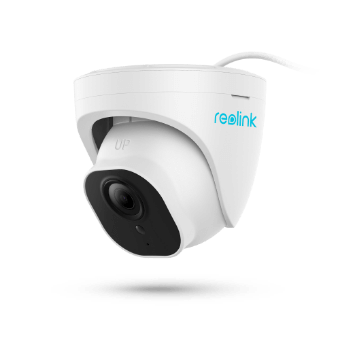
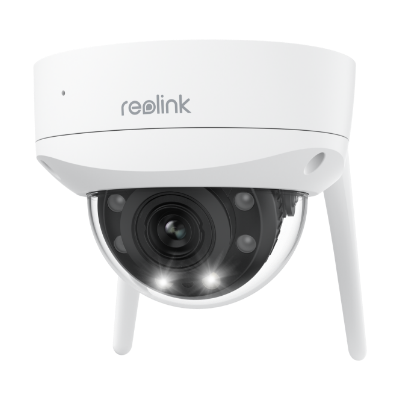
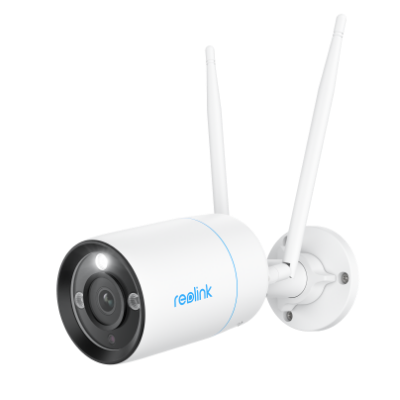
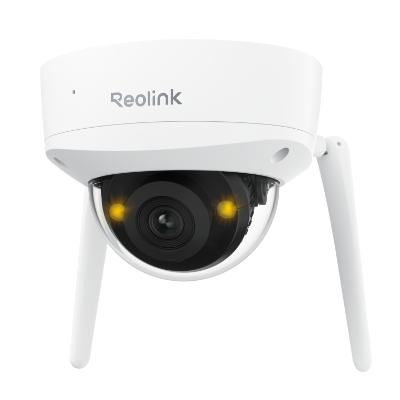
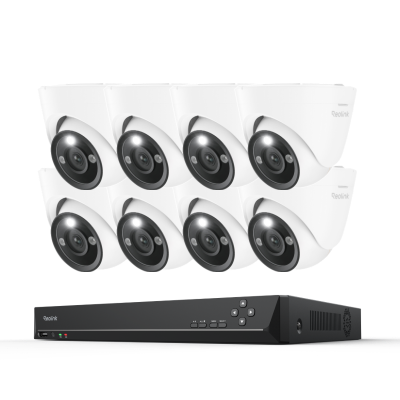
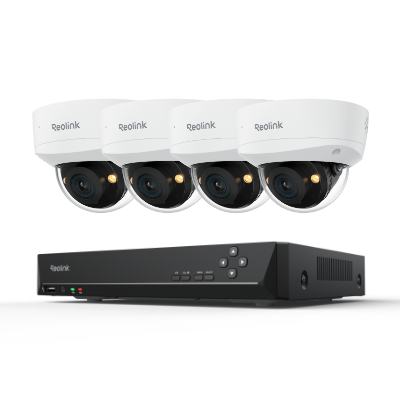
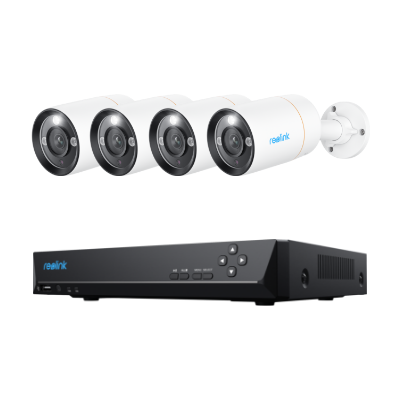
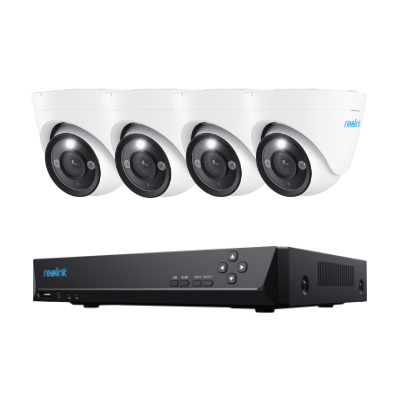
Common options include wireless security cameras, which transmit video over Wi-Fi, and PoE security cameras, which transmit power and data through a single Ethernet cable.
Depending on the model and setup, security cameras can be used for indoor or outdoor monitoring, remote viewing, motion-triggered recording, or continuous 24/7 recording. Recorded footage can also provide useful evidence after a security incident, while visible cameras may help deter potential intruders.
What Are Burglar Alarms
Burglar alarms are designed to detect unauthorized entry into a home or property and trigger an alert or audible alarm. They typically use door and window sensors, motion detectors, and other sensors placed around common entry points.
When a sensor detects a possible intrusion, the system can sound an alarm and, depending on the setup, send a notification to the homeowner or a professional monitoring service. Outdoor motion sensors and perimeter alarms can also detect activity around entrances, gates, and other areas before someone enters the home.
Can Security Cameras Replace a Burglar Alarm?
Security cameras can handle many home security tasks, from recording video and sending real-time alerts to detecting people and vehicles. Some cameras also include sirens and spotlights that can be triggered when suspicious activity is detected. But cameras and burglar alarms still respond to a break-in in different ways.
According to FBI burglary data, 55.7% of burglaries involved forcible entry, while another 37.8% involved unlawful entry without force. A burglar alarm can place sensors directly on doors and windows, triggering an alarm as soon as a protected entry point is opened or breached. A security camera, on the other hand, detects and records activity within its field of view and provides video footage for reviewing what happened.
Both can also discourage potential intruders. A University of North Carolina at Charlotte study of 422 convicted burglars found that 83% would try to determine whether an alarm was present before attempting a burglary, and 60% said they would choose another target if an alarm was installed. The study also found that outdoor cameras and other surveillance equipment were among the security measures burglars considered when choosing a target.
Security cameras may be enough for homeowners who mainly want to monitor entrances and outdoor areas, receive alerts, and keep video evidence. A burglar alarm adds door and window sensors that can detect entry even when it happens outside a camera's view. Using both provides video of the event as well as sensor-based detection at the main entry points.
Security Camera vs. Burglar Alarm: Which Costs More?
Security Cameras vs. Burglar Alarms, Which One to Choose?
The choice becomes easier when you look at where and how you want to protect your home. Security cameras are more useful when you need to watch an area and see what triggered an alert, while burglar alarms are better suited to detecting entry through specific doors and windows.
Choose Security Cameras for Outdoor Areas and Remote Monitoring
Security cameras are particularly useful for areas where you want to know what is happening before someone enters the house. A camera above the front door can show whether the person outside is a visitor, delivery driver, or stranger, while cameras covering a driveway or backyard can detect activity farther from the building.
They are also useful when you are away from home. Instead of receiving only an alarm notification, you can open the app, check the live view, and review recorded footage to see what happened. Cameras are therefore a practical choice for front doors, driveways, garages, backyards, and other areas where visual information matters.
Choose a Burglar Alarm for Doors, Windows, and Indoor Entry Points
A burglar alarm makes more sense when the main concern is someone actually entering the house. Contact sensors can be installed on front doors, back doors, patio doors, and accessible windows, while motion sensors can cover hallways or rooms that an intruder would have to pass through.
For example, if a ground-floor window is opened at night, a window sensor can trigger the alarm immediately without relying on the intruder appearing within a camera's field of view. This makes burglar alarms particularly useful for protecting multiple entry points while you are sleeping or away.
Use Both for Homes with Multiple Access Points
Larger homes, detached houses, and properties with several outdoor access points can benefit from using both. Cameras can cover the driveway, front entrance, garage, and backyard, while alarm sensors protect doors and accessible windows.
If someone approaches the back door, the camera can record the activity and provide a visual alert. If the person then forces the door open, the alarm sensor can trigger the siren. In this type of setup, the camera shows what is happening around the property, while the alarm responds when a protected entry point is breached.
Reliable Security Camera Recommendations
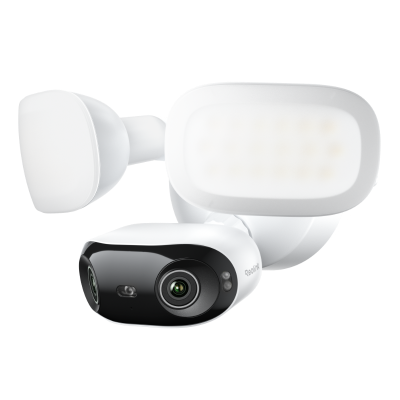
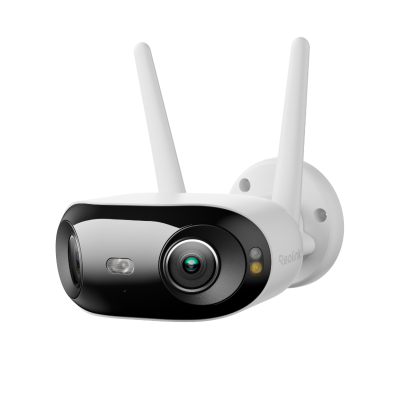
If you decide that security cameras are the better choice for your property, consider how the area will be used. A wide-angle camera works well when the priority is covering a large area and keeping detailed footage, while a floodlight camera is more suitable when you also want to deter suspicious activity.
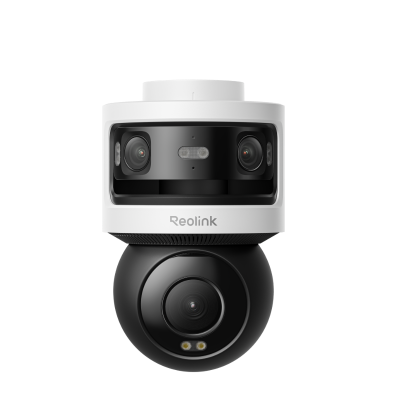
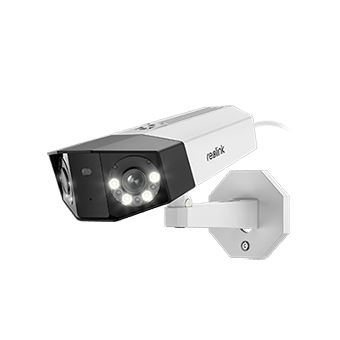
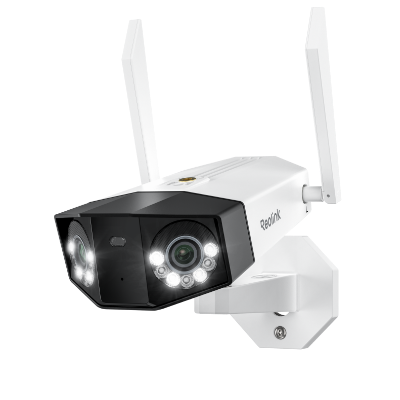
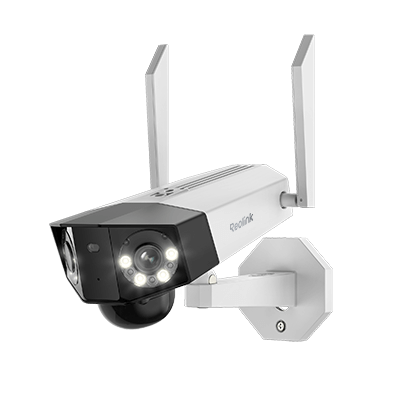
Wide-Area Monitoring – Reolink Duo 3 PoE
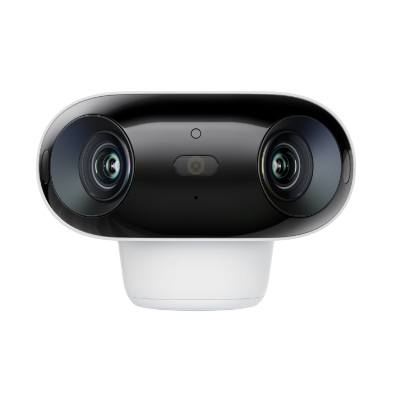
Reolink Duo 3 PoE is a good choice for wide driveways, front yards, parking areas, and building entrances. Its dual lenses combine a 180° panoramic view with 16MP resolution, allowing one camera to monitor a broad area while retaining detail for later review.
It also supports person, vehicle, and animal detection, as well as scheduled and 24/7 recording. For locations where continuous coverage and recorded evidence are the priority, its wired PoE connection provides both power and data through a single Ethernet cable.
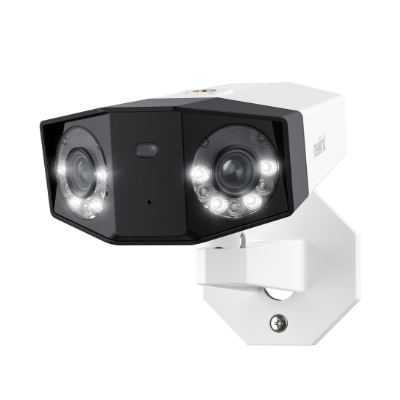
Groundbreaking 16MP Dual-Lens PoE Camera
16MP UHD, Dual-Lens, Motion Track, 180° Wide Viewing Angle, Power over Ethernet, Color Night Vision.
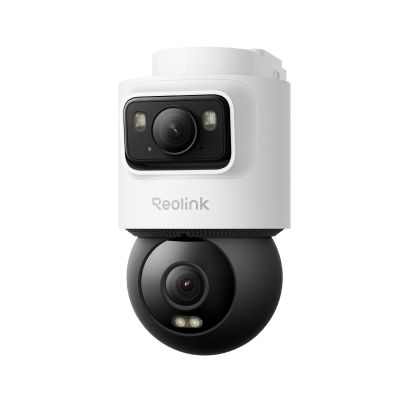
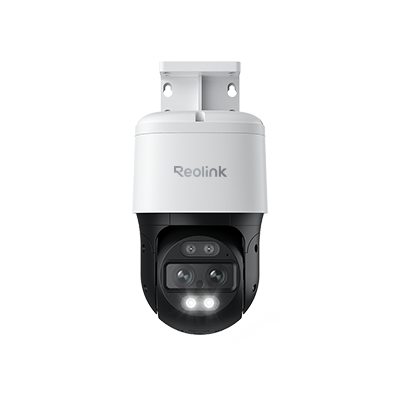
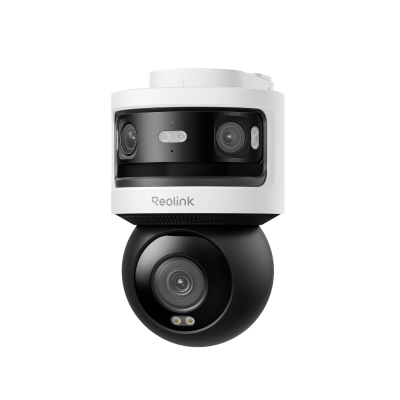
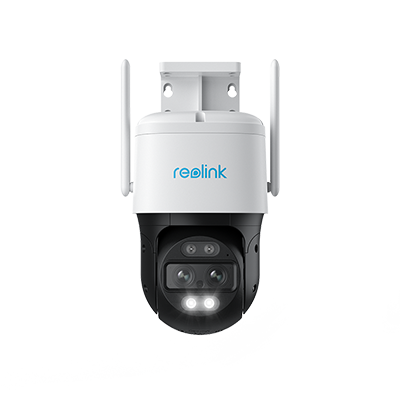
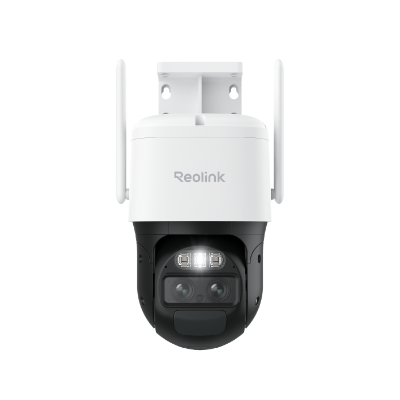
Active Deterrence – Reolink TrackFlex Floodlight WiFi
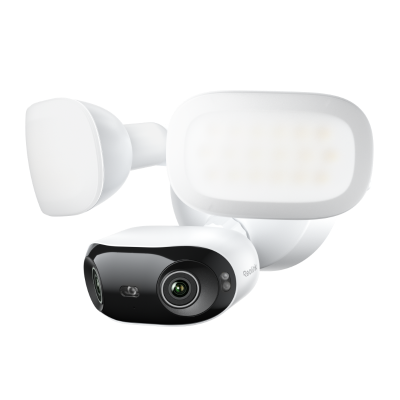
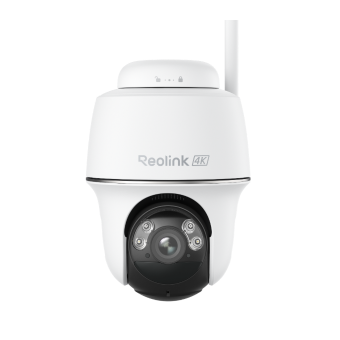
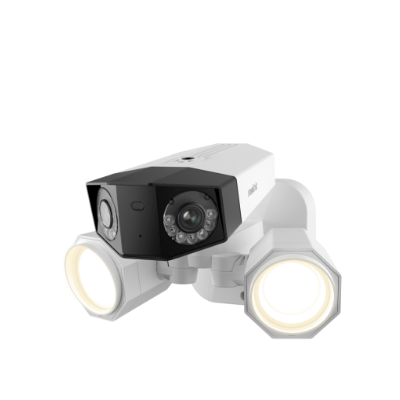
Reolink TrackFlex Floodlight WiFi is more suitable for driveways, garages, side entrances, and backyards where detecting and discouraging an intruder is important. When a person, vehicle, or animal is detected, the camera can track the target while its 3000-lumen floodlights and 110dB siren provide an immediate visible and audible warning.
The camera also offers 4K dual-lens viewing, 6× hybrid zoom, 355° pan, and 24/7 recording. Its three PIR sensors provide 270° out-of-view detection, allowing the camera to react to movement even before the target enters the current camera view.
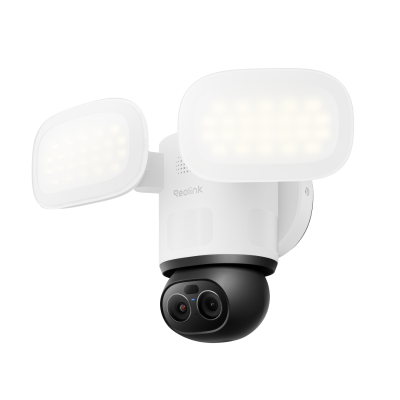
Smart 4K 360° Coverage Wi-Fi Floodlight Security Camera
Local AI Video Search, 4K 8MP Ultra HD, 360° Coverage View, 6X Hybrid Zoom, Dual-Color Floodlight.
FAQs
Which is better CCTV or burglar alarm?
The choice between a CCTV system and a burglar alarm depends on your specific security needs and preferences. It's a good idea to consult with a security professional or company that can assess your specific needs and provide recommendations based on your circumstances.
CCTV cameras are visible and act as a deterrent to potential intruders. The presence of cameras may discourage burglars from attempting a break-in in the first place. Burglar alarms are designed specifically to detect unauthorized entry or intrusion into your property. When a sensor is triggered, it activates an alarm to alert you or a monitoring service.
Do burglars avoid houses with cameras?
The answer is yes. In many cases, the presence of visible security cameras can act as a deterrent and discourage burglars from targeting a house. Studies and surveys have shown that break-ins may decrease when burglars are aware of security cameras.
Is it worth getting a burglar alarm?
Yes. Burglar alarms can act as a powerful detterent to home intrusions. They can provide an immediate response to a security breach and alert you or the authorities to take action.
Are there any security cameras that don't require a monthly fee?
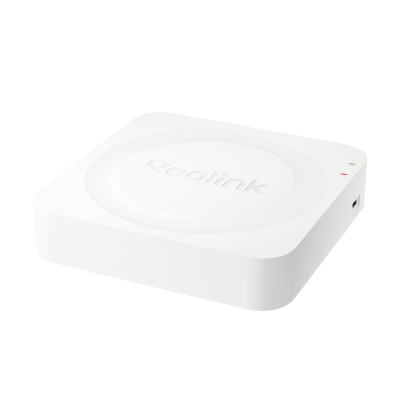
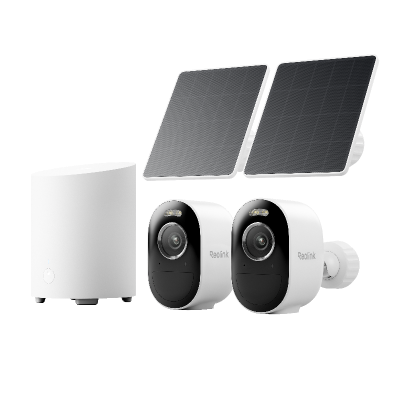
Yes. Many security cameras can work without monthly fees by storing recordings locally. Reolink cameras, for example, support local storage through a microSD card, NVR, or Home Hub, while core features such as live viewing, motion alerts, and supported smart detection are available without a subscription.
Conclusion
The choice between a security camera system and a burglar alarm depends on individual security needs, preferences, and budget considerations. Both solutions play vital roles in safeguarding homes and businesses, and their effectiveness often lies in how they complement each other.
The best approach is often a comprehensive one, where security cameras and burglar alarms work together. Do you have a security camera or a burglar alarm at home? How do you like them? Tell us your opinions in the comment section below and share this article if you find it useful!
Search
Subscribe for the Latest Updates
Security insights & offers right into your inbox