













































What Is Swatting? How Fake Emergency Calls Can Put Your Home at Risk
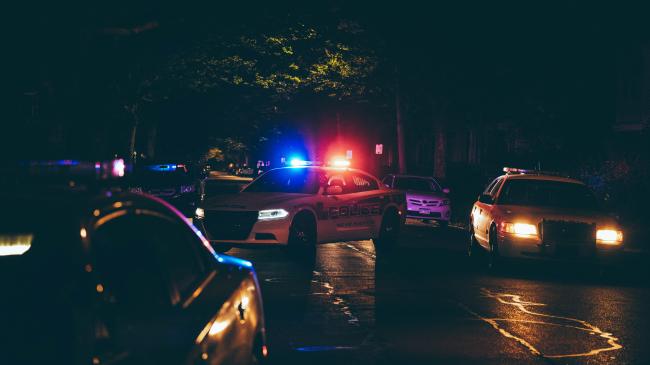
magine relaxing at home when heavily armed police officers breach your front door without warning—all because of a fake phone call. This dangerous criminal hoax is known as swatting.
Swatting begins when a caller spoofing their identity files a false 911 report alleging a violent crisis at a specific address, such as an ongoing hostage situation or gun violence. Designed to intimidate, punish, or harm the victims, swatting weaponizes emergency response teams against unsuspecting homeowners.
Because law enforcement must respond with maximum force until the scene is verified, understanding how swatting happens—and how to protect your personal address online—is vital for family safety.
What Is Swatting?
Swatting is a severe criminal hoax where a perpetrator places a fraudulent emergency call to law enforcement—falsely reporting an active violent crisis—to dispatch a heavily armed emergency response to a target's residence.
Perpetrators spoof caller ID numbers to report high-level threats such as active shooters, hostage situations, home invasions, or bomb threats. Because law enforcement agencies must treat every reported threat as real, police, SWAT (Special Weapons and Tactics) units, and emergency medical services arrive at the scene prepared for a life-or-death confrontation.
Why Swatting Is a Dangerous Home Security Threat?
Unlike standard digital harassment, swatting weaponizes public emergency services against innocent homeowners, creating immediate physical and financial risks:
-
High Risk of Injury or Casualty: Homeowners—completely unaware of the false report—are suddenly confronted by armed tactical officers ordering immediate compliance. Tragic incidents, including the fatal 2017 Wichita swatting incident, demonstrate how quickly these high-stress misunderstandings can turn deadly.
-
Property Damage: Tactical forced entries can result in destroyed doors, broken windows, breached garage doors, and property destruction—repair costs that homeowners often must pay out-of-pocket.
-
Psychological Trauma: Victims face severe emotional distress, anxiety, and trauma from having armed response teams breach their homes without warning.
-
Strain on Public Emergency Resources: According to the FBI, processing a swatting incident can cost local municipalities up to $10,000 per response, diverting vital police and medical resources away from genuine life-threatening emergencies.
What Are Federal Legal Consequences of Swatting?
Swatting is a major felony under federal and state laws. Under the Interstate Swatting Hoax Act and related federal statutes, individuals convicted of swatting face severe criminal penalties:
-
Base Penalty: Up to 5 years in federal prison for making false, high-threat emergency claims across state lines.
-
Severe Injury or Death: Up to 20 years to life in prison if a swatting hoax results in severe physical injury or death.
-
Restitution: Courts mandate full financial restitution to cover municipal response costs and property damage incurred by the victim.
Who Is Most at Risk of Swatting?
While any residence can become a target of a false emergency dispatch, individuals with a prominent online presence or exposed personal data face a significantly higher threat level. Swatting risks skyrocket when a malicious actor can link a target’s online handle, IP address, or digital persona to a physical residential address (a process known as doxxing).
1. Live Streamers & Content Creators
Live streamers on platforms like Twitch, YouTube, and Kick are frequent targets because perpetrators seek the twisted thrill of watching an armed police response unfold live on camera.
-
Live Location Signals: Fixed streaming schedules broadcast exactly when a creator is at home.
-
Environmental Leaks: Unfiltered webcams can accidentally reveal window views, unique room layouts, or outdoor landmarks that online sleuths use to pinpoint a home's location.
2. Gamers & Esports Competitors
Competitive online gaming environments carry elevated risks due to toxic swatting communities and online disputes.
-
IP Address Leaks: Peer-to-peer (P2P) multiplayer lobbies or insecure voice chat servers (like unencrypted Discord or Teamspeak channels) can leak a player’s IP address, revealing their general geographic location.
-
Gamertag Correlation: Attackers cross-reference gamertags across breach databases and social platforms to uncover real names and addresses.
3. Public Figures, Journalists, & Executives
High-profile individuals are routinely swatted by online bad actors attempting to intimidate, silence, or retaliate against them for their work or public opinions.
-
Public Entities: Politicians, investigative journalists, corporate executives, activists, and celebrities face targeted harassment from coordinated online pressure groups.
-
Public Records Exposure: Corporate filings, political donation records, and public property registries often expose physical home addresses.
4. Individuals with Exposed Personal Information (Doxxing Victims)
You do not need a massive online following to be targeted; everyday internet users often leak sensitive location data through casual social media use.
-
EXIF Metadata & Photos: Posting unedited photos containing EXIF location metadata, visible house numbers, street signs, unique architectural features, or delivery package shipping labels.
-
Real-Time Geotagging: Tagging live locations on Instagram, TikTok, or Facebook while still at the venue or home.
-
Data Brokers: Background check websites and data brokers (e.g., Whitepages, Spokeo) aggregating public records and selling physical addresses online for a low fee.
5. Small Business Owners & Remote Workers
Personal disputes with former employees, dissatisfied customers, or internet trolls can escalate into swatting calls.
- Home-Based LLCs: Small business owners who register an LLC or corporate entity using their personal residential address leave their home location publicly accessible in state Secretary of State databases.
How to Protect Yourself From Swatting?
No single step can stop every false call made against a private home. A sound plan blends web privacy, safe logins, early reports, and safer home habits.
Protect personal information
Search your name, phone, and home address through the main search sites first. The search shows which home facts a stranger can find from open web sources. Ask each site to take down old or private facts when it can.
Check all privacy settings, and do not post your exact place while away. Check each photo for house numbers, signs, papers, and delivery labels before sharing. Use a business address or post office box when that plan makes sense.
Check business records, website records, web profiles, and all public wish lists often. Ask all who live with you to use these same safe web rules.
Improve account security
Use a strong, different password for each account that holds your private facts. Keep those passwords in a trusted password manager, not in notes or texts. Add 2-step sign-in checks to email, social sites, phone, and bank accounts too.
Remove old backup emails and phone numbers when you no longer use them. Do not share a sign-in code with anyone who sends an odd request. These steps can stop hacked accounts from leaking private notes and home facts.
Contact local authorities if concerned
Call the local police line after an address leak or a clear swatting threat. Make that call as well if swatting has struck your home or firm before. Share the facts and ask how police deal with fake 911 calls near you.
Rules vary by place, but some police teams may record a warning for your home. Save each threat, screen name, date, web link, and screenshot for the police. Call 911 for a grave threat, but use local lines for less urgent concerns.
Maintain home security awareness
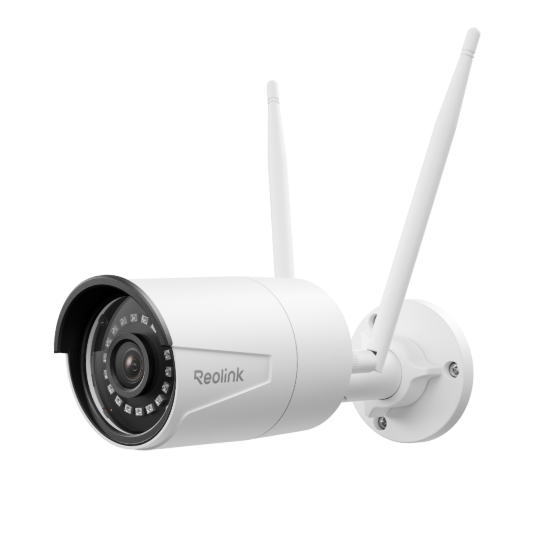
Lock all doors and windows, then add bright lights by each outside door. Place home cameras near main doors and spots that need a clear view. Make a home plan for sudden police visits caused by false 911 calls.
Everyone at home should stay calm, show both hands, and do what police say. Teach children not to run toward police or argue during a sudden visit.
Can Security Cameras Help Prevent or Mitigate Swatting?
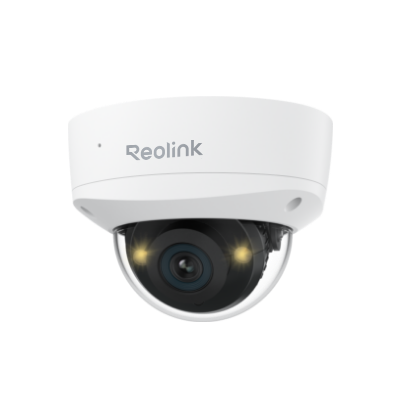
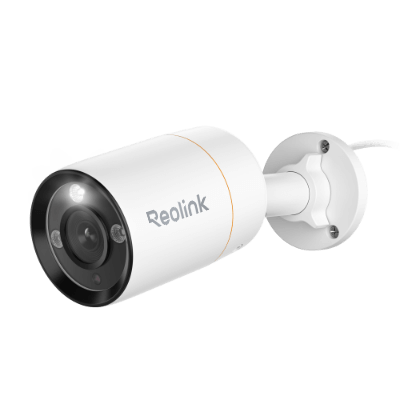
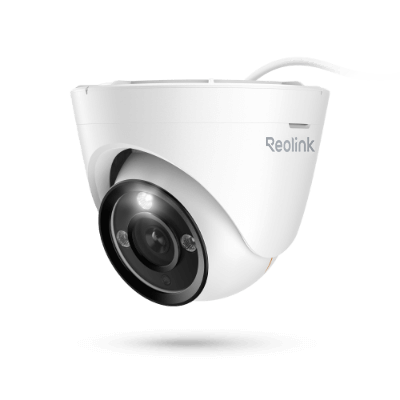
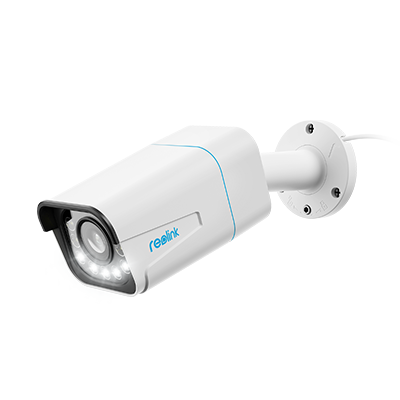
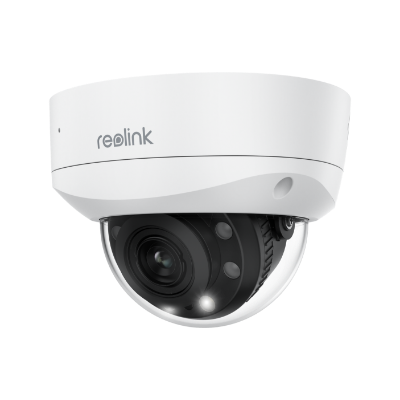
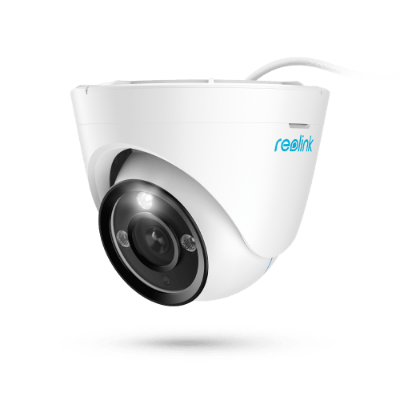
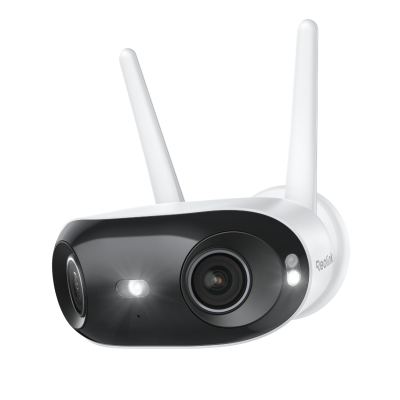
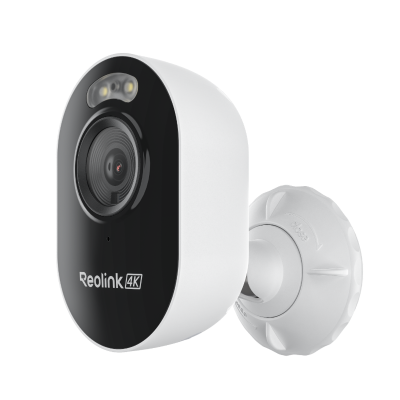
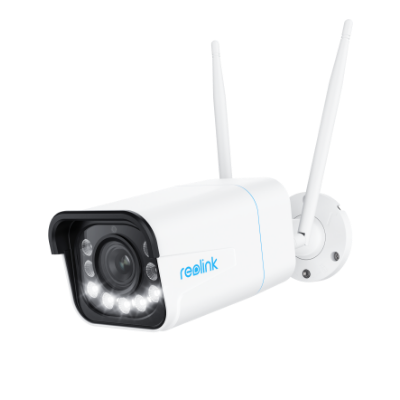
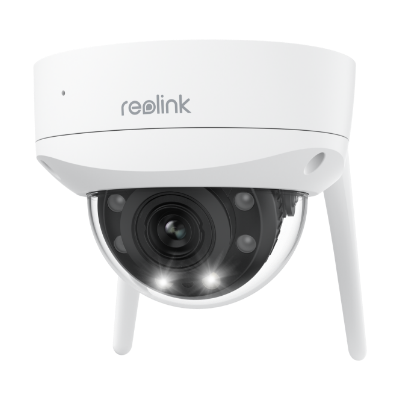
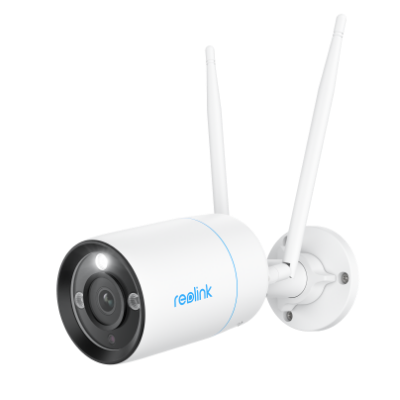
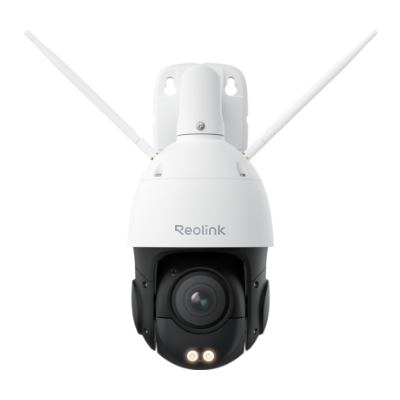
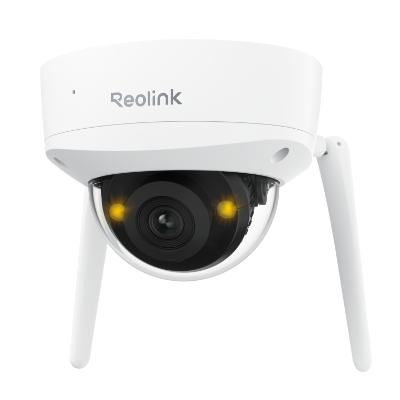
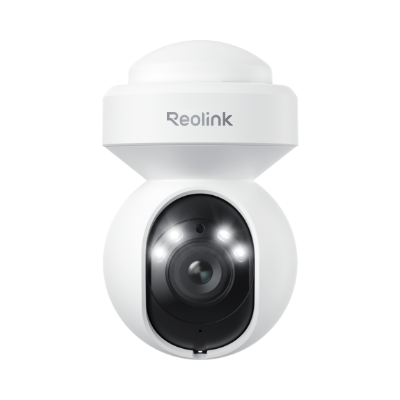
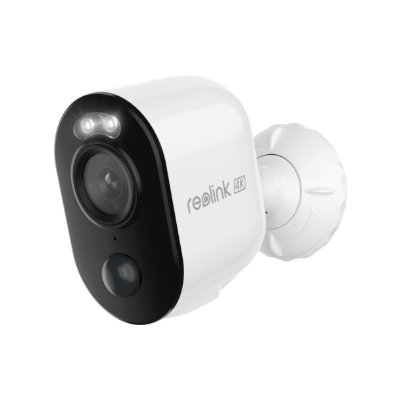
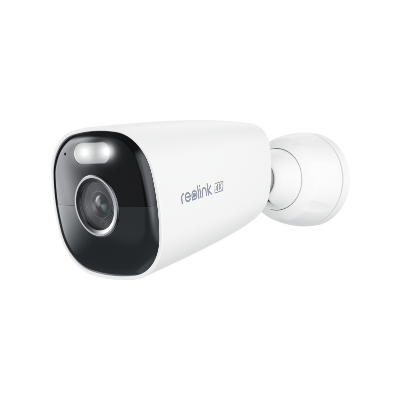
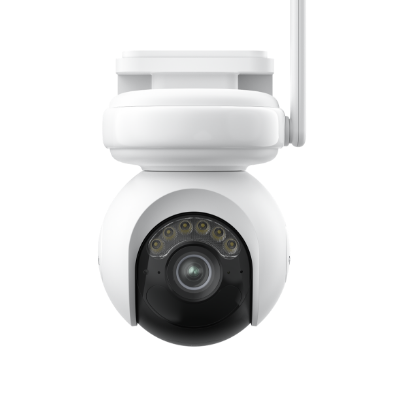
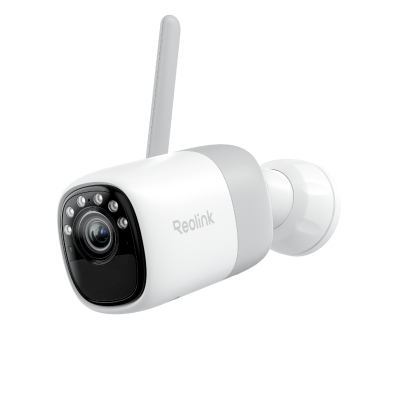
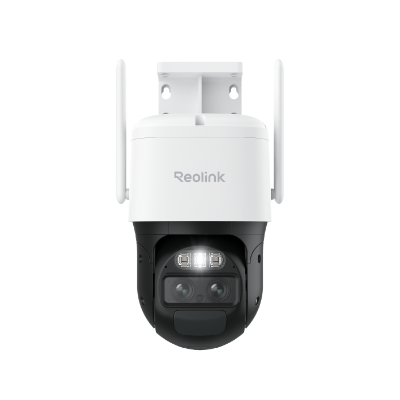
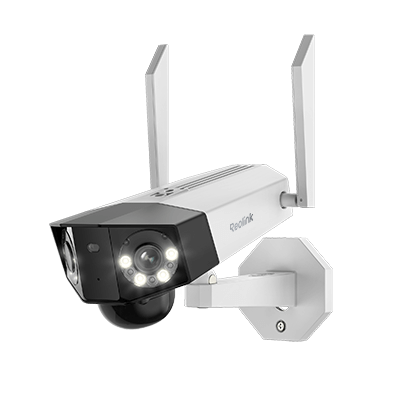
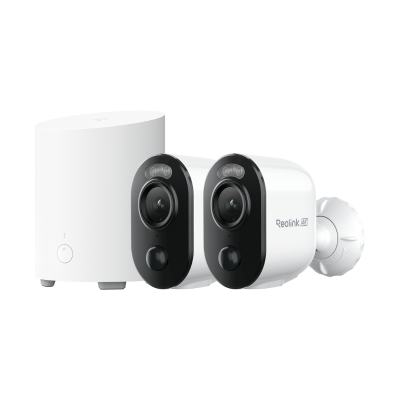
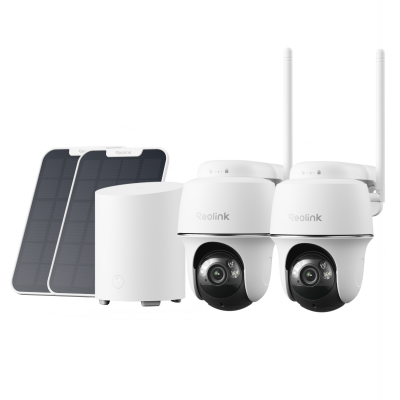
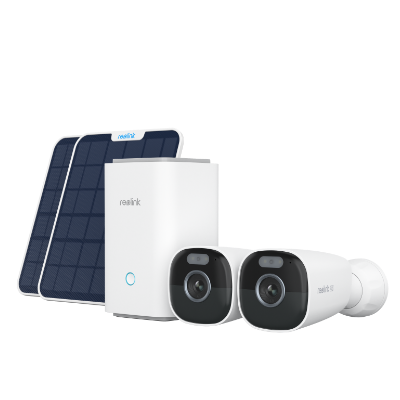
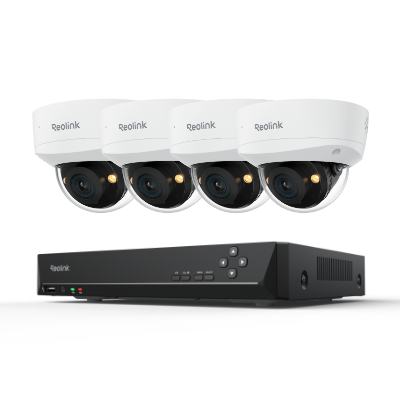
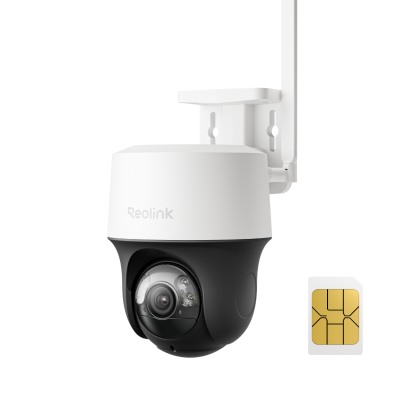
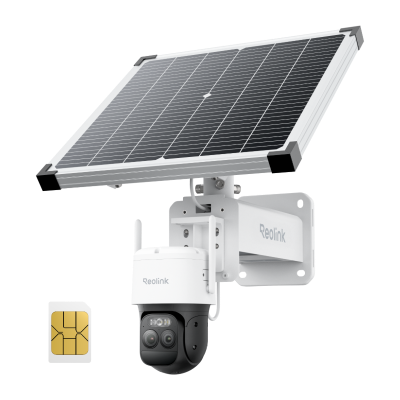
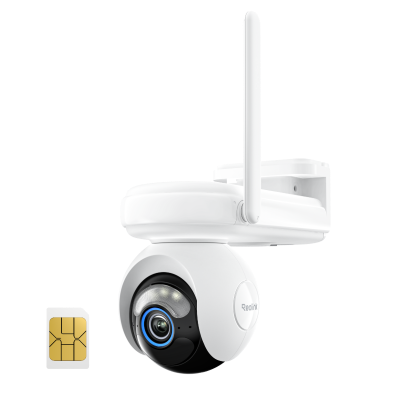
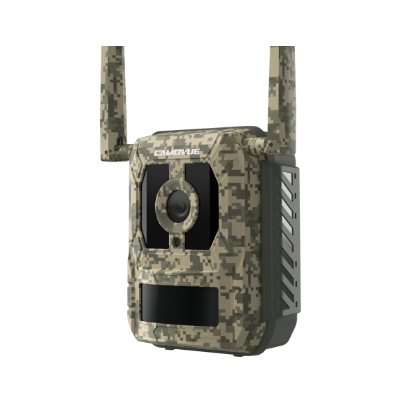
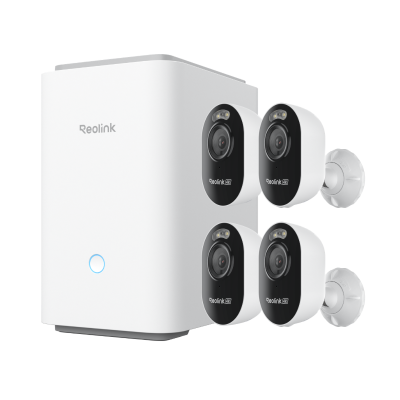
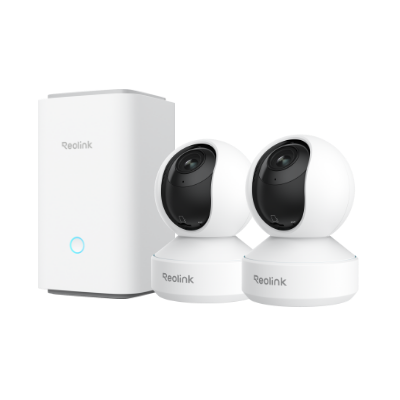
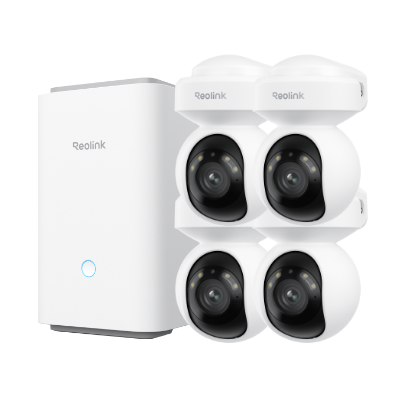
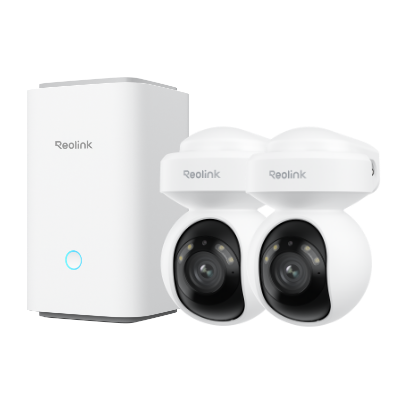
While security cameras cannot stop a perpetrator from making a fraudulent 911 call, they serve as a critical tool for real-time situational awareness, evidence preservation, and fast incident de-escalation.
Knowing what security cameras can—and cannot—do helps homeowners use surveillance technology effectively during a emergency response:
1. Real-Time Situational Awareness Before Opening Doors
If tactical officers or police arrive at your property, opening the front door abruptly can trigger a high-stress confrontation.
-
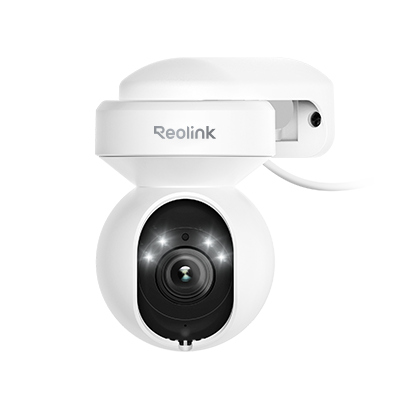
Live Feed Sweeps: Smart security cameras allow you to check live video feeds from your phone, smart display, or monitor before approaching a door or window.
-
Identify Law Enforcement: Verify whether uniformed officers or tactical units are outside your perimeter, giving you time to prepare for a calm, compliant response.
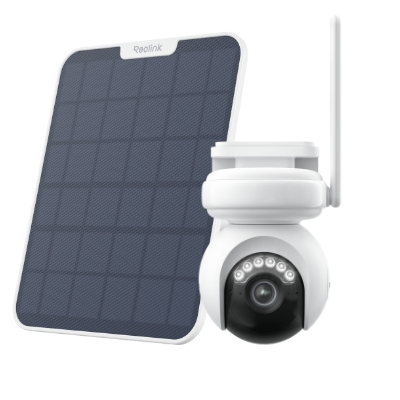
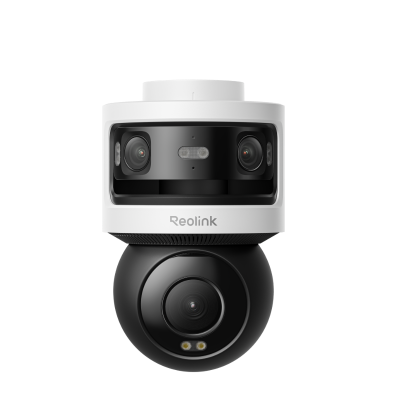
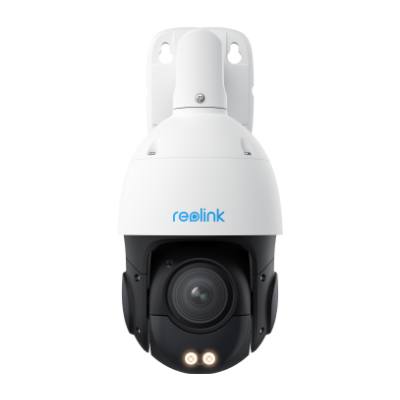
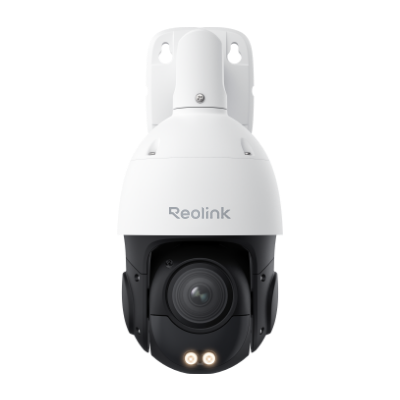
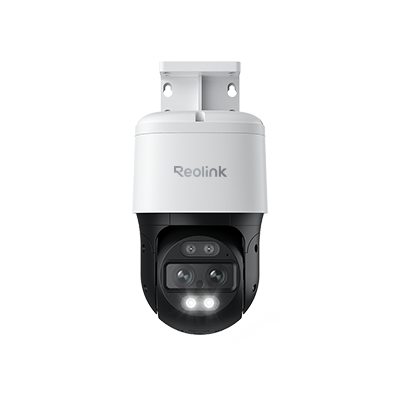
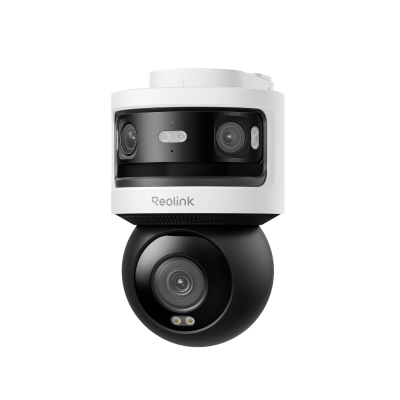
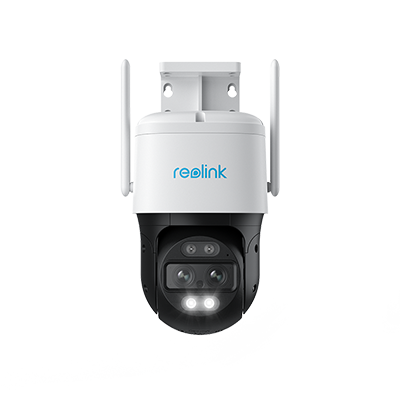
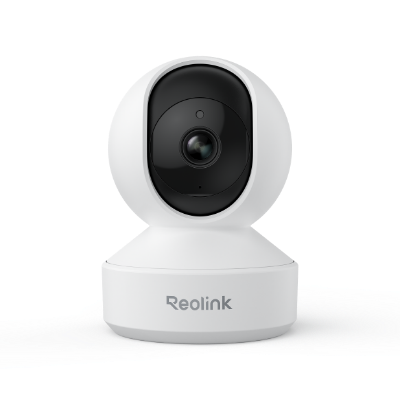
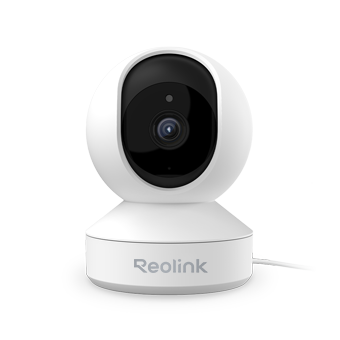
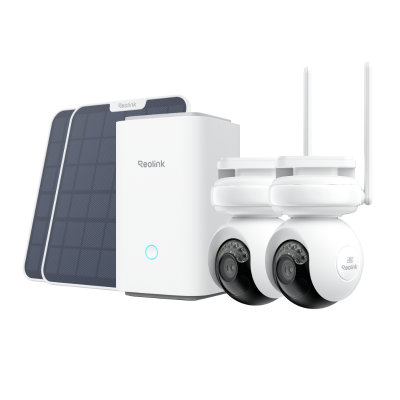
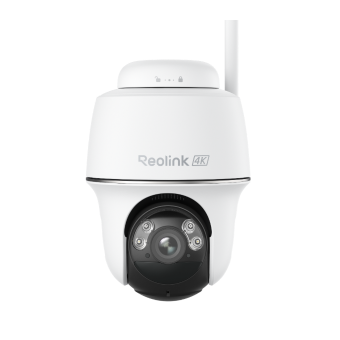
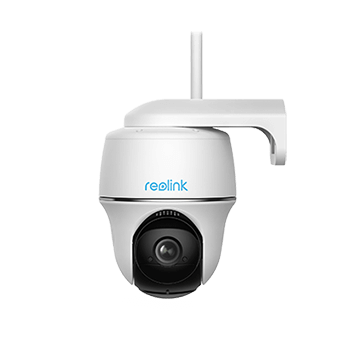
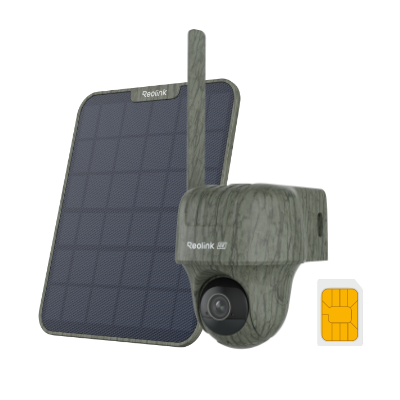
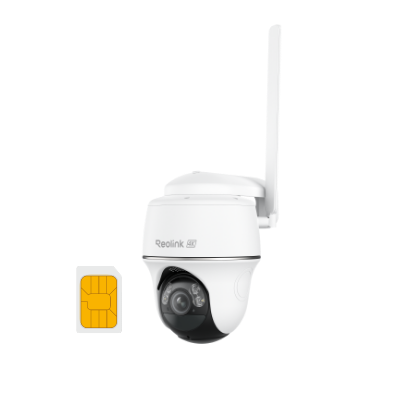
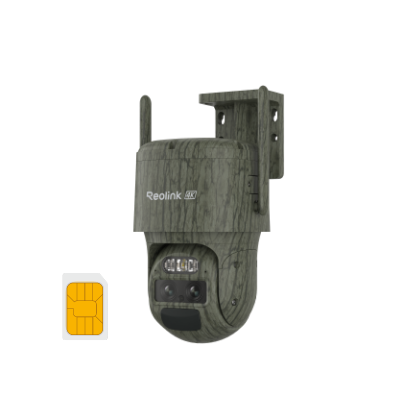
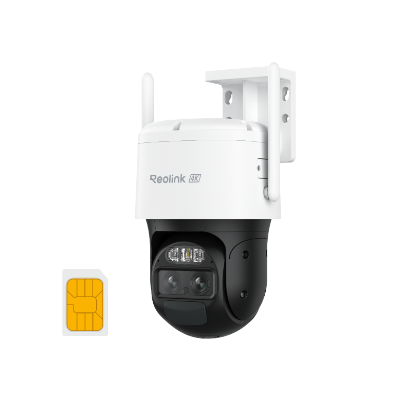
4K Battery-Powered PTZ Camera with Continuous Recording
👍 4K UHD video with continuous recording
👍 ColorX night vision in low light
👍 Pan, tilt, and automatic person tracking
👍 Local storage without monthly fees
2. Safe De-Escalation via Two-Way Audio
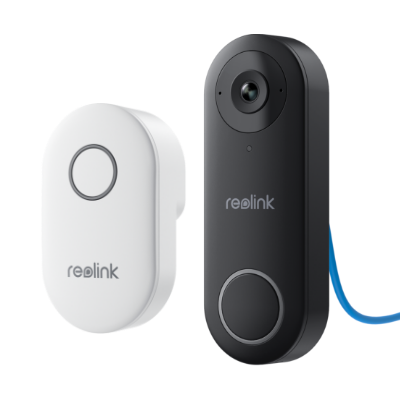
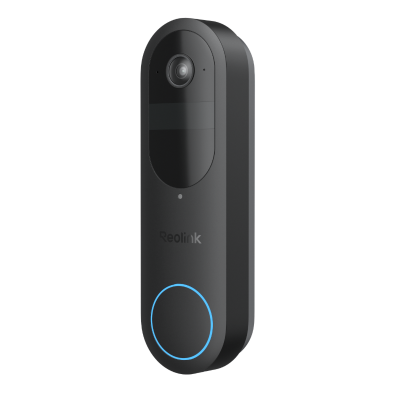
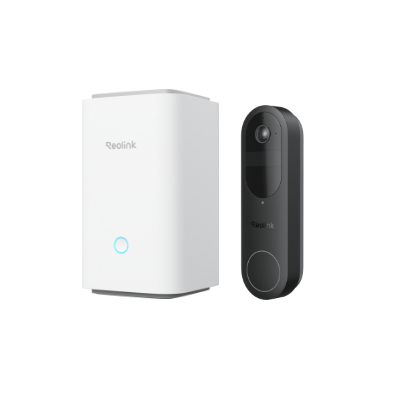
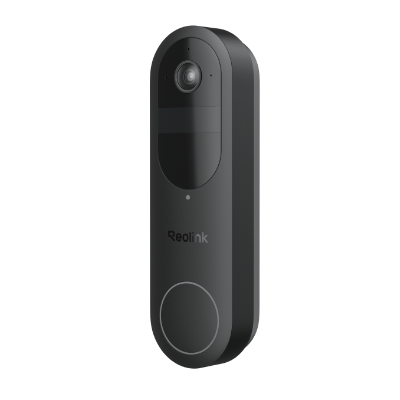
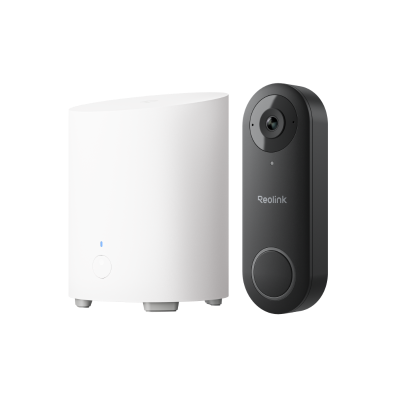
Interacting directly through an entry point camera or video doorbell provides a safe barrier for communication.
-
Inform Officers From Inside: Use two-way audio to announce to officers that you are unarmed, alone or with family, coming out slowly with hands visible, and that the 911 report is a fraudulent swatting attempt.
-
Hands-Free Safety: Communicating through a video doorbell or camera speaker prevents misinterpretations before you physically exit the home.
3. Proof of Reality and Video Evidence
A primary challenge during a swatting incident is proving to responding officers that no active violent crime is occurring inside.
-
Internal Camera Verification: If you have opted-in interior security monitors or smart hubs, showing live indoor camera feeds to law enforcement can quickly prove that no hostages, injuries, or active threats exist inside the home.
-
Documenting Police Action & Property Damage: Exterior and interior cameras record the entire encounter—documenting officer conduct, timestamps, and any forced entry property damage needed for legal claims or police department reviews.
4. Critical Technical Steps for Camera Owners
To ensure camera footage is legally admissible and useful during a post-incident investigation:
-
Synchronize Timestamps (NTP): Ensure your security camera system's clock is synchronized via Network Time Protocol (NTP) so timestamps match official 911 call logs exactly.
-
Enable Off-Site Cloud Storage: Use encrypted cloud storage or redundant local backups so footage remains secure even if local recording equipment (NVRs/DVRs) is powered off or damaged during an inspection.
What to Do During a Swatting Incident?
A swift police visit may cause deep fear and shock in any home. Calm behavior can show police that people inside pose no real threat to them.
-
Stay calm: Stay calm, and do not run, move fast, or reach into a pocket. Keep both hands clear and in view, then ask all others to stay still. Tell police in a calm voice that the call may have been a lie.
-
Follow responder instructions: Do what police say, even when a step seems harsh or hard to grasp. Do not argue or reach for your phone unless the police ask you. Tell police about children, pets, health needs, and all people inside the home.
-
Report the incident afterward: When it ends, ask for the police report number and unit handling the case. Keep all threats, account records, call details, screenshots, and saved camera clips together.
FAQ
What does swatting mean?
Swatting means using a fake crisis call to send police to someone's address. The false call may name a home, firm, work site, or some other place.
Is swatting illegal?
Swatting may break federal, state, and local laws through one false call alone. Charges may cover false reports, threats, harassment, conspiracy, or harm from the police visit. A court may make the caller pay all costs for the police visit.
Can security cameras prevent swatting?
Cameras cannot stop false calls, but they can keep useful proof for police. Cameras work best in a broad plan that keeps web and home facts safe.
How do I protect my home from swatting?
Limit public access to home facts, lock accounts, save threats, and call police. Teach all people at home to stay calm if police come with no warning.
Conclusion
One false call can put those at home and rescue crews in true danger. Safe web habits, locked accounts, saved threats, and early police contact can cut risk.
Cameras keep proof, while calm behavior helps police keep each home visit safe. These steps help homeowners, rescue crews, and people who need quick help nearby.
Search
Subscribe for the Latest Updates
Security insights & offers right into your inbox