








ULEZ Cameras Explained: Everything You Need to Know

ULEZ cameras play a key role in London’s Ultra Low Emission Zone. They help enforce rules that cut down vehicle air pollution. This article tells you everything about ULEZ cameras and where they are. You will learn their locations, how they work, why London uses them, where they sit, and why some people dislike them.
What Are ULEZ Cameras?
ULEZ carbon tracking cameras are special tools that enforce London’s Ultra Low Emission Zone rules. They snap pictures of vehicle license plates in the zone. A system checks if these vehicles meet pollution standards. If a vehicle fails, the driver gets a fine. These cameras focus on pollution, not traffic or crime, unlike regular security cameras.
How Does a ULEZ Camera Work?
These cameras use Automatic Number Plate Recognition or ANPR. This system takes a photo of a vehicle’s license plate as it passes. The camera sends the photo to a computer right away. The computer looks up the plate in a Transport for London (TfL) database. This database shows each vehicle’s pollution level.
The system checks if the vehicle meets ULEZ pollution rules. These rules limit how much pollution a vehicle can make. Diesel cars face stricter limits than gasoline cars, for example. If the vehicle passes, nothing happens. If it fails, the system flags it as non-compliant, and the driver gets a fine by mail.
These cameras work fast. They check thousands of vehicles daily. You’ll find them on poles or buildings, taking pictures non-stop. This setup keeps the rules fair for all drivers in the zone.
Why Use ULEZ Carbon Tracking Cameras?
London struggles with air pollution. Vehicles release harmful gases that hurt health and the environment. ULEZ cameras tackle this problem. They enforce pollution rules and push drivers toward cleaner vehicles. Here’s why London uses them and how they help:
- Cleaner Air: Such cameras cut gases like nitrogen dioxide and tiny particles from exhausts. They block high-pollution vehicles, making the air cleaner in busy areas.
- Better Health: Dirty air causes breathing issues, heart problems, and early death. These cameras lower pollution, helping kids, older adults, and people with lung issues the most.
- Pushing for Greener Vehicles: Cameras fine drivers of old, dirty cars. This encourages people to buy cleaner cars or use buses, bikes, or walking. Over time, London gets cleaner.
- Helping the Planet: Vehicles make carbon dioxide, which warms the Earth. The use of ULEZ limits these emissions, supporting efforts to slow climate change.
ULEZ Camera Locations: Where Are They Found?
The Ultra Low Emission Zone is huge. Knowing their locations helps drivers understand the system. This section explains where they are and what the ULEZ covers.
Transport for London sets up cameras across the zone. They sit at entrances, exits, major roads, and busy intersections. The cameras catch vehicles entering, leaving, or moving inside the zone. You might see them on poles, traffic lights, or buildings. TfL keeps exact spots secret but targets high-traffic areas.
The ULEZ now covers all 32 London boroughs and the City of London. This big zone started on August 29, 2023. It spans nearly 1,500 square kilometers, reaching close to the M25 highway. Even Heathrow Airport lies inside it. The ULEZ runs 24 hours a day, every day except Christmas Day. The cameras never stop watching.
No one knows if the ULEZ will grow. TfL might expand it if pollution stays bad or new rules come. For now, they focus on making the current zone work. Cameras across Greater London ensure drivers follow rules everywhere.
What Happens If You’re Caught on ULEZ Camera?
Drivers need to know what happens if a ULEZ catches them. This section explains fines for rule-breaking vehicles and how to check for penalties.
If a ULEZ camera snaps a vehicle that doesn’t meet pollution rules, the driver owes a fee. The fee is $16 per day (about £12.50). Drivers must pay by midnight on the third day after driving in the zone. If they miss this, TfL sends a Penalty Charge Notice or PCN. This fine jumps to $230 (£180). Paying within 14 days drops it to $115 (£90). The vehicle’s owner gets the bill, even if someone else drives.
Drivers can check fines online with a TfL tool. They enter their license plate number on the TfL website. The tool shows if their vehicle meets ULEZ rules and if they owe money. Checking often stops surprise fines, especially for frequent zone drivers.
Why ULEZ Cameras Are Sparking Controversy?
ULEZ cameras clean the air, but they upset some people. Opinions differ, and not everyone likes them. Here are the main reasons for arguments:
- Cost Hits Drivers Hard: The $16 daily fee adds up for owners of older vehicles. Some say it hurts workers or families who can’t buy new cars. They feel it punishes poorer people while richer drivers pay easily.
- Privacy Worries: Cameras watch vehicles all the time. Some drivers dislike this. They ask who sees the data and how long TfL keeps it. Though the cameras target pollution, people fear tracking.
- Does It Really Work: Critics wonder if ULEZ cuts pollution or shifts it elsewhere. They note other sources like factories or buses that cameras ignore. Some think it unfairly targets drivers.
- Anger and Damage: A few people hate the cameras so much they break them. These vandals, called “blade runners,” cut wires or smash lenses to protest. This shows how mad some drivers are.
Are Standard CCTV Cameras Used in ULEZ Zones?
London has tons of cameras. People wonder if regular security cameras also act as ULEZ ones. This section clears up the difference. Regular CCTV cameras watch streets for safety and traffic. They spot crimes or accidents but don’t check emissions.
Some cameras might do double duty, like enforcing ULEZ and congestion charges. But these are special, not typical CCTV. Regular security cameras stick to their tasks. Both systems work together in London, each doing its job.
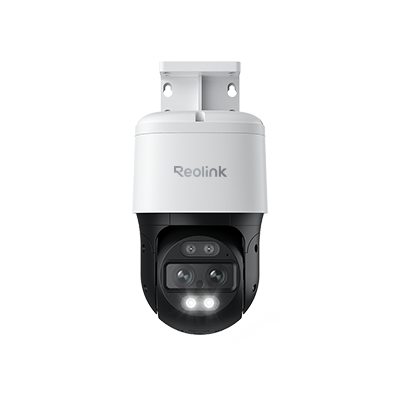
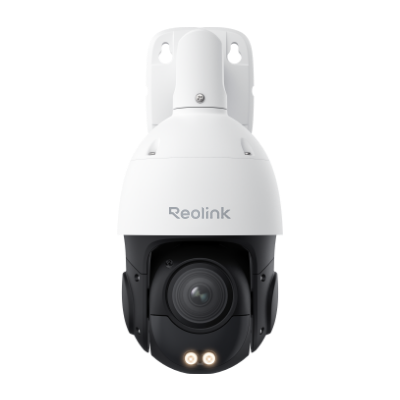
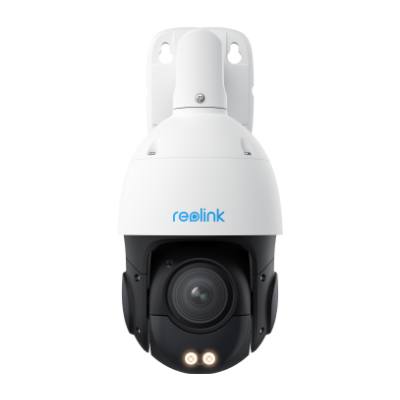
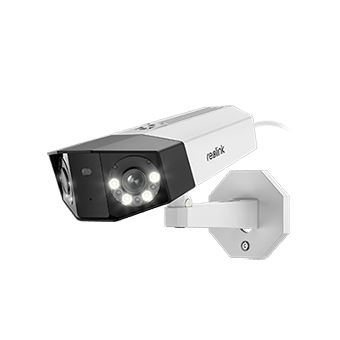
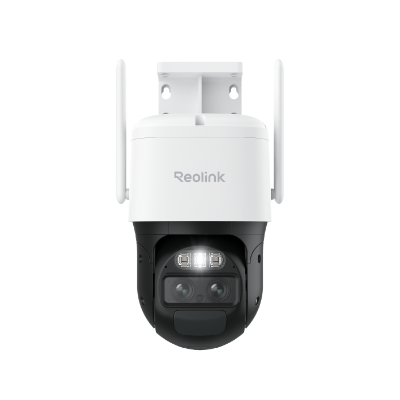
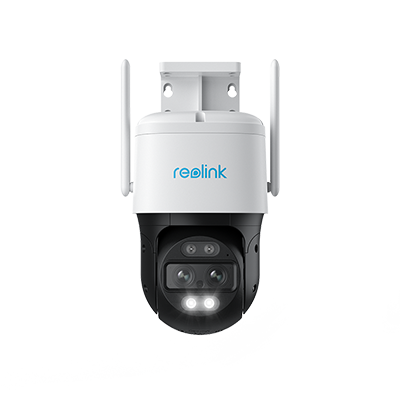
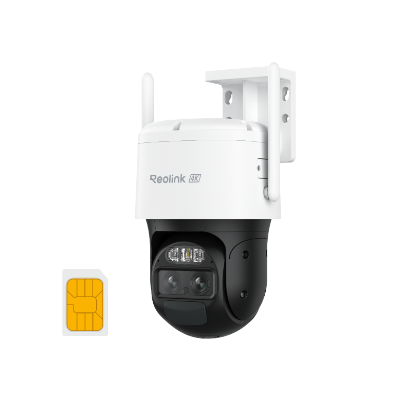
4K Dual-Lens PTZ Camera with Dual Tracking
4K 8MP Ultra HD, Wide & Telephoto Lenses, Pan & Tilt, Auto-Tracking, Person/Vehicle Detection, Power over Ethernet, Two-Way Audio.
FAQs
Why Are ULEZ Cameras Being Vandalized?
Some people hate the ULEZ so much they wreck the cameras. They cut wires or break lenses to fight the daily fees. These vandals often think fines are too high or see the cameras as too controlling. Their actions show public anger.
How Do I Know If I’ve Been Caught on a ULEZ Camera?
If a camera catches a vehicle breaking rules, TfL mails a fine to the owner. Drivers can also check online with TfL’s vehicle checker. They type their license plate to see if they owe anything or if their vehicle passes.
Which Way Do ULEZ Cameras Face?
ULEZ cameras usually face oncoming traffic. They snap front license plates as vehicles enter the zone. Some point at exits or sit along roads to catch plates from other angles. TfL places them where they’re needed most.
Conclusion
ULEZ cameras enforce London’s Ultra Low Emission Zone rules. They aim to clean the air and protect health. They use ANPR to check vehicle pollution, sit across Greater London, and fine rule-breakers. They cut pollution and push for greener vehicles, but they spark debates over cost, privacy, and fairness.
This article covers all you need about ULEZ cameras. It explains how they work, where they are, and why they matter to drivers and residents. Share your thoughts on ULEZ and its cameras.
Search
Subscribe for the Latest Updates
Security insights & offers right into your inbox