
Top 3 Security Cameras with Remote Viewing
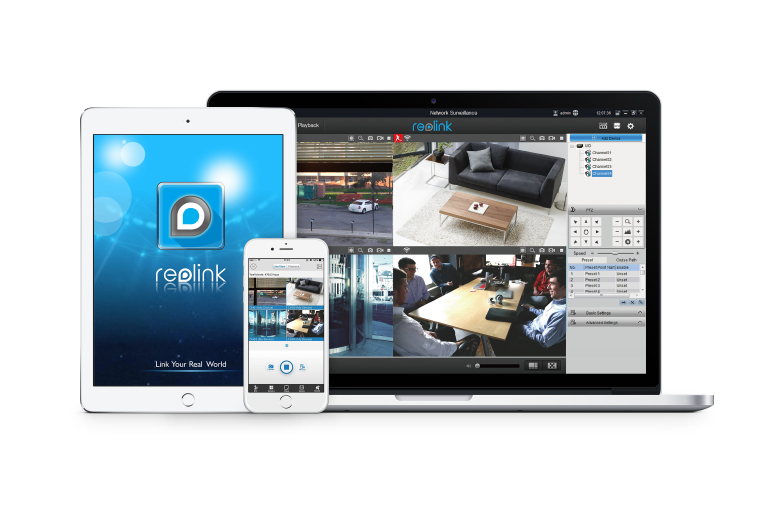
Remote viewing allows you to monitor live security camera feeds from anywhere via a smartphone app, PC client, or web browser. The right setup depends on whether you have a stable Wi-Fi signal, existing wiring, or prefer local video storage to avoid subscription fees.
Security camera remote viewing is essential when you need to keep tabs on your home or monitor your business while away. By using encrypted Peer-to-Peer (P2P) data transmission, these systems send live video directly to your devices, requiring only a cellular or Wi-Fi network connection to grant you instant peace of mind.
This guide breaks down the basics about security cameras with remote viewing and helps you choose the right setup.
- How Do Remote Security Cameras Work?
- What Are Common Types of Security Cameras with Remote Viewing?
- 3 Key Features to Look for in the Best Remote Camera
- 3 Best Security Cameras with Remote Viewing for Different Needs
- How to Set Up Remote Viewing for Your Security Cameras?
- 3 Common Mistakes to Avoid When Using Remote Camera Monitoring
- Real-World Study Case: Why Users Need Remote Monitoring and Control for CCTV Cameras
- Final Buyer's Decision Table
- FAQs
- Conclusion
How Do Remote Security Cameras Work?
Remote security cameras work by capturing video footage and sending it to a connected device, such as a smartphone, tablet, computer, NVR, or cloud server. Once the camera is connected to the internet through Wi-Fi, Ethernet, PoE, or 4G LTE, users can view live video, receive motion alerts, and play back recordings from almost anywhere.
What Are Common Types of Security Cameras with Remote Viewing?
Choosing the right remote viewing security camera depends entirely on where you need to install it and how you plan to power it. Instead of a one-size-fits-all model, remote security cameras are categorized by their power source, connectivity, and specific functionality.
Here are the five primary types of remote surveillance setups you can choose from:
1. Battery-Powered Wireless Cameras (Best for Flexibility)
Battery-powered cameras offer a 100% wire-free setup, making them ideal for renters or areas where drilling and running power cords isn't an option.
These cameras connect directly to your smartphone via Wi-Fi and setup takes just minutes. You simply download a free mobile app, scan the camera's QR code, and establish a secure password to access your live feed from anywhere.
To maximize battery life, this type of remote camera stays in a low-power standby mode until motion is detected. Continuous remote viewing on a desktop PC or web browser is typically restricted, as prolonged live-streaming will drain the battery rapidly.
2. Indoor Plug-In Cameras (Best for Smart Home Integration)
Indoor plug-in cameras provide continuous power for 24/7 remote monitoring, making them perfect for high-traffic living spaces, pet monitoring, or nurseries.
Because they plug directly into a standard power outlet, you never have to worry about battery failure. Many advanced indoor models include remote pan-and-tilt features, allowing you to control the camera's field of view directly from your phone app.
Most indoor remote cameras feature built-in microphones and speakers. This allows you to listen in and talk back remotely—whether you are comforting a child, checking in on pets, or issuing a verbal warning to an intruder.
3. Outdoor Wi-Fi Security Cameras (Best for Perimeter Defense)
Outdoor Wi-Fi cameras combine the ease of wireless data transmission with a permanent power source to deliver uninterrupted 24/7 outdoor surveillance.
By connecting over your home's Wi-Fi network, these cameras eliminate the need to run messy data cables through your exterior walls. They are heavily weatherproofed to withstand rain, snow, and extreme temperatures while keeping a constant eye on your property.
High resolution and robust night vision are crucial for outdoor remote viewing. Crisp clarity ensures that when you access your stream from a distance, you can actually zoom in to capture usable details.
4. PTZ (Pan-Tilt-Zoom) Power-over-Ethernet Cameras (Best for Wide Area Coverage)
PTZ cameras allow you to remotely rotate the lens horizontally, tilt it vertically, and zoom in digitally—all through your remote viewing application.
Many heavy-duty PTZ cameras use Power-over-Ethernet (PoE) technology. PoE transmits both power and high-speed data over a single network cable, matching the convenience of wireless systems without risking Wi-Fi interference or dropouts. This setup allows you to scan expansive yards, driveways, or commercial spaces from your smartphone screen with total precision.
5. Multi-Camera NVR Systems (Best for Whole-Home & Business Security)
Network Video Recorder (NVR) systems centralize multiple remote cameras onto a single local storage drive, allowing you to manage your entire property without a subscription fee.
If you need to monitor more than two or three locations at once, an NVR system is the most efficient choice. Instead of connecting individual cameras to your Wi-Fi network and toggling between multiple standalone devices, the NVR centralizes all feeds into a single software dashboard. It records continuously in ultra-high-definition, provides unified local storage privacy, and leaves extra channels open so you can expand your security perimeter as your needs grow.
3 Key Features to Look for in the Best Remote Camera
When shopping for a security camera with remote viewing, it is easy to get overwhelmed by spec sheets. However, if you want a reliable connection and a lag-free experience when you are away from home, you should prioritize these three critical features:
1. AI-Powered Motion Detection & Smart Alerts
Basic motion sensors send dozens of exhausting false alarms a day; AI-driven detection ensures you only get notified on your phone when a real threat or event occurs.
Traditional cameras trigger an alert anytime a shadow shifts, wind blows through trees, or a bug flies past the lens. When you are away and relying on remote viewing, constant false alarms cause "notification fatigue," leading you to ignore your phone entirely.
- Person, Vehicle, and Package Detection: The best remote cameras utilize on-board AI algorithms to instantly differentiate between background movement and true objects of interest. This means your phone only buzzes if a delivery driver drops off a package, a car pulls into your driveway, or a trespasser steps onto your porch.
2. Flexible Storage Options: Local (No Subscription) vs. Cloud
Remote access shouldn't trap you into a mandatory monthly fee; look for cameras that offer secure local storage alongside cloud options to maintain full privacy and zero ongoing costs.
Many security brands lock remote viewing and playback features behind expensive monthly subscription paywalls. To avoid this, prioritize cameras built with decentralized or localized storage infrastructure.
- Local MicroSD & NVR: Choosing a camera that supports high-capacity microSD cards or plugs directly into a Network Video Recorder (NVR) keeps your data entirely in your hands. You get full remote playback and live viewing capabilities through the companion app without ever paying a subscription fee.
3. High Resolution (2K/4K) with Smart Stream Customization
High-definition video is useless if it freezes on your phone; look for high-resolution cameras (2K or 4K) that offer adjustable streaming profiles to match your mobile network speed.
When monitoring your home from afar, you need enough pixel clarity to zoom in and identify faces or read license plates clearly. While 1080p is acceptable for small indoor rooms, outdoor perimeters require 2K or 4K resolution to provide actionable details.
- Dual-Stream Functionality: Streaming raw 4K video over cellular data can result in heavy buffering, lag, or data overage fees. The best remote viewing cameras feature smart stream switching within their apps. They let you view a low-bandwidth, lag-free "Fluent" stream while on mobile data, while simultaneously saving the crisp, uncompressed ultra-HD "Clear" footage to the local storage drive for later review.
3 Best Security Cameras with Remote Viewing for Different Needs
To narrow down your search, we have selected three top-performing remote viewing security hardware options designed for distinct real-world installation scenarios.
1. Best Wire-Free Option for Renters: Reolink Argus 4 Pro
The Reolink Argus 4 Pro offers complete placement flexibility with zero wires, delivering instant remote viewing directly to iOS and Android devices via quick app setup.
The camera relies entirely on rechargeable battery power, avoiding the need to drill holes or modify a property's exterior walls. After placing the batteries, downloading the mobile companion app, and establishing a secure network password, your live stream is available within minutes. This makes it an ideal choice for monitoring entryways, porch deliveries, or outdoor gardens from anywhere in the world.
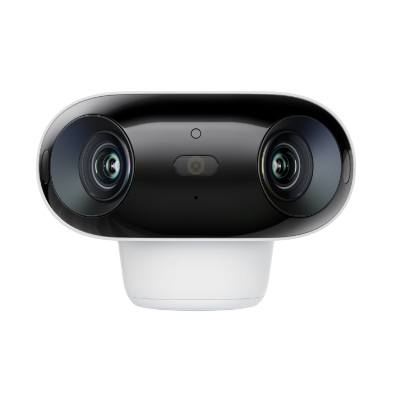
4k 180° Wire-free Color Night Vision Camera
4K UHD 180° Blindspot-free View; Color Vision Day and Night; 30% More Battery Life; Dual-band Wi-Fi 6; Smart detection.
2. Best for Indoor Smart Home Use: Reolink E1 Pro Indoor Wi-Fi Camera
The Reolink E1 Pro features motorized pan-and-tilt control alongside integrated two-way audio, making it the preferred choice for monitoring children, pets, and indoor high-traffic zones.
Equipped with plug-in continuous power, this camera runs 24/7 without the risk of battery death. Through the remote application, users can manipulate the physical position of the camera lens to eliminate room blind spots.
The system features an on-board microphone and speaker system. If an unexpected activity triggers an alert on your smartphone while you are out, you can instantly establish a live audio bridge to issue vocal warnings or speak with family members directly.
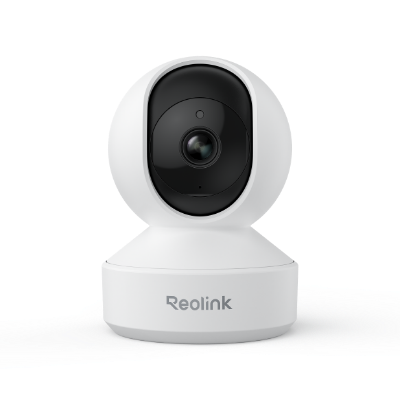
Smart 5MP Wi-Fi PT Indoor Security Camera
Crying Detection for Baby Monitoring; Smart Detection & Auto Tracking; 360° Coverage with Pan & Tilt; 5MP Super HD.
3. Best for Complete Multi-Camera Protection: Reolink RLK8-800B4 Remote Video System
The RLK8-800B4 is an 8-channel Power-over-Ethernet (PoE) system featuring 4K resolution, continuous local recording, and central remote stream aggregation for homes or businesses.
For users who need comprehensive perimeter defense across multiple zones, a standalone camera is rarely enough. This system bundles a dedicated Network Video Recorder (NVR) with high-definition PoE outdoor cameras. Instead of taxing your Wi-Fi network with multiple wireless video streams, each camera routes data and power over a single ethernet line back to the central hub.
The included NVR handles continuous recording and secures footage to a built-in local hard drive with no monthly data storage fees. The companion viewing software allows you to log in to a single portal and monitor all camera channels simultaneously, rather than switching back and forth between isolated device profiles.
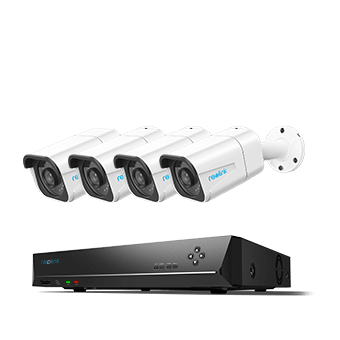
4K 8-Channel PoE Security System
4 pcs 4K Ultra HD Security Cameras; 2TB HDD 8-Channel NVR for 24/7 Recording; Person/Vehicle Detection; Plug & Play; 2 Network Solutions.
How to Set Up Remote Viewing for Your Security Cameras?
You can access your security camera feeds remotely through three platforms: a mobile app (iOS/Android), desktop client software (PC/Mac), or a standard web browser. Setting up remote access takes fewer than three minutes and requires no monthly configuration fees.
While third-party platforms like Blue Iris are compatible with standalone IP cameras, using the official manufacturer software (such as the free Reolink App and Client) ensures a plug-and-play setup with native encryption and optimized streaming performance.
Step 1: Secure Mobile App Access (iOS & Android)
To monitor your property while on the go, a mobile configuration is the fastest method.
- Download the free Reolink App.
- Launch the app while your phone is connected to the same local network (Wi-Fi) as your camera. The app will automatically detect your available hardware.
- Create a unique, secure password for the first-time initialization to protect your streams from unauthorized access.
- Tap your camera's name to instantly access the live feed over local Wi-Fi or cellular data.
Step 2: Establish Desktop Access (PC, Mac, or Web Browser)
For long-form monitoring or viewing camera grids on a larger screen, desktop integration is highly effective.
-
Via Dedicated Client Software: Download the free Reolink Client software onto your computer. Launch the program, log in with the device password you created, and the centralized dashboard will display your live multi-camera feeds.
-
Via Web Browser (No Plug-ins Required): Open your preferred web browser (such as Chrome, Safari, Firefox, or Edge). Type your remote security camera's local IP address into the URL address bar, enter your credentials on the secure login screen, and view your stream directly on the web interface.
Step 3: Zero-Configuration Peer-to-Peer (P2P) Activation
If you are using Reolink cameras or multi-camera NVR systems, you do not need to deal with complex manual network configurations like port forwarding or dynamic DNS (DDNS).
The hardware features pre-configured P2P technology. Once you establish your secure administrator password during step 1 or 2, the client software automatically handles the background handshakes required to safely stream video across external networks.
3 Common Mistakes to Avoid When Using Remote Camera Monitoring
1. Relying on High Resolutions Without Considering Storage Capacity
Streaming and recording in 2K or 4K delivers exceptional clarity, but it creates massive file sizes that can quickly overwhelm your storage or exhaust your mobile data plan.
A common pitfall is configuring a remote camera to its highest resolution for continuous recording without assessing storage limitations. Ultra-HD video files fill up standard microSD cards within a matter of days, forcing the system to overwrite old footage that you might still need.
2. Ignoring Wi-Fi Signal Strength at the Final Mounting Location
A security camera might work perfectly during setup next to your router, but it will drop its remote viewing feed if mounted in a dead zone with weak wireless signal strength.
Many users complete the initial software pairing indoors and immediately bolt the camera to an exterior wall or a distant fence. Exterior building materials like brick, concrete, and stucco significantly degrade wireless signals.
3. Mismanaging Remote Viewing on Battery-Powered Model
Treating a wire-free, battery-powered camera like a hardwired system by leaving the live feed open on a desktop screen will completely drain the power cell within days.
Battery-powered remote cameras are structurally engineered to remain in a low-power standby state until an AI sensor or motion event wakes them up. They are optimized for brief, transactional remote check-ins via a smartphone.
Attempting to force a battery camera to stream continuously to a web browser or desktop monitor completely circumvents its power-saving design. This continuous data transmission forces the camera to run hot, depleting a battery intended to last months in just a few short weeks—an issue that compounds severely during cold winter weather.
Real-World Study Case: Why Users Need Remote Monitoring and Control for CCTV Cameras
Real user discussions show that remote monitoring is one of the most practical reasons people upgrade their CCTV camera systems.
In r/homesecurity, a homeowner’s old DVR system stopped working before a vacation. They did not need advanced features at first; they simply wanted to check their house remotely for peace of mind while they were away. However, the old setup required manual IP access and No-IP configuration, which felt too complicated for a non-technical user.
Another user shared a different but common problem. Their battery cameras only recorded short motion clips, required frequent battery replacement, and could not provide continuous 24/7 recording. What they really wanted was a system that could record all day, support remote viewing from a phone, keep working when Wi-Fi was unreliable, and also display footage on a monitor or TV when needed.
These real-world cases show that a modern CCTV camera system should offer more than basic recording. Users need remote access to check their property anytime, continuous recording to avoid missing important moments, local storage for stable video history, and flexible viewing through mobile apps, monitors, or TVs. For homes, pets, vacation properties, and small businesses, remote monitoring and control turn CCTV cameras from passive recorders into active security tools.
Final Buyer's Decision Table
To help bring further clarity to what’s best for you, we created a Buyer Decision Table to make it easier for you to compare remote viewing choices with confidence.
FAQs
Can you view security cameras remotely?
Yes. Most modern security cameras support remote viewing through a mobile app or desktop client. Once the camera is connected to the internet, you can open the app to watch live video, receive motion alerts, play back recorded footage, and in some cases control features like pan, tilt, zoom, siren, spotlight, or two-way audio. Reolink, for example, offers wireless security camera systems with remote viewing and local storage options.
How much does a wireless security camera system with remote viewing cost?
A wireless security camera system with remote viewing can cost anywhere from under $100 for a single camera to several hundred dollars for a multi-camera system with an NVR or hub.
The final price depends on the number of cameras, video resolution, night vision type, storage method, battery or plug-in power, and whether the system includes a recorder. For example, a Wi-Fi NVR or 4-camera wireless NVR kit usually costs more upfront than a single battery-powered camera, but it can provide centralized storage and easier 24/7 recording.
Can I view footage remotely without a subscription?
Yes. Many security cameras allow remote live view without a subscription, and some systems also let you play back recorded footage remotely when videos are saved locally. With Reolink local storage cameras, footage can be stored on a microSD card, Home Hub, or NVR, so users do not need to pay monthly fees for basic recording and playback.
Conclusion
To conclude, choose a remote CCTV camera to get remote control for home, an HD remote surveillance camera to monitor your outdoor area, and set up a remote camera system to gain access to your home, business as well as other places together.
If you have other demands, please leave us a message on the comment area, we will definitely find a customized solution for you.
Search
Subscribe for the Latest Updates
Security insights & offers right into your inbox