















Home Automated Systems: Enhance Your Smart Home
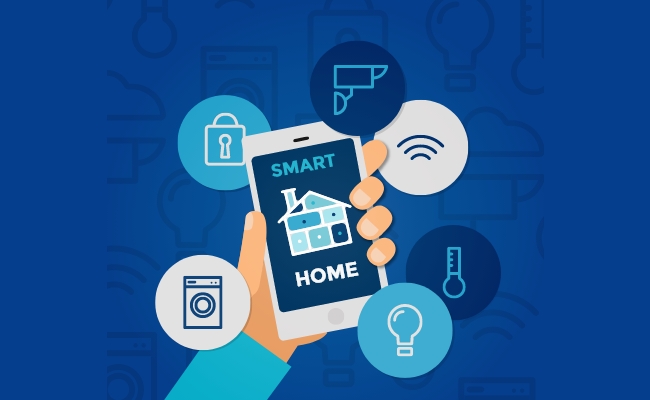
The integration of home automated systems produces three beneficial results. These include increased comfort through efficiency while offering powerful security measures. Combining technological elements within household operations produces simpler, more efficient daily routines.
Automated home systems are necessary for contemporary living because they enable users to control lights, secure their property, and manage power consumption. This article details the selection of automated systems found in homes, their operational mechanisms, market-available products, and guidance on selecting the proper system for residential electronics.
What is an Automated Home System?
Home automation systems work as interconnected networks between home appliances and devices that users can operate through automation and remote-control functions. Households use technology to operate different home elements, including security protocols, temperature control, lighting systems, and entertainment amenities.
Homeowners gain convenient control over their environment through centralized hubs and smartphone applications that connect all devices. Such systems aim at making home life simpler, safer, and more energy efficient.
Types of Home Automated Systems
The market offers different versions of automated home systems that address particular requirements. Several main kinds of home automation systems exist as follows:
Automated home security systems
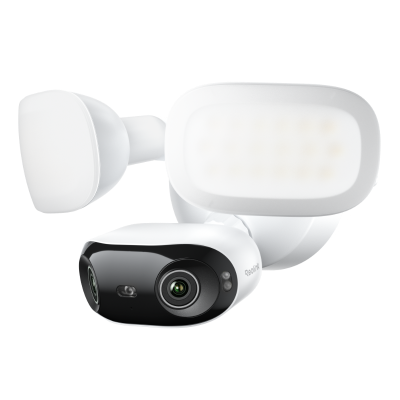
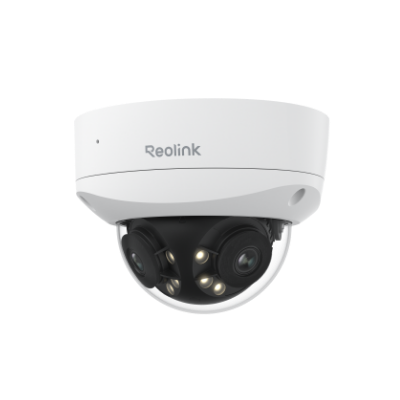
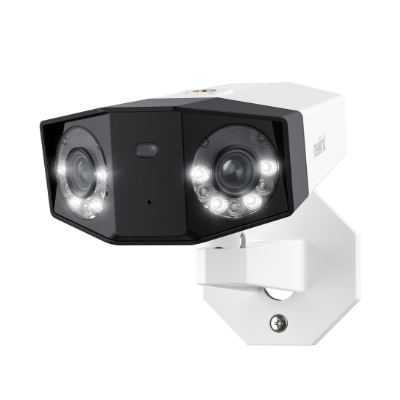
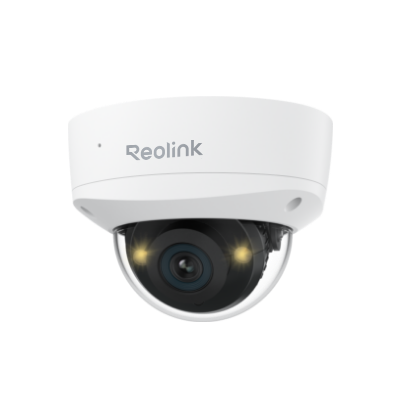
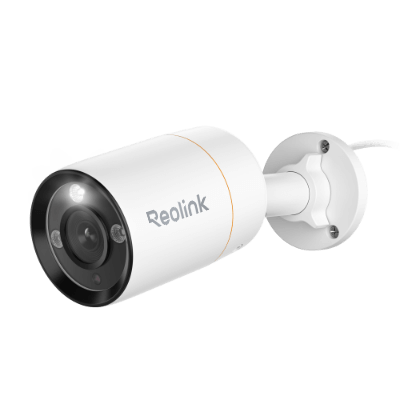
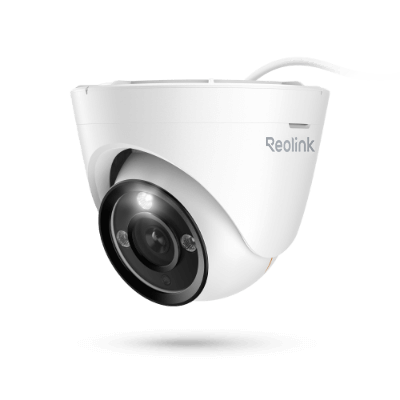
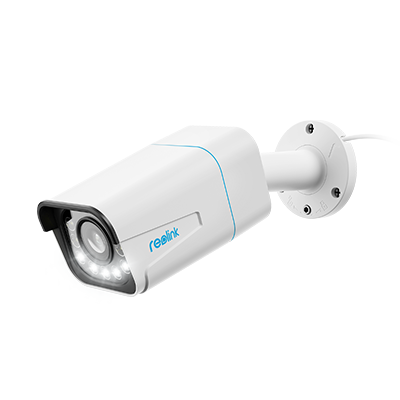
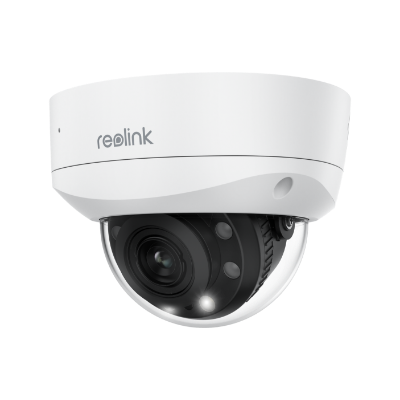
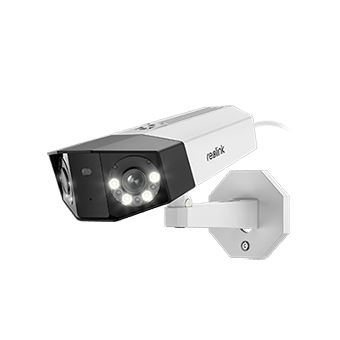
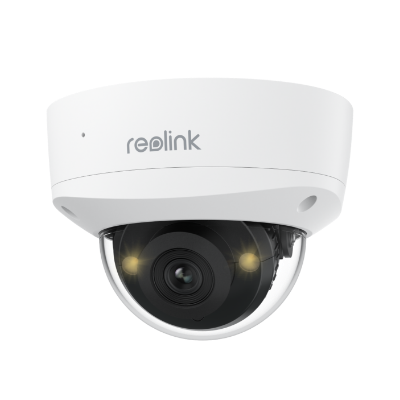
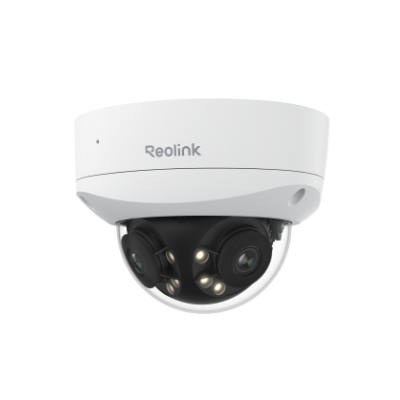
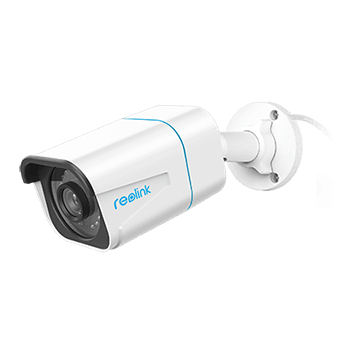
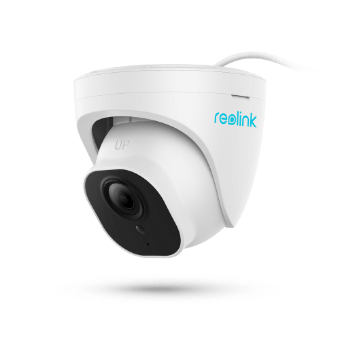
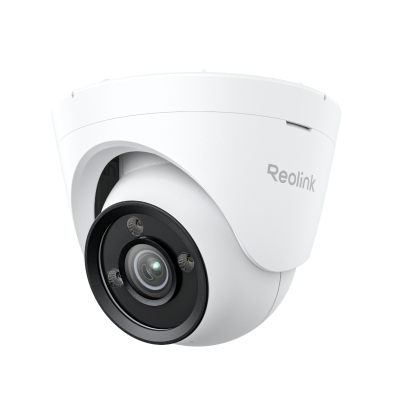
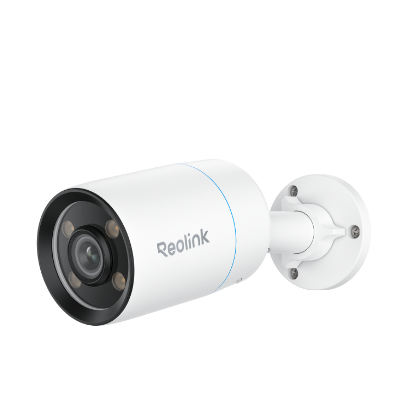
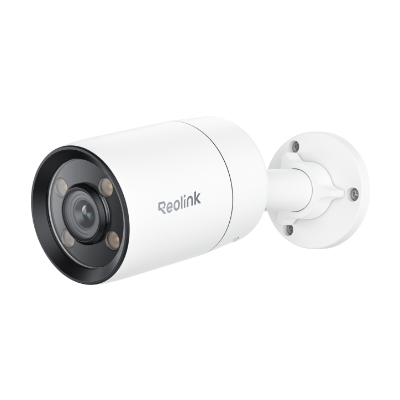
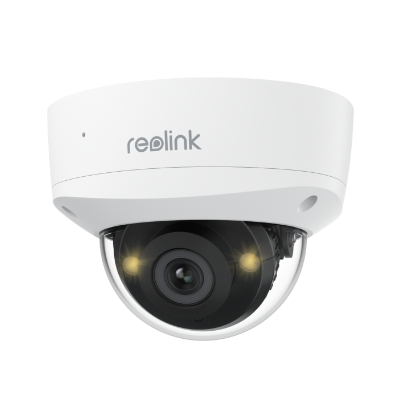
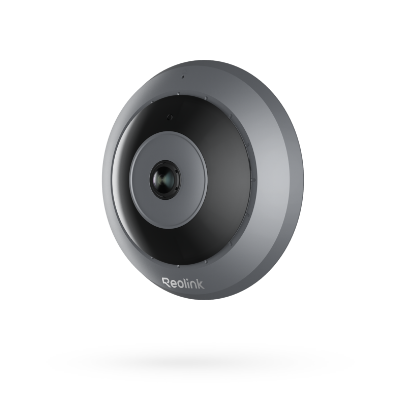
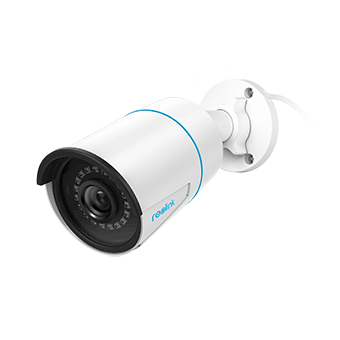
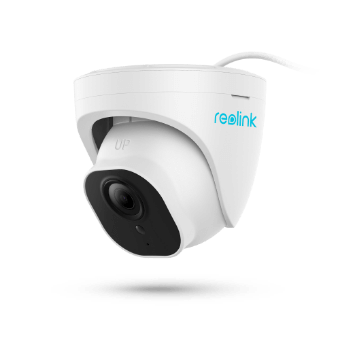
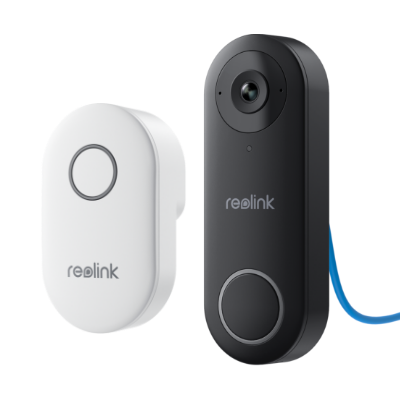
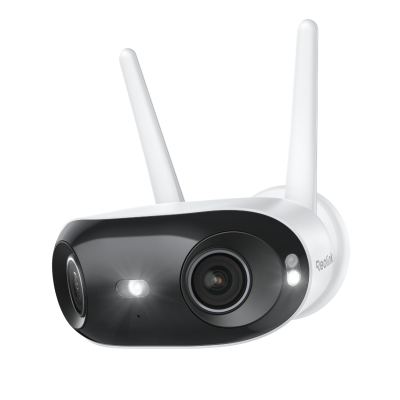
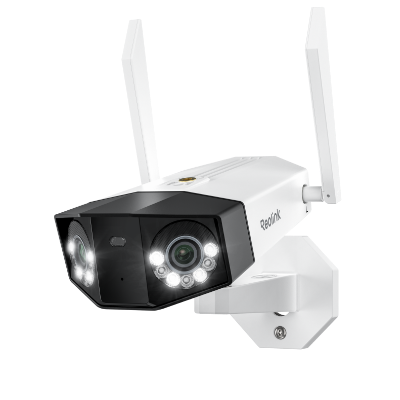
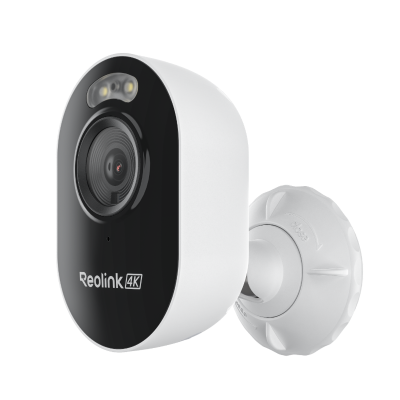
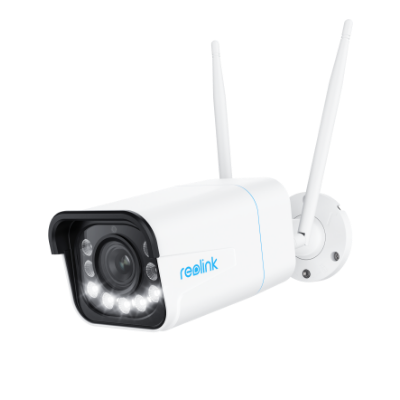
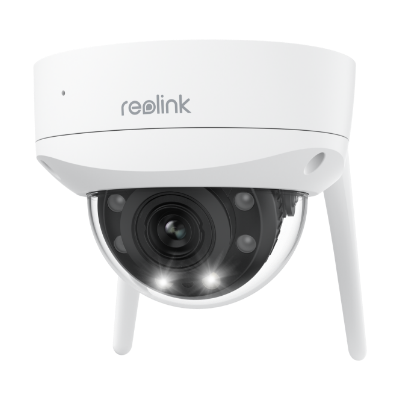
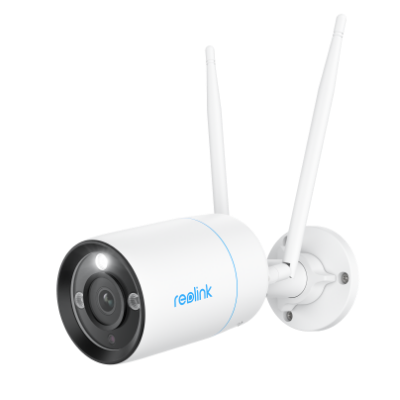
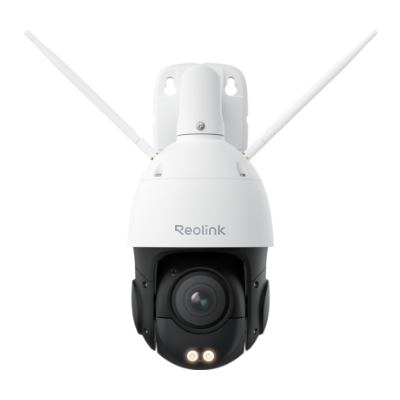
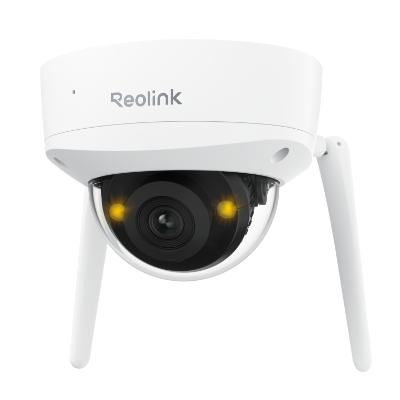
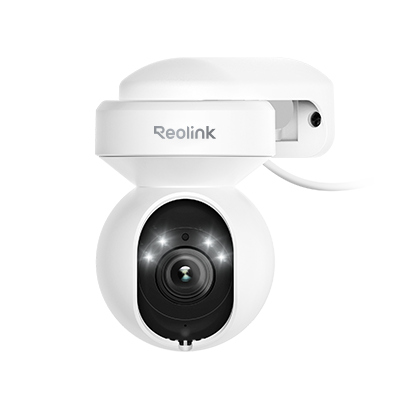
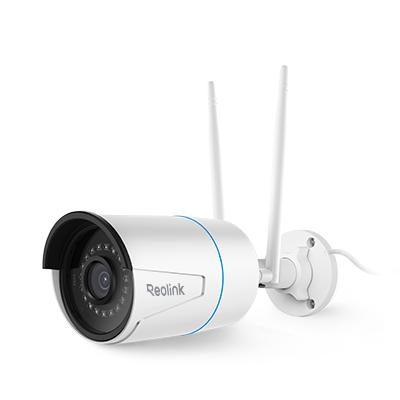
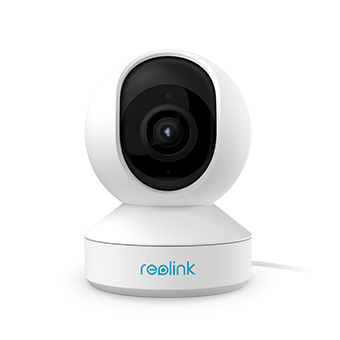
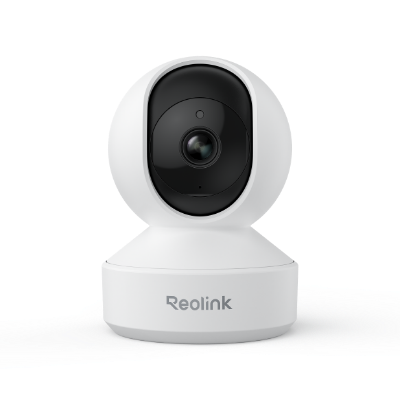
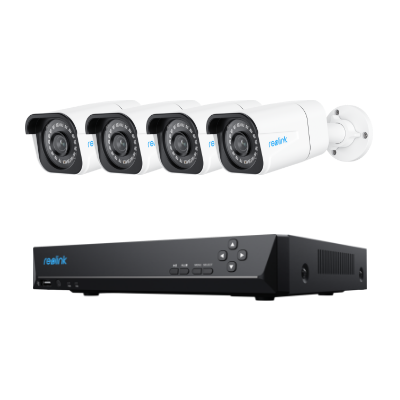
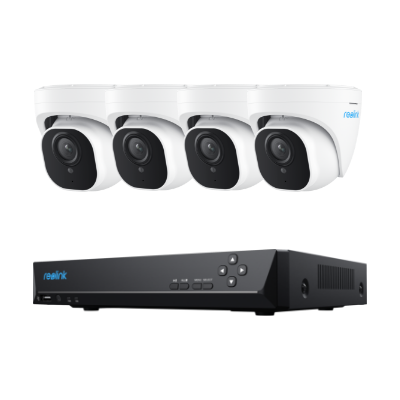
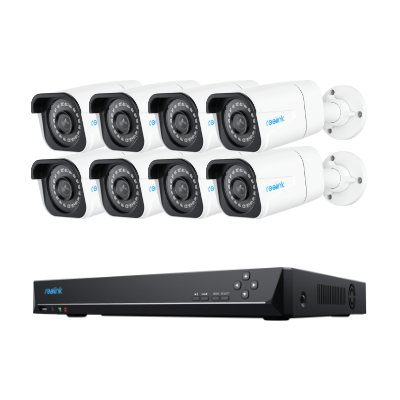
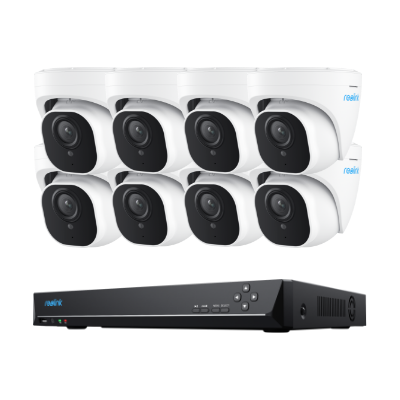
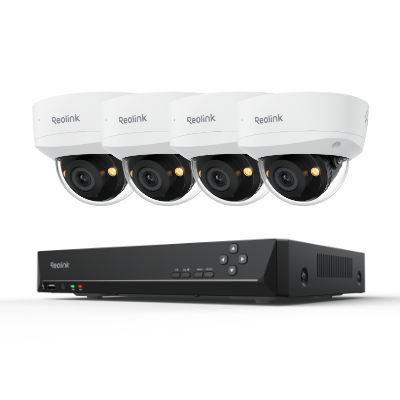
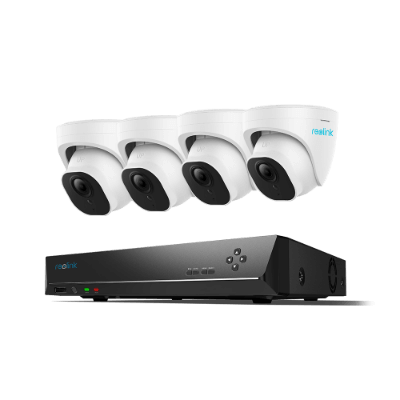
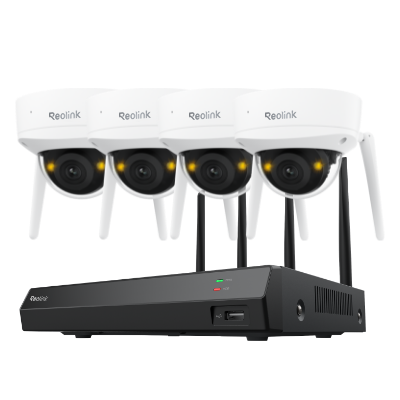
Home security automation provides your house with improved defense capabilities. The system features are surveillance cameras, motion detectors, and smart locks. A smartphone application lets you view your premises in real-time while feeling at ease regardless of your distance from the house.
The automation system issues instant phone alerts whenever it notices suspicious behavior. Advanced security systems offer emergency service integration and an extra user protection feature.
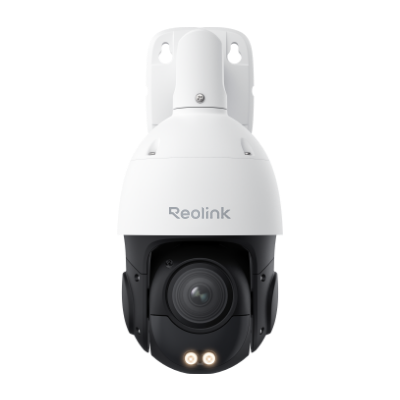
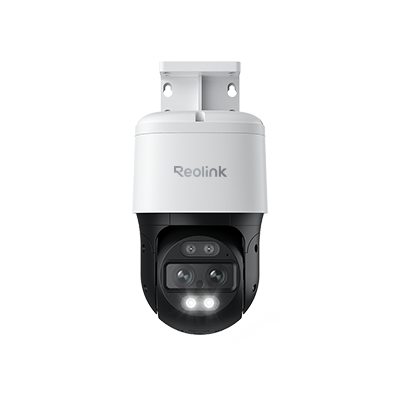
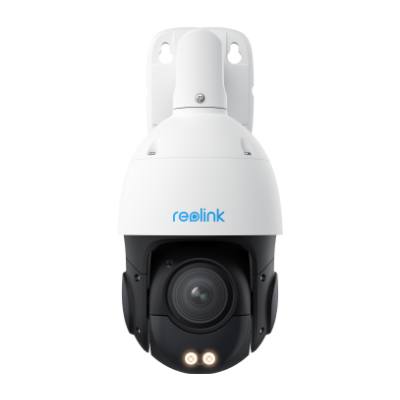
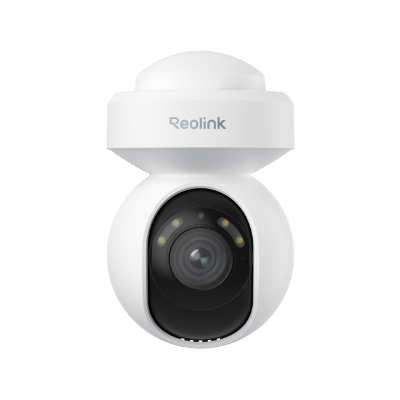
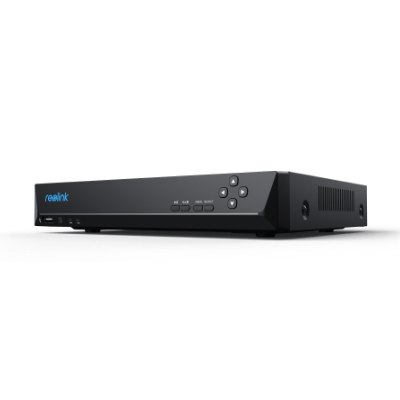
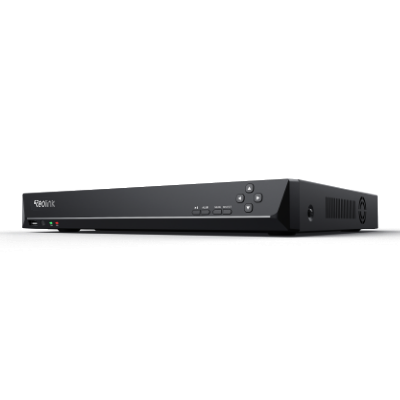
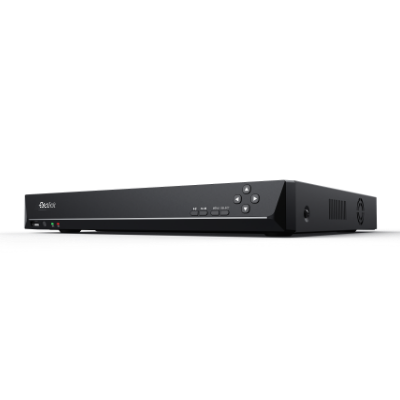
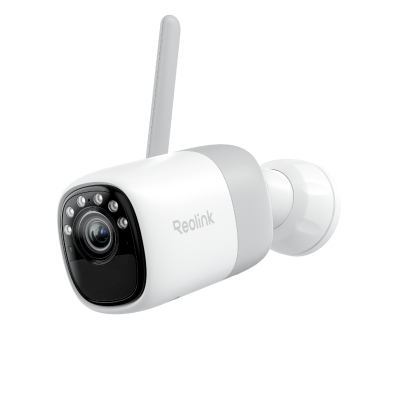
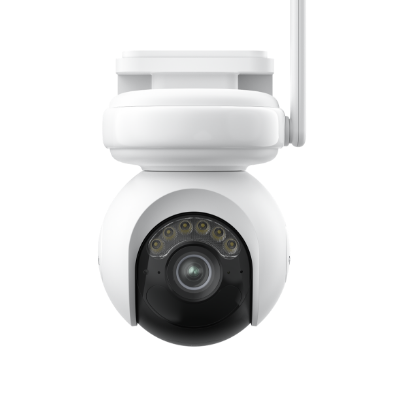
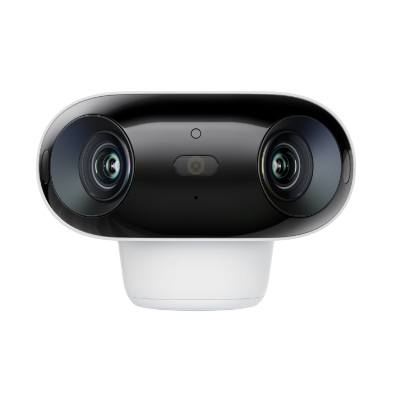
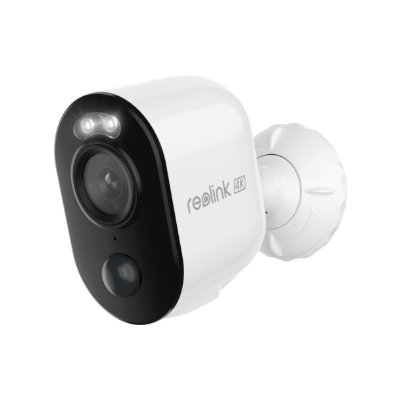
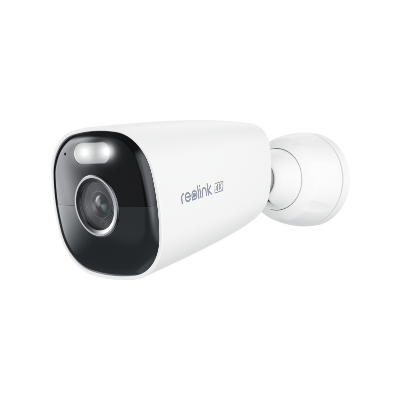
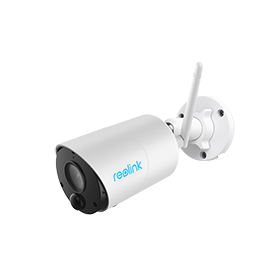
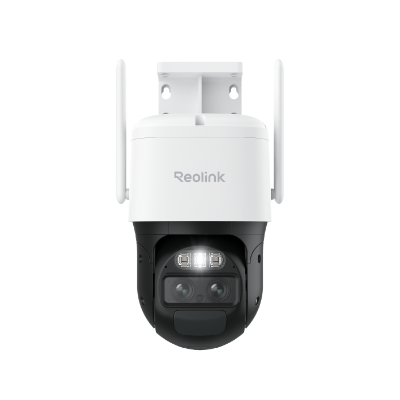
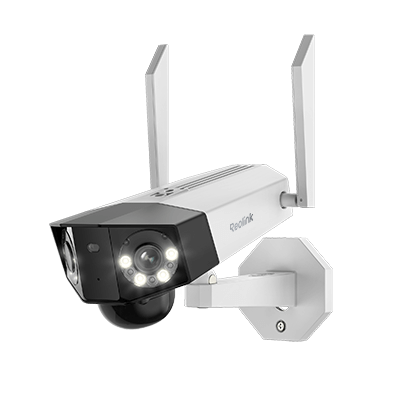
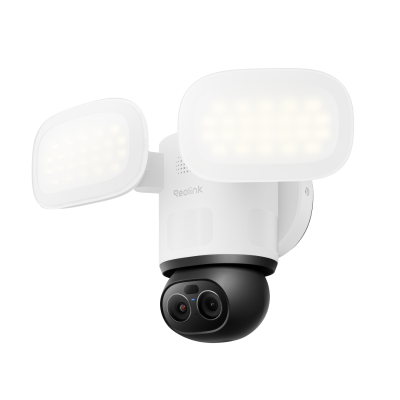
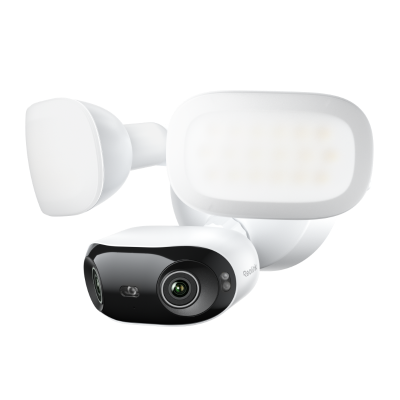
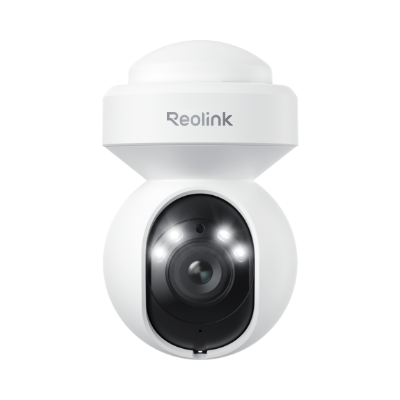
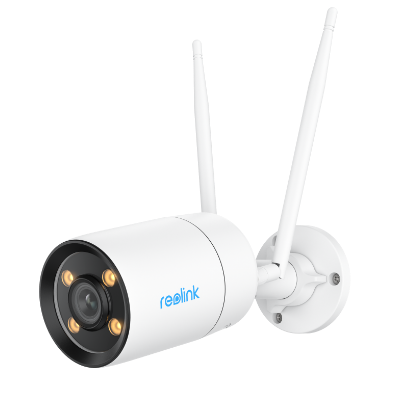
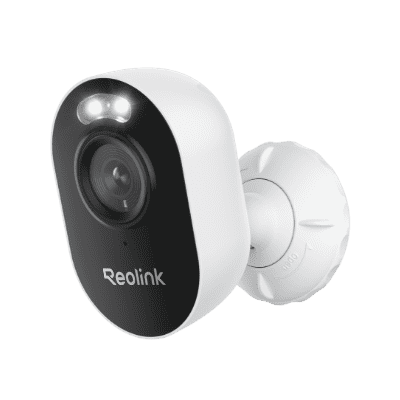
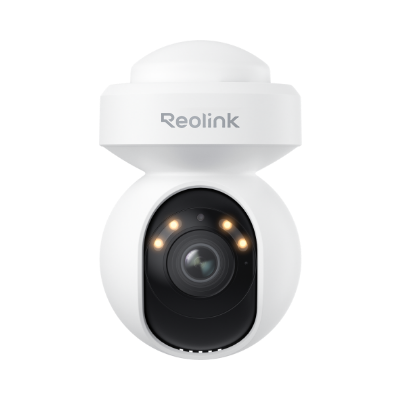
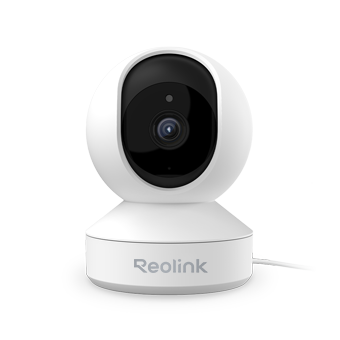
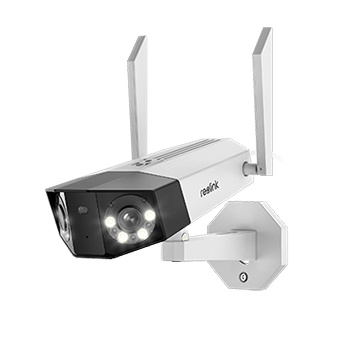
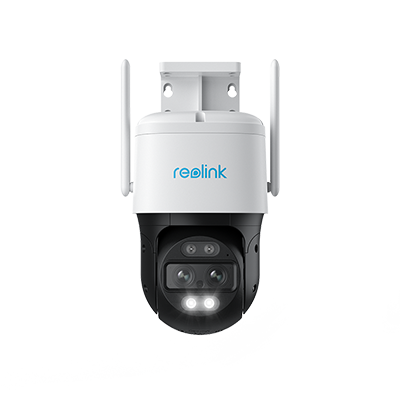
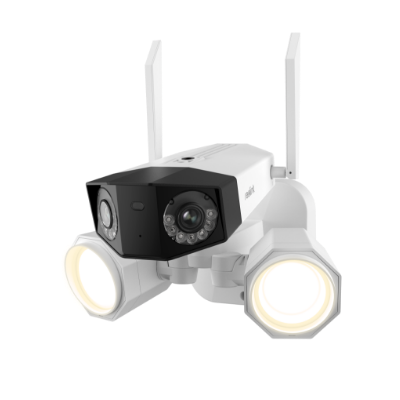
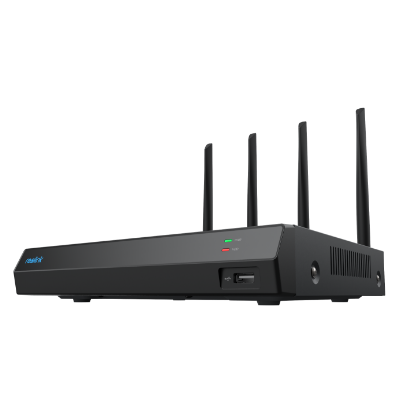
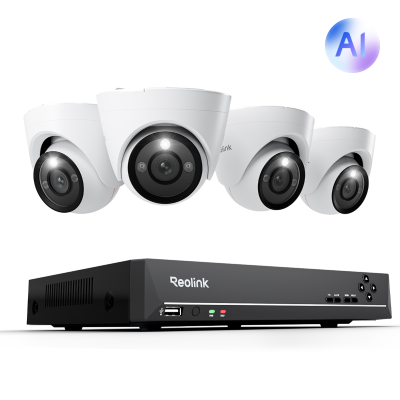
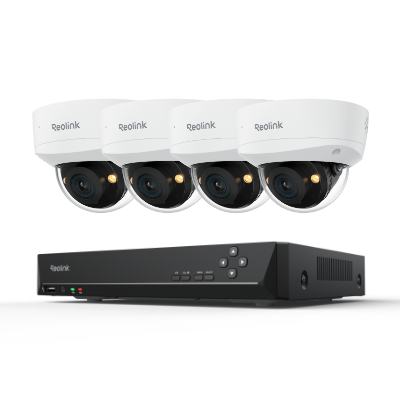
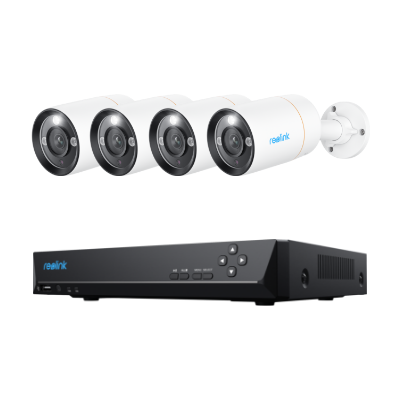
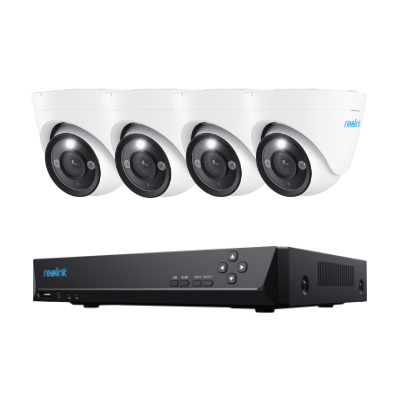
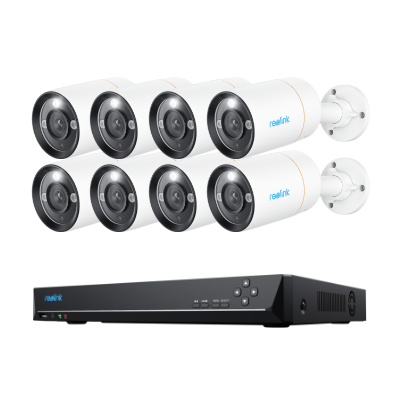
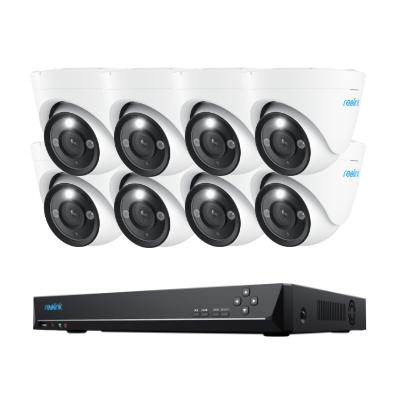
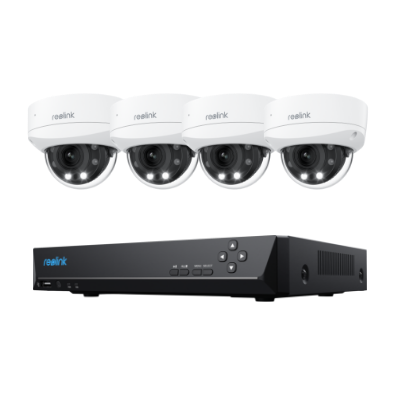
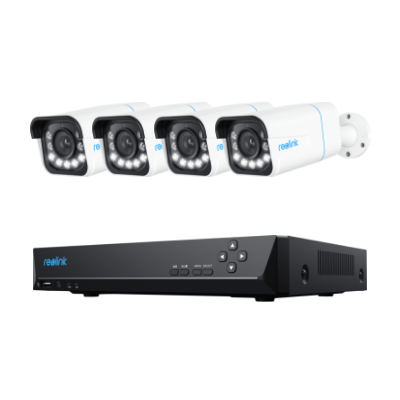
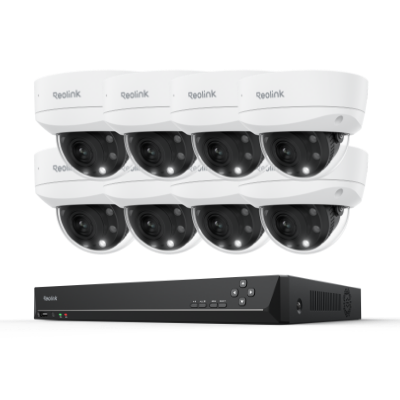
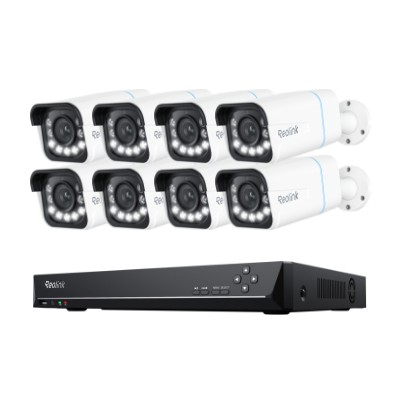
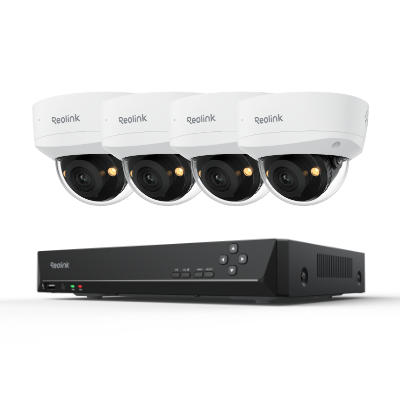
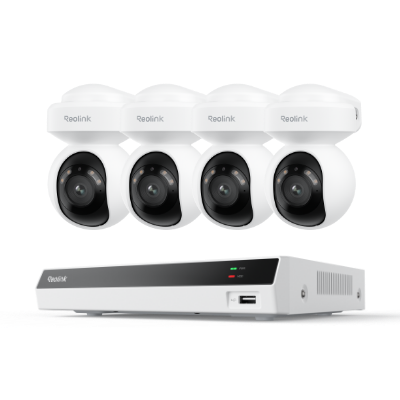
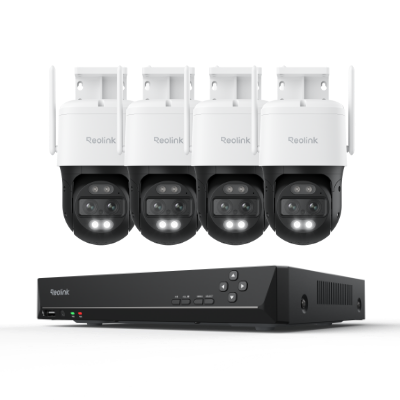
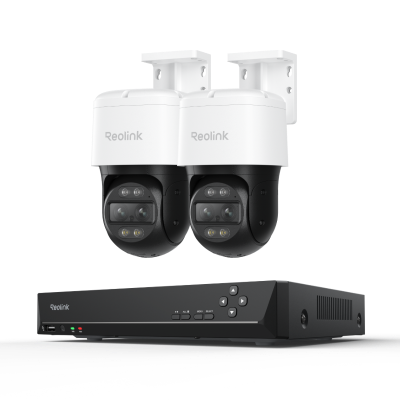
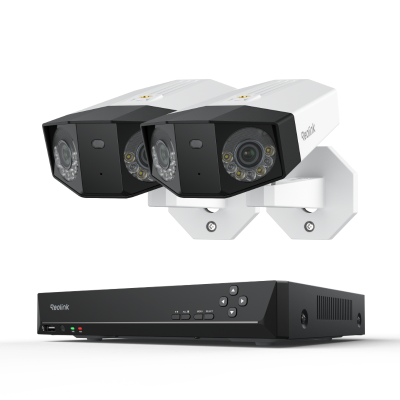
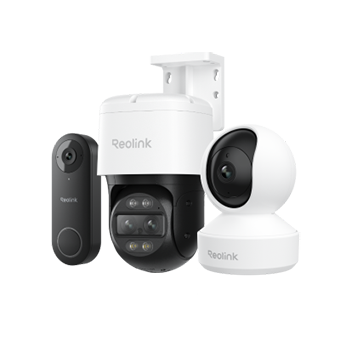
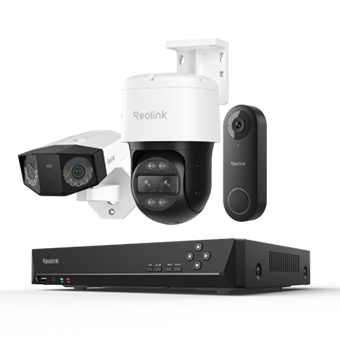
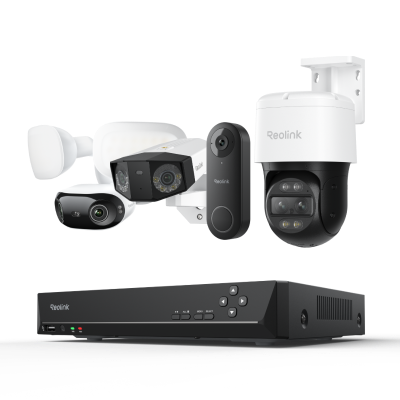
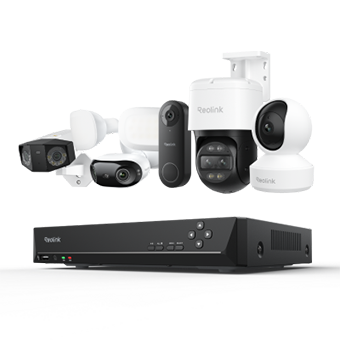
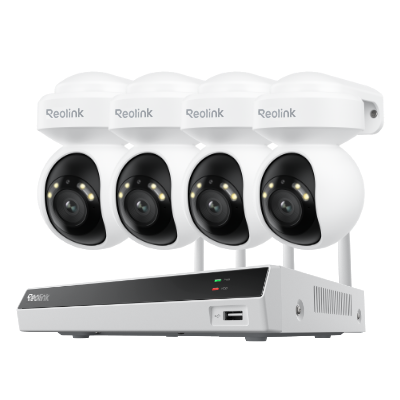
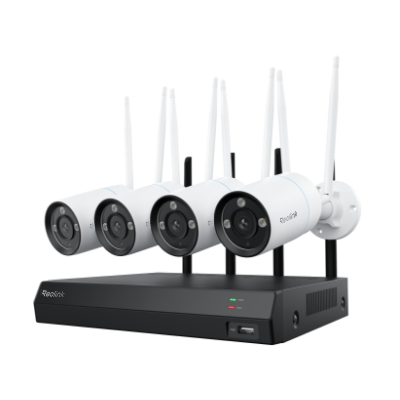
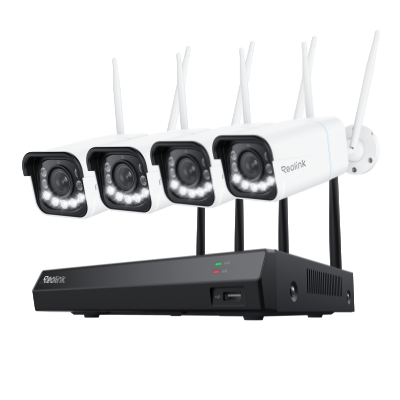
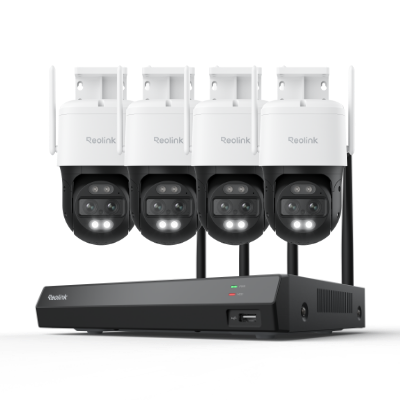
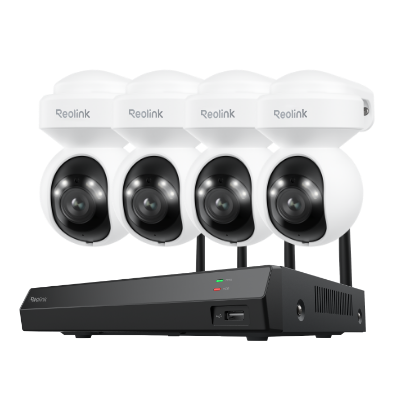
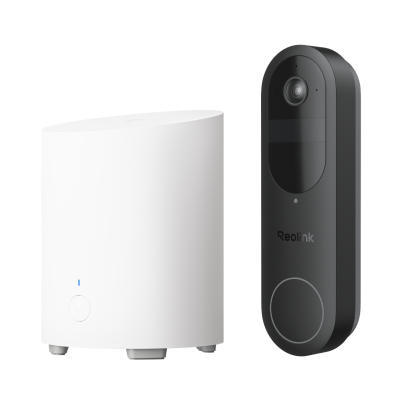
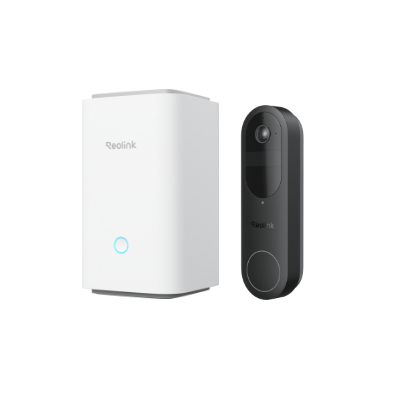
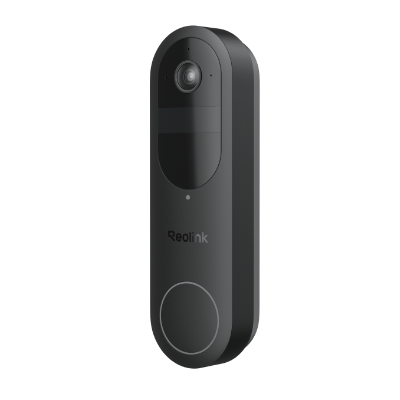
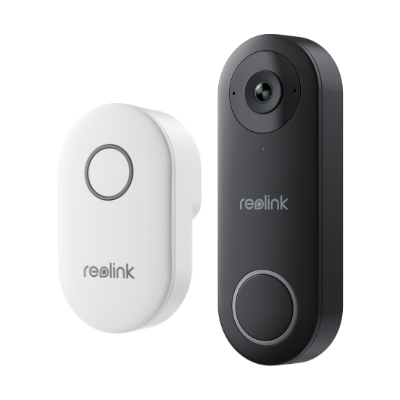
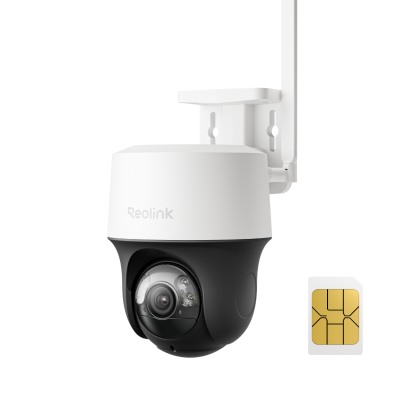
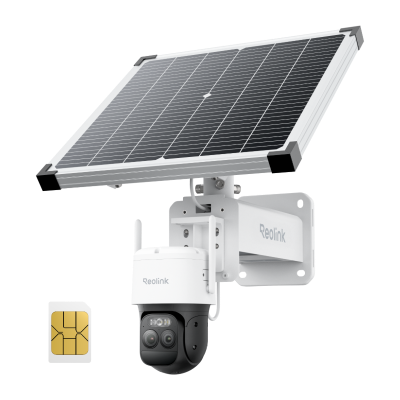
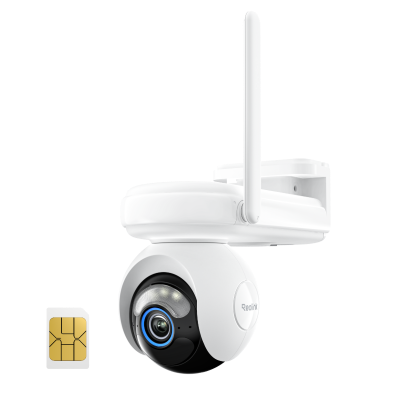
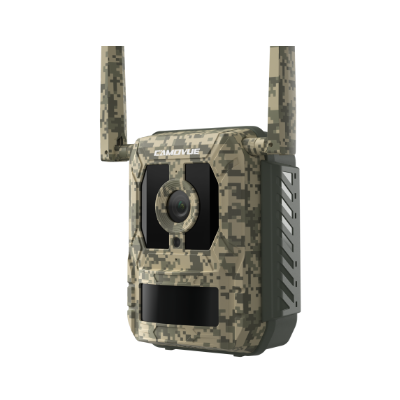
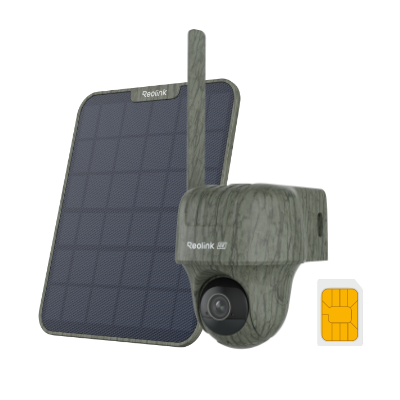
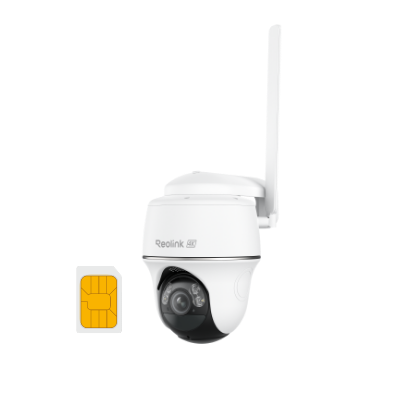
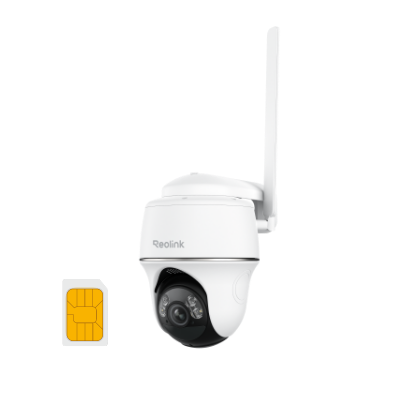
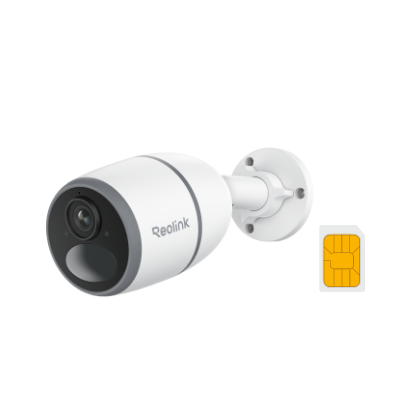
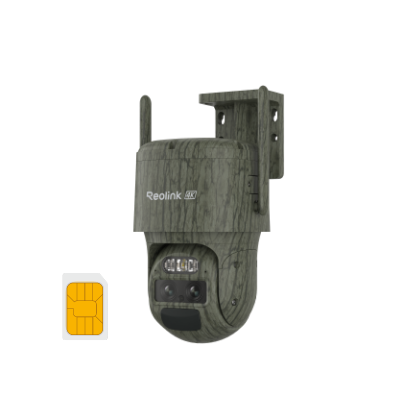
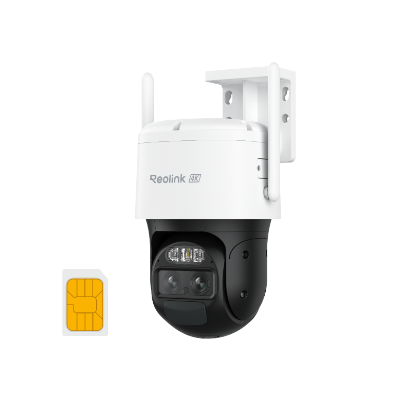
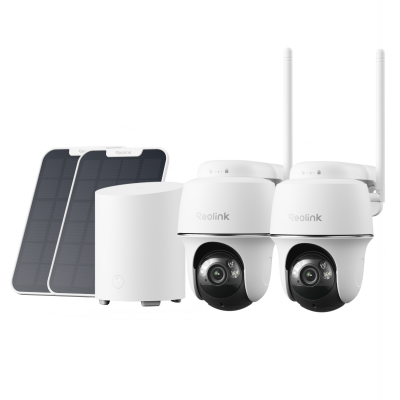
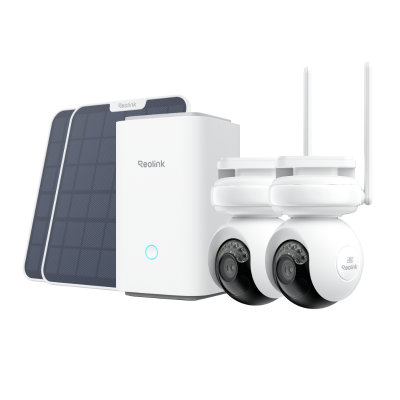
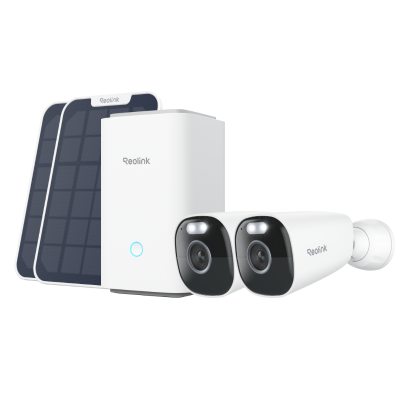
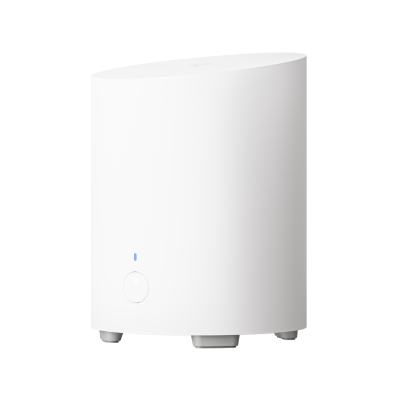
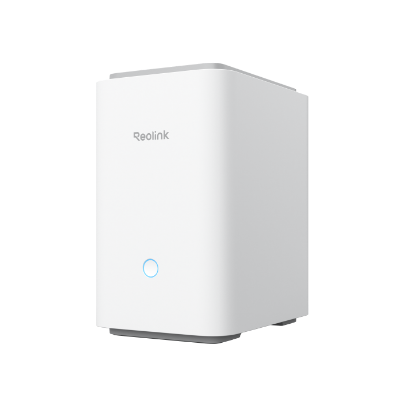
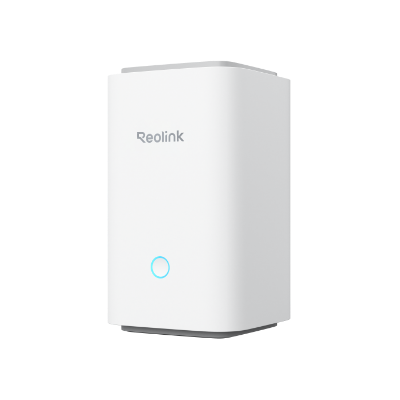
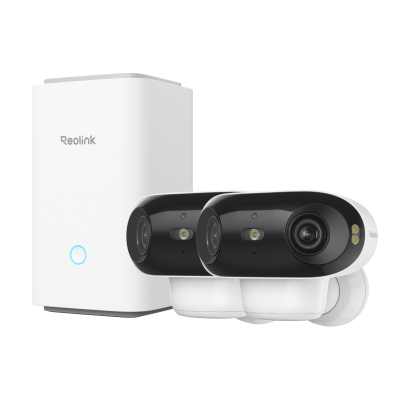
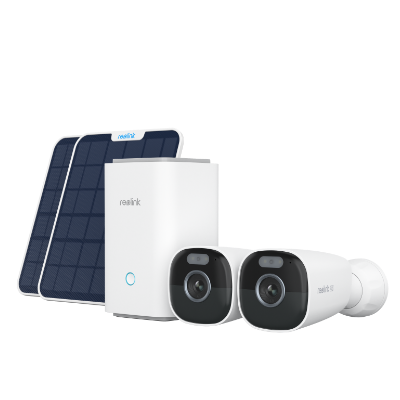
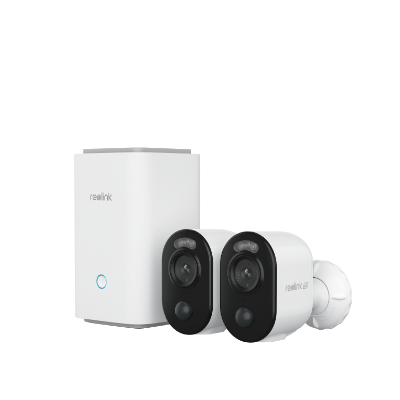
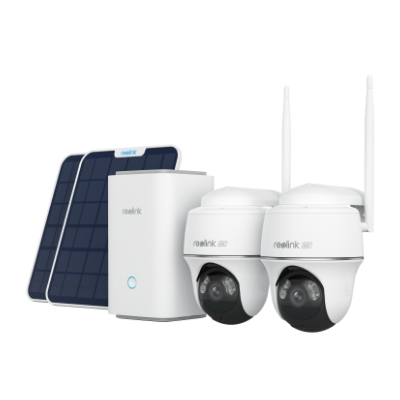
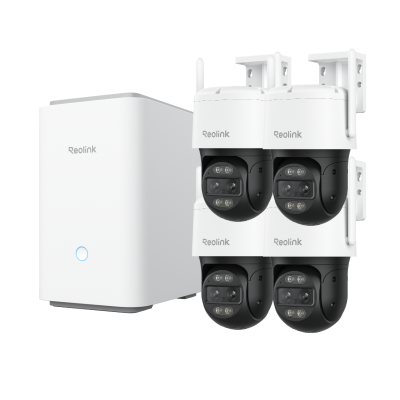
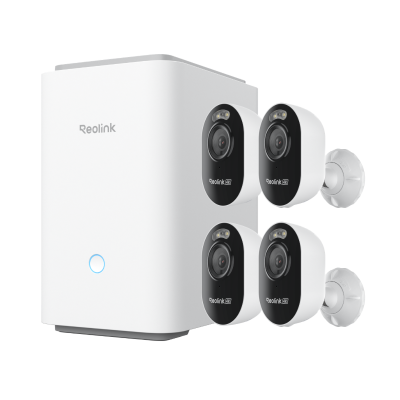
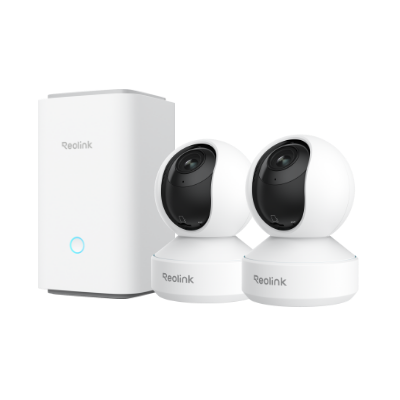
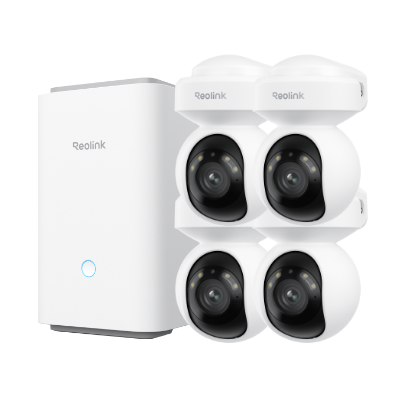
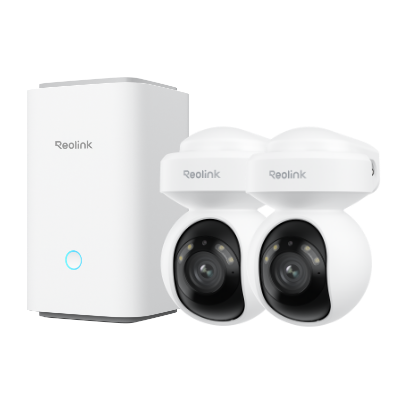
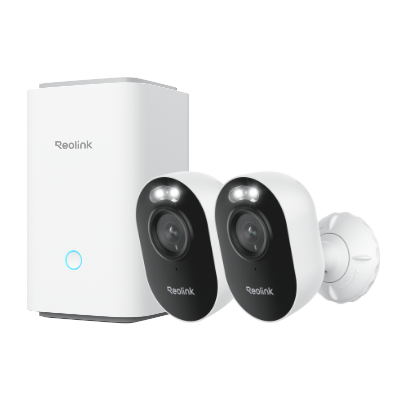
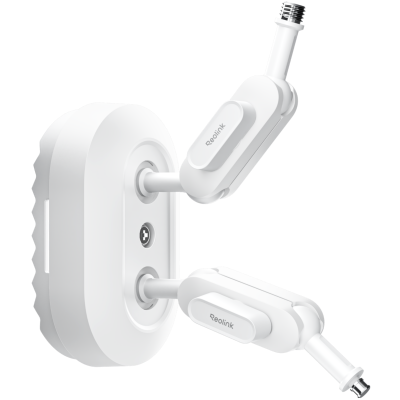
Reolink wireless camera security systems let you monitor your home from anywhere. Explore our home hub and camera bundles for smooth, hassle-free surveillance.
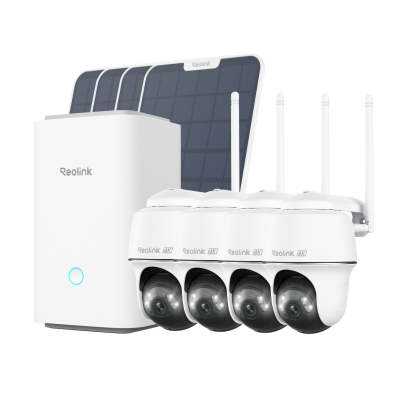
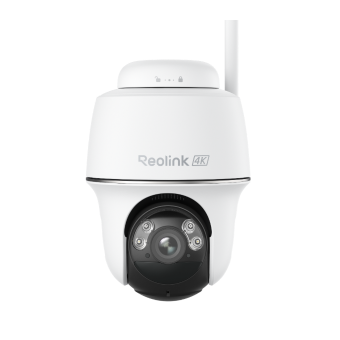
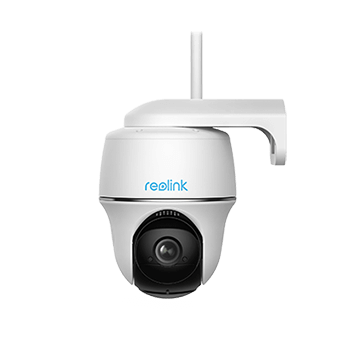
Wireless Security System With 4K PT Standalone Battery/Solar Wi-Fi Cameras
4K Color Footage Day & Night, 1 Year of Local Storage, Exclusive Anti-Theft Algorithms, 360° All-Around Coverage, Expandable System Up to 8 Reolink Cams.
Automated home lighting systems
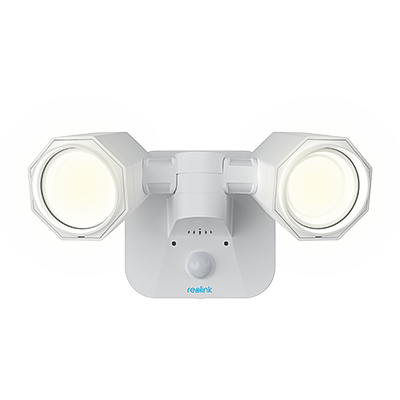
Remote control of home lighting functions is possible with an automated system. You can select the times for automatic light operations through scheduling to keep your home illuminated when necessary. The setup of motion sensors enables room lights to illuminate automatically when a person enters the space, thus delivering better convenience while saving energy.
Users can generate the ambient lighting required for different events through dimming options. The light systems feature energy-efficient LED bulbs as part of their design to decrease electrical electricity usage.
Automated smart home systems
Users can experience complete home integration because automated smart home systems unite various devices under a single operating platform. A connected system gives you control of lighting, security, temperature management, and entertainment functions through a single application.
Such systems typically support voice assistants like Alexa or Google Assistant for hands-free operation. The systems record your daily behaviors; thus, they learn your routines to execute simple operations that minimize your household work.
Automated home energy systems
The automated system allows users to manage and lower their home energy usage. Smart thermostats use scheduling automation. That way, it regulates temperature settings for peak comfort with reduced energy consumption. Energy monitors present direct electrical power readings during real-time operation, showing which systems demand the most power.
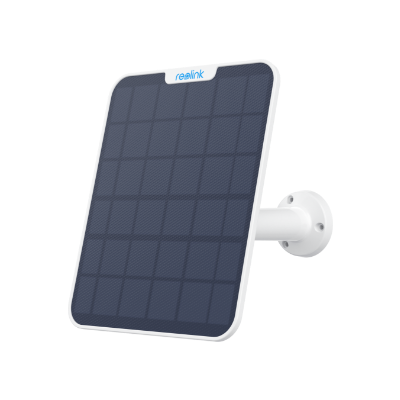
Some automated home systems provide solar panel arrays with power storage components for sustainable and renewable energy generation. Such energy optimization features in these systems lead to decreased utility costs and diminished environmental impact through reduced emissions.
How Do Home Automation Systems Work?
Home automation systems function when devices link to central hubs or controllers. The hub connects wirelessly or with wires to communicate with its component devices. Users link their home devices, including lights, locks, and thermostats, to the hub before the system receives and sends control signals through this central component.
Users have two options for controlling their devices: through smartphone applications or by issuing voice commands. The system contains environmental sensors that monitor motion and temperature changes, activating responses through device control actions such as lighting and thermostat alterations.
Top Home Automated Systems in the Market
Multiple home automation systems exist on the market, but they offer different advantages per system as listed below:
Amazon Alexa
Amazon Alexa is a voice-operated assistant that makes a connection to multiple intelligent devices possible. The system enables control of lights, locks, and thermostats, among other products. Through its routine system, Alexa enables users to operate several linked tasks by issuing a single voice command.
Users can leverage many third-party devices and services because the system works with numerous external platforms. Smart home fans frequently select Alexa because this device features a simple user interface and performs frequent updates.
Google Home
Google Home enables users to manage their smart home devices with the help of the Google Assistant functions. Customers can ask the system to execute various commands through voice acknowledgment, such as music playback or reminder creation. The system automatically integrates perfectly with other Google services to give users a unified experience while using the system.
Google Home provides users with adaptability through its support of numerous smart devices from various manufacturers. AI and natural language processing features of its system deliver both accuracy and efficiency.
Apple HomeKit
Through HomeKit, Apple maintains its proprietary platform that manages smart home devices. The system provides strong security and privacy features, making it suitable for dependable user choice. Users can operate these devices directly from the home app interface and function via Siri command voice control.
HomeKit enables users to manage several devices through scenes that operate as single command sequences. Apple users experience smooth operation since the system operates with diverse Apple products alongside their approved accessories.
SmartThings
Samsung developed the SmartThings platform as its smart home system. Through its features, the system operates effectively with various types of devices, from lights to other appliances by Samsung. Users obtain complete control over customizing the system because it enables the development of detailed automation sequences that fit their requirements.
SmartThings connects users to Samsung and non-Samsung hardware, combining Samsung and diverse device control capabilities. Users choose the smart home automation system because it offers an easy-to-use mobile app and dependable functionality.
What to Consider When Choosing an Automated System for Home?
It becomes a difficult task to select the appropriate home automation system. These important guidelines will guide your selection of the best home automation system:
- Decide which features will matter most in your system: security measures, efficient energy usage, or simple usability functions.
- The system needs to work with your current device and appliance setups.
- The system must have simple navigation features, an easy-to-use app, and voice control capability.
- Standardized updates and customer assistance must be present in the system.
- When choosing, compare all associated expenses, from hardware purchase costs to installation and subscription fees.
- The reliability and performance aspects can be evaluated through reading customer reviews and testimonials.
- Scalability needs examination when planning to expand your device network since future growth requires system flexibility.
- Security elements within the system should be assessed to safeguard your privacy and data.
FAQs
What are examples of a home automation system?
The example lineup comprises smart thermostats, automated lighting solutions, security cameras, and voice-commanded assistants, including Alexa or Google Home.
How much does it cost to automate a house?
The system installation expenses depend on equipment count and technological difficulty. Home automation systems begin at several hundred dollars, but the more advanced solutions require thousands in cost.
What else can I automate in my home?
Your home appliances, including refrigerators, washing machines, and ovens, become automated. The automation system enables the management of entertainment devices, blinds, and irrigation equipment.
Conclusion
Home automated systems enable people to revolutionize their interactions inside their residences. Through security enhancement and energy enhancement, these systems generate diverse advantages. Knowledge about various systems and their working principles and selection factors will enable you to design the perfect smart home system that matches your requirements.
All users can access endless possibilities and choose between Amazon Alexa, Google Home, Apple HomeKit, or SmartThings. Please share your insights regarding home automation systems below.
Search
Subscribe for the Latest Updates
Security insights & offers right into your inbox