







































Is Pittsburgh Safe? A Comprehensive Guide to Crime Rates and Safety Tips
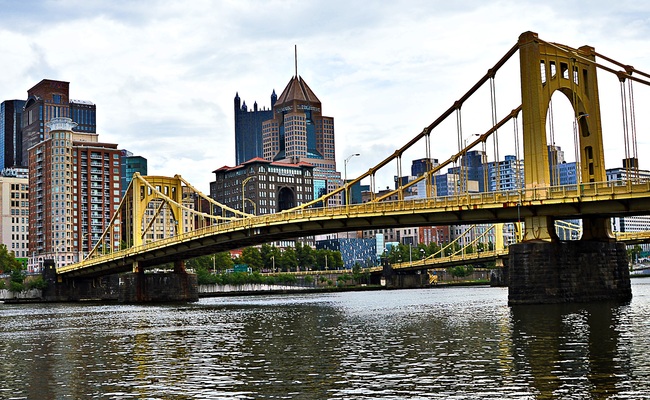
Some call Pittsburgh a hidden gem. Others warn about crime. The safety actually depends on the specific neighborhood you are in.
In this article, we will discuss how safe Pittsburgh is. We will examine the data, explore the neighborhoods, and share some safety tips.
Is Pittsburgh a Safe City?
Citywide, Pittsburgh receives a B- grade for violent crime, meaning its rate sits slightly lower than the average US city.
Violent Crime: According to the statistics, violent crime rate measures approximately 2.638 incidents per 1,000 residents annually. This places Pittsburgh in the 57th percentile for safety, safer than 57% of US cities but riskier than 43%. Violent crime continues trending downward.
Homicides dropped 30% in 2025 compared to the previous year and sit 55% lower than 2022 levels.
Property Crime: Property crime represents the more immediate concern for most residents. Larceny-theft accounts for the majority of incidents, with over 5,400 reported cases in 2024 alone.
Burglary sits at 4.43 per 1,000, below the national average of nearly 500. Car theft numbers also fall under national figures at 2.41 per 1,000.
Safest Neighborhoods in Pittsburgh
These neighborhoods consistently rank among the safest in the city because of the low violent and property crime rates compared to the city’s average. Due to fewer incidents, they are much safer than various neighborhoods.
Squirrel Hill (North & South)
Squirrel Hill stands as Pittsburgh's gold standard for safe, family-friendly living. According to the data, its violent crime rate sits at approximately 0.15 per 1,000 residents, 60% lower than the Pittsburgh average of 0.37 per 1,000. The neighborhood's strong Jewish community, excellent schools, and proximity to Carnegie Mellon University and the University of Pittsburgh make it highly desirable. Murray Avenue buzzes with diverse dining options while residential streets remain quiet and walkable.
Regent Square
Regent Square offers a small-town feel within city limits. With a population of about 4,000, its violent crime rate sits at approximately 0.32 per 1,000 residents, less than half the Pittsburgh average. The neighborhood borders Frick Park, providing residents easy access to trails and green spaces. Its tight-knit community and well-regarded schools make it a favorite for families seeking security without suburban isolation.
Shadyside
Shadyside attracts young professionals with its historic mansions, upscale boutiques, and vibrant social scene. The neighborhood benefits from active community patrols and high foot traffic along Walnut Street, both factors contributing to lower crime rates. Compared to nearby Oakland, which experiences more incidents due to university proximity, Shadyside reports noticeably lower theft, burglary, and violent crime numbers.
Point Breeze
Point Breeze offers a suburban atmosphere within city boundaries. Wide streets and large yards contribute to its quiet, safe reputation. Nestled between Squirrel Hill, Homewood, and Regent Square, the neighborhood lies near Frick Park and the Pittsburgh Center for the Arts. Recent crime data shows violent crime rates significantly lower than the Pittsburgh city average. Property crime numbers also remain relatively low.
Areas to Avoid in Pittsburgh
Some Pittsburgh neighborhoods experience significantly higher crime rates than the city's average. Being aware of these areas helps residents and visitors make informed safety decisions.
Larimer
Larimer faces the most severe crime challenges in Pittsburgh. Its violent crime rate reaches 0.79 per 1,000 residents, significantly higher than the city average of 0.37 per 1,000. Located in Pittsburgh's East End, Larimer borders East Liberty and Homewood. The community struggles with assault, robbery, and gun violence. While public safety initiatives are underway, residents are encouraged to remain especially vigilant in this area.
Saint Clair
Saint Clair is a smaller neighborhood with just over 300 residents, yet it experiences violent crime rates on par with larger, traditionally high-crime areas at 0.58 per 1,000 residents. Positioned in Pittsburgh's southern section near Mount Oliver and Carrick, safety concerns primarily stem from incidents of assault and related violent offenses. The neighborhood benefits from targeted local efforts to improve public safety, but crime rates remain elevated.
Bedford Dwellings
With approximately 1,200 residents, Bedford Dwellings sees a violent crime rate of 10 per 1,000 residents. Located near the Hill District, close to downtown Pittsburgh and key institutions like Duquesne University and PPG Paints Arena, the neighborhood deals with frequent assault and robbery incidents. Community initiatives focusing on youth engagement and neighborhood watch programs seek to build trust and reduce crime.
Marshall-Shadeland
Home to about 4,400 residents, Marshall-Shadeland posts a violent crime rate of 9.0 per 1,000 residents. Located along the Ohio River, the neighborhood faces challenges with armed robbery, assaults, and property crime. Despite these difficulties, Marshall-Shadeland has active community groups focused on neighborhood beautification and safety awareness campaigns. Local law enforcement collaborates closely with residents to address crime hotspots.
Safety Tips to Stay in Pittsburgh
Pittsburgh's crime data shows most reported incidents are property crimes rather than violent offenses. Simple habits and awareness can reduce your risk of becoming a victim.
-
Secure your vehicle and remove valuables. Car break-ins (smash-and-grabs) can be an issue in high-density areas like Shadyside and the Strip District. Never leave bags, electronics, or loose change visible in your car. Lock doors even when parked briefly.
-
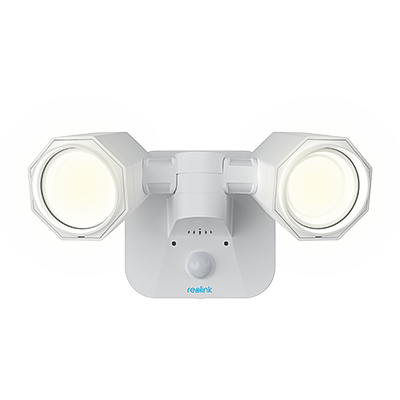
Keep outdoor areas well-lit. Driveways, alleys, and side paths are common spots for quick theft. Motion-sensor lights and visible security cameras deter potential criminals. Good lighting is one of the most effective crime prevention tools available.
-
Lock all doors and windows, even during the day. Many burglaries occur during daylight hours when residents are at work. Make locking up a habit before leaving home. This simple step prevents opportunistic theft.
-
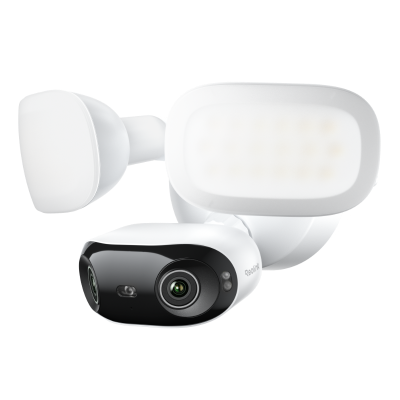
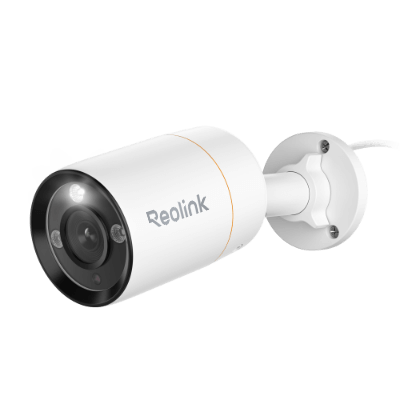
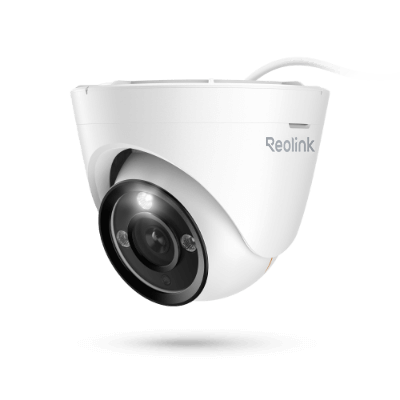
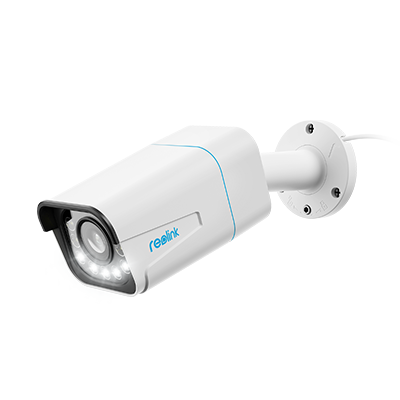
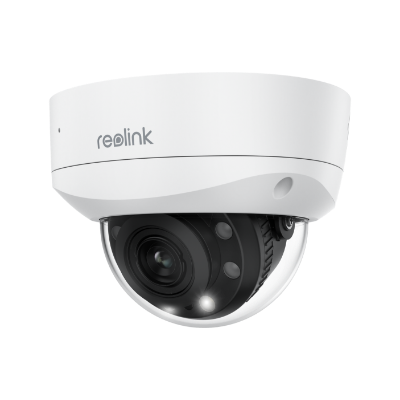
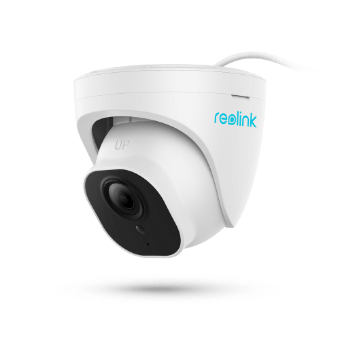
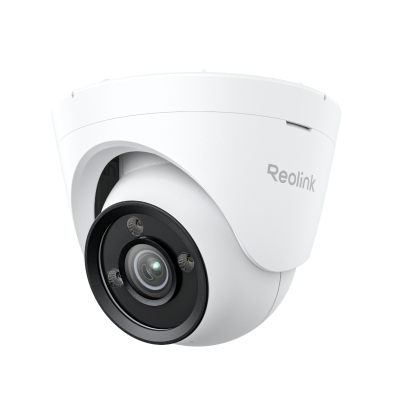
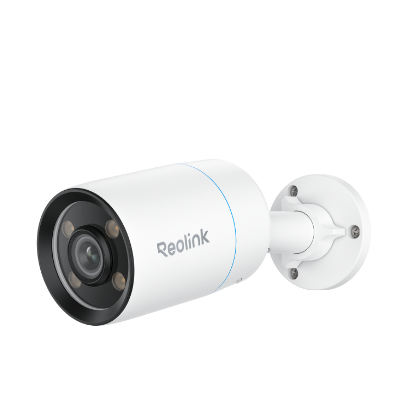
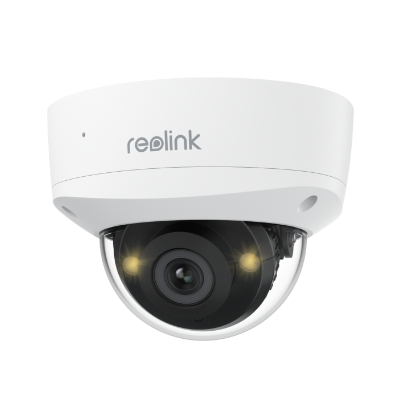
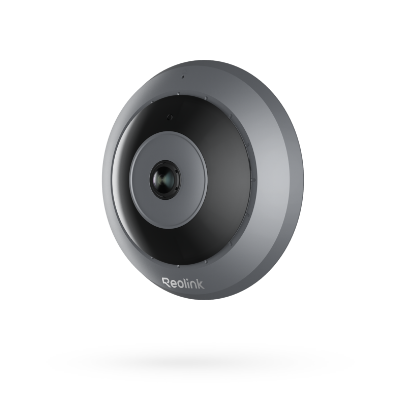
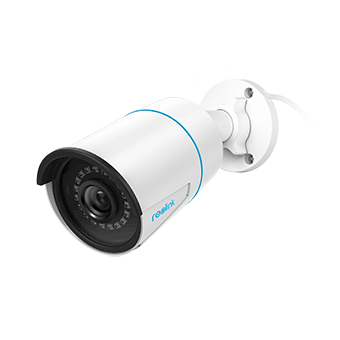
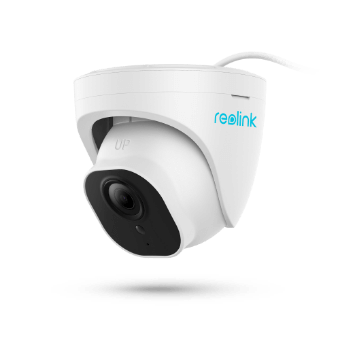
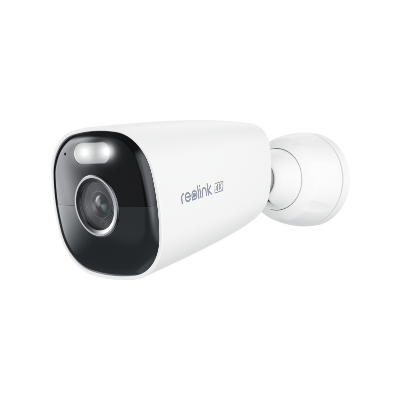
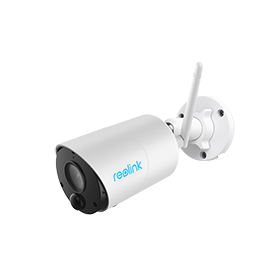
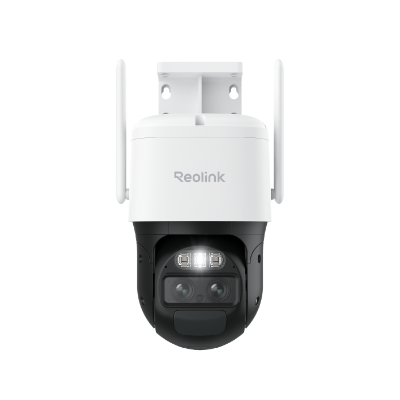
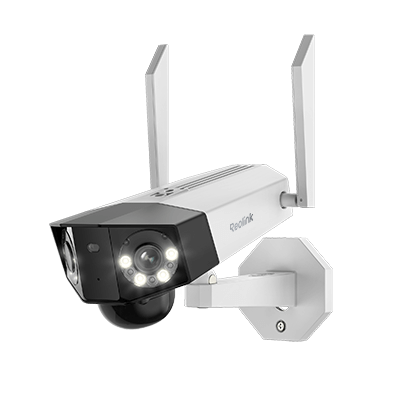
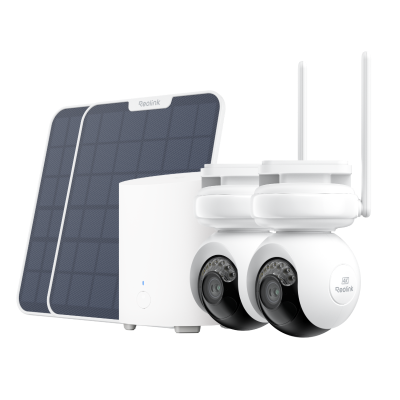
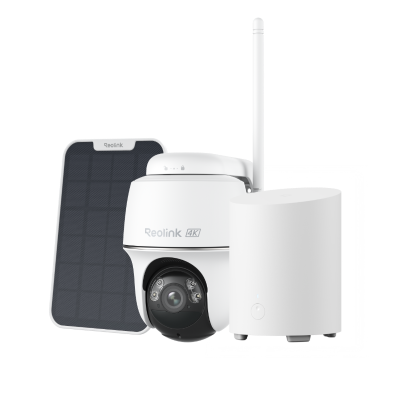
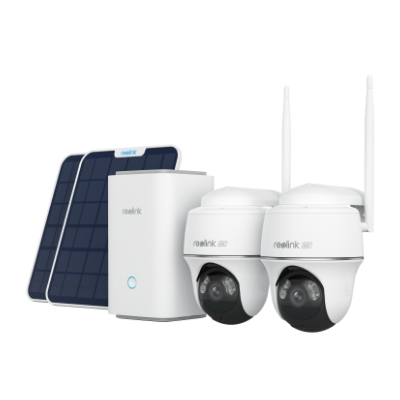
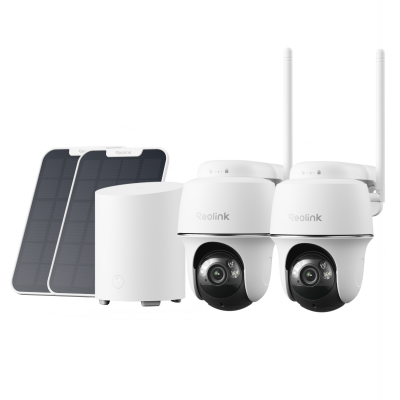
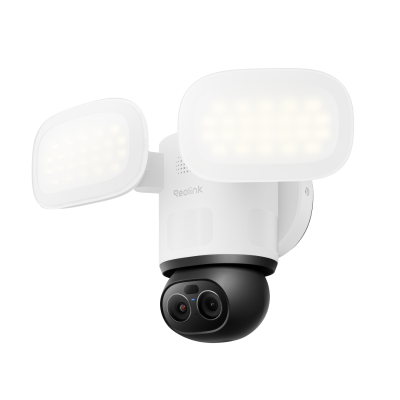
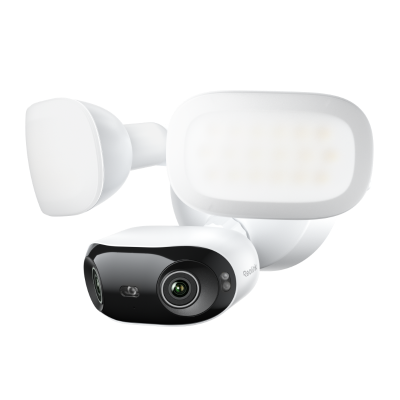
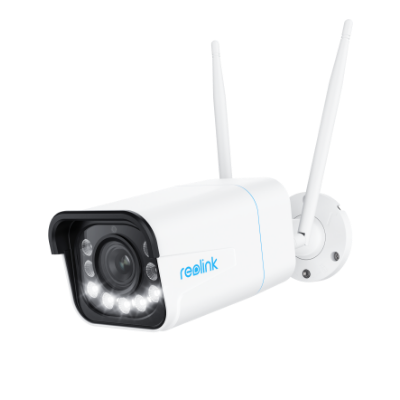
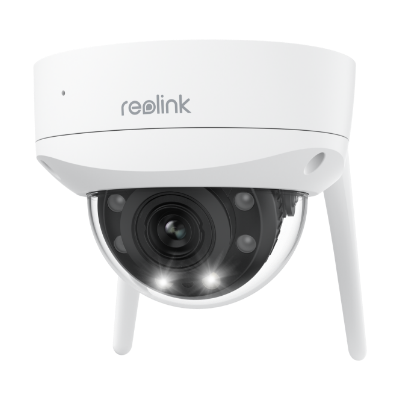
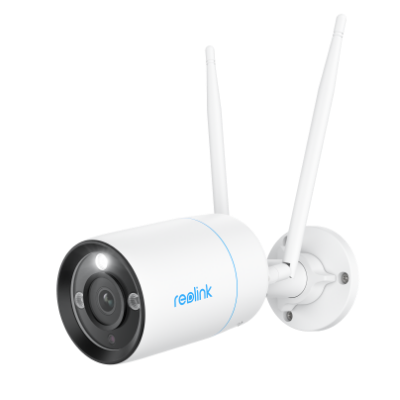
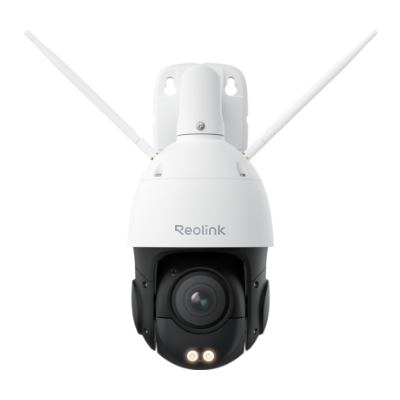
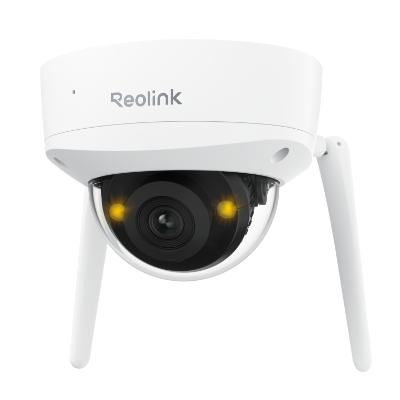
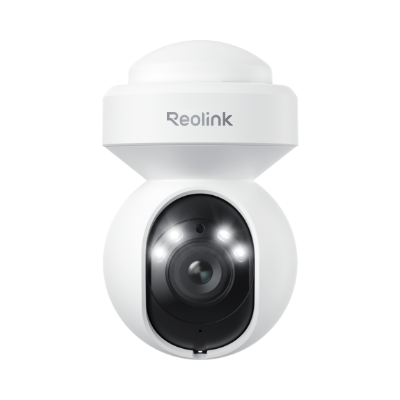
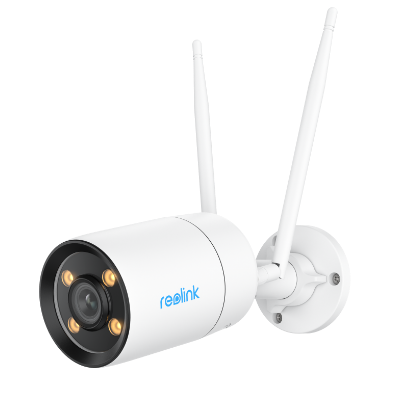
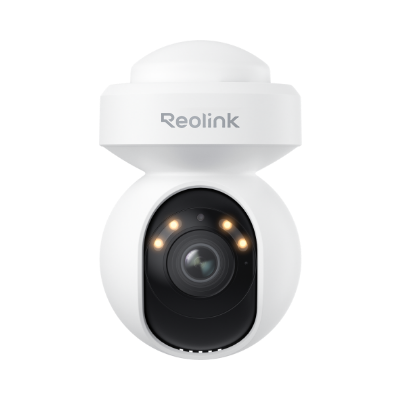
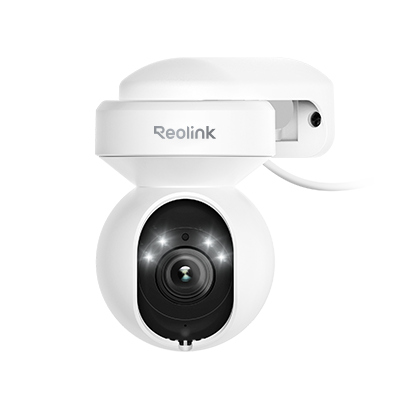
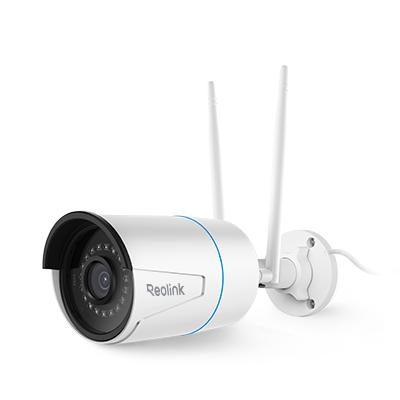
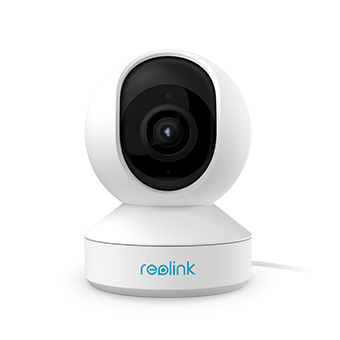
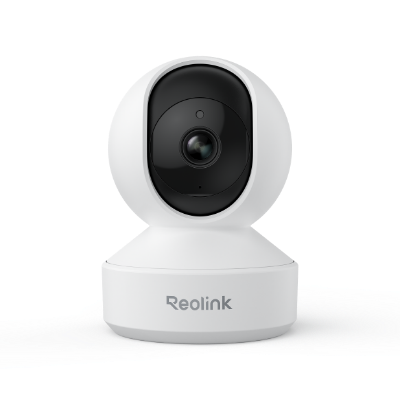
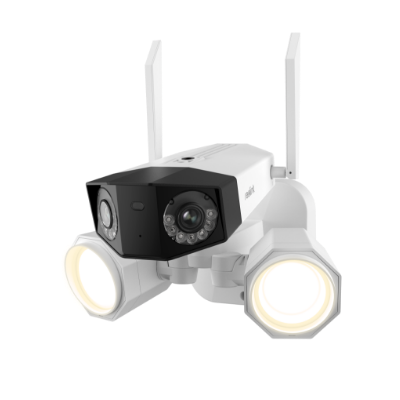
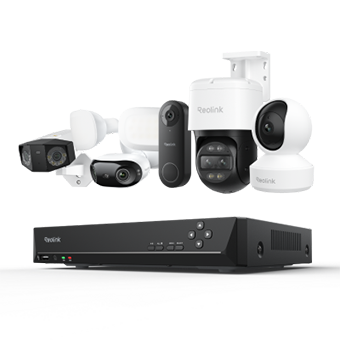
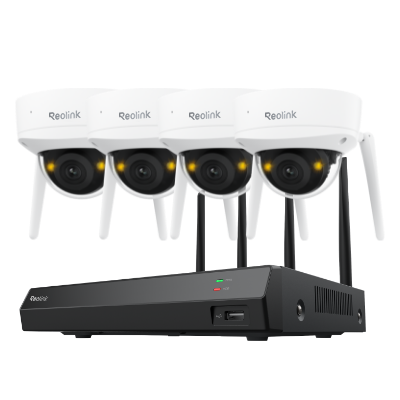
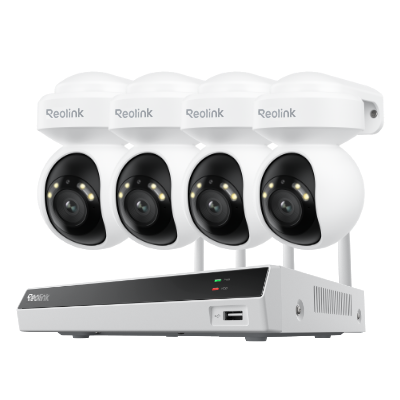
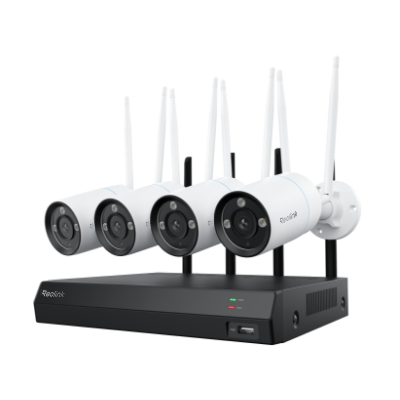
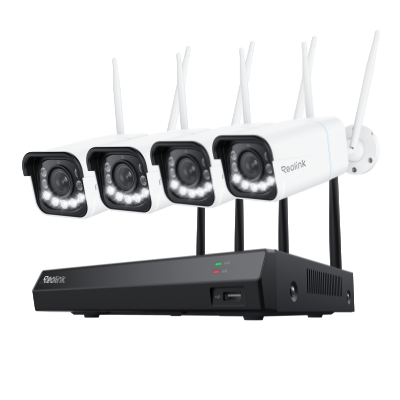
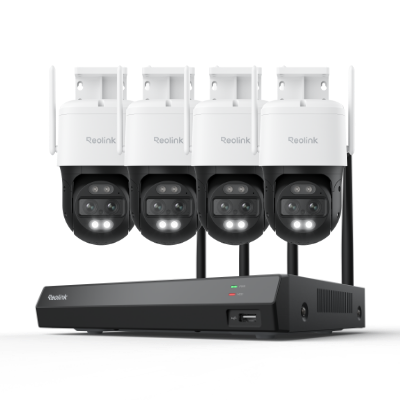
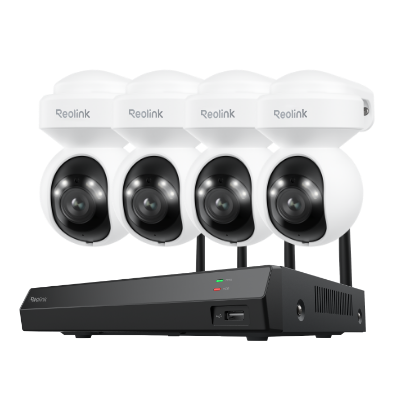
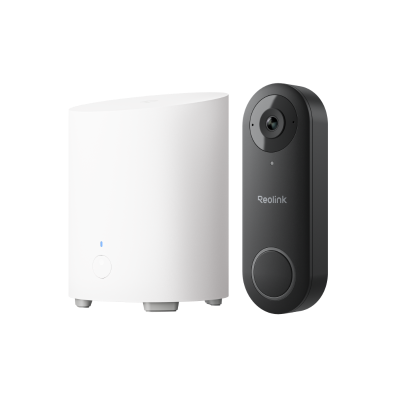
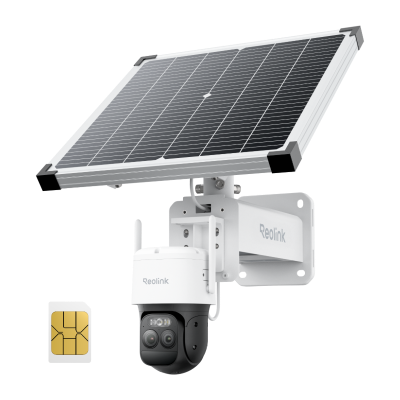
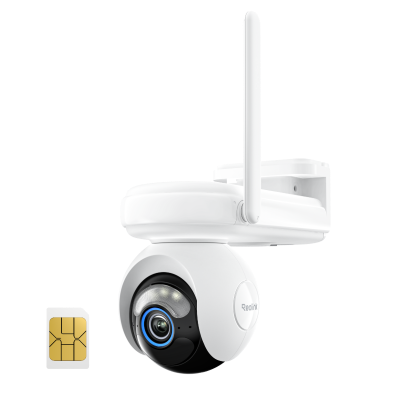
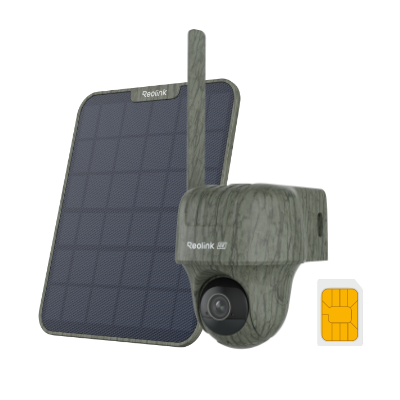
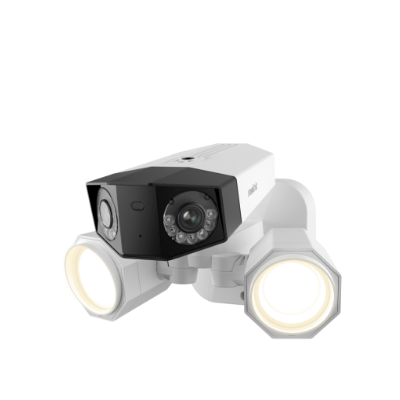
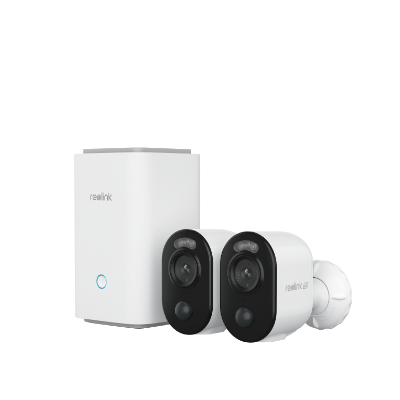
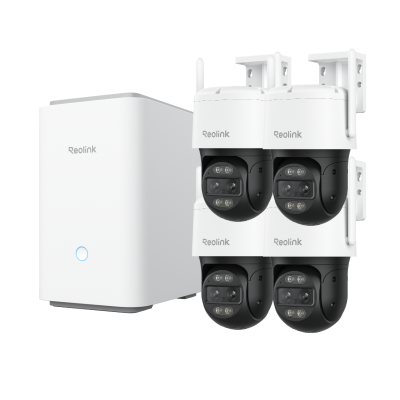
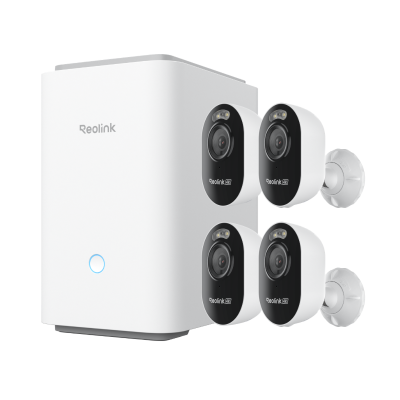
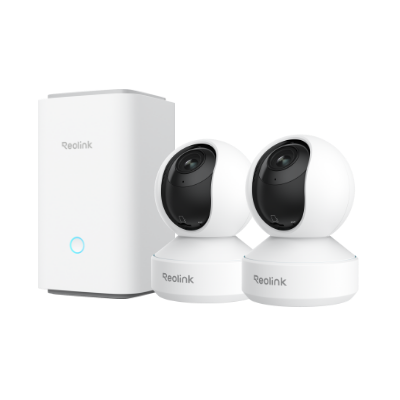
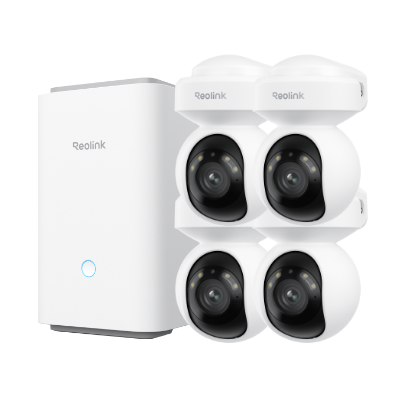
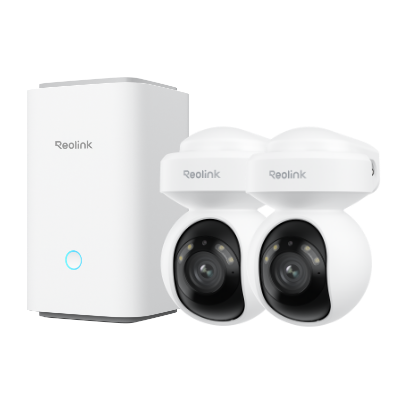
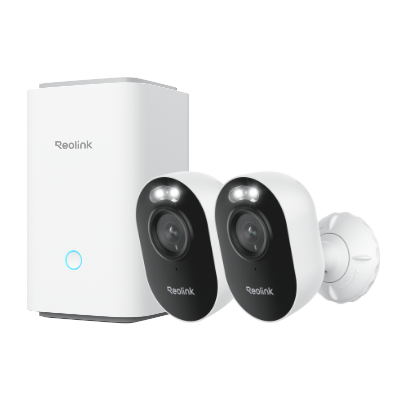
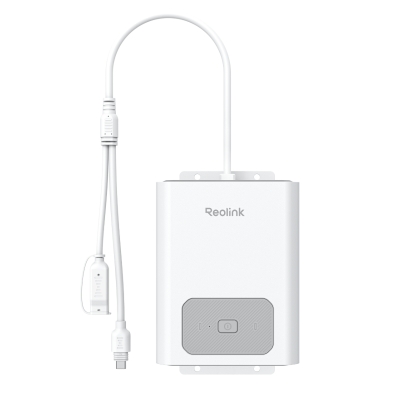
Install a Reolink security camera for security and surveillance. It records high-quality videos and offers remote access, real-time alerts, smart detection, etc. It keeps you updated about every activity.
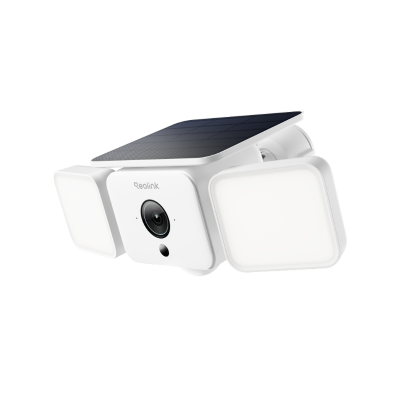
Smart 2K Solar Floodlight Security Camera
150° Ultra-Wide View, 2K 4MP HD Resolution, AI-Based Adaptive Floodlight, Endless Power with Reolink SolarEase™.
- Join or start a neighborhood watch. Safety is strongest when residents work together. Coordinate with neighbors via apps like Nextdoor or Citizen. Report suspicious activity to the 311 Response Center or your local precinct. Community awareness prevents crime before it starts.
FAQs
Is Pittsburgh tap water safe to drink?
Pittsburgh's tap water contains 14 contaminants above EPA health-based guidelines. A certified water filter is strongly recommended to reduce exposure to these contaminants.
What are the cons of living in Pittsburgh?
The primary cons include higher-than-average property crime rates, significant neighborhood-to-neighborhood safety variation, gray winter weather, and aging infrastructure in some areas. Violent crime, while trending down, remains a concern in specific neighborhoods.
Is downtown Pittsburgh safe?
Yes, downtown Pittsburgh has seen significant safety improvements. Homeless encampments are down 93%, and violent crime in the Golden Triangle has declined, with over 50 new police officers hired. Ongoing revitalization efforts continue to improve safety for residents and visitors.
Conclusion
Pittsburgh offers a B- violent crime grade, trending downward with homicides dropping 30% in 2025. Squirrel Hill, Regent Square, and Shadyside rank among the safest neighborhoods, while areas like Larimer and Homewood West demand caution. Property crime remains the primary concern, but simple prevention habits dramatically reduce risk. Pittsburgh isn't uniformly dangerous or completely safe. As a resident, you should take safety measures to avoid being a victim of crime.
Search
Subscribe for the Latest Updates
Security insights & offers right into your inbox