













































































































Is Boston Safe? Crime Rates, Neighborhoods & Tips 2026
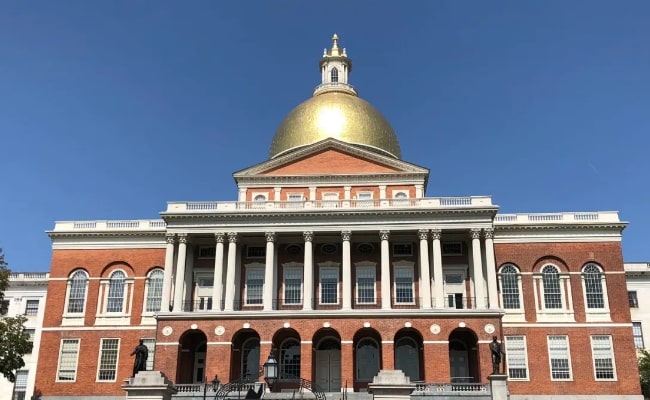
Ever wondered, is Boston Massachusetts safe? This guide answers the big question—is Boston, Massachusetts, safe, and how safe is Boston—by looking at the latest crime data, neighborhood patterns, and smart ways to stay secure while you live, work, or visit.
Is Boston Safe?
Yes, Boston is generally safe. It consistently ranks as one of the safest large cities in the United States, with historic drops in violent crime. However, petty property crime fluctuates by neighborhood.
Boston posts lower crime numbers than most large U.S. cities, but safety shifts from block to block. City-wide Part One crimes (violent plus major property offenses) rose only 3 percent in 2024, yet homicides fell to 24, which is the lowest count since 1957 and a 35 percent year-over-year drop. In plain terms, about 2.6 percent of residents face any reported crime in a given year - 6.6 per 1,000 for violent offenses and roughly 20 per 1,000 for property loss.
Below is a street-level look at how safe each quadrant feels today.
Is South Boston Safe?
Yes, South Boston (“Southie” to locals) is generally safe. It has a violent-crime rate about 32% below the city average, though late-night bar areas near Andrew Square and Broadway can see occasional incidents. Further south, Dorchester, Roxbury, and Mattapan push violent-crime counts well above the mean, so visitors should stay on main streets at night and use ridesharing for late trips.
Is North Boston Safe?
North Boston (especially the north end) is safe in general. Violent crime is below the city average, though petty property crimes like car break-ins and bike theft can occur; the area is well-lit and typically comfortable for walking into the evening.
Charlestown and the North End attract travelers with history and food. Both areas record moderate property offenses—mostly bike thefts and car break-ins—but violent crime remains well under the city median. Local neighborhood watches and cameras help, and well-lit streets make walking comfortable until about midnight.
Is East Boston Safe?
East Boston is broadly safe, with crime well below the national average. Recent AreaVibes data show East Boston’s overall crime rate is 38 percent below the U.S. average.
This neighborhood holds Logan Airport, a growing immigrant community, and a patchwork of safety profiles. The Seaport and Jeffries Point score low on violent crime, while Maverick Square and Eagle Hill log higher totals.
Is West Boston Safe?
West Boston is safe overall. Allston, Brighton, and West Roxbury thrive on student life and young professionals. Allston-Brighton posts violent-crime counts 18 percent under the national norm and benefits from campus police near Boston University and Boston College. West Roxbury remains one of the quietest corners, with family homes and parks giving it a “suburb-in-the-city” vibe.
Is Boston a Safe City for Different Groups?
Boston’s safety varies by life stage and daily routine, yet the city offers solid resources for each group.
For residents
Local families enjoy neighborhood policing programs such as Operation Ceasefire, credited with long-term drops in youth gun violence. Community centers and block associations add extra eyes on the street.
For tourists
Historic districts such as Back Bay, Beacon Hill, Faneuil Hall, and the Freedom Trail, see heavy foot traffic and robust police presence. Most incidents involve pickpocketing, so keep your wallets zipped and bags across your body.
For students
With more than 35 colleges, Boston invests in campus safety. Blue-light call boxes, late-night shuttles, and joint patrols between campus and city police make dorm corridors and surrounding streets safer than many peer cities. Still, students should avoid isolated shortcuts through Roxbury Crossing or Andrew Square after midnight.
Boston Crime Rate: Overview & Trends
Official Boston Police Department data reveals that overall violent crime in Boston is dropping significantly, driven by a sharp decline in homicides and robberies. Meanwhile, citywide property crime remains completely flat (0% change overall), though individual neighborhoods show starkly contrasting trends.
Violent Crime Is Down: High-level violent offenses have dropped across the board. Homicides plummeted by over 60% (5 incidents in 2026 vs. 13 in 2025), robberies fell from 285 to 243, and sexual assaults dropped from 72 to 53. Aggravated assaults remained mixed, with domestic cases decreasing but non-domestic incidents rising slightly.
Property Crime Trade-offs: While total property incidents held even at 6,049, the underlying types of theft shifted. Car theft (larceny from motor vehicles) dropped sharply from 736 to 594. However, general thefts climbed to 3,438 incidents and auto thefts rose slightly to 427.
Neighborhood Safety Variance: Crime shifts depend heavily on the district:
- Improving Areas: Downtown/Chinatown saw a major 16% drop in property crime, and Allston/Brighton saw a 15% drop.
- Rising Concerns: South Boston/Dorchester experienced a 12% increase in property offenses, while Jamaica Plain saw a 27% spike.
How Safe is Boston? Key Safety Factors
Boston’s overall security rests on several day-to-day factors.
Neighborhood safety
The safe neighborhoods include Beacon Hill, Back Bay, West Roxbury, and Allston-Brighton. These districts record violent-crime rates 13–35 percent below the city mean, thanks to active community policing and high foot traffic.
Some neighborhoods are less safe, like Roxbury, Mattapan, and parts of Dorchester show rates 70–105 percent above average, tied to gang activity and historic under-investment.
Transportation safety
The MBTA’s subway and bus network remains your fastest ride. Today, there are more platform staff deployed to regularly monitor late-night stations. It is always good practice to keep phone and bag close on crowded Red Line cars; bike racks at most stops deter but don’t eliminate cycle theft.
Daytime vs. nighttime safety
Daylight brings office workers and tourists, which lowers risk almost everywhere except a few Roxbury and Dorchester blocks. After 11 p.m., violent-crime calls rise by about 30 percent, especially around late-closing bars near Fenway and the Theatre District; plan a rideshare home instead of walking deserted streets.
Event or seasonal safety
Marathon Monday floods downtown with cheering crowds and tight security. Summer festivals add police details but also pickpockets. Winter snow narrows sidewalks, so slips and slower EMS response can extend wait times; wear boots and give yourself extra travel minutes.
How to Stay Safe in Boston?
Use these straightforward habits to reduce risk:
- Stay on well-lit streets at night. Choose main avenues like Commonwealth Avenue or Washington Street instead of rear alleys; muggings cluster on quieter side roads.
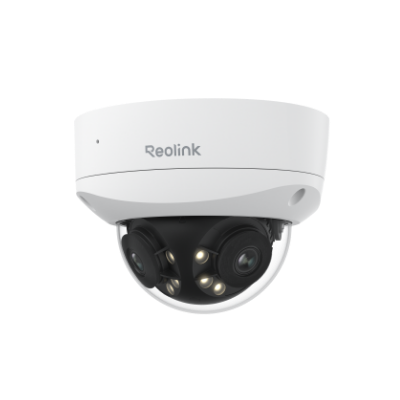
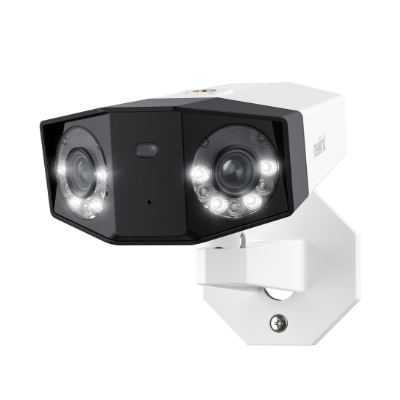
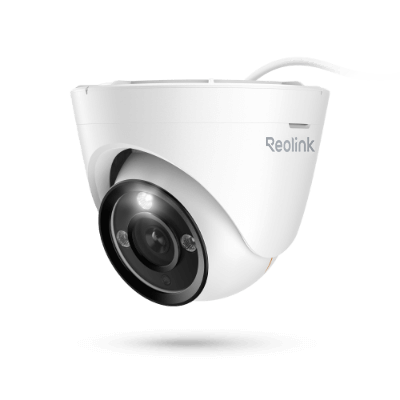
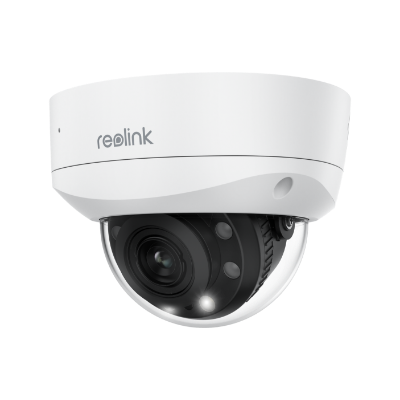
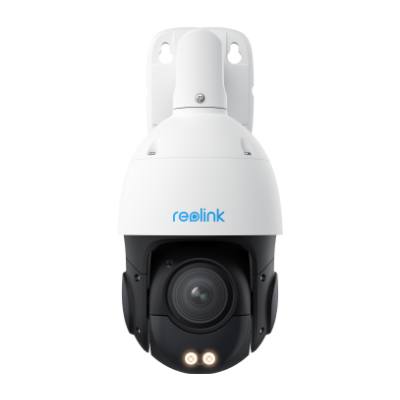
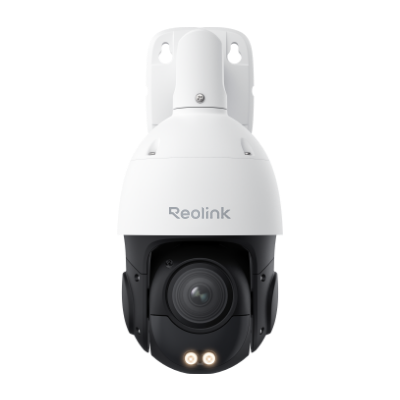
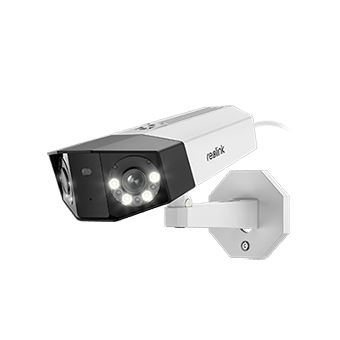
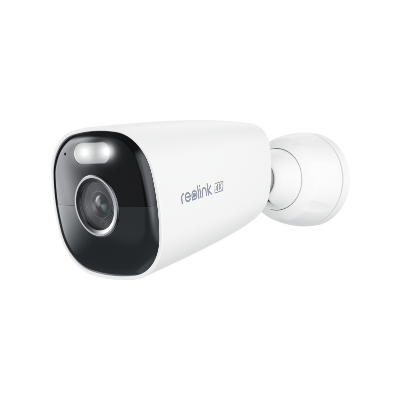
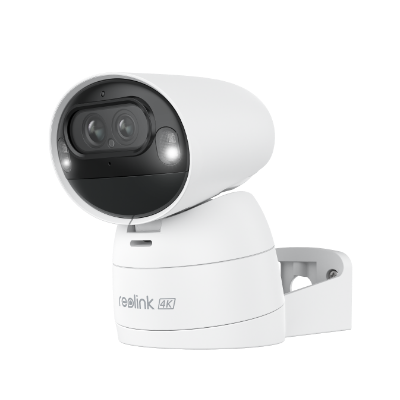
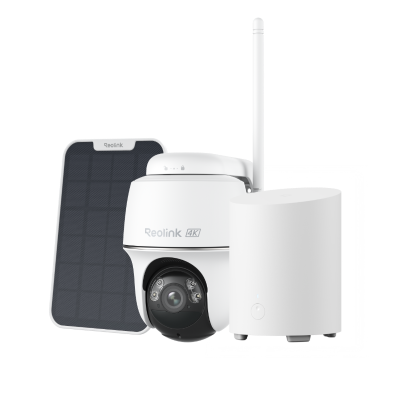
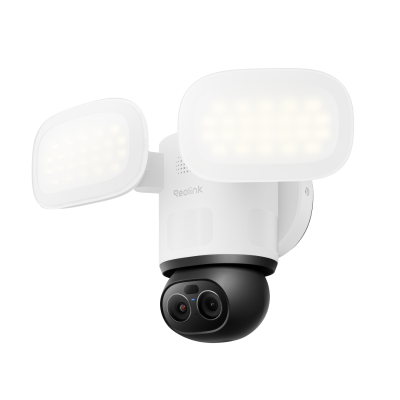
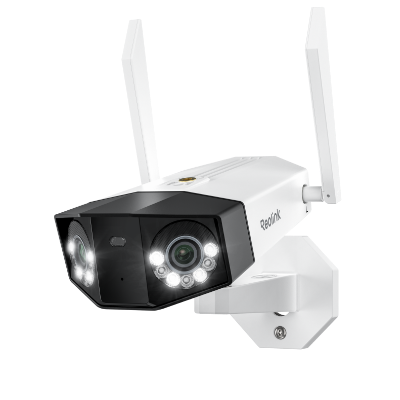
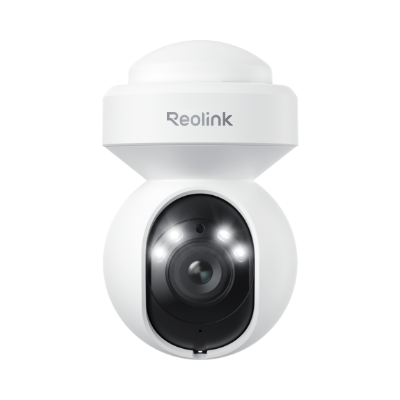
- Lock your car and hide valuables. Smash-and-grab theft often hits visible backpacks on back seats near T stop parking lots. Also, install a security camera near your driveway or garage.

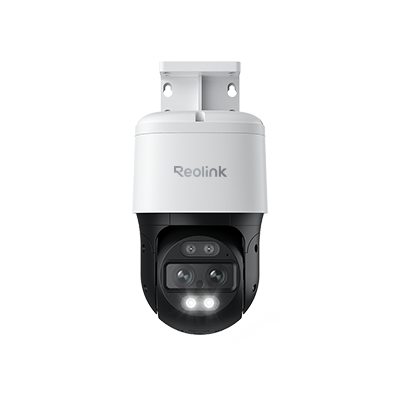
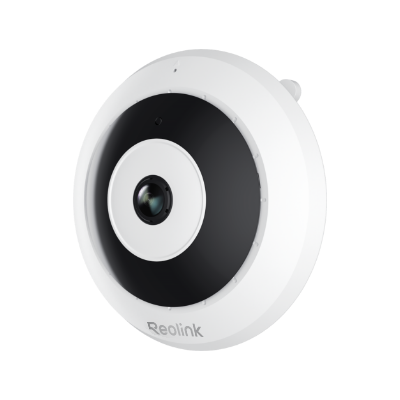
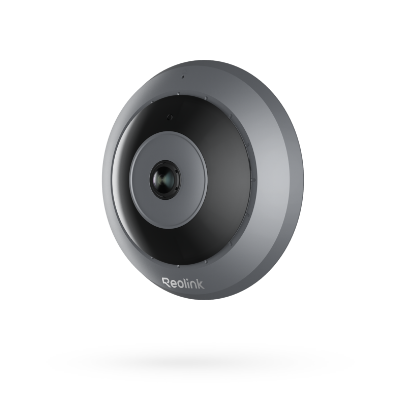
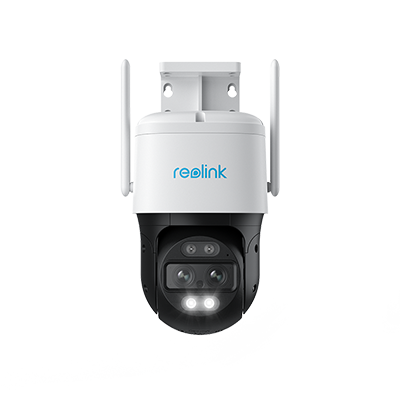
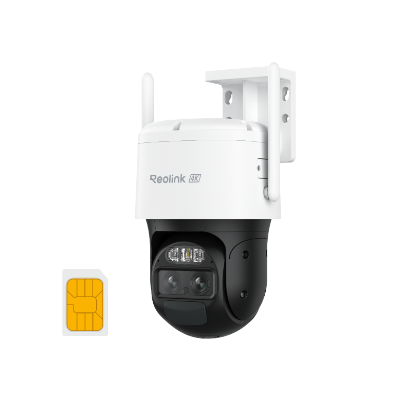
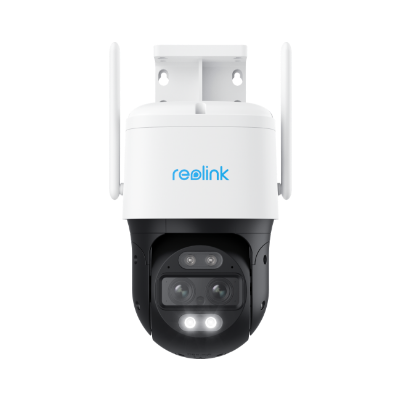
🎉 17th Anniversary NEW Release: 10MP+8MP Triple-Lens 360° Panoramic Pan-Tilt Camera
- 10MP Dual-Lens 180° View & 4K 360° Full Coverage
- PoE Connectivity & Local Storage
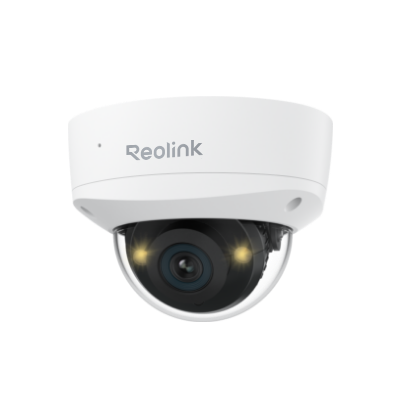
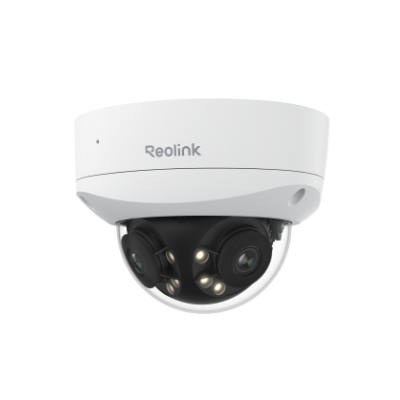
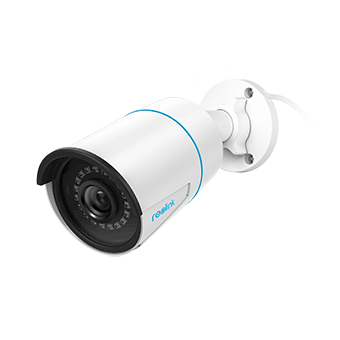
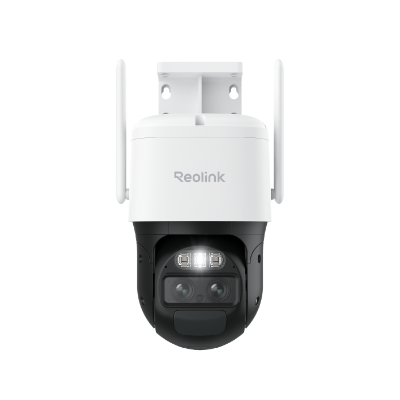
Pro Tip: If you’re renting out a Boston property or traveling during the 2026 FIFA World Cup, monitoring your perimeter is essential. The Reolink OMVI 3i PoE secures your home’s exterior without invading guest privacy, sending instant alerts for line‑crossing or loitering and letting you search hours of footage in seconds with simple AI descriptions."
- Ride the T near the operator’s cab after 10 p.m. You keep closer to surveillance cameras and quick help if needed.
- Download the SaferWatch app. It sends location alerts to police and trusted contacts during an emergency.
- Avoid open alcohol outside bar patios. Public-drinking tickets spike during summer ball games at Fenway.
- Use crosswalks in winter storms. Cars slide on icy asphalt, and jaywalking raises accident risk.
- Trust your instincts. If a street feels empty or tense, pivot to a store or café and wait for a rideshare inside.
FAQs
Is it safe to walk around Boston at night?
Yes, it is safe to walk around tourist hubs like Back Bay and Beacon Hill until midnight, but walking alone in desolate stretches of Dorchester or Roxbury after dark is not advised.
What is the safest major city in the US?
Several rankings place Irvine, California, at or near the top for low violent-crime rates among large cities. Boston sits comfortably in the top tier, often landing in the nationwide top 10 for major-city safety.
Is Boston or Philadelphia safer?
Recent FBI data show Boston’s violent-crime rate is roughly 31 percent lower than Philadelphia’s and a property-crime rate more than 50% lower. Both cities invest in community policing, but Boston’s smaller population and concentrated patrol zones yield steadier results.
Is downtown Boston safe to walk around?
Yes. Downtown Crossing, the Financial District, and Faneuil Hall record lower violent-crime counts than the citywide average. Watch for pickpockets near Quincy Market and keep your phone pocketed while crossing busy avenues.
What areas should I stay away from in Boston?
Boston is generally safe, but extra caution is advised at night in certain areas. Parts of Dorchester, Roxbury, and Mattapan have higher violent crime rates, so stick to main roads and use rideshares after dark. Avoid isolated shortcuts near Roxbury Crossing after midnight, and be cautious around Andrew Square and Broadway in South Boston due to late-night bar activity. In East Boston, daytime visits are fine, but at night remain on well-lit streets around Maverick Square and Eagle Hill.
Is it safe to travel to Boston right now?
Boston is very safe to visit. It consistently ranks among the safest major U.S. cities, and 2026 data shows significant drops in violent crime such as homicides and robberies compared to last year. Property crime remains steady, while tourist areas and business districts are well patrolled and secure.
To stay safe, follow basic precautions. Stick to well-lit streets at night, watch your belongings in crowded areas, and use rideshare services when traveling late in unfamiliar neighborhoods.
Conclusion
Boston keeps its place among America’s safer big cities, with falling homicide counts, strong community programs, and active neighborhood watches. Remember the key phrases—is Boston, Massachusetts, safe, and how safe is Boston? Whenever you plan a move, a semester, or a holiday. Pick well-known neighborhoods, respect late-night common sense, and use transit wisely. Share your own Boston safety tips in the comments—your insights help every reader make better choices.
Search
Subscribe for the Latest Updates
Security insights & offers right into your inbox