












































































How to Request Traffic Camera Footage: Step-by-Step Guide

Traffic cameras document all lane changes, red-light running, and collisions, but most motorists do not consider the video until they require it. Under the circumstances that you have been involved in a collision, been ticketed, or you simply wish to determine what did take place, you need to understand how to request traffic camera footage and how to obtain traffic camera footage before the files are deleted.
Can You Request Street Camera Footage?
Yes, you may demand footage of street cameras, but you have to present a legal justification. Most cameras belong to the public agencies, and these agencies will only publish the video where they are required by law.
You do not require being a lawyer or a police officer, but you must pursue the right actions and meet the timeframes. In the event the video is an open criminal case, the agency may refuse to grant your request until the case is closed. You will be provided with a copy in most other cases when you fill in the appropriate form and pay the necessary fee.
Who to Contact for Traffic Light Camera Footage?
You should be aware of which office has real control of the camera before you make a phone call or send an email. The same job has different names in various places, and this means that time can be saved by seeing the list below.
- City Department of Transportation - This office controls the majority of red lights and intersection cameras within the city limits. Begin here in case the crash or event occurred at an intersection that is lighted.
- County Road Commission - The intersections along the rural roads and highways outside a city are frequently monitored by the counties. Contact this when the camera is on a county road.
- State Highway Patrol or State DOT - The cameras are controlled by state agencies on interstates and U.S highways. Call them whenever the incident occurs on a numbered state route.
- Toll Authority - In case the camera is suspended on a toll or expressway, the video is stored by the toll authority. A license plate number and the time when it happened will be required.
- Local Police Records Division - In many small towns, the task of the police department is to deal with all video requests, even when the camera is owned by the city. The records clerk will inform you where to mail the form.
How to Request Traffic Camera Footage?
Every agency uses slightly different rules, yet the overall path is the same. Follow the steps below for how to get traffic light footage:
Step 1: Determine the Precision of the Camera Position
Record the street names, mile marker, or closest landmark. In case you are not aware of the exact pole number, then use your time stamp from your license plate on your ticket or the police report in order to reduce the search.
Step 2: Recording the Date and Time of the Incident
Videos are deleted by agencies between seven to thirty days unless requested by an individual. Be specific with the minute you have (or a maximum of thirty). The clerk will not be searching for one whole day.
Step 3: Locating the Right Agency and the Person in Authority
Use the bullet list above. Go to the agency site and find the link that contains the words Public Records Request, FOIA, or Video Request. Note down the email address and the actual physical address.
Step 4: Complete the Official Request Form
The majority of the sites provide a single-page form. You will provide your name, address, phone, and the purpose of your need for the video. Get to the point: "Traffic accident on 05/10/25 at 3:15 p.m. is sufficient.
Step 5: Present Evidence of your Participation
Inclusively, include a copy of your driver's license, insurance card, police report, or citation. This informs the agency that you were an attendee of the event and not just a mere curiosity.
Step 6: Pay the Processing Fee
Prices range between ten and fifty dollars, depending on the duration of the clip. Other offices do not charge the fee to crash victims; you still need to mail the form. Pay online or enclose a check.
Step 7: Wait for the Response
The agency is provided with five to fifteen business days to respond under the state law. They will either send a link, a DVD, or a denial letter. In case of their refusal, the letter will indicate the way of appealing.
How to Obtain Traffic Camera Video of a Car Accident?
When the crash is serious and you need the video for insurance or court, treat the request like small-scale litigation. The steps below add extra details that protect your claim.
Step 1: Call the Police and Get the Report Number
The officer on scene will list every camera she sees. Use that list so you do not waste time asking the wrong agency.
Step 2: Send a Preservation Letter the Same Day
Email or fax a short letter that says, “Please preserve all video from Camera 12 at Main and Oak from 2:00 p.m. to 4:00 p.m. on 05/10/25.” This creates a legal duty to keep the file.
Step 3: Complete the Sworn Statement Form
Many states require a sworn statement when you request video of another driver. You will sign in front of a notary that the video is needed for a civil claim.
Step 4: Ask for the Native File and a Standard Copy
The native file keeps the time stamp and GPS data. Your lawyer will want this, while the standard MP4 is fine for the insurance adjuster.
Step 5: Follow Up Every Week
Agencies lose requests. Send a polite email each Friday until you receive the disk or link. Save every reply so you can show a judge you tried.
Other Ways to Get and Request Traffic Camera Footage
When the public camera did not record or the agency denies, you still have options. Check the list below and act fast, because private owners also overwrite files.
- Private dash cams – Ask every driver who stopped. Most people will share the file if you give them a blank flash drive and pay them ten dollars for their time.
- Nearby business or home security cameras – Walk into the store or knock on the door. Offer to sign a simple letter that says you will use the video only for insurance.
- Witness footage – Bystanders often record on phones. Post a short request on the local Facebook or Nextdoor group and ask witnesses to email you.
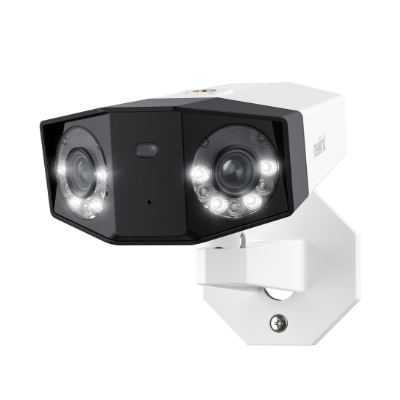
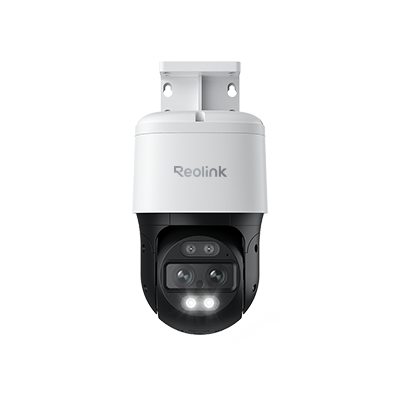
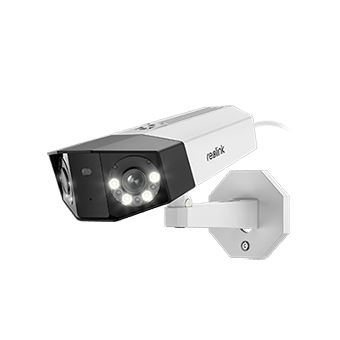
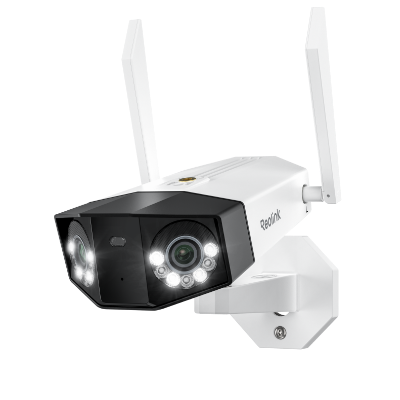
Groundbreaking 16MP Dual-Lens PoE Camera
16MP UHD, Dual-Lens, Motion Track, 180° Wide Viewing Angle, Power over Ethernet, Color Night Vision.
Tips for a Successful Camera Footage Request
A clear request moves to the top of the pile. Use the tips below to avoid the most common delays and learn how to get traffic light footage.
- Ask within five days – Most systems recycle tapes after one week. Mark your calendar for the day of the crash.
- Use the exact legal time – Traffic cameras use a 24-hour clock. Write “15:17” instead of “3:17 p.m.” so the clerk does not search for the wrong hour.
- Keep your letter under one page – Long stories confuse the clerk. Stick to date, time, place, and your contact info.
- Send a self-addressed stamped envelope – When you mail the form, include an envelope with your address and postage. Many offices still return DVDs by mail.
- Save the chain of custody – When the disk arrives, write the date and seal it in an envelope. Your lawyer will need this later.
FAQs
How do you get a video footage of an accident?
Fill out the agency’s public records form, attach the police report number, pay the fee, and ask for the exact date and time. Most offices email a link within ten days.
How do I get camera footage?
Identify who owns the camera, complete their request form, show proof you were involved, and pay any costs. Follow up weekly until you receive the file.
How do I ask for camera footage?
Send a short letter or email that lists the location, date, time, and your contact details. State you need the video for insurance or legal purposes and attach ID.
Conclusion
You now know how to request traffic camera footage and how to obtain traffic camera footage without hiring an attorney. Start with the correct agency, fill out the form fast, and give exact details.
When you move quickly and follow each step, you secure the proof you need for insurance, court, or your own peace of mind. If this guide helped you, share your experience in the comments so other drivers can learn from your story.
Search
Subscribe for the Latest Updates
Security insights & offers right into your inbox