
Coldest States in the US: Top 15 Freezing Destinations
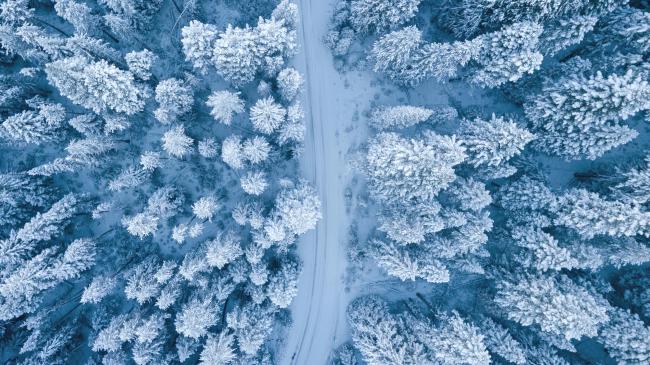
The US has the coldest states, which are not simply traveling peculiarities, but these aspects define the way millions of Americans live, drive, work, and heat their dwellings on a daily basis. In the ice-locked North Dakota, through the wind-shriven Alaska, these are the coldest states in the US, which record temperatures that may go down to less than minus thirty degrees Fahrenheit.
Learning about the coldest US states is beneficial to winter travelers, as well as newcomers and even online shopping entrepreneurs who require winter gear that does not crack in the cold.
How Cold Are the Coldest US States?
The best picture is provided by winter averages. In the low forty-eight, the mean temperature of the state in January lies between ten and eighteen degrees Fahrenheit in the coldest category. Alaska is different; the mean temperature of the state is nearly three degrees, but a town may have an average of- twenty-two. These figures are provided by the National Oceanic and Atmospheric Administration, and they extend to a thirty-year climate normal.
Top 15 Coldest States in the US
The top 15 coldest states in America below utilize the thirty-year normal of the mean of the three principal winter months: December, January, and February. The order is based on the official NOAA climate divisions and includes every coldest state in USA that averages below twenty-two degrees in that period.
Alaska
Alaska is the coldest state in the USA. In the town of Fairbanks, on the inside, the mean of January in 2004 is minus sixteen, with a low official record of minus eighty at Prospect Creek Camp in the year 1971. The cold is secured for months with long winter nights, snow, and great continentality.
North Dakota
North Dakota sits in the geographic center of North America. Flat prairie lets Arctic air roll south without any mountain barrier. The state-wide December to February average is just under thirteen degrees. Wind chills of minus fifty occur almost every winter.
Minnesota
Minnesota is the North Pole of forty-eight. The far north end usually goes to minus thirty. The lowest-forty-eight of minus sixty was recorded by the state in Tower in 1996. In the north, over a dozen nights a year are below zero.
Maine
Maine is not warmed by the sea, or even mountain-guarded. In the far northeast, the average temperature in January is four degrees, Caribou. The snow cover is heavy, returning sunlight and enhancing the chill. Seaside parts are less severe, and inland defiles down to minus thirty.
Wyoming
The cold air at night is trapped in plains and basins in Wyoming. Bondurant has the state record of minus sixty-six. Bright skies and gentle winds allow the earth to warm up fast, thus every morning begins below zero.
Montana
Montana’s eastern half faces the full blast of Canadian outbreaks. Cut Bank and Havre often start February mornings near minus forty. The Continental Divide blocks Pacific mildness, leaving the plains exposed.
Vermont
Vermont’s Green Mountains sit squarely in the path of northerly flow. Burlington averages ten degrees in January, but mountain valleys drop lower. Snow depth can exceed thirty inches, locking in the cold.
Wisconsin
Wisconsin sticks out into the path of Alberta Clippers. Hayward and Ladysmith have recorded minus fifty-five. The Great Lakes add cloud cover, but when skies clear, radiational cooling is fierce.
New Hampshire
New Hampshire’s Mount Washington Observatory once recorded minus forty-seven and a wind speed of 231 mph on the same day. The low spots are not that brutal, but Berlin and Pittsburgh still average single digits.
Idaho
Idaho surprises many because the Panhandle lies far north and at a decent elevation. Stanley, at six thousand feet, averages minus five in January and holds the state record of minus sixty.
South Dakota
South Dakota is split between the milder Black Hills and the frigid plains. Aberdeen and Watertown often spend full weeks below zero. The Missouri River valley channels the cold south.
Michigan
Michigan’s Upper Peninsula behaves more like northern Minnesota. Ironwood and Marquette can stay below freezing for three straight months. Lake-effect snow adds insulation that keeps nights cold.
Colorado
Colorado’s mountains create sharp, cold pockets. Fraser, nicknamed the Icebox of the Nation, averages minus two in January. The state record of minus sixty-one was set in Maybell on a calm, clear night.
New York
New York’s Adirondacks supply the chill. Old Forge and Tupper Lake dip to minus forty most winters. The rest of the state moderates, but the northwest plateau stays in the deep freeze.
Iowa
Iowa is the last on the list since it occupies the same prairie highway as the Dakotas. The average of the three winter months in Mason City is fourteen degrees, with the state record of minus forty-seven.
Why Does Winter Hit Harder in These Coldest US States?
These states are so cold due to a number of factors accumulating. All of them are like a building block that causes a drop in the temperature by several degrees.
-
High Latitude: In January, the sun only elevates itself twenty degrees above the horizon, and this means that feeble rays pass through the snow and reflect off the space.
-
Continentality: Water does not warm up as slowly as land. States that are not in proximity to oceans experience the whole whip of the change of season.
-
Altitude: This is because even thin air at high altitude does not absorb much heat, and the clear nights also ensure that the heat dissipates very fast.
-
Snow Cover: Snow is a bright reflector of sunlight and reflects nearly ninety percent of the sunlight, thus providing little energy to the ground because of the shortening of the days.
-
Arctic Air Tracks: More frequently jet stream may be seen to descend south of the Canadian border that pulling in oil that was under polar night right into the northern Plains and New England.
-
The Unremitting High Pressure: The high pressure of dry air is of a dry air that sinks underneath the clouds and allows the surface to radiate overnight.
Tips for Visiting or Living in Coldest State in the US
People can live comfortably in the coldest states of the US only in cases they plan everything to cope with the sub-zero reality. The guidelines are not complicated, yet any of the violations can even make a usual journey or a trip to the neighborhood mailbox a life-threatening situation.
-
Dress in Real Layers: The first layer is a moisture-wicking synthetic undergarment that is enhanced with insulation made of wool and completed with an outer shell that keeps out wind. Cotton is poisonous when consumed, absorbing sweat and pulling away heat from the human skin.
-
Dress in Winter Kit: Have jumper cables, a tow strap, a sleeping bag with zero rating, a metal coffee can with candles to keep warm, and at least a full gallon of fresh water.
-
Keep the Engine Running: When you are stuck, idle 10 minutes an hour, open a window on the downwind side, and keep the tailpipe free of snow to prevent carbon monoxide.
-
Conserve Pipes: Leave faucets dripping, cabinet doors open, and have the thermostat at fifty-five even when you are away. A burst pipe has the capacity to fill a house and solidify in a few hours.
-
Turn on Engine Block Heaters: Choose the plug-in heater four hours prior to your start-up of the car. The oil freezes into tar at less than thirty degrees, and a cold start may ruin the engine.
Do Security Cameras Really Work in the Coldest States in America?
Yes, modern security cameras keep recording well below zero, but only if you choose hardware built for the job. Standard units may fail when plastic housings crack and batteries drop voltage.
But Reolink outdoor cameras stand out: battery-powered models use lithium packs rated for temperatures below 0°C, while PoE models—such as the Elite Pro Floodlight PoE—offer continuous power and a reliable network connection.
You can place the camera under an eave to block falling ice, run the cable through the wall so condensation cannot creep in, and the system will stream crisp 4K footage even on the night the thermometer bottoms out.
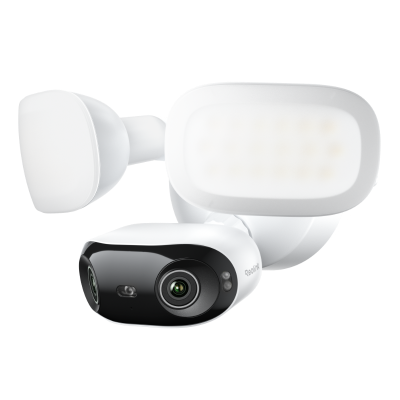
Smart 16MP PoE Dual-lens Floodlight Camera with 180° Panorama
16MP Ultra HD View, 180-Degree Ultra-Wide Panorama, 2800-Lumen Adjustable Floodlights, Adjustable Color Temperature (3000K–6500K).
FAQs
What state has the worst winter?
Alaska faces the longest, darkest, and coldest winter. Towns like Utqiagvik see no sunrise for two months, and inland valleys drop below minus forty for weeks at a time, making outdoor work risky without special gear.
Where is it cold all year round in the US?
Alaska’s North Slope and high mountain spots in Colorado stay cold every month. Prudhoe Bay averages thirty-eight degrees even in July, and Stanley, Idaho, has never recorded a hundred-degree day.
What state has the longest winter?
Alaska again leads because snow can fly in September and stay on the ground until May. Interior towns measure a snow season of nearly eight months, far longer than any lower-forty-eight location.
Conclusion
The coldest states in the US stretch from the Arctic coast of Alaska to the lake-effect snow belts of Michigan and New York. High latitude, distance from oceans, elevation, and snow cover team up to drive winter averages into single digits or lower.
Living or traveling in these places is safe and even enjoyable when you respect the cold, dress in layers, winterize your car and home, and choose electronics rated for sub-zero duty. Do you already live in one of these freezing destinations, or are you planning a visit? Share your own cold-weather story and tell us which tip kept you warm.
Search
Subscribe for the Latest Updates
Security insights & offers right into your inbox