







Best Outdoor PoE Security Cameras & Systems in 2026
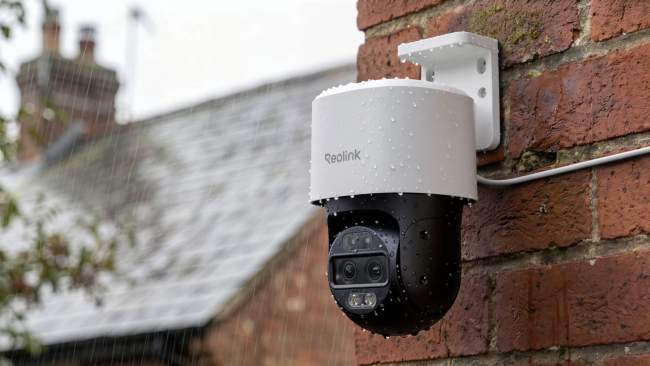
Outdoor PoE security cameras provide a reliable solution for continuous outdoor surveillance by transmitting both power and data through a single Ethernet cable. With stable connectivity, 24/7 recording support, and options ranging from fixed cameras to PTZ and dual-lens models, they are well suited for monitoring entrances, driveways, yards, and other outdoor areas.
In this guide, we'll cover the different types of outdoor PoE cameras, compare the best outdoor PoE cameras and systems, and explain the key factors to consider when choosing the right option for your property.
Different Types of Outdoor PoE Security Cameras
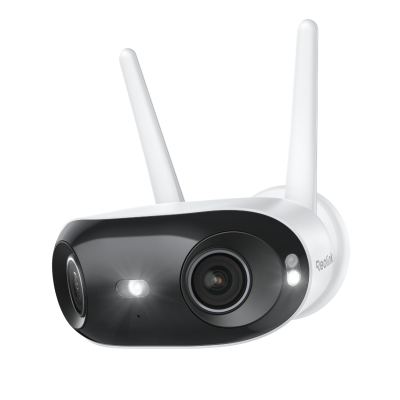
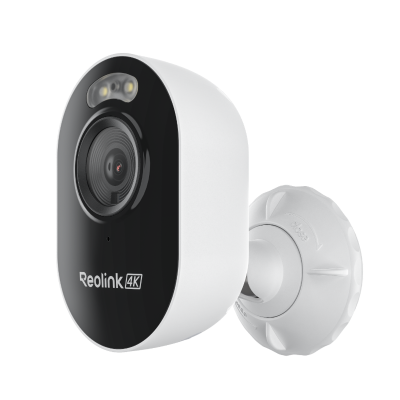
Outdoor PoE security cameras come in different designs and coverage styles. The most common types include bullet, dome, PTZ, and dual-lens cameras, each suited to different outdoor monitoring needs.
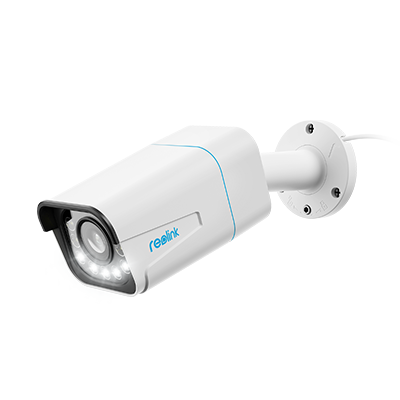
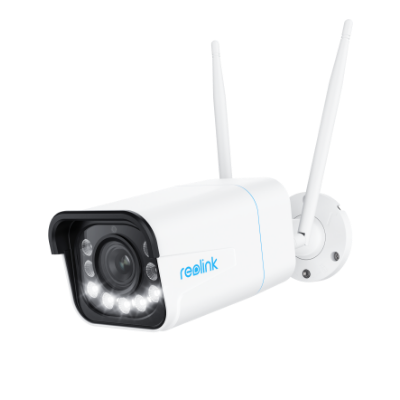
Outdoor PoE Bullet Cameras
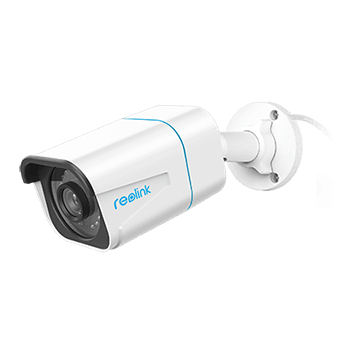
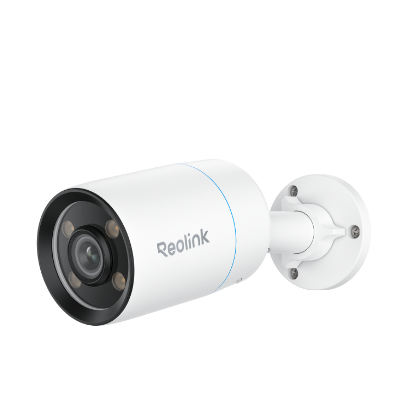
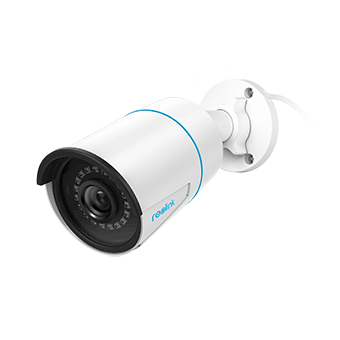
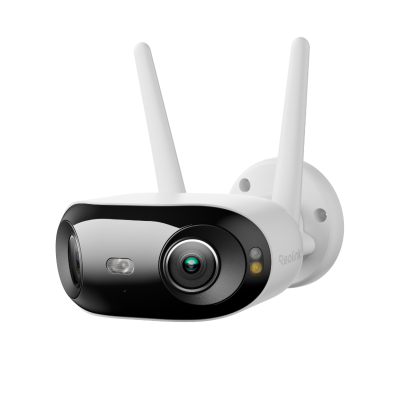
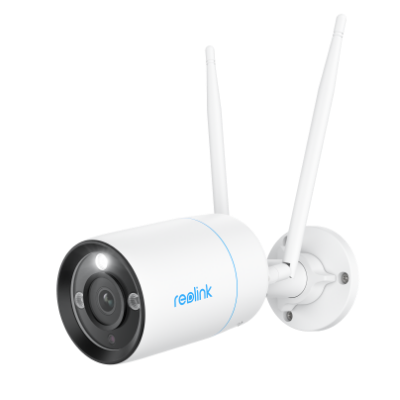
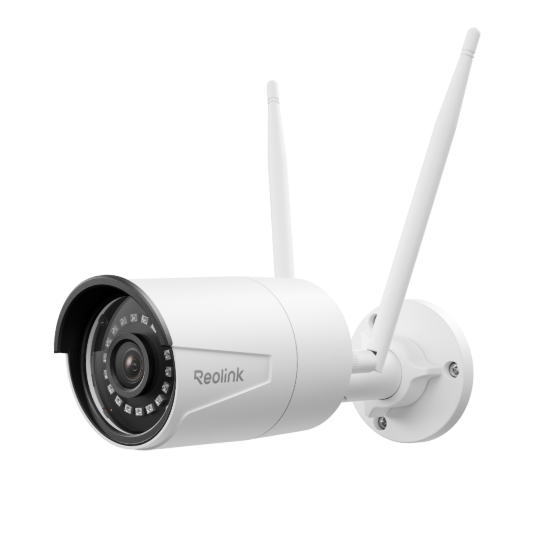
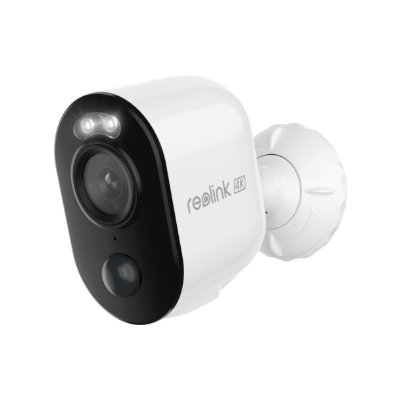
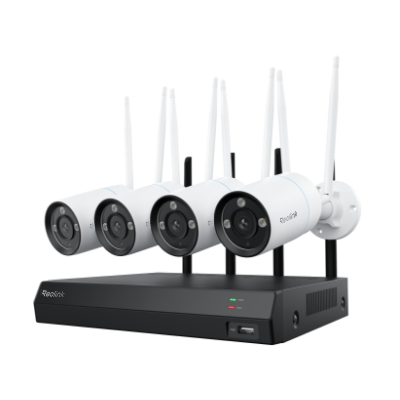
Bullet PoE cameras have a visible, directional design that makes it easy to aim the camera at a specific area. They are commonly installed on exterior walls or under eaves to monitor driveways, entrances, backyards, and property boundaries.
Their fixed viewing direction makes them a practical choice when you already know which area needs continuous monitoring.
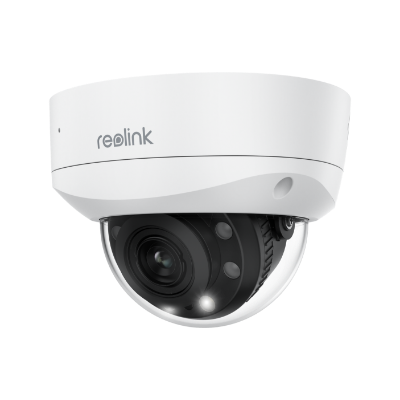
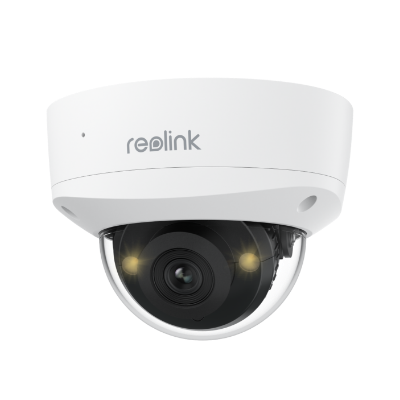
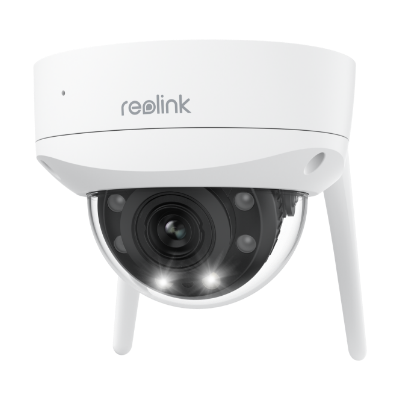
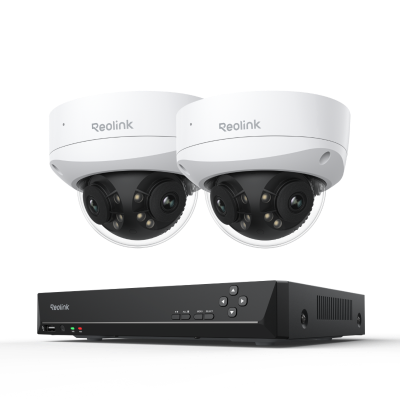
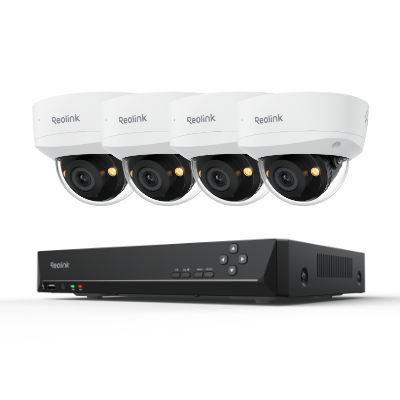
Outdoor PoE Dome Cameras
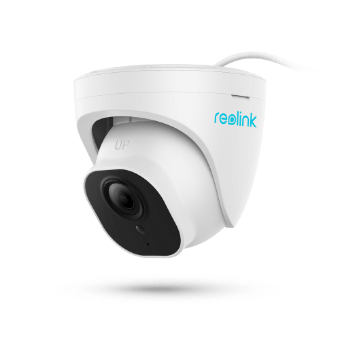
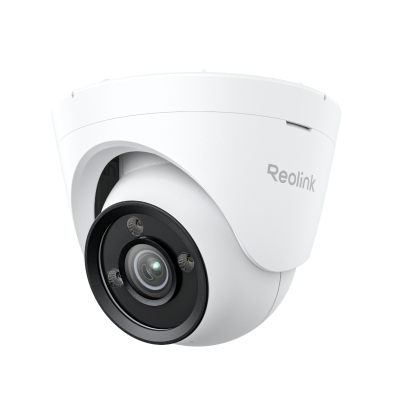
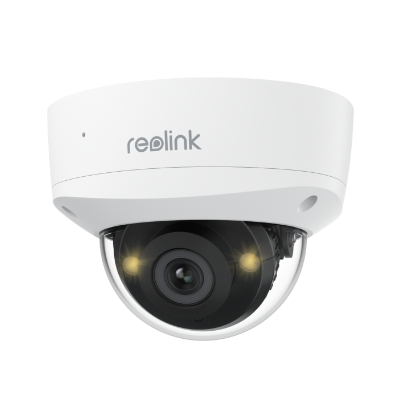
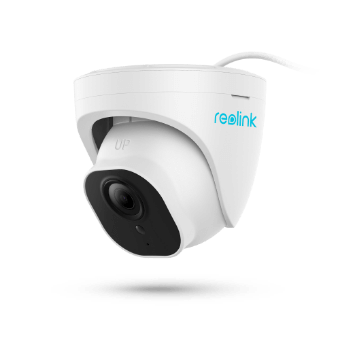
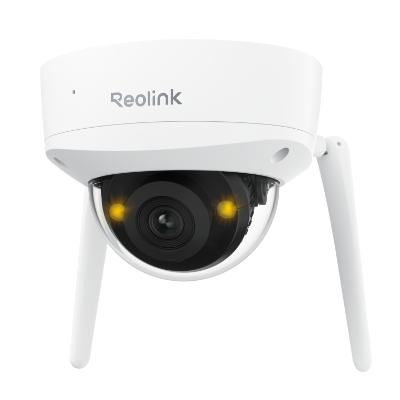
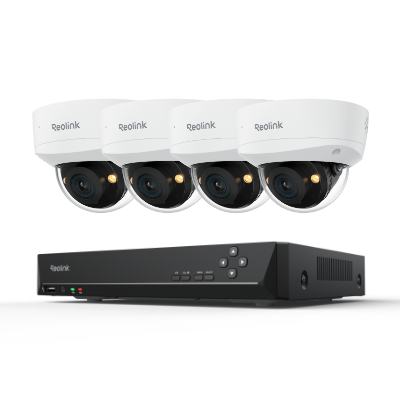
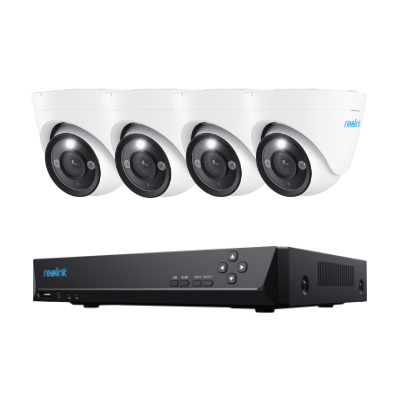
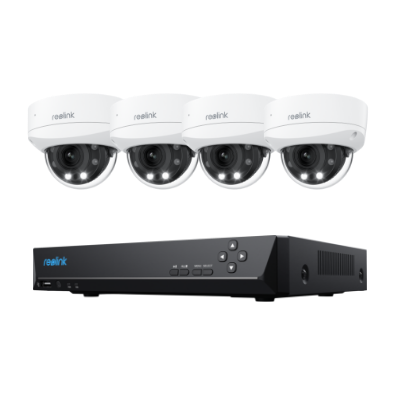
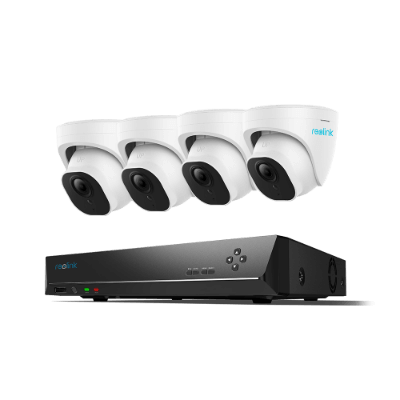
Dome PoE cameras feature a compact, low-profile housing that blends more naturally into the installation environment. They are commonly mounted under eaves, on porches, or on ceilings around entrances and other covered outdoor areas.
Some outdoor dome models also feature vandal-resistant housings, making them suitable for locations where the camera may be within reach.
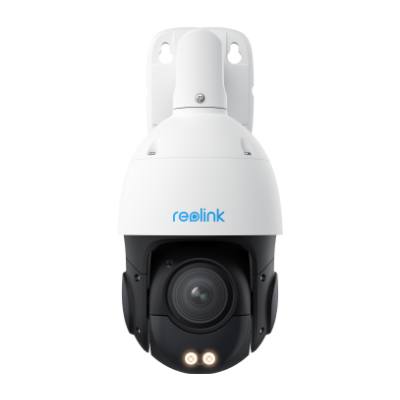
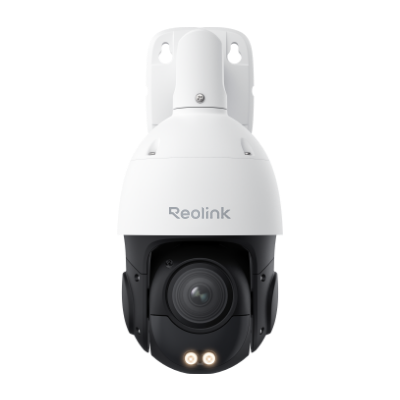
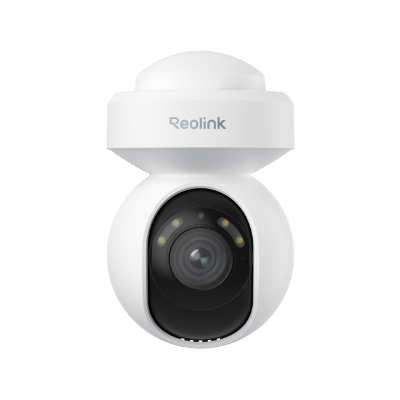
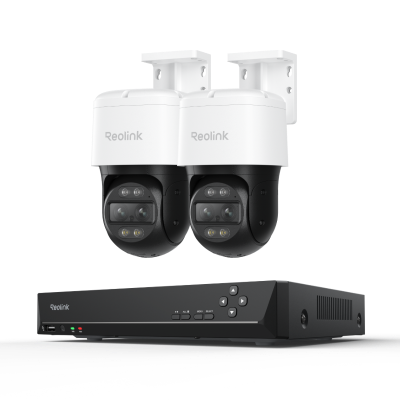
Outdoor PoE PTZ Cameras
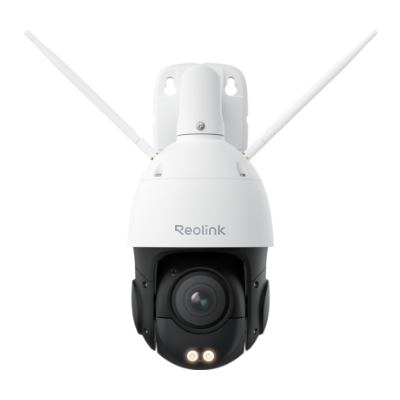
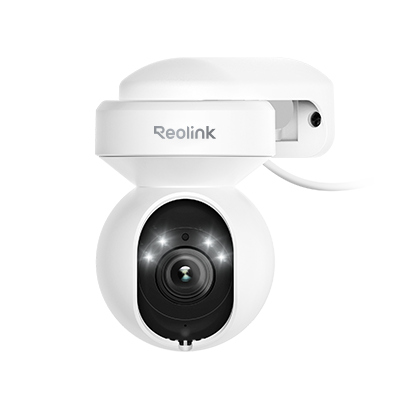
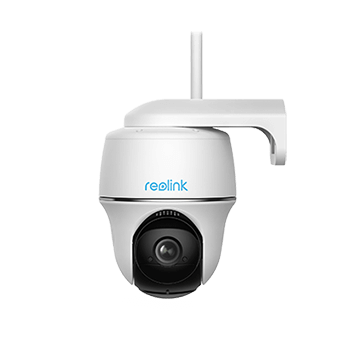
PTZ PoE cameras can pan and tilt to monitor a much larger area than a typical fixed camera. Some models also support optical zoom and automatic tracking to follow moving people or vehicles.
They are particularly useful for large yards, parking areas, construction sites, and other open spaces where a single fixed viewing angle may not provide enough coverage.
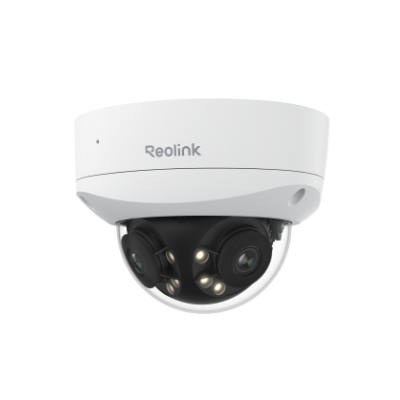
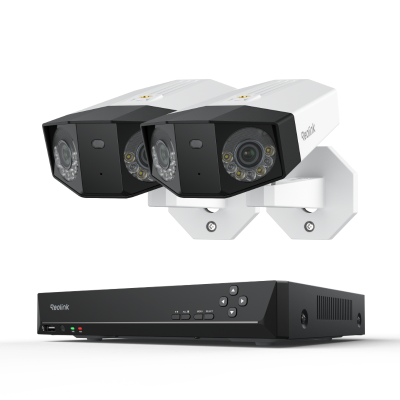
Outdoor Dual-Lens PoE Cameras
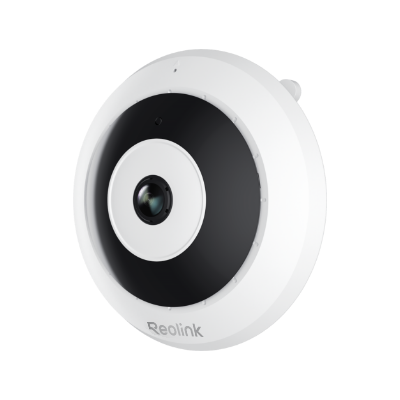
Dual-lens PoE cameras use two lenses to provide wider or more detailed coverage. Panoramic models can combine the two views into a single ultra-wide image, reducing blind spots without requiring multiple fixed cameras.
They are well suited to wide driveways, front yards, building entrances, and other areas where broad continuous coverage is more important than physically rotating the camera.
How to Choose PoE Outdoor Security Cameras & Systems?
1. Video Resolution
Resolution determines how much detail a PoE camera can capture. 2K is generally sufficient for basic outdoor monitoring, while 4K or higher resolution is better suited to driveways, yards, and other areas where greater image detail is important.
Higher resolution also requires more storage, especially for 24/7 recording. Consider both image quality and available NVR storage rather than simply choosing the highest resolution.
2. Field of View and Coverage
Choose the camera's coverage based on the size and layout of the monitoring area. A fixed PoE camera works well for entrances and specific areas, while a wide-angle or dual-lens camera can cover larger spaces with fewer blind spots.
For large yards, parking areas, or other open spaces, a PTZ camera can provide broader coverage through pan and tilt. The original article similarly highlights wide FOV and PTZ cameras for monitoring larger properties.
3. Night Vision
For outdoor monitoring after dark, consider both the type and range of night vision. IR night vision works in very low-light or completely dark environments, while color night vision can retain more visual detail when supported by ambient lighting or a built-in spotlight.
The required range depends on the location. A porch or entrance usually requires less range than a long driveway, large backyard, or commercial property.
4. Smart Detection and Alerts
Look for PoE cameras that can distinguish between people, vehicles, and animals rather than relying only on basic motion detection. More accurate detection can reduce unnecessary notifications caused by common outdoor movement.
For more control, consider adjustable sensitivity and detection zones. Auto tracking can also be useful for PTZ cameras installed in larger areas where moving targets need to be followed.
5. Outdoor Durability
Check the weather-resistance rating and operating temperature before installing a PoE camera outdoors. IP66 or IP67-rated models are designed to withstand common outdoor exposure to rain and dust, while the operating temperature should match your local climate.
For cameras installed in easily accessible or public locations, consider a vandal-resistant design as well. An IK10 rating provides additional protection against physical impact.
6. Storage and System Capacity
For 24/7 recording, check whether the cameras support NVR recording and consider how much storage you need. Higher resolutions, more cameras, and longer retention periods all increase storage requirements.
When choosing a complete PoE camera system, also consider NVR channel capacity. An 8-channel system may be sufficient for a typical home, while larger properties and businesses may benefit from 16 or more channels, especially if additional cameras will be added later.
Reolink PoE Outdoor Security Cameras & Systems Recommendations
There are tons of choices when you buy outdoor PoE IP cameras, including expensive or cheap ones, visible or unnoticeable types, etc.
To help you choose outdoor PoE security cameras easier, we share some of the popular and best outdoor PoE cameras and systems.
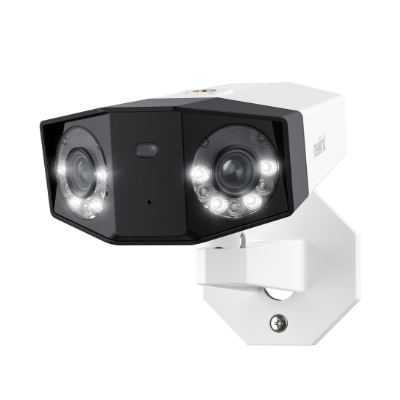
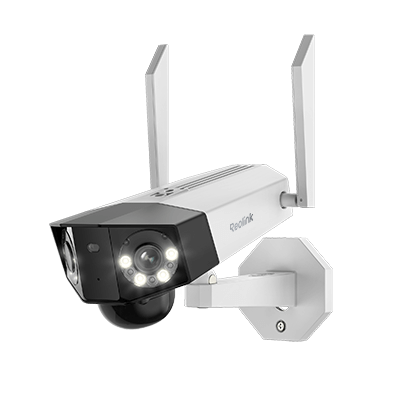
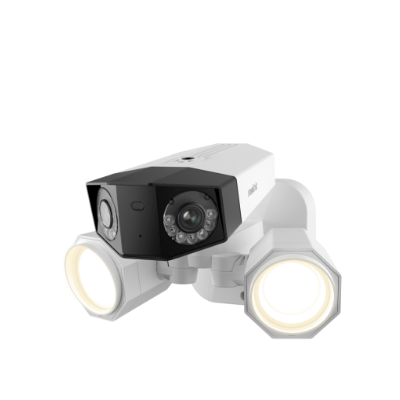
Best Dual-Lens PoE Camera for Wide Outdoor Areas — Reolink Duo 2 PoE
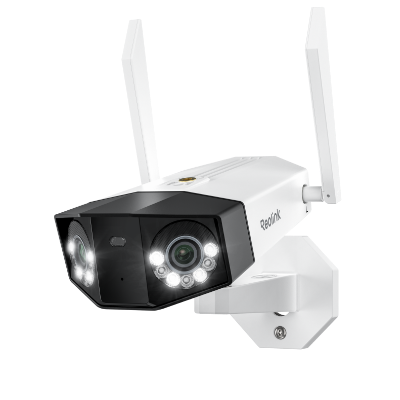
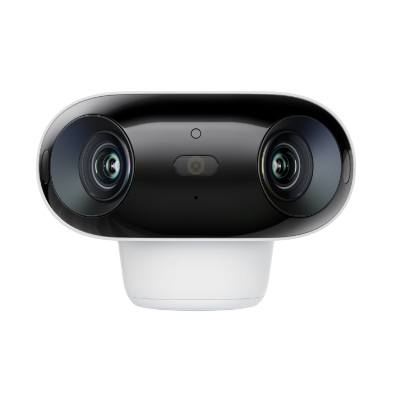
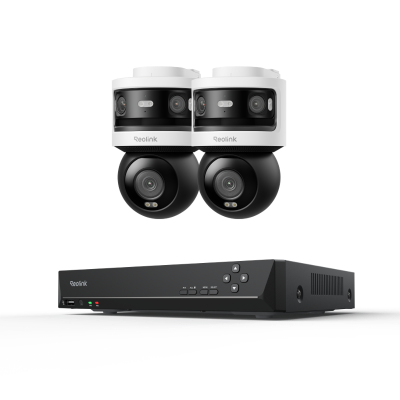
For wide driveways, front yards, and building entrances, Reolink Duo 32 PoE combines two lenses to provide a seamless 180° panoramic view. Its 4K resolution captures detailed footage across a wide scene, reducing the need to install multiple fixed cameras to cover the same area.
Motion Track summarizes a moving person's path in a single image, making it easier to review activity across large outdoor spaces. The camera also supports person, vehicle, and animal detection, color and IR night vision, and 24/7 recording for continuous outdoor monitoring.
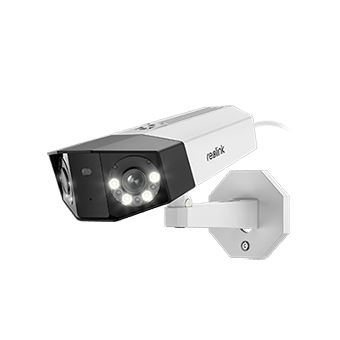
Smart 4K Dual-Lens PoE Camera
4K 8MP Super HD, Dual-Lens, Person/Vehicle Detection, 180° Wide Viewing Angle, Power over Ethernet, Color & Infrared Night Vision.
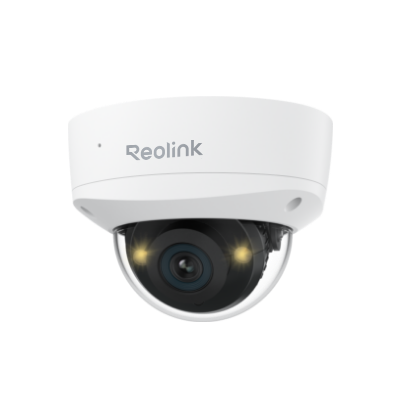
Best Dome PoE Camera for Entrances and Exposed Areas — Reolink Duo 3V PoE
For porches, entrances, storefronts, and other outdoor locations where the camera may be exposed to weather or physical impact, Reolink Duo 3V PoE combines a dome-style housing with IK10 vandal resistance and IP67 weather resistance.
Its dual lenses deliver a 180° panoramic view in up to 16MP resolution, making it suitable for monitoring wide entrances without sacrificing image detail. It also supports both IR and color night vision, providing flexible monitoring for outdoor areas during the day and at night.
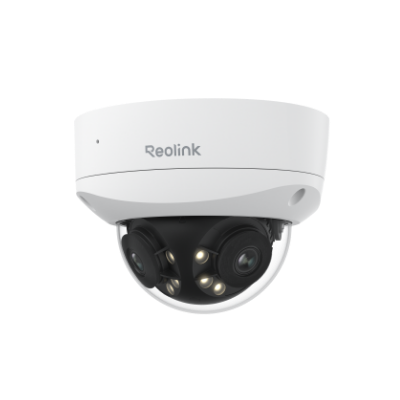
16MP Dual-Lens IK10 Vandal-Proof PoE Camera
16MP Ultra HD, 180° Panorama, Motion Track, IK10 Vandal-Proof, color night vision.
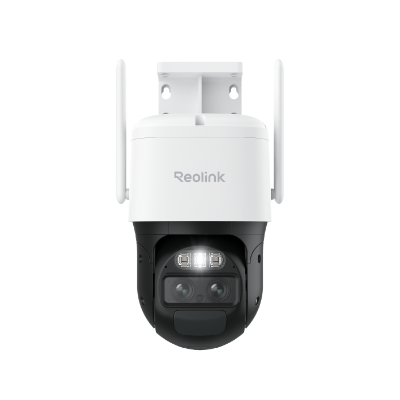
Best PTZ PoE Camera for Tracking Moving Targets — Reolink TrackMix PoE
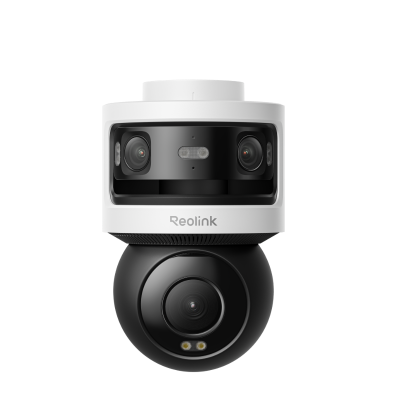
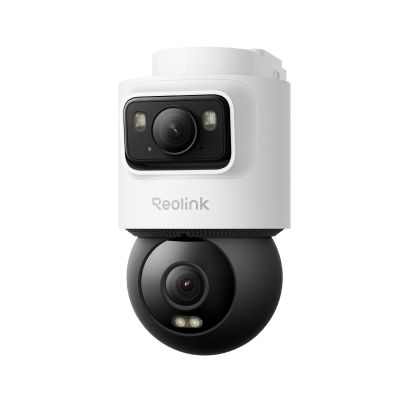
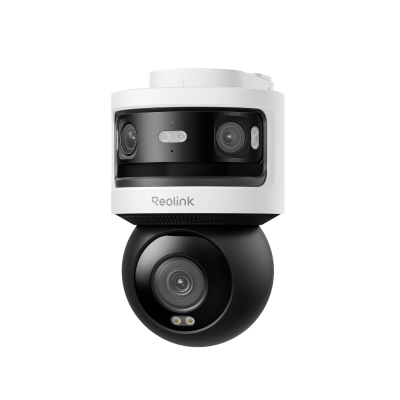
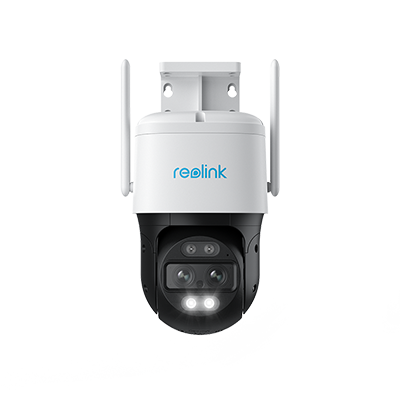
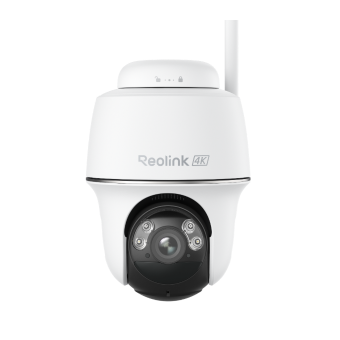
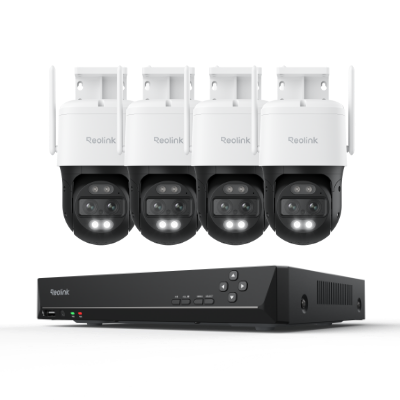
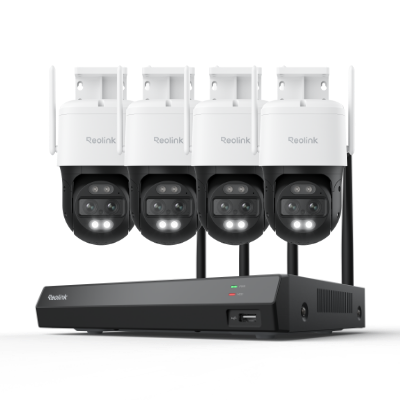
For large yards, driveways, parking areas, and other spaces where people or vehicles move across the scene, Reolink TrackMix PoE combines PTZ coverage with dual-lens auto tracking. It can pan 355° and tilt 90° to follow detected people, vehicles, and animals rather than monitoring only one fixed direction.
The wide-angle and telephoto lenses provide both an overview and a closer view of moving targets, while 6X hybrid zoom provides additional detail. With 4K 8MP video, color and IR night vision, and support for 24/7 recording, it is particularly suited to active outdoor areas where tracking is more important than fixed panoramic coverage.
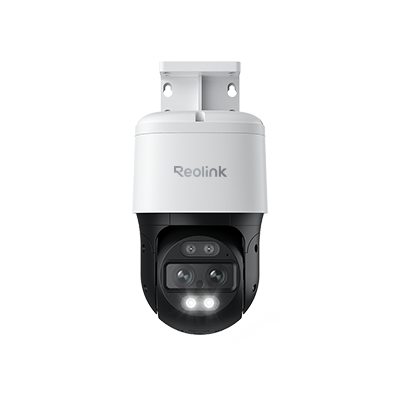
4K Dual-Lens PTZ Camera with Dual Tracking
4K 8MP Ultra HD, Wide & Telephoto Lenses, Pan & Tilt, Auto-Tracking, Person/Vehicle Detection, Power over Ethernet, Two-Way Audio.
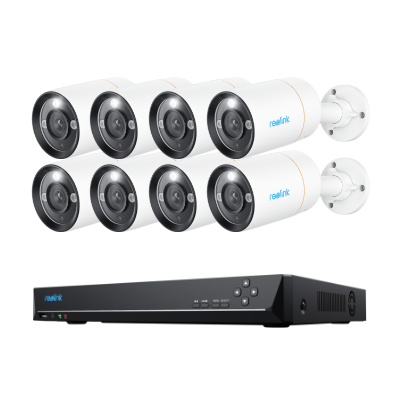
Best PoE Camera System for Whole-Property Security — Reolink RLK16-1200D8-A
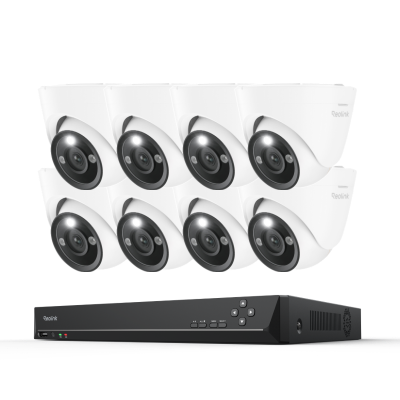
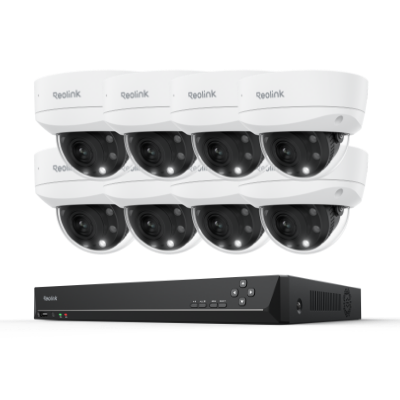
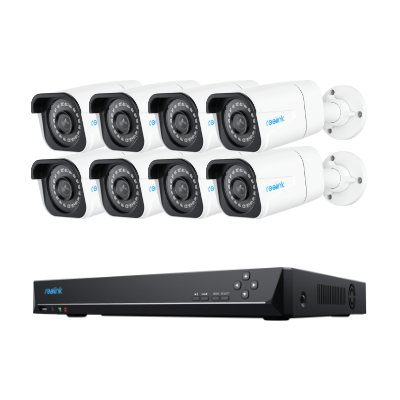
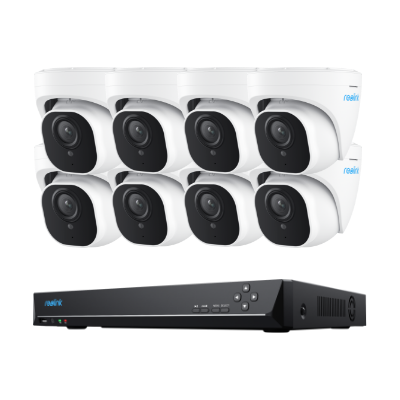
For large homes and properties that need multiple cameras, Reolink RLK16-1200D8-A provides a complete PoE system for monitoring several outdoor areas at the same time. Its eight 12MP PoE cameras can be placed around front doors, driveways, garages, backyards, and side entrances for more comprehensive property coverage.
The 16-channel NVR provides centralized 24/7 recording and leaves additional channels available for future expansion. This makes the system a better choice than a standalone PoE camera when you need continuous surveillance across multiple areas of a property.
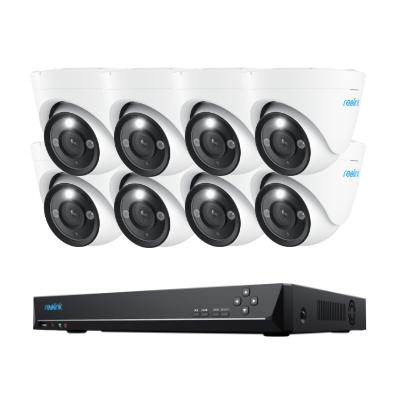
12MP PoE Security System with Color Night Vision
12MP Ultra HD, Person/Vehicle Detection, Power over Ethernet, 16-Channel NVR.
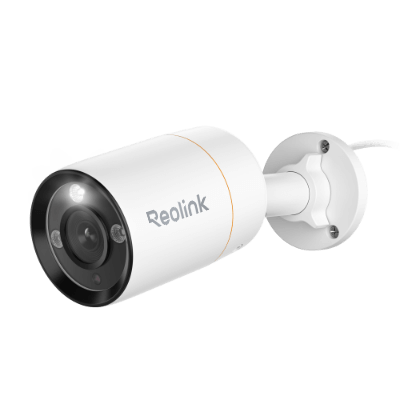
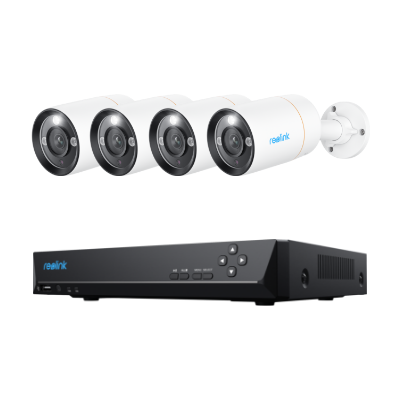
Best Bullet PoE Camera System for Driveways — Reolink RLK8-811B4-A
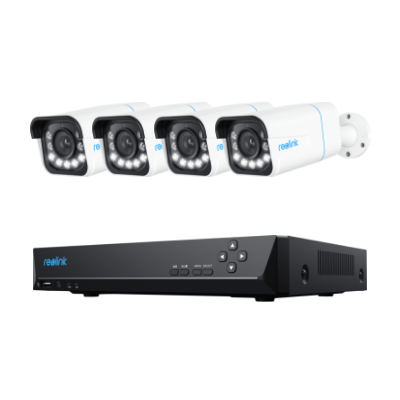
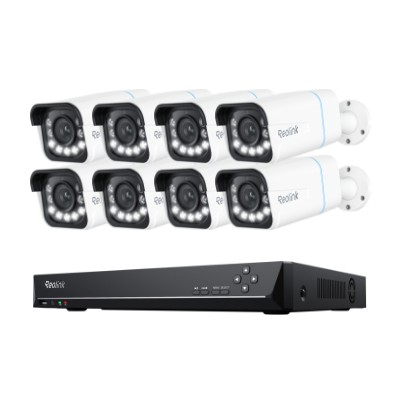
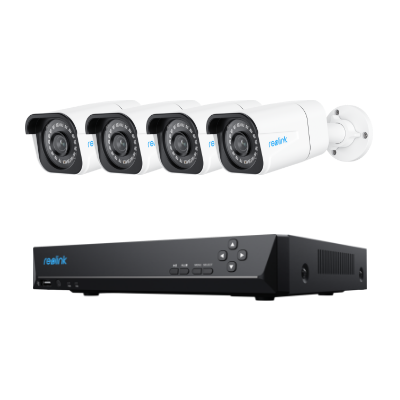
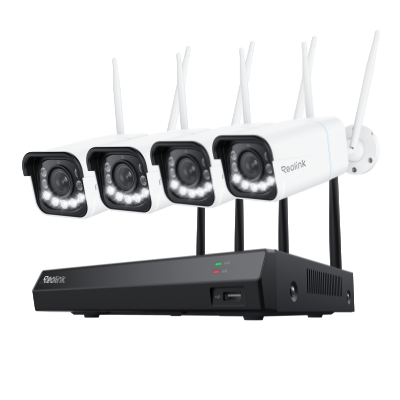
For driveways, entrances, and other outdoor areas where you need to monitor both wide scenes and distant details, Reolink RLK8-811B4-A combines 4K 8MP bullet cameras with 5X optical zoom. The adjustable 31°–105° horizontal field of view allows you to monitor a broader area or zoom in on specific points without sacrificing image quality.
The system also supports color and infrared night vision, person/vehicle/animal detection, and 24/7 recording. Its 8-channel NVR comes with a built-in 2TB HDD, making it a practical option for homes that need several outdoor cameras with centralized local recording.
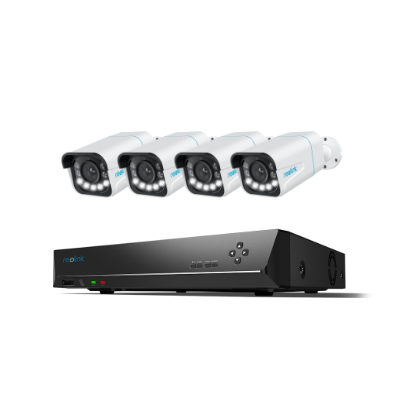
4K 8-Channel PoE Security System
4 pcs 4K Ultral HD Security Cameras; 2TB HDD 8-Channel NVR for 24/7 Recording; Person/Vehicle Detection; Plug & Play; 2 Network Solutions.
Where to Place Outdoor PoE Security Cameras & Systems?
The best place for an outdoor PoE camera is where it can clearly cover important entry points and high-traffic areas while remaining protected from weather, tampering, and unnecessary obstructions. Before installation, consider your property's layout, camera field of view, and Ethernet cable route to determine how many cameras you need and where each one should go.
Prioritize Entrances and High-Risk Areas
Start with areas where people or vehicles are most likely to enter the property, such as front and back doors, driveways, garages, side entrances, gates, and accessible ground-floor windows.
For a multi-camera PoE system, distribute cameras across these locations rather than concentrating several cameras in one area. Wide-angle or dual-lens cameras can cover broad driveways and yards, while fixed bullet or dome cameras work well for specific entrances.
Mount Cameras at a Suitable Height and Angle
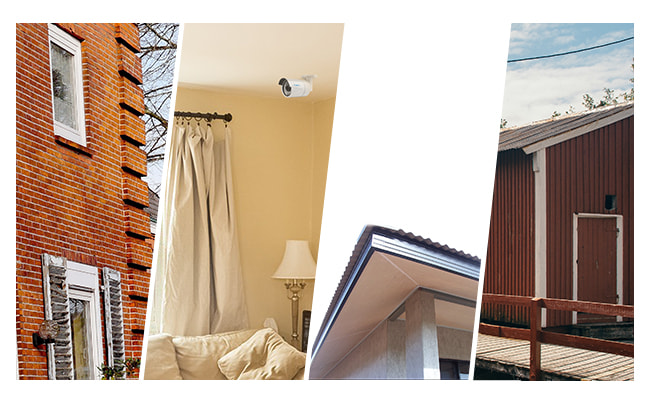
Outdoor PoE cameras are commonly mounted on exterior walls, under eaves or soffits, and beneath roof overhangs. These locations can provide a clear viewing angle while offering some protection from direct rain and making the camera harder to reach or tamper with.
Avoid mounting the camera too high or pointing it too steeply downward, as this can reduce useful detail. Aim the camera toward the main activity area and keep walls, roof edges, trees, and other objects from blocking part of the view.
Plan Coverage to Reduce Blind Spots
Check each camera's field of view before deciding on the final position. Drawing a simple property layout can help identify entrances, paths, driveways, and other areas that need coverage, as well as potential blind spots. This also helps determine whether a fixed, panoramic, or PTZ PoE camera is the better fit for each location.
When using multiple cameras, slightly overlapping their coverage can help avoid gaps between monitored areas.
Keep the NVR in a Secure Location
The NVR should be installed indoors in a secure, dry, and well-ventilated location. A locked cabinet or other protected area can reduce the risk of the recorder being damaged or removed if someone gains access to the property.
Also consider Ethernet cable routes when choosing the NVR location. A central position can make it easier to run cables to cameras installed around different sides of the property.
How to Run Cables to Outdoor PoE Cameras & Systems?
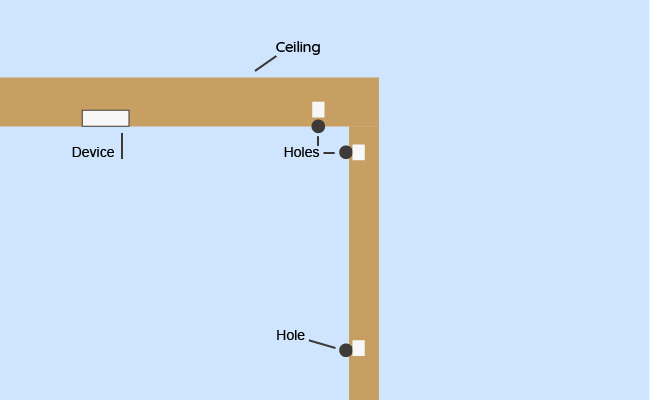
When placing PoE outdoor cameras on the soffit, you could run your Ethernet cables through the attic to avoid messy wiring or having your cable accessible or vulnerable to damage.
You can check the below step-by-step guide to install your outdoor PoE security camera systems.
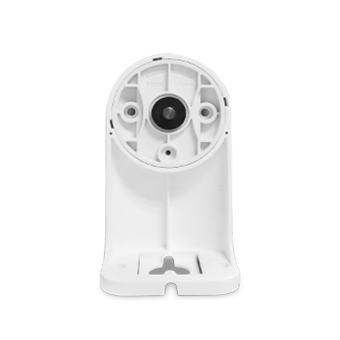
Main Items You’ll Need to Install Outdoor PoE Security Camera Systems
- Several outdoor PoE cameras and an NVR (for video storage)
- Ethernet cables
- Router
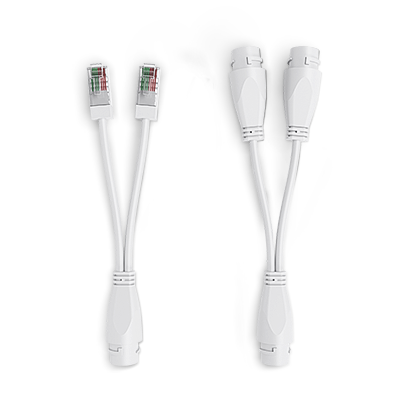
- Ethernet extension cables
- A driller
- A junction box
Note : Other detailed components haven’t been listed here.
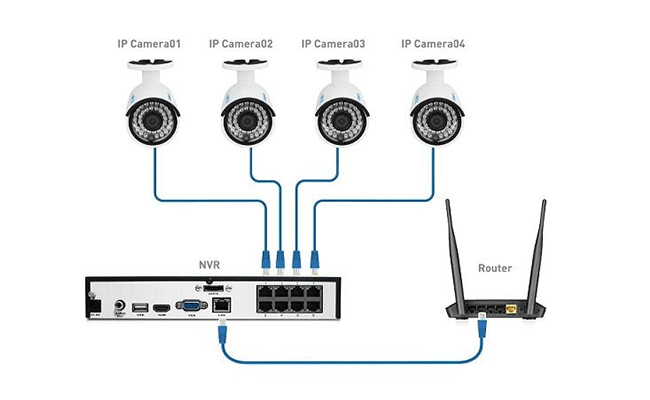
Here we’ll take RLK8-410B4 outdoor PoE security camera system to show you the detailed cabling and installation steps.
RLK8-410B4 PoE Security Camera System Connection Diagram
Step 1. Drill several suitable holes with the mounting template that comes with the security camera system package.
Step 2. Mount the outdoor PoE cameras to the wall or brick.
Step 3. Connect the camera to the NVR with the Ethernet cables.
You can use the Ethernet extension cables to boost the connection distance between the cameras and NVR.
Step 4. Run the Ethernet cables smartly. You can just drill a hole to run the Ethernet cables from the cameras to the NVR.
You can put the wires into the junction box to avoid dangling wires.
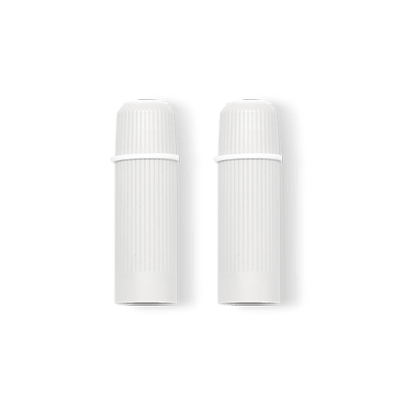
If you need to install the PoE IP cameras out in the open areas like a pole, deck, pier, or other outdoor locations, make sure the cable connector is waterproof by using cable connector waterproof lip or using plastic conduit.
You can also read this step-by-step guide on how to run security camera wires for more details.
Step 5. Connect your NVR to your router.
Step 6. Install and launch Reolink Client and App on your computer and iPhone or Android smartphones.
The system will be automatically added to your device as long as your device and the system are connected to the same router.
A customer shared his detailed steps on installing this outdoor PoE security camera system. You can watch the video below.
FAQs
What is the best PoE CCTV camera system?
The best PoE CCTV camera system should offer high-resolution video, reliable 24/7 recording, sufficient NVR storage, smart detection, and enough channels for future expansion. For most homes, an 8-channel system is a practical choice, while larger homes and businesses may benefit from a 16-channel or higher-capacity system.
What is the disadvantage of a PoE camera?
The main disadvantage of a PoE camera is the need to run Ethernet cable to each installation point. This can make initial installation more difficult than Wi-Fi cameras, especially in finished buildings or locations where cabling is hard to route.
Is PoE better for security cameras?
Yes, PoE is generally better for security cameras when stable connectivity, 24/7 recording, and long-term reliability are priorities. A single Ethernet cable carries both power and data, avoiding Wi-Fi interference while providing a consistent connection for high-resolution video.
Conclusion
Outdoor PoE security cameras are a reliable choice for continuous monitoring, combining stable wired connectivity, high-resolution video, and 24/7 recording through a single Ethernet connection. The best option depends on your property size, required coverage, night vision, smart detection, and storage needs.
For wide areas, a dual-lens or PTZ PoE camera can provide broader coverage, while bullet and dome cameras are well suited to fixed monitoring areas such as driveways and entrances. For whole-property security, a multi-camera PoE system with an NVR provides ce
Search
Subscribe for the Latest Updates
Security insights & offers right into your inbox