
















How to Secure Sliding Glass Door: 2026 Full Guide
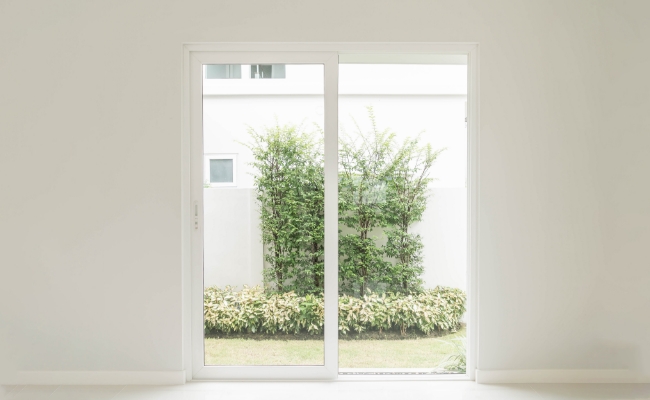
Sliding glass doors offer a seamless connection between indoor and outdoor living spaces. They flood your home with natural light and provide easy access to your patio or garden. However, their large glass surfaces and sometimes inadequate locking mechanisms can make them vulnerable entry points for intruders. Ensuring the security of your sliding glass doors is paramount to safeguarding your home and family.
In this post, we will walk you through a range of effective strategies and techniques to secure your sliding glass doors. Keep reading!
Why Are Sliding Glass Doors Easy Targets for Break-Ins?
Sliding glass doors are one of the most vulnerable entry points in many homes because they combine large glass panels with weaker physical security compared to traditional doors. Without proper protection, they can give intruders a faster and quieter way to enter a property.
Large Glass Panels Are Easier to Break[ga-seo-howto]
Most sliding doors use wide glass panels that can be shattered or damaged more easily than solid wood or metal doors. Once the glass is broken, intruders may be able to unlock the door from the inside and gain quick access.
Standard Locks Often Provide Limited Security
Many older sliding doors rely on simple latch-style locks that are not as secure as deadbolts used on front doors. Weak, outdated, or poorly maintained locks can sometimes be forced open or manipulated during a break-in attempt.
Sliding Doors Can Be Lifted Off the Track
Some sliding glass doors can be lifted or shifted out of their tracks, especially if the rollers or frames are worn out. Even when locked, a poorly secured sliding door may still be vulnerable to forced entry.
Sliding Doors Are Often Located in Less Visible Areas
Backyard patios, side entrances, and balcony areas usually have fewer people around, making sliding doors attractive targets for burglars. Limited lighting or poor camera coverage can further increase the risk.
How to Secure a Sliding Glass Door: 7 Highly Effective Ways
Sliding glass doors bring beautiful natural light and seamless backyard access into our homes. However, because they are often tucked away in the backyard and rely on simple latch mechanisms, they are a prime target for intruders.
Whether you are heading to bed during a heavy thunderstorm or leaving your home vacant for a two-week summer vacation, securing this vulnerable entry point is crucial for peace of mind. Here are seven practical, expert-recommended ways to reinforce your sliding glass doors against break-ins.
1. Upgrade to a Heavy-Duty Secondary Lock
Standard factory-installed sliding door locks are usually just simple latches. An intruder with a crowbar can pop them open in seconds. Upgrading your locking mechanism creates a physical barrier that defeats brute-force entry.
- The Scenario: You’re asleep upstairs while a burglar attempts to jimmy your patio door from the dark deck. They easily click open the factory latch, but the door won't budge because a secondary lock is anchored directly into the top frame.
Best Options:
- Double-bolt locks: These secure the door to the frame at two separate points.
- Foot-action locks: Mounted at the bottom of the door, these allow you to lock or step-release the door easily.
- Top-frame loop locks: Keeps the door secured out of reach of small children while preventing external prying.
2. Drop a Security Bar or Rod into the Track
One of the most affordable and foolproof security measures is a physical bypass block. If the door track is blocked from the inside, the door physically cannot slide open, even if someone completely destroys the lock.
- The Scenario: You are packing up for a weekend getaway. Before locking up, you drop a heavy-duty metal bar into the back track of your sliding door. Even if a thief manages to pick or bypass your smart locks, the door remains completely immovable.
Best Options:
- Commercial security bars: Adjustable metal bars that lock into place with rubberized ends to protect the frame.
- Heavy-duty wooden dowels: A budget-friendly, thick wood rod cut exactly to the length of your closed track.
3. Apply Shatter-Resistant Security Window Film
A common tactic for burglars frustrated by good locks is to simply smash the glass. Security film is a heavy-duty polyester layer applied directly to the glass pane. It doesn't stop the glass from cracking, but it holds the shattered shards together in the frame, requiring repeated, loud, time-consuming blows to puncture.
- The Scenario: An intruder strikes your glass door with a heavy tool. Instead of shattering into a quiet, clean opening, the glass webs but stays firmly bonded together by the film. Frustrated by the noise they are making and the time it’s taking, the burglar flees.
- Benefits: Most films also offer UV protection, which prevents your indoor furniture from fading, and can add daytime privacy.
4. Install Smart Sensors and Glass-Break Alarms
Early detection is key to stopping a break-in before an intruder ever sets foot inside your living room. Smart home sensors act as a digital tripwire for your patio ecosystem.
- The Scenario: While you are at work, someone attempts to force open your patio door. The moment the door moves half an inch, the magnetic contact sensor breaks. Your phone instantly flashes an alert, your smart home cameras start recording, and your indoor siren sounds, scaring off the intruder.
Essential Gear:
- Contact Sensors: Triggers an alarm the moment the door opens.
- Acoustic Glass-Break Detectors: Listens specifically for the frequency of shattering glass to trigger your home alarm instantly.
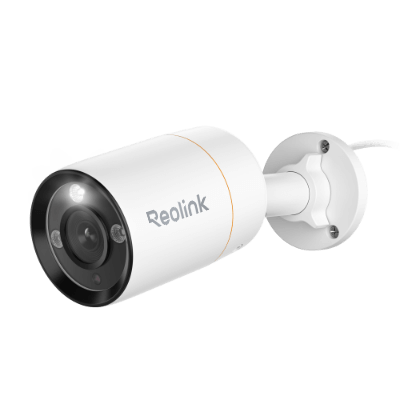
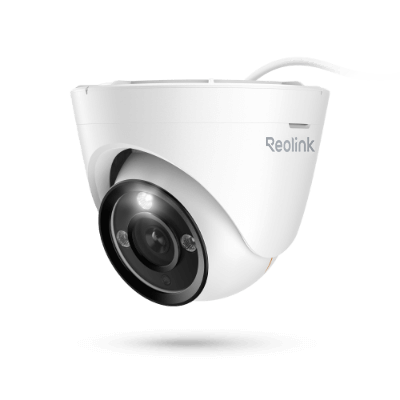
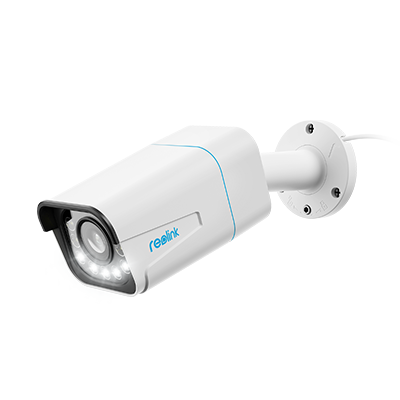
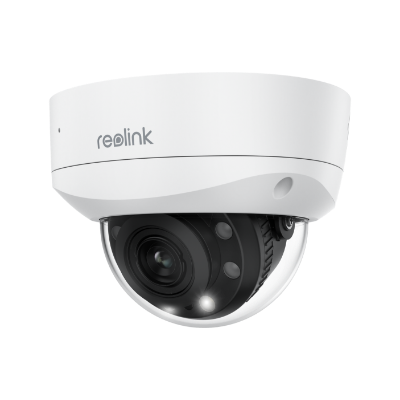
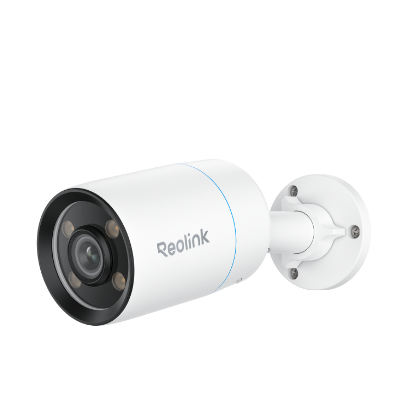
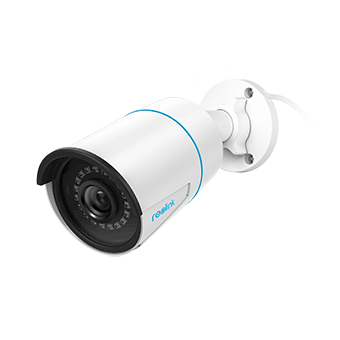
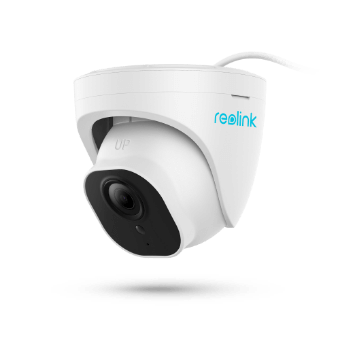
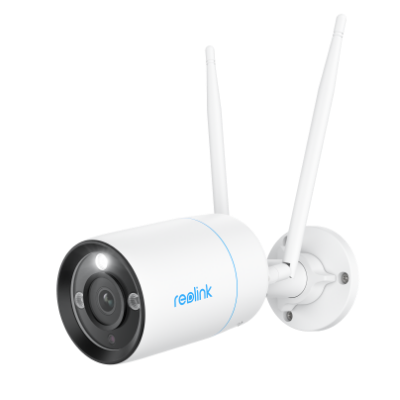
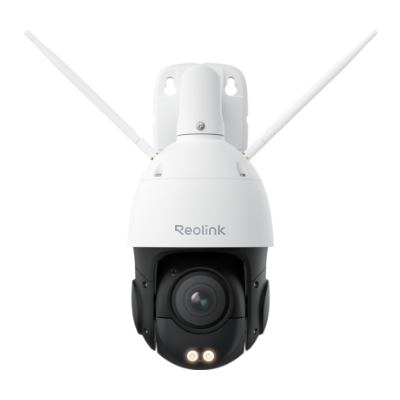
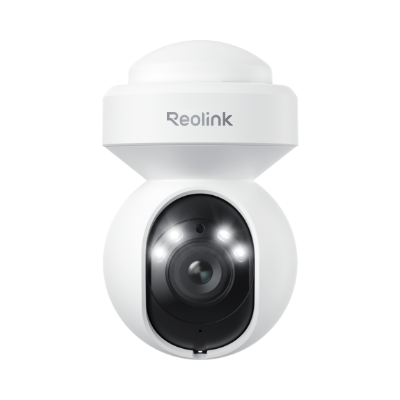
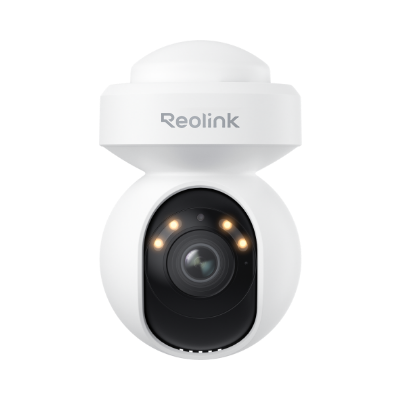
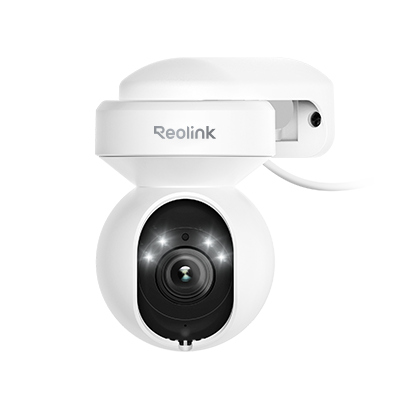
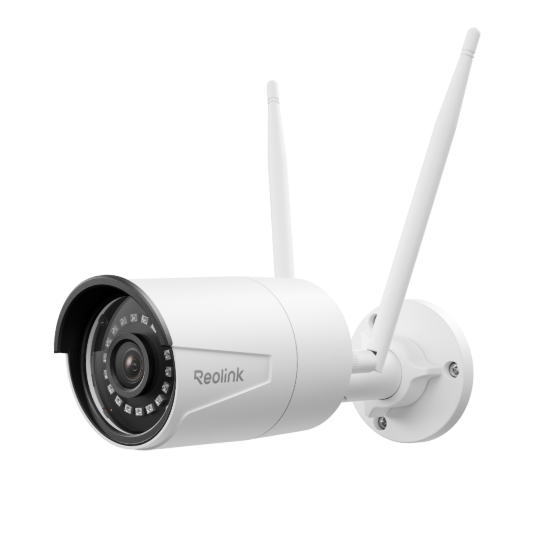
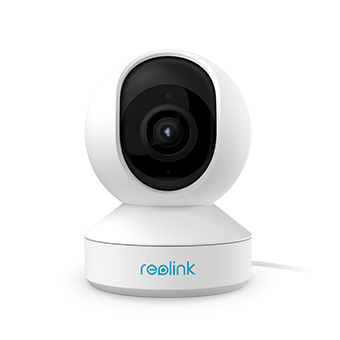
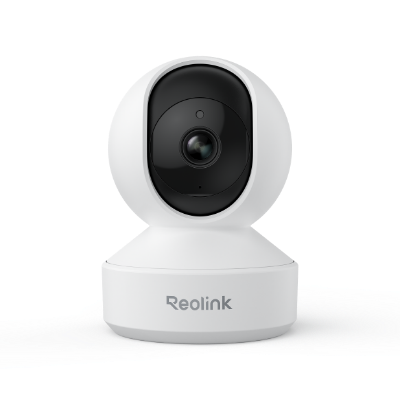
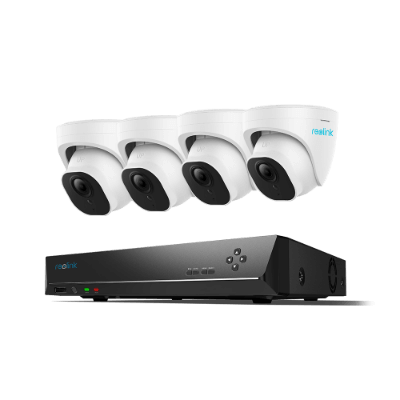
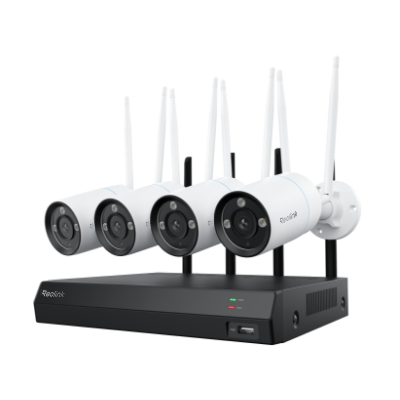
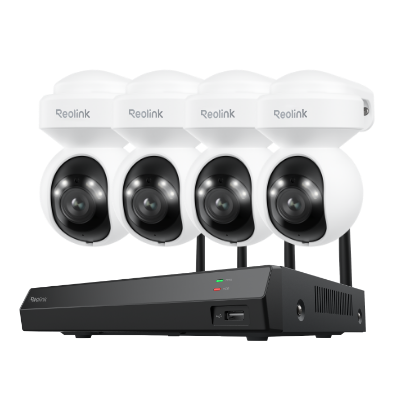
5. Position Visible Smart Security Cameras
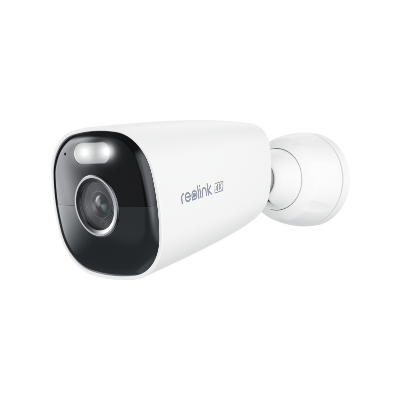
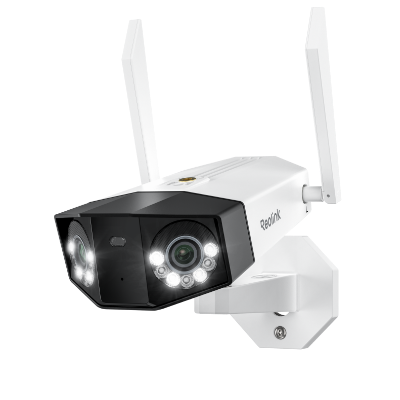
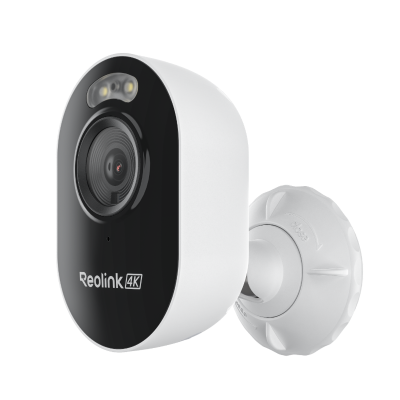
Burglars look for easy, unmonitored targets. A visible, high-quality camera covering your patio area changes the math for an intruder, acting as both a psychological deterrent and a tool for evidence.
-
The Scenario: A trespasser walks into your backyard at midnight looking for weak entry points. They spot a camera mounted under the eave, illuminated by a small status light. Knowing their face and clothing are already being recorded in crystal-clear quality, they turn around and leave.
-
What to Look For: High-resolution video (2K/4K), color night vision, and smart AI detection that differentiates between a stray cat and a human being.
-
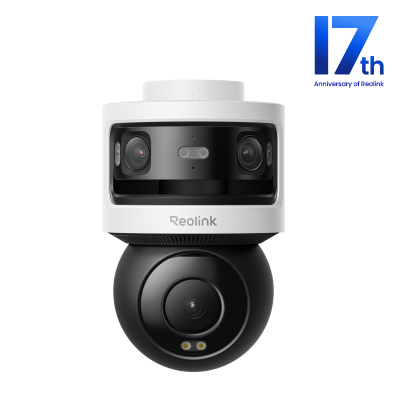
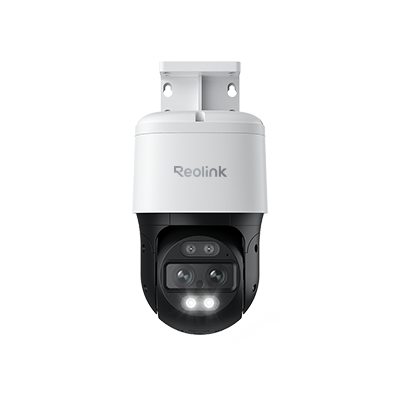
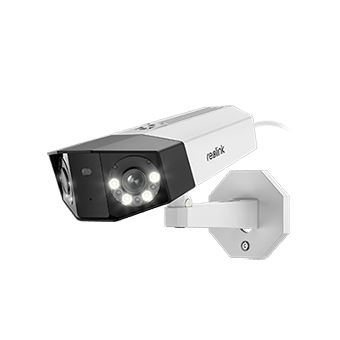
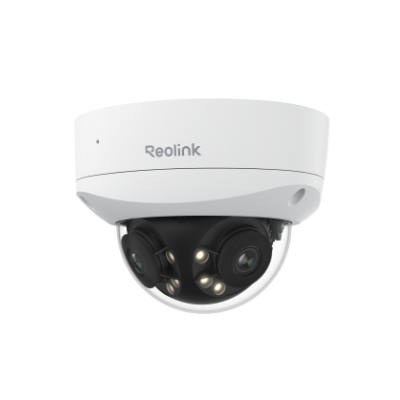
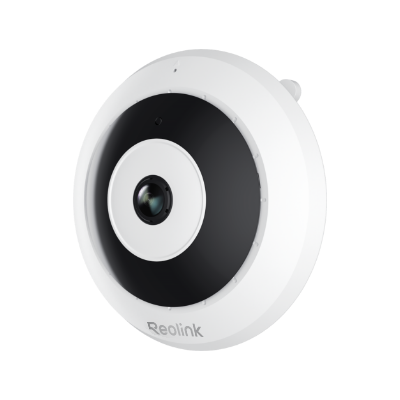
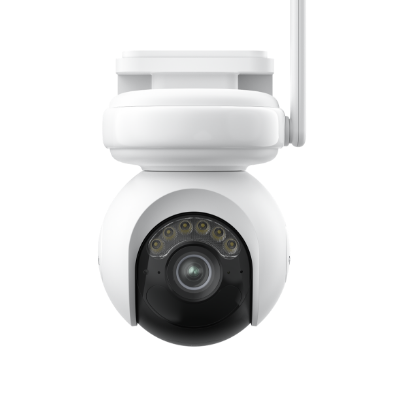
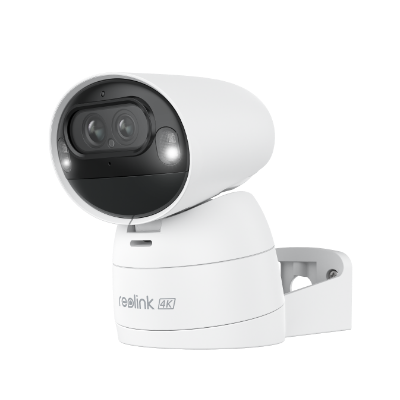
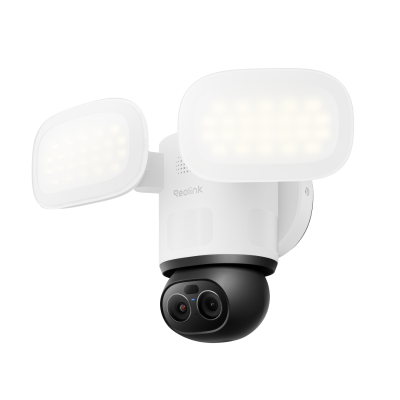
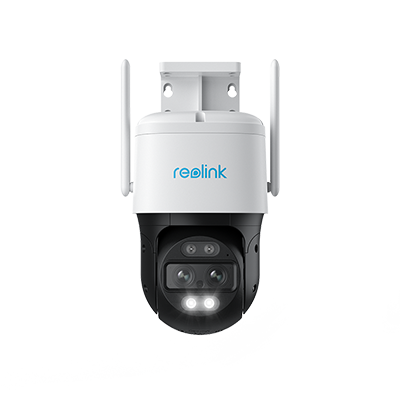
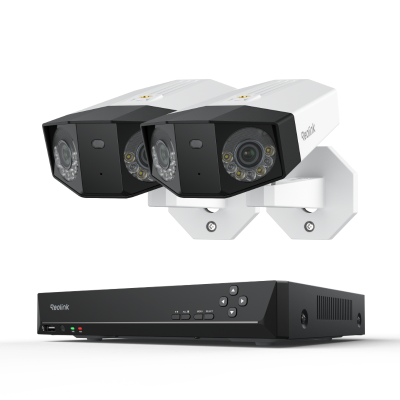
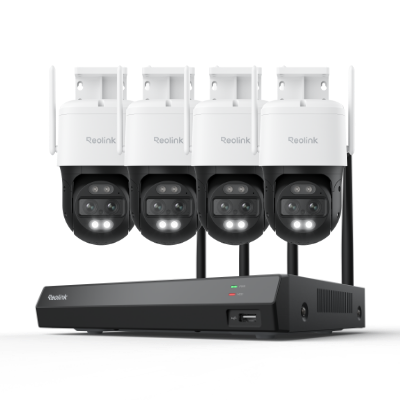
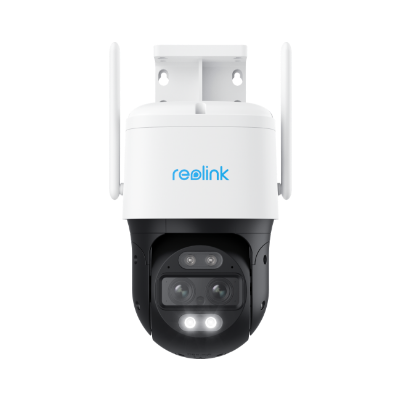
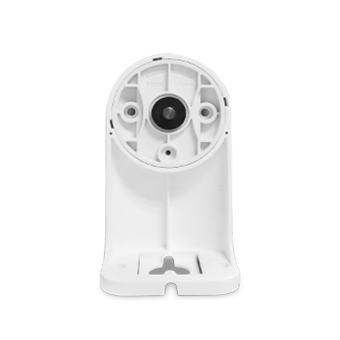
Product Spotlight: The Reolink OMVI 3i PoE is a stellar choice for wide patio decks. Its panoramic view eliminates the blind spots that standard narrow-angle cameras miss, ensuring your entire backyard perimeter is covered.
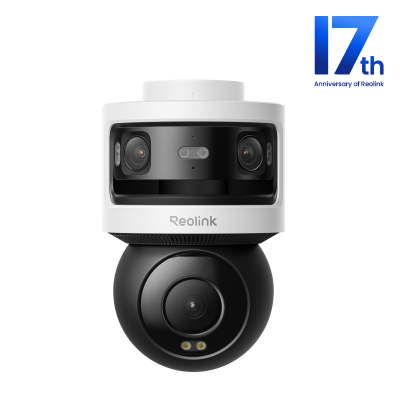
All-in-one Triple-Lens 180° Panoramic Pan-Tilt Security Camera
10MP Dual-Lens 180° View, 4K 360° Full Coverage, SyncTrack with auto framing & auto tracking, Local Storage (No Monthly Fees), Local AI Video Search.
6. Eliminate Blind Spots with Motion-Activated Lighting
Criminals love the dark because it hides their actions from you and your neighbors. Floodlights strip away that cover, forcing them into the spotlight the moment they approach your glass door.
-
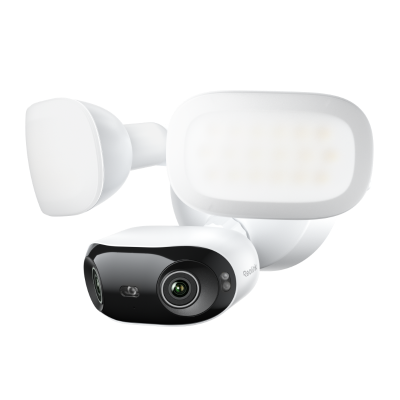
The Scenario: A prowler creeps through your side yard toward the sliding glass door. The moment they step onto the patio, a powerful motion-activated LED floodlight snaps on, bathing the entire deck in bright light. Exposed to the neighborhood, the intruder retreats into the shadows.
-
Placement Strategy: Mount lights high enough so they cannot be easily tampered with or unscrewed, focusing the beams on patio steps, side walkways, and the door itself.
7. Perform Regular Track and Frame Maintenance
Over time, dirt, pet hair, and debris clog up sliding door tracks. This causes the door to sit unevenly, creating gaps that make it easy for an intruder to literally lift the entire door panel right off its tracks from the outside.
- The Scenario: A burglar looks for an older sliding door with loose rollers. They attempt to pry the door upward to lift it out of the bottom track. However, because you recently tightened the adjustment screws and cleaned the tracks, the door fits snugly into the top frame and refuses to lift.
Your Maintenance Checklist:
- Vacuum the tracks monthly to prevent debris buildup.
- Adjust the roller screws at the bottom of the door to ensure the panel sits tightly against the top frame.
- Replace worn-out weather stripping to close structural gaps that could be leveraged by a crowbar.
Quick Reference: Best Ways to Secure a Sliding Glass Door
What to Consider When Choosing Sliding Doors for Security?
When choosing your optimal security strategy for your sliding doors, you should consider the following:
-
Minimal view interference: Choose security measures that have minimal impact on the unobstructed view and natural light provided by the glass sliding doors. Security should not compromise aesthetics or visibility.
-
Ease of installation: Opt for solutions that are easy to install. While some may require professional installation, prioritize options that can be DIY projects for homeowners with basic handyman skills.
-
User-friendly operation: Ensure that the security measure is easy to operate. Complex or cumbersome solutions may deter their consistent use. An effective security measure should be convenient and hassle-free to apply.
-
Strong deterrent: The selected security measure should be highly effective against intruders. It should not merely delay forced entry for a minute or two but serve as a substantial deterrent to discourage determined intruders.
FAQs
How do you burglar proof a sliding glass door?
To burglar-proof a sliding glass door, you want to create layered protection so it can’t be easily forced, lifted, or broken through.
Start with a strong lock upgrade, such as a double-bolt lock or double-key deadbolt, since standard latches are often weak. Next, add a security bar or door rod inside the track to physically block the door from sliding open. You can also apply shatter-resistant security film to the glass so it won’t break easily or will stay intact even if cracked.
For extra protection, add motion-activated lights, door sensors, or a security camera near the entrance to deter intruders and provide instant alerts if someone tries to tamper with it.
How to keep a sliding door in place?
The simplest way to keep a sliding door in place is to physically block the track so it cannot move.
You can use a security bar, wooden dowel, or adjustable rod placed in the lower track behind the sliding panel. This stops the door from opening even if the lock fails.
You should also make sure the locking mechanism is engaged properly, and regularly check that the frame and rollers are tight and not worn out, since loose parts can make the door easier to shift.
How do you prevent a sliding door from being lifted?
Sliding glass doors can sometimes be lifted off their tracks, so preventing vertical movement is important.
A common solution is to install anti-lift devices or security pins, which lock the door into the upper track. You can also adjust the roller height screws so the door fits tightly within the frame, leaving no space to lift it upward.
Adding a top-track security lock or secondary latch further reduces the chance of removal. For stronger protection, combine this with a security bar in the bottom track, which prevents both sliding and lifting attacks.
Conclusion
Securing your sliding glass door is vital to home safety and protection. By implementing the right security measures, you can greatly reduce the risk of unauthorized access and potential break-ins.
Remember that no single security measure is foolproof, so combining multiple methods for comprehensive protection is often a wise strategy. Regular maintenance and periodic security assessments can also help ensure that your sliding glass door remains a strong barrier against intruders.
If you like this article and find it helpful, share it with your friends. Got something to say about sliding door security? Make sure you leave a comment below!
Search
Subscribe for the Latest Updates
Security insights & offers right into your inbox