
Best Doorbell Camera Guide in Canada
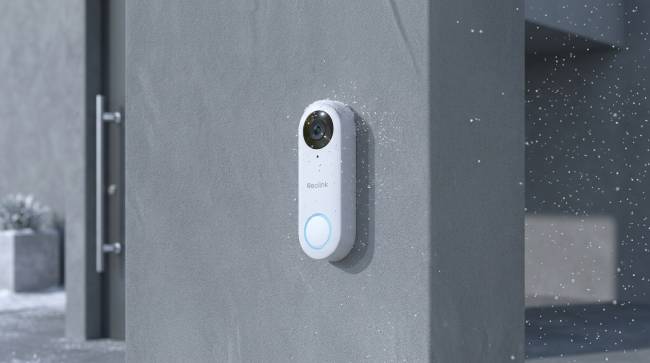
The best doorbell camera in Canada is the one that keeps recording without a monthly bill attached to it. The reason is because large parts of the country are rural or cottage country with slower or less reliable internet, and a camera that depends on constant cloud uploads is a worse practical fit there than one that just writes to a card on the device itself.
Winter still shapes which model makes sense, though. How cold your winters actually get and whether your front door already has doorbell wiring both matter. A camera that's perfectly fine for a mild Vancouver winter won't necessarily hold up the same way on a Winnipeg porch in January, and plenty of buyers find that out the hard way, after the return window closes.
Package theft is a big reason Canadians are adding a doorbell security system to their front door in the first place. In FedEx's 2024 Holiday Package Theft Survey, conducted with Angus Reid, 1 in 10 Canadians said they'd had a package stolen in the past year, and doorbell footage is often the only real record of who showed up at your door and when.
For a rural property or a cottage that sits empty for stretches of the year, the bigger worry usually isn't a stolen parcel. It's a break-in nobody's around to notice. Break-ins targeting unattended cabins, cottages, and outbuildings are a well-documented problem in Canada, and a visible camera is one of the more effective, low-effort deterrents available, whether or not anyone's there to see the alert.
There's no single doorbell camera that works for every Canadian home. A rental unit in downtown Toronto with no existing wiring needs something different from a farmhouse outside Regina that regularly sees minus 30, and both need something different again from a cottage that sits closed up all winter.
This guide walks through why subscription-free local recording matters here, what changes when a real Canadian winter enters the picture, the specs worth paying for, the mistakes buyers keep making, and which Reolink models fit which kind of home.
- Wired, Battery, or PoE Security Camera: The Real Decision for a Canadian Front Door
- The Specs of a Video Doorbell That Actually Matter at a Canadian Front Door
- Common Mistakes Canadians Make Buying a Doorbell Camera
- How to Help Any Doorbell Camera Handle a Canadian Winter
- Myths of Helping a Battery Doorbell Handle a Canadian Winter
- Best Reolink Doorbell Cameras for Canadian Homes
- FAQs
- Conclusion
Wired, Battery, or PoE Security Camera: The Real Decision for a Canadian Front Door
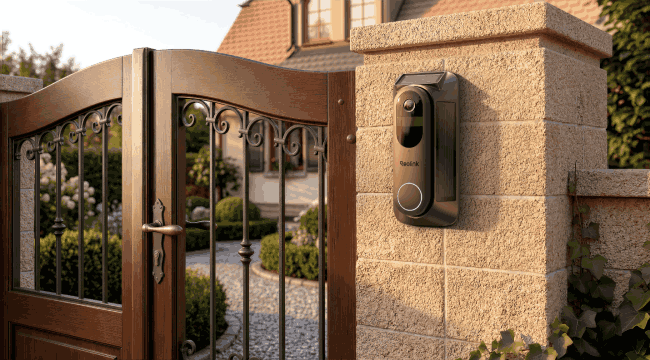
Continuous power beats battery power once temperatures sit below freezing for weeks at a stretch. That's why wired and PoE doorbell cameras tend to hold up better through a Canadian winter than battery-only models.
A wired doorbell camera connects to your home's existing low-voltage doorbell wiring, usually 8 to 24V AC. Power is constant, so there's nothing to recharge and no risk of the camera going dark mid-storm. The catch is that you need that wiring already in place, or the willingness to add it.
A PoE doorbell camera runs on a single Ethernet cable that carries both data and power. Because the connection doesn't depend on Wi-Fi, a weak router signal won't affect it and there's no battery to fail in the cold. It's the closest thing to a set-it-and-forget-it option, though it does mean running a cable to your door if one isn't already there.
A battery-powered, wireless doorbell camera installs almost anywhere, no drilling into wiring required, which makes it the default choice for renters and condo owners. The tradeoff is recharging, and cold weather makes that tradeoff sharper.
How Cold Weather Affects Battery-Powered Doorbells
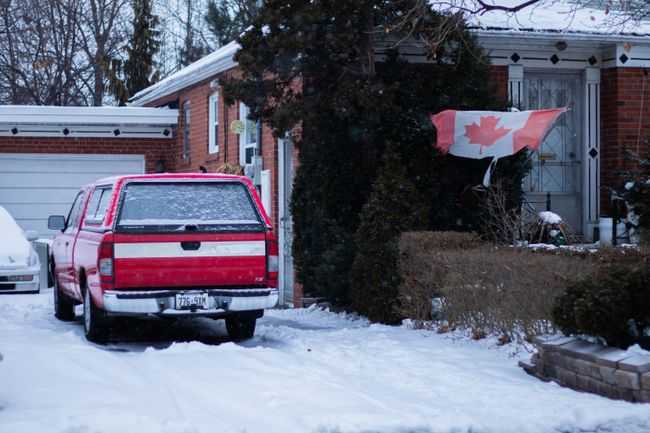
Canada's winter temperatures span an enormous range. Arctic communities near Baker Lake average January lows close to -40°C, most of interior Canada sits below -10°C for the season, and only immediate coastal stretches of British Columbia and Nova Scotia stay near the freezing mark.
Cold genuinely damages lithium-ion batteries, not just on paper. Researchers at Stanford's SLAC National Accelerator Laboratory found that batteries stored at sub-freezing temperatures lost up to 5% more capacity after 100 charge cycles than batteries kept warm, because the cold causes the particles inside the battery's cathode to crack.
Charging is affected too. Some battery-powered smart doorbells on the market stop charging entirely once the temperature drops to 0°C, a limitation that surfaced after cold-climate users started reporting dead cameras mid-winter. Reolink's doorbell cameras, wired, PoE, and battery alike, are rated to operate down to -10°C, and that floor doesn't change based on power type. It's a comfortable margin for coastal and milder regions but as the climate data above shows, most of interior Canada including the Prairies and inland Quebec sits below -10°C for a good part of the season. Anyone in those regions should expect their camera to run outside its officially rated range for real stretches of winter no matter which model they buy. Continuous power doesn't raise that -10°C ceiling. What it removes is the extra risk of a battery losing charge or capacity on top of it.
Here's how the three options stack up for a Canadian home:
If you're in the Prairies or anywhere north of the Great Lakes, wired or PoE is worth the extra install effort. If you're renting, in a condo, or just need something up this weekend, battery is still a perfectly reasonable choice, you'll just want to plan around shorter winter runtime.
Note: For a deeper side-by-side of the two wired options, Reolink's PoE vs Wi-Fi camera guide breaks down the tradeoffs beyond just doorbells.
The Specs of a Video Doorbell That Actually Matter at a Canadian Front Door
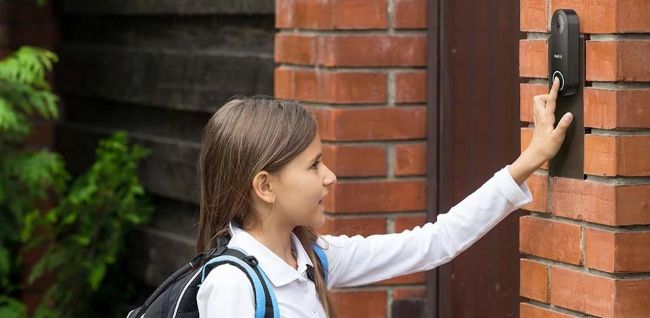
A modern doorbell camera lives or dies on a handful of specs, and not all of them matter equally for a Canadian front door.
Resolution
Resolution decides whether your front door camera can identify a face or read a delivery label clearly. A 2K or 5MP doorbell camera captures enough detail for either, which is the baseline worth holding out for.
Field of view
Field of view decides whether you catch the whole package on the ground or just someone's knees. A 180-degree diagonal field of view captures a visitor head to toe, which matters more at a front door than it does on a driveway camera aimed at passing cars. Anything narrower and you'll routinely miss packages set down just below the frame, a common complaint with older, narrower doorbell designs.
Night vision
Infrared night vision works in complete darkness but shows black-and-white footage, while color night vision needs some ambient light, a porch fixture or streetlamp, to render true color after dark.
Smart detection and false alerts
False alerts make even great night vision pointless if you end up muting every notification. Basic motion sensors trigger just as easily on snow blowing sideways in a windstorm as on a passing snowplow's headlights. Smart detection that specifically flags people, vehicles, and packages cuts that noise dramatically, which is the difference between a camera you actually check and one you tune out by January.
Weatherproofing
Most quality doorbell cameras have either an IP65 or IP66 waterproof rating. In the context of weather, an IP65 rating handles driving rain and blowing snow well, while IP66 survives a direct water jet, which matters if your entryway catches meltwater runoff from an eavestrough without a gutter guard. Neither rating covers temperature as that's a separate operating-temperature spec, so don't assume a weatherproof camera is automatically a cold-weather camera.
No rating prevents ice buildup around a housing seam during a freeze-thaw cycle, either, which is a maintenance issue rather than a spec. Accumulated ice can block a lens or a motion sensor even on a camera rated for the cold, so it's worth a quick check each winter regardless of which model you own.
Note: Reolink's guide to cold weather security cameras goes deeper into operating temperature ratings for outdoor cameras more broadly, not just doorbells.
Common Mistakes Canadians Make Buying a Doorbell Camera
A doorbell camera isn't the only way to cover an entryway. Some homeowners pair one with a standalone front door security camera for a wider view of the porch and driveway, but whichever route you take, these are the mistakes that trip up Canadian buyers most often.
Ignoring the operating temperature spec
Every camera lists an operating range somewhere on its spec sheet, and it's easy to skip past. A camera rated for 0°C and up will really struggle on a Saskatoon or Winnipeg porch in February, and even a -10°C rating, the floor for Reolink's current doorbell lineup, can still be tested by a deep prairie cold snap. Treat the spec as a floor worth checking, not a guarantee for every climate
Choosing battery power without planning for winter drain
A multi-month battery life claim on any camera's spec sheet is usually measured under mild lab conditions. Cold weather and heavy motion-detection activity both shorten that number, so a battery camera installed right before winter may need its first recharge sooner than the box promises.
Mismatching the wiring voltage
Older Canadian homes sometimes have doorbell transformers rated lower than what a new smart doorbell needs. Check your existing transformer's voltage before buying a wired model, or budget for a transformer swap as part of the install.
Weak Wi-Fi at the front door
A detached garage or a long driveway between your router and the door is often enough to weaken the signal. A camera that drops connection during a snowstorm is usually a signal problem rather than a camera problem. Test signal strength at the mounting spot before you commit.
Relying only on cloud storage
A Wi-Fi outage during a storm means no upload, and no upload means no footage of whatever just happened at your door. A camera set up for local storage keeps recording even when the internet doesn't.
How to Help Any Doorbell Camera Handle a Canadian Winter
Cold weather affects battery-powered doorbell cameras industry-wide. Sub-freezing temperatures can slow or stop lithium-ion charging and can permanently reduce battery capacity over time, regardless of a camera's printed operating-temperature spec. A few of the tips below to support doorbell cameras during a Canadian winter apply no matter which power type you're running. The rest are specific to keeping a battery model going through the season.
Know your camera's actual cold-weather ceiling
Cold weakens lithium-ion batteries across the board, not just their run time between charges, the SLAC research cited earlier shows sub-freezing storage measurably reduces capacity over repeated charge cycles no matter whose battery it is. Reolink's doorbells are rated to -10°C across power types, and a deep prairie cold snap or a stretch of inland Quebec winter can still push a camera past that floor. Expect slower motion response or dimmer night vision on the coldest days no matter which model you own, and treat the spec as a floor worth planning around, not a guarantee. None of this permanently damages the camera, though. Once temperatures climb back above -10°C, it returns to normal, and the tips below help you stretch its performance closer to that floor in the meantime.
Mount it somewhere sheltered
An overhang or awning that blocks direct wind and driving snow protects the housing and lens on any doorbell, wired, PoE, or battery alike. On a battery model, it also cuts the extra power draw from fighting wind and cold, which matters more since there's no constant power source to fall back on.
Watch for false-trigger spots
Reolink recommends avoiding installation near heat vents or anything reflective on any doorbell camera, since both cause extra motion triggers that fill up storage with junk clips. On a battery model, those same false triggers also quietly drain the charge year-round, not just in winter.
For battery models: charge up before the cold really sets in
Temperature is one of the direct factors that shortens battery life on video doorbells. Top up the charge before a cold snap hits, and check it every few days once temperatures drop instead of waiting for a low-battery alert.
For battery models: dial down PIR sensitivity and set a detection schedule
Reolink's support team recommends this as a standard battery-saving step since a camera that fires on every gust of blowing snow or passing headlight burns through its charge fast. It's an especially useful tip during winter. For security cameras with zone configuration settings, narrowing the motion zone to just a small area rather than the whole street also helps to save battery life. A weak Wi-Fi signal adds to the drain too, since the camera works harder to transmit data, so keeping it in strong Wi-Fi range helps on any model that connects over Wi-Fi rather than Ethernet.
Know when to switch power types
If a spot genuinely can't hold a charge through a real cold snap even after all of the above, that's the sign to move to the WiFi or PoE model rather than fighting the same battery problem every winter.
Note: Reolink's guide to extending battery life covers the full settings walkthrough if you want to go step by step.
Myths of Helping a Battery Doorbell Handle a Canadian Winter
A couple of tips that have surfaced don't really apply to a doorbell, though they're worth naming so you don't waste effort on them. Bringing the unit indoors overnight means your front door goes unwatched exactly when most package theft and break-ins happen, after dark. Relocating it for more direct sunlight isn't an option either, since a doorbell has to stay at your front door, unlike a standalone camera you can remount almost anywhere. Turning off motion detection entirely during a cold snap saves battery, but it also means missing whoever shows up at your door, which is why dialing back sensitivity and shrinking the detection zone is the safer trade.
Best Reolink Doorbell Cameras for Canadian Homes
Once you know which power type fits your home, these three models cover the range of situations most Canadian buyers run into, from a harsh rural winter to a no-drilling rental.
Reolink Video Doorbell PoE
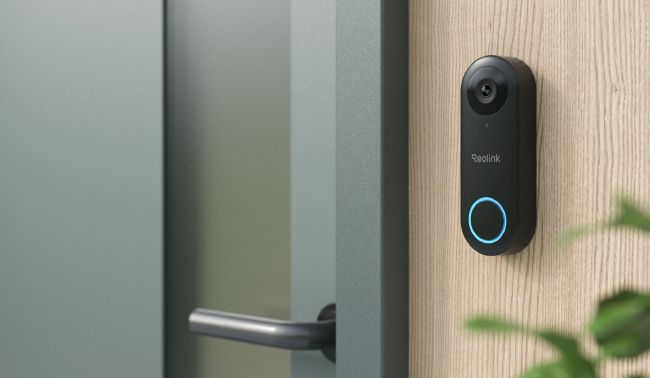
Best for zero-maintenance uptime through winter
The Reolink Video Doorbell PoE runs on a single Ethernet cable, so there's no battery to fail when temperatures drop and no Wi-Fi signal to lose during a storm. It shares the same -10°C operating floor as Reolink's other doorbell models, just without the battery that can lose charge or capacity in the cold.
Recommended for: homeowners in colder regions who want to install it once and stop thinking about it.
Tradeoff: you need an Ethernet run to your door, which usually means a bit more upfront installation work than a plug-in or battery model.
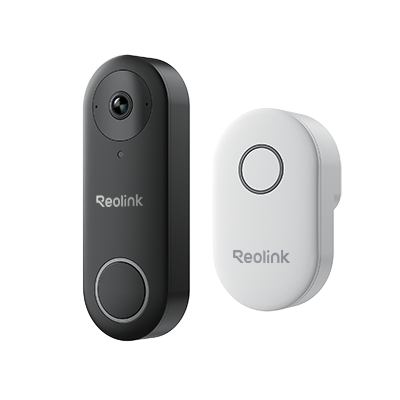
Best PoE video doorbell
- Two-way audio & preset voice messages
- 2K+ 5MP Super HD + 180 FOV (diagonal)
- Customizable person detection & alerts
- Works with smart home
Reolink Video Doorbell WiFi
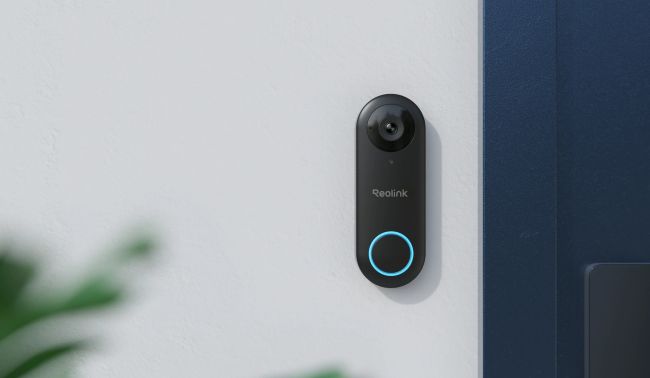
Best for an easy upgrade on existing wiring
If your home already has doorbell wiring, the Reolink Video Doorbell WiFi can hook into it directly with no new cable runs required. It also avoids the recharging cycle a battery model needs and can work with chimes such as the Alexa Echo Show and Google Assistant.
Recommended for: homeowners who already have a hardwired doorbell and want a straightforward upgrade.
Tradeoff: because it connects over Wi-Fi rather than Ethernet, a weak signal at the door can still cause dropouts, so check your signal strength at the mounting spot first.
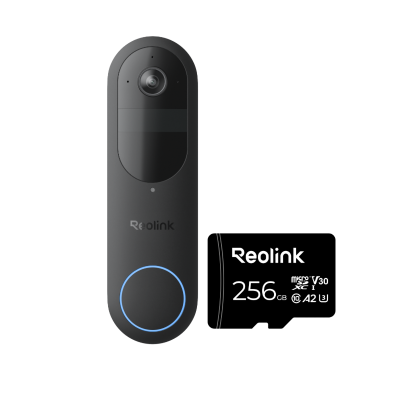
Smart 2K+ Plug-in Wi-Fi Video Doorbell with Chime
Reolink Battery Video Doorbell (2nd Gen)
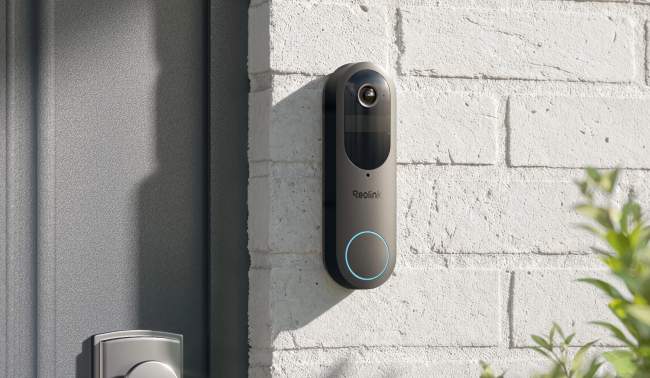
Best for renters and flexible, no-drilling placement
For renters or anyone without existing wiring, the Reolink Battery Video Doorbell (2nd Gen) mounts with no wiring at all and can be moved if you ever plan to relocate. Its head-to-toe field of view is built to catch both a visitor's face and a package on the ground, and its battery life is now nearly double what the original battery model offered. A T3 review confirmed this generation was built to fix the previous model's weakest point, its battery life, crediting the new low-power Wi-Fi hardware for the jump in runtime.
Recommended for: renters, condo owners, or anyone who can't or doesn't want to run new wiring.
Tradeoff: it's still a battery, and a genuinely brutal Canadian cold snap will draw it down faster than the spec sheet promises, so very high-traffic winter entryways may want to lean on its optional wired power mode instead of running on battery alone.
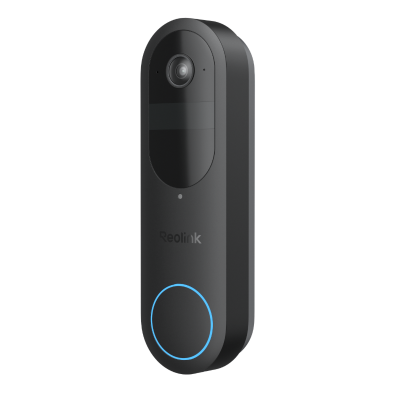
2K Battery Wi-Fi Video Doorbell with Smart Detection
- 2K 4MP Head-to-Toe View
- Person/Vehicle/Animal/Package Detection
- 300-Day Lasting Battery Life
- No Monthly Fees for Local Storage
FAQs
Is a wired or battery doorbell camera better for a Canadian winter?
Wired and PoE doorbell cameras are the safer bet for harsh Canadian winters because they don't rely on a battery that has to survive the cold. Battery models still work fine through milder winters, coastal British Columbia or southern Ontario, for instance, but expect shorter runtime between charges once temperatures drop well below freezing for extended stretches.
Is it legal to have a doorbell camera facing the street in Canada?
Generally, yes. Canadian municipalities like Toronto don't prohibit homeowners from installing a doorbell camera that captures the street or a shared entryway, but they do recommend aiming the camera to mainly cover your own property, posting a small notice that recording is in progress, and avoiding footage that specifically targets a neighbor's windows or yard (City of Toronto). Rules can vary slightly by city or province, so it's worth a quick check of local bylaws if you live in a shared building or have a specific neighbor dispute in mind.
How do doorbell cameras work?
A doorbell camera pairs a lens, a PIR motion sensor, and a microphone and speaker into a single unit at your entryway, then connects over Wi-Fi, Ethernet, or cellular so you can view live footage and talk to visitors from your phone. It's powered by a rechargeable battery, your home's existing doorbell wiring, or a single PoE Ethernet cable, and it saves footage locally to a microSD card, NVR, or Home Hub, or to the cloud, depending on the model. Reolink's breakdown of how doorbell cameras work covers each part in more depth.
Are doorbell cameras motion activated?
Most are, but motion detection isn't the only mode on offer. A PIR sensor triggers a recording, typically around 30 seconds, whenever it picks up a person or vehicle near the door, and pressing the button triggers a separate recording of its own. Some models also support continuous 24/7 recording or a set schedule for specific hours, though continuous recording is really only practical on wired or PoE doorbells since a battery can't sustain it for long. Reolink's guide on whether doorbell cameras record all the time breaks down which mode fits which situation.
Can doorbell cameras be hacked?
Any internet-connected device is a theoretical target, and a doorbell camera is no exception. In practice, breaches almost always trace back to a weak or reused password, outdated firmware, or an unsecured Wi-Fi network rather than a flaw in the doorbell itself. A strong, unique password, regular firmware updates, two-factor authentication where the app supports it, and a WPA3-secured Wi-Fi connection close off most of that risk, and local storage means your footage doesn't depend on a cloud account as a separate point of failure. Reolink's guide to choosing a harder-to-hack security camera goes deeper into these safeguards.
Conclusion
Whichever of these three you land on, you get the same deal underneath, including local recording, real on-device detection, and no monthly bill to keep it running, which matters just as much in a low-bandwidth small town as it does in a big city. From there, it comes down to your actual front door. If your winters get genuinely brutal, or you'd rather never think about a battery again, the Reolink Video Doorbell PoE or the WiFi model are built to install once and forget. Renting, in a condo, or working without existing wiring? The Reolink Battery Video Doorbell (2nd Gen) gives you that flexibility, just follow the winter tips above once it gets cold out.
Ready to compare? Browse the full Reolink doorbell camera lineup and find the one built for your home.
Search
Subscribe for the Latest Updates
Security insights & offers right into your inbox