































Why Is Night Vision Green? How to Fix It?
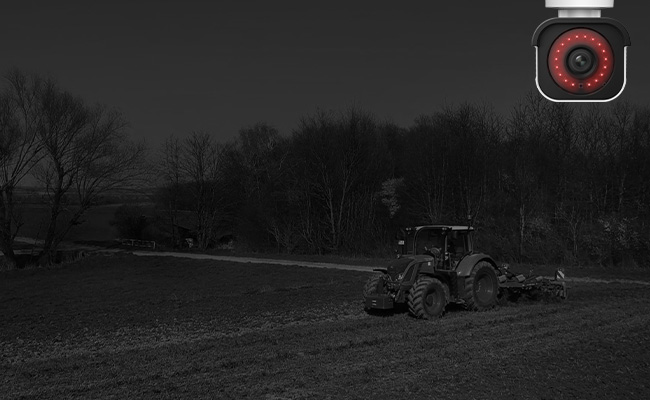
Night vision allows us to see in low-light conditions where normal vision would be impaired. Most night vision devices show a green display rather than the actual colors of the scene. The green tint has become iconic for night vision and is instantly recognizable. But have you ever wondered why night vision is green and not some other color?
In this article, we’ll explore the reasons behind why is night vision green, look at some applications where the green tint is useful, as well as situations where it causes issues. We’ll also discuss alternative green night vision technologies that can show black and white or even color displays.
What Color is Night Vision?
The most common colors for night vision displays are:
- Green - This iconic glow is the most familiar night vision color. Most analog and early digital night vision devices display a green image.
- Black and White - Some more modern digital night vision cameras produce a grayscale (black and white) image rather than green. It can provide better clarity and detail.
- Color - The most advanced digital and thermal imaging cameras can produce a color image even in very low light. But this technology is much more expensive.
Why Is Night Vision Green?
There are a few reasons why the iconic green glow became the standard for night vision goggles and scopes:
Our Eyes Perceive Green Light Best
The human eye has receptor cells called “cones” that detect color during daylight vision. But in low light, we switch to primarily using “rod” cells, which can’t detect color very well. Rod cells are most sensitive to blue-green light around 505nm wavelength. So, enhancing and displaying this spectral range makes the scene appear brighter to our night vision.
Green Light Transfers Through the Atmosphere Best
When night vision devices amplify the tiny amounts of light around a dark scene, most of this ambient light tends to be in the green/blue region. Red and infrared light tend to scatter more in the atmosphere. So, amplifying the naturally more abundant green ambient light, rather than red or infrared, produces the brightest and clearest night vision display.
Earlier Analog Systems Used Phosphor Screens
The image intensifier tubes in early night vision devices like scopes and goggles worked by accelerating electrons to strike a phosphor screen. The most common phosphor compound used emits green light centered around 555nm wavelength when struck by electrons. So this determined the green color of early night vision systems.
Why Are Night Vision Goggles Green?
Night vision goggles help us see in the dark by collecting and amplifying ambient light from the surrounding environment. The following are the reasons why night vision is green:
- Our eyes are most sensitive to green light in dark conditions, so green night vision appears brighter.
- Using a green phosphor screen was the simplest way to display the image from earlier night vision systems.
- Green light transfers through the air better than other colors, providing clearer night vision display.
- We associate the green glow with night vision, so the color has become symbolic.
Applications of Green Night Vision
While the green tint may seem unnatural at first, there are actually many applications where the green glow of night vision helps rather than hinders: The following are the applications and reasons for each application as to why is green used for night vision:
Military
The green glow of night vision goggles and sights has become essential for military operations at night. Rather than giving away position with flashlights or vehicle lights, soldiers use night vision to move covertly and maintain better visual awareness in the dark. The green image may show less true color, but it allows soldiers to see targets, terrain, and each other secretly.
Wildlife Observation
Researchers observing animals at night rely extensively on night vision. The green glow allows biologists to study nocturnal animal behavior without disturbing them with visible light. So while color night vision would show fur and feather patterns better, the green glow is essential for seeing creatures that would otherwise avoid detection.
Security Surveillance
Security guards and police also leverage night vision gear like scopes, goggles, and night vision cameras to maintain awareness in low light conditions. The green glow helps identify people and objects without emitting visible light that could compromise covert surveillance. So, for applications like security, surveillance, and reconnaissance, the benefits of seeing in the dark outweigh any lack of color.
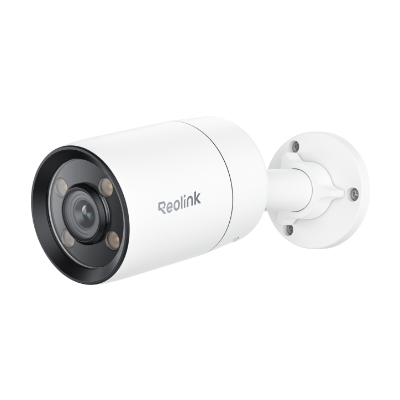
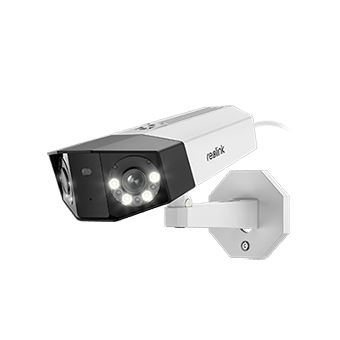
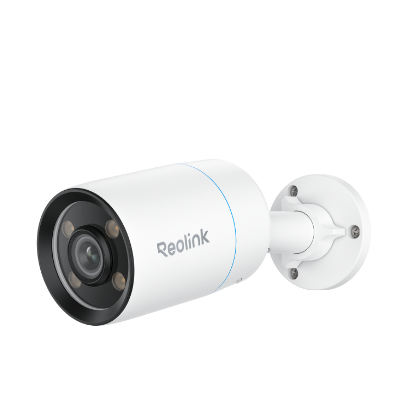
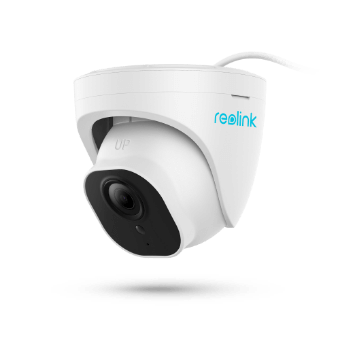
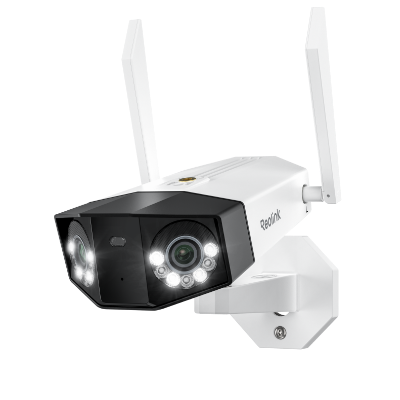
2K PoE ColorX Night Vision Camera
2K 4MP; F1.0 Super Aperture; ColorX True Full Color Night Vision; 3000K Adjustable Warm Light; Advanced 1/1.8'' Sensor; 2-Way Audio.
Automotive and Aviation
Pilots, drivers, and boat operators are beginning to adopt night vision in vehicles and aircraft to improve safety and awareness when navigating in darkness. Most automotive and aviation night vision systems display imagery in black and white or green hues rather than color. The simplified view better captures movement and hazards without introducing color distractions to operators focused on driving/flying in darkness.
Why Do Some Night Vision Cameras Show Black and White Instead of Green?
While traditional analog night vision shows a green display, many modern digital night vision cameras instead output grayscale video and images. Instead of using image intensifier tubes, these digital green night vision cameras rely on infrared illumination coupled with high-sensitivity image sensors.
There are a few reasons why digital night vision cameras display black and white rather than green. Firstly, digital sensors can’t inherently output a synthetic green view like analog systems.
Moreover, grayscale (black and white) digital video often shows more detail and clarity than amplified green footage. Additionally, Color night vision requires more complex and expensive image sensors.
Digital night vision cameras trade the classic green glow for more accurate black and white imagery. It can help identify details like text on signs or clothing patterns without the greenish tint.
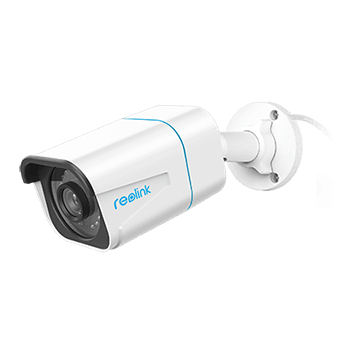
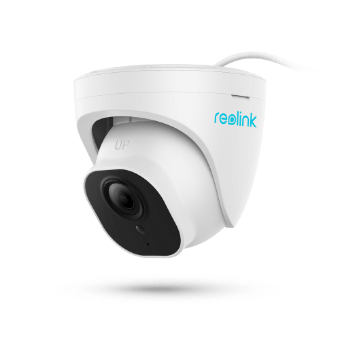
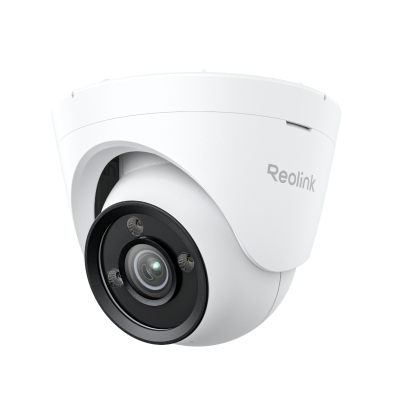
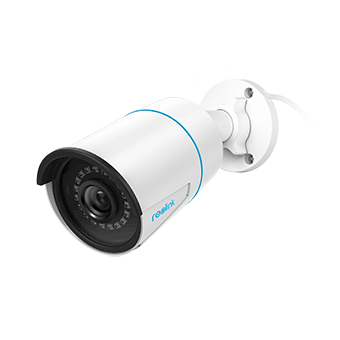
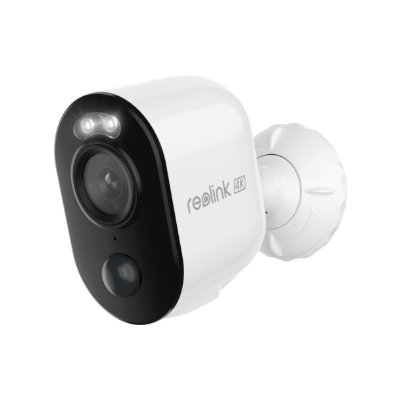
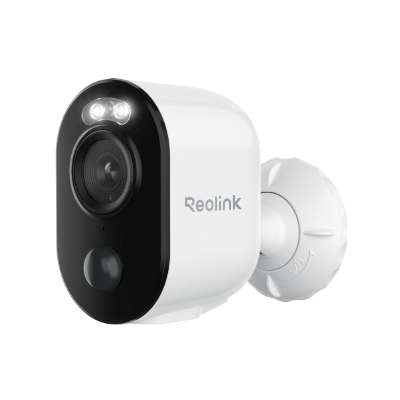
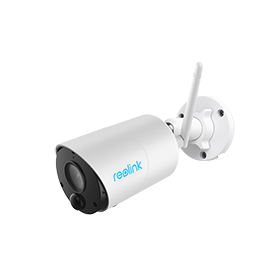
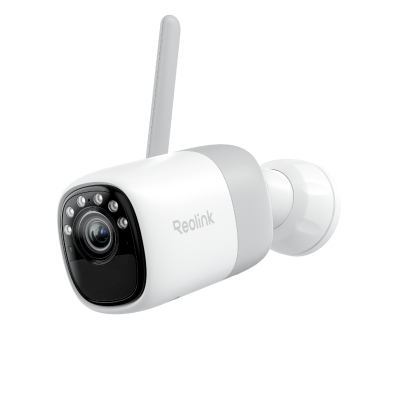
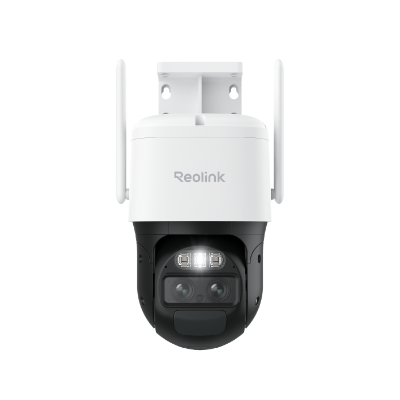
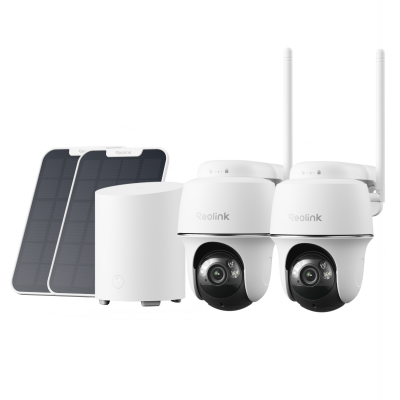
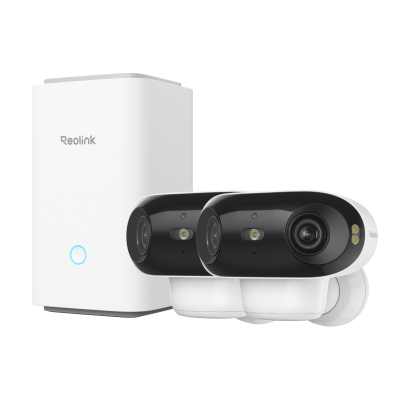
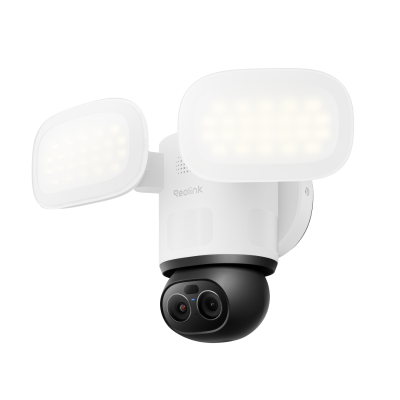
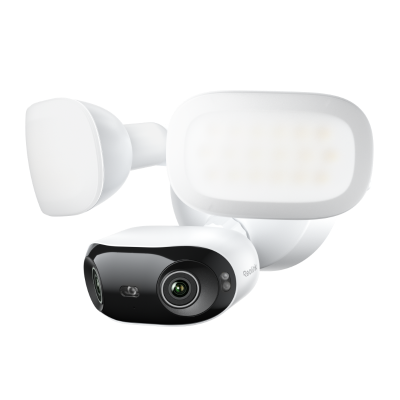
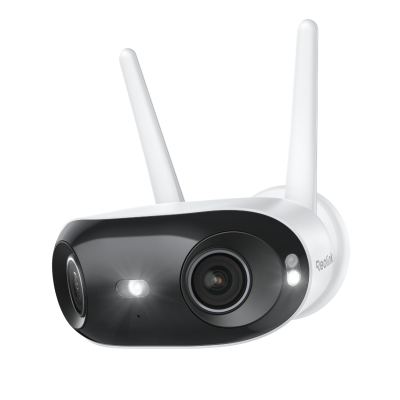
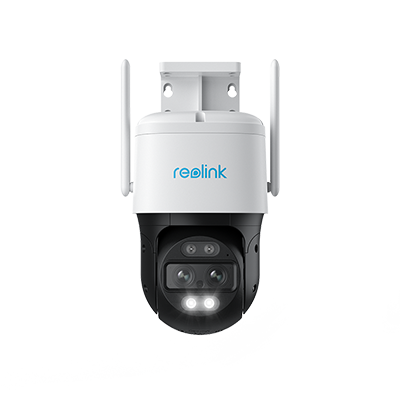
Reolink security cameras, for example, capture crisp black and white night vision. But keep in mind that digital systems require infrared light to see in darkness rather than amplifying any visible ambient light.
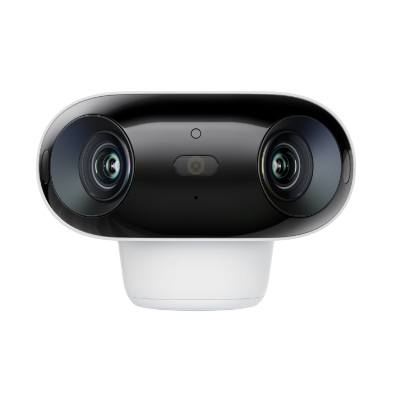
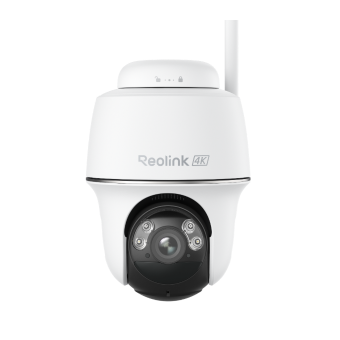
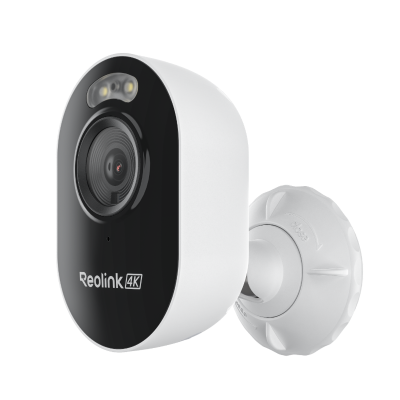
4k 180° Wire-free Color Night Vision Camera
4K UHD 180° Blindspot-free View; Color Vision Day and Night; 30% More Battery Life; Dual-band Wi-Fi 6; Smart detection.
FAQs
Why is night vision green not red?
Our eyes perceive the green light best in darkness. Green ambient light also transfers through the air better than longer red wavelengths. Moreover, early night vision devices used green phosphor screens. All these factors made green the color of choice for night vision over red.
Why did they switch to green night vision?
Early night vision experiments used infrared and red displays. But researchers found the low light sensitivity of our eye’s rod cells made green (around 505nm wavelength) the best color for bright night vision imagery. Modern digital devices can output grayscale or color infrared, but classic green remains iconic.
Why are night vision glasses green?
For the same reasons that night vision goggles and scopes use green displays – the green glow around 500nm appears brighter to our eyes at night and transfers through air better than other colors. So most analog night vision glasses still output green imagery rather than black and white or color.
Conclusion
The green glow of night vision may seem unnatural at first, but there are good reasons it became the standard display color. Our eyes see this 500nm green light best at night. Amplifying ambient green light produces the brightest images compared to other colors. Early analog night vision devices also relied on green phosphor screens in image intensifier tubes.
What experiences do you have using night vision gear? Do you prefer the classic green glow or modern black and white imaging? Share your thoughts below!
Search
Subscribe for the Latest Updates
Security insights & offers right into your inbox