























What is Starlink? Satellite Internet Made Easy and Fast

Imagine high-speed internet beamed from space to the most remote corners of the globe. That’s the revolutionary promise of Starlink. This ambitious project from SpaceX is transforming how we think about global connectivity.
In this article, we will discuss what Starlink is and how it works. We will explain its common use cases and the features it offers. It will help you understand the difference it makes and if it is the right choice for your needs.
What is Starlink Internet?
Starlink is a satellite-based broadband service designed to provide high-speed, low-latency internet access virtually anywhere on Earth. Unlike traditional satellite internet that relies on a few distant satellites, Starlink utilizes a vast and growing constellation of small satellites orbiting much closer to the planet. This fundamental shift in approach allows it to offer performance that rivals, and in many underserved areas, surpasses ground-based options.
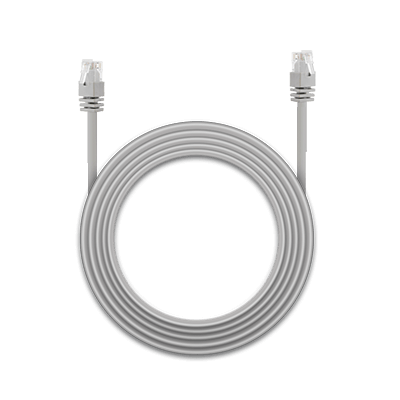
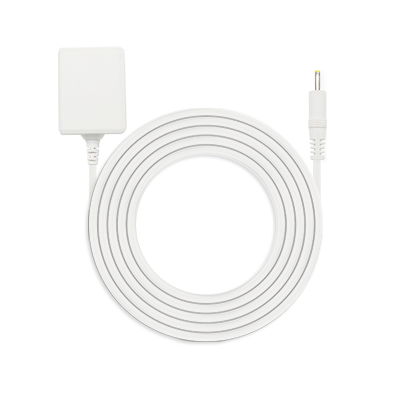
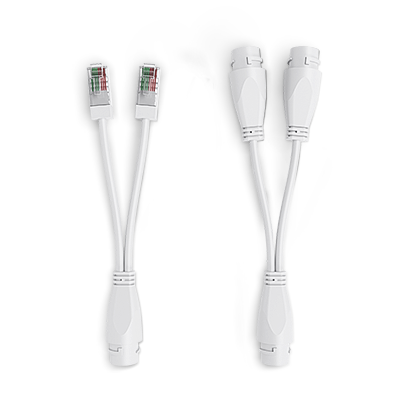
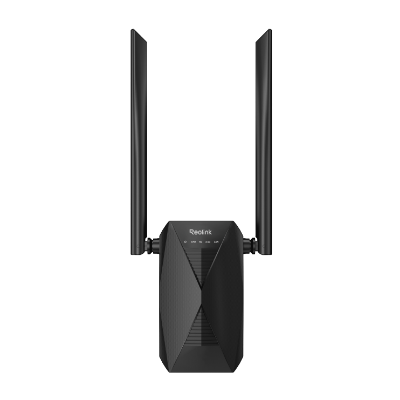
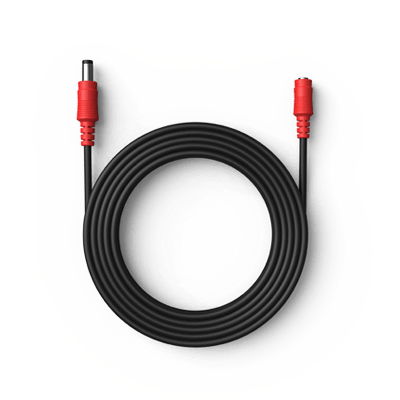
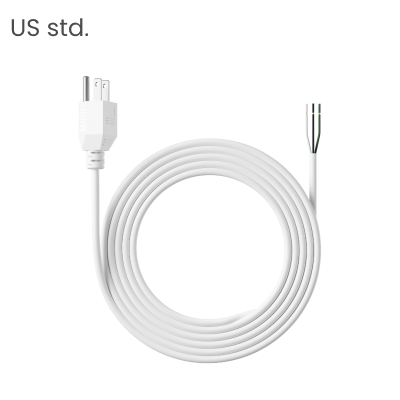
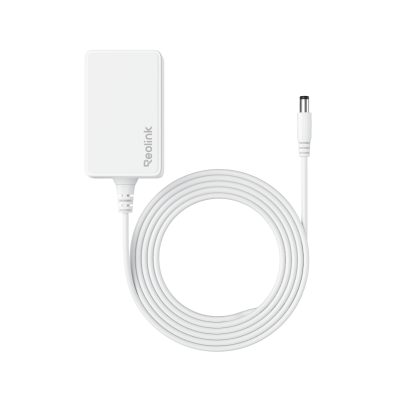
This service is specifically engineered to bridge the digital divide. It targets rural homes, remote businesses, and mobile users who have been left behind by the limitations of cable, fiber, and even cellular networks. To access the Starlink internet, customers use a "Starlink Kit." This includes a compact, self-aligning satellite dish (often called "Dishy"), a Wi-Fi router, and all necessary cables.
How Does Starlink Work?
Thousands of small satellites orbit in Low Earth Orbit (LEO), about 550 km above us, which is over 60 times closer than traditional satellites. This proximity is the key to achieving low latency, making real-time online activities like video calls and gaming feasible over satellite for the first time.
The process starts with your user terminal. When you request data, the signal travels from your device to the Starlink router. The router sends it to the phased-array antenna in the dish, which electronically steers a focused beam of data to the nearest Starlink satellite passing overhead. This all happens without any physically moving parts on the dish via the advanced beamforming technology.
The user's satellite relays the signal. It may pass it to other satellites via fast laser links in space until it reaches a satellite connected to a ground station (or "gateway") on Earth. This gateway is plugged into the traditional internet backbone. The requested data then makes the return journey. From the backbone, up to the gateway, through the satellite network, and down to your dish, in milliseconds.
Key Features of Starlink
Starlink’s technology incorporates several groundbreaking features that set it apart from any internet service that has come before.
High Speed with Low Latency: Delivers download speeds typically between 50-220 Mbps and latency as low as 20-40ms, performance that enables streaming, gaming, and video conferencing from remote locations.
User-Friendly, Self-Orienting Hardware: The customer kit is designed for effortless setup. The dish automatically positions itself for the optimal signal, requiring no manual calibration, just a clear view of the sky.
Global Network Coverage: The satellite constellation is designed to provide internet service across the entire planet, including oceans, polar regions, and other areas without traditional infrastructure.
Advanced Laser Inter-Satellite Links: Satellites communicate with each other using optical lasers, creating a high-speed mesh network in space that reduces reliance on ground stations and improves global routing.
Portability and Mobility: With services like Starlink Roam, the same hardware can provide internet on the move for RVs, boats, and nomadic lifestyles, offering connectivity from almost any location.
Weather-Resistant and Robust Design: The user terminal is engineered to withstand extreme weather conditions, from heavy snow and rain to high winds, ensuring consistent service in diverse climates.
Using Scenarios of Starlink
Starlink’s unique capabilities make it an ideal solution for a diverse range of connectivity challenges.
Rural and Remote Residences: For homes and farms where the only alternatives are slow DSL or expensive, capped cellular data, Starlink provides a transformative broadband connection for work, education, and entertainment.
Mobile Applications (RV, Maritime, Aviation): Specialized plans offer connectivity for recreational vehicles (RVs), commercial shipping vessels (Maritime), and aircraft (Aviation), bringing high-speed internet to transportation.
Business and Enterprise Operations: Enables reliable communications for remote industrial sites, agricultural operations, and temporary locations like construction sites or scientific research camps.
Emergency Response and Disaster Recovery: Can be rapidly deployed to restore critical communication links when terrestrial infrastructure is damaged by natural disasters like hurricanes, wildfires, or floods.
Off-Grid Living and Remote Communities: Provides a lifeline for cabins, tiny homes, and entire communities that are completely off the traditional power and communication grids.
Backup Internet for Urban and Suburban Homes: Serves as a reliable failover connection for homes and home offices in areas where primary fiber or cable service may be prone to outages.
What's the Difference Between Starlink and Wi-Fi?
It’s crucial to understand that Starlink and Wi-Fi are fundamentally different technologies that work together. Starlink is an Internet Service Provider (ISP). It is the service that delivers the internet connection to your location, using satellites as the transmission medium. This makes it the source of your internet access, just like a cable or fiber company, but with a sky-based infrastructure. You subscribe to Starlink for access to the global internet.
Wi-Fi, on the other hand, is a local wireless networking technology. Its sole function is to create a short-range wireless network inside your home or office, allowing your devices to connect to a local router without cables. The Starlink router takes the internet connection from the satellite dish and broadcasts it as a Wi-Fi signal that your laptops, phones, and smart TVs can connect to. Wi-Fi is simply the final, convenient link between your devices and the router.
Therefore, you cannot have one without the other in this context. Starlink brings the internet to your property’s edge, and Wi-Fi distributes it to your devices.
FAQs
Is Starlink a Wi-Fi or internet?
Starlink is an internet service. It provides a broadband connection via satellite. The Starlink Kit includes a Wi-Fi router that creates a local wireless network for your devices, but the core service is the satellite-delivered internet access.
What does Starlink really cost?
Costs vary by region and service plan. Typically, there's a one-time hardware fee (approx. $599) for the satellite kit and a monthly subscription (approx. $120 for residential). Mobile plans (Roam, Maritime) have different pricing structures. Always check the official website for exact, current pricing in your country.
Is Starlink faster than 5G?
It depends on the location. In dense urban areas with robust 5G mmWave coverage, 5G can be faster. However, in rural and remote regions where 5G is weak or nonexistent, Starlink provides significantly faster and more reliable internet than the available cellular alternatives, making it the superior choice for its target market.
Conclusion
Starlink is a revolutionary leap in connectivity, transforming the sky into a global broadband network. By deploying thousands of satellites, it delivers high-speed internet to the most remote and underserved places on Earth. This technology is not just an alternative; it’s a vital bridge across the digital divide, ensuring that reliable, fast internet becomes a possibility for everyone, everywhere.
Search
Subscribe for the Latest Updates
Security insights & offers right into your inbox