
Security Camera Cover Guide 2026: Types, Uses & Protection Tips
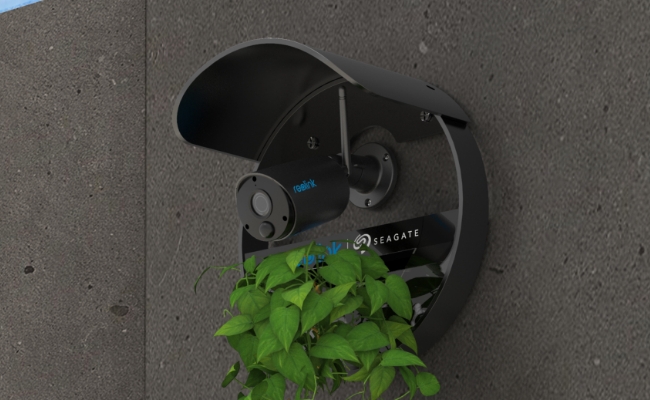
Whether you install your security camera indoors or outdoors, it needs protection from certain elements. A security camera cover will be a perfect option since it is a cover designed to protect your camera from weather, tampering, and other issues. This cover goes on your security camera to protect while ensuring proper surveillance where needed.
Stick with us as we explore the types, benefits, and guides to choose and maintain your security camera cover.
Key Takeaways
- A security camera cover can help protect a camera from rain, snow, glare, debris, and physical damage.
- Outdoor cameras with IP66 or IP67 ratings may not require an additional weather cover in normal conditions.
- A poorly designed cover can block the field of view, infrared LEDs, microphone, speaker, or motion sensors.
- Covers are most useful in exposed locations such as open walls, poles, rooftops, and areas with heavy snow or direct sunlight.
- Always check camera compatibility and ventilation before installing an aftermarket cover.
- What Is a Security Camera Cover?
- What Are Common Types of Security Camera Covers?
- Does an Outdoor Security Camera Need a Cover?
- What Are Benefits of Using a Security Camera Cover?
- Can a Camera Cover Cause Problems?
- How to Choose the Right Security Camera Cover? 7 Key Features to Consider
- How Do You Maintain the Security Camera Cover?
- FAQs
- Conclusion
What Is a Security Camera Cover?
A security camera cover is an external shield, hood, housing, or enclosure designed to protect a surveillance camera from rain, snow, direct sunlight, debris, impact, or tampering. The right type depends on the camera design, installation environment, and level of protection already built into the camera.
What Are Common Types of Security Camera Covers?
Security camera covers come in different designs depending on what the camera needs protection from. The most common options include rain and weather covers, sunshades, protective housings, vandal-resistant covers, and privacy covers. Choosing the right type depends on the camera, installation location, and environmental conditions.
Rain and Weather Covers
Rain and weather covers are designed to shield outdoor security cameras from rain, snow, falling debris, and other environmental exposure. They usually extend over the camera like a hood, helping keep water and snow away from the lens.
Best for cameras installed on exposed walls, poles, or other locations without protection from an eave.
However, a weather cover does not make an indoor camera weatherproof; outdoor installations still require a camera with a suitable weather-resistance rating.
Sunshades and Lens Hoods
A security camera sunshade or lens hood helps reduce direct sunlight, glare, and lens flare.
Useful when a camera faces strong sunlight during certain times of the day, such as on driveways, entrances, or south- and west-facing walls.
The shade should extend far enough to provide protection without blocking the camera's field of view. For cameras with wide-angle lenses, an oversized hood may appear in the footage.
Protective Camera Housings
A protective camera housing is a more complete enclosure designed for harsh or highly exposed environments. Depending on the design, it can provide additional protection against rain, snow, dust, debris, and temperature-related conditions.
Best for cameras installed in industrial sites, exposed outdoor areas, or other demanding locations.
When choosing one, check ventilation and camera compatibility to prevent overheating or condensation inside the enclosure.
Vandal-Resistant Covers
Vandal-resistant covers or housings add physical protection against impact, tampering, and attempts to damage or disable a security camera.
Best for cameras installed within easy reach or in public and high-traffic areas.
A vandal-resistant cover should fit securely without blocking the lens, microphone, speaker, infrared LEDs, motion sensors, or other camera components.
Privacy Covers
Privacy covers are designed to temporarily block a security camera's view rather than protect it from weather.
Best for indoor cameras when users want a visible way to prevent recording in private spaces.
Unlike rain covers or protective housings, a privacy cover should not be considered weather protection. For cameras with built-in privacy modes or physical privacy shutters, an additional cover may not be necessary.
Security Camera Cover Types Compared
Does an Outdoor Security Camera Need a Cover?
No, most modern outdoor security cameras do not strictly require a separate cover because they are built with weather-resistant housings (typically rated IP65 or IP66).
Do Reolink Outdoor Cameras Need Extra Covers?
Many Reolink outdoor cameras are designed to work without an additional weather cover under normal outdoor conditions. For example, the Reolink Duo 3 PoE has an IP67 weatherproof rating and is suitable for exposed areas such as driveways, backyards, and building exteriors. Its dual-lens design also provides a 180° panoramic view, so any aftermarket cover should be positioned carefully to avoid blocking the wide field of view.
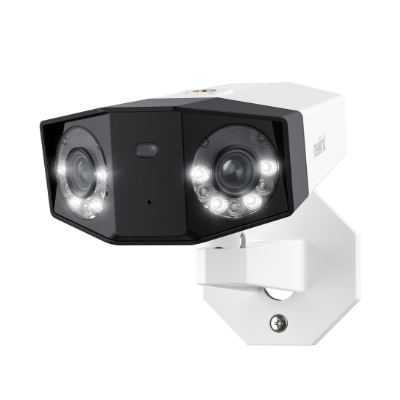
Groundbreaking 16MP Dual-Lens PoE Camera
16MP UHD, Dual-Lens, Motion Track, 180° Wide Viewing Angle, Power over Ethernet, Color Night Vision.
For locations where physical impact or tampering is also a concern, the Reolink RLC-843A provides both IP67 weather resistance and IK10 vandal resistance. This makes it a better fit for entrances, storefronts, parking areas, or other accessible locations where the camera may be exposed to both harsh weather and physical contact.
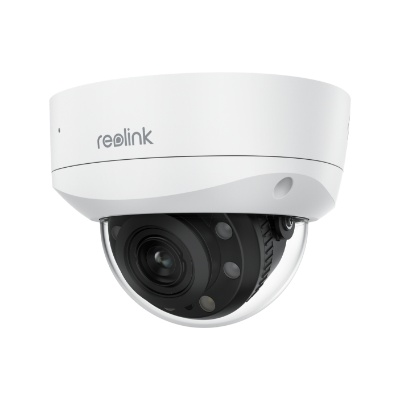
Smart 4K PoE IK10 Camera with 5X Optical Zoom
IK10 Vandal-Proof, 4K 8MP Ultra HD, 5X Optical Zoom, Color Night Vision
An extra cover may still be useful when a camera is installed in an unusually exposed location, but it should never block the lens, infrared LEDs, microphone, speaker, sensors, or ventilation openings. Always check the camera's IP rating and installation guidance before adding a third-party cover.
What Are Benefits of Using a Security Camera Cover?
A well-fitted security camera cover can provide useful protection in exposed locations, especially where cameras face rain, snow, direct sunlight, debris, or physical impact. However, the actual benefit depends on the camera design, installation position, and whether the cover is compatible with features such as night vision, microphones, and motion sensors.
Helps Keep the Lens Clearer
A rain hood or sunshade can reduce the amount of rain, snow, and direct sunlight reaching the camera lens. This may help maintain clearer footage in challenging weather or lighting conditions, although it cannot completely prevent water droplets, glare, or condensation.
Adds Protection Against Weather and Debris
A cover creates an extra physical barrier between the camera and environmental exposure. It can help shield the housing from rain, snow, falling debris, dust, or tree sap, which is especially useful for cameras installed in open areas without protection from an eave.
Helps Reduce Physical Damage
Protective or vandal-resistant covers can provide additional protection against accidental impact or tampering. This can be useful in public spaces, low-mounted installations, or other areas where the camera is easier to reach.
May Help Extend Camera Service Life
By reducing direct exposure to weather, debris, and physical impact, a compatible cover may help limit wear on the camera housing and external components over time. However, a cover does not replace proper weatherproofing, correct installation, or regular maintenance.
Can a Camera Cover Cause Problems?
While adding a cover to an outdoor security camera can offer protection against harsh weather, an improper setup can quickly introduce several functional issues:
-
IR Reflection & Night Vision Glare: If a cover or overhang protrudes too close to the camera lens or infrared LEDs, the light bounces directly back into the lens at night. This creates a washed-out, hazy image or bright ring glare that makes night footage unusable.
-
Obstructed Field of View: Large hoods, silicone skins, or protective boxes can cut off the perimeter of your camera’s view—especially on wide-angle or panoramic lenses—creating blind spots at the edge of the frame.
-
Trapped Condensation: Sealed or poorly ventilated covers trap humidity. Temperature drops at night will cause moisture to collect inside the enclosure, fogging up the glass lens and degrading internal circuits over time.
-
Overheating: Fully enclosed shields act like mini-greenhouses under direct sunlight. Restricting natural airflow leads to thermal throttling, random reboots, and a reduced battery or component lifespan.
-
Sensor & Hardware Blockage: Overhangs or tight skins can inadvertently cover up PIR motion detectors, ambient light sensors, two-way audio microphones, integrated spotlights, or Wi-Fi antennas—leading to missed alerts and poor connectivity.
How to Choose the Right Security Camera Cover? 7 Key Features to Consider
1. Material
Choose a security camera cover that is made of environmentally friendly materials that are also resistant to ultraviolet rays. These materials include plastic, polycarbonate, and metals. The material you choose must protect it against outdoor elements and prevent quick degradation as time passes.
2. Compatibility
Ensure that your chosen cover is appropriate for the camera model. It means that the cover must fit perfectly and not interfere with the camera’s lens in any way or hinder its operation.
3. Visibility
Choose a cover that doesn’t impact the visibility of the lens negatively. A good choice for a security camera cover would be the one with clear or tinted windows that allow seamless surveillance.
4. Vandal Resistance
If you install your camera outdoors, then vandalism will be one of your concerns. So, look for tamper-resistant covers. Some covers are designed to protect your camera from vandalism in the form of physical damage or attempts to disable it. Going for them will provide additional peace of mind.
5. Mounting Options
Make sure that your security camera cover is mounted onto the position that you have chosen. It can only be mounted easily and securely if it supports that specific mounting option. In the best case, you will get a security camera cover that comes with adjustment brackets for use as needed.
6. Ventilation
Winter can cause condensation, and hot days can cause overheating inside the cover, but it depends on how it is ventilated. You need to look for the covers which also provide ventilation as a built-in function. It will protect you from condensation to block your camera’s view or overheating to damage the electronics. However, remember to ensure that this ventilation does not come at the cost of losing weather resistance.
7. Aesthetics
You should consider the aesthetics of your security camera cover, especially if you are mounting it in a visible location. It must blend with the surroundings to keep the camera somewhat hidden.
How Do You Maintain the Security Camera Cover?
For maintaining your security camera cover effectively, four main things should be considered as discussed below:
Cleaning dust and debris
The first important practice is wiping down surfaces regularly using a clean and soft cloth to eliminate dust and debris.
Removing snow
Second, the cover should be cleared from time to time in cold areas where it is snowing frequently. It is because too much weight from snow on a cover can damage it, and frequent clearing will save you future costs.
Checking for replacement requirements
Third, regular inspections for signs of wear and tear or vandalism are important to know if you need a replacement.
Ensuring a secure fit of the cover and camera
Lastly, providing a tight fit and securing the cover is essential to prevent loosening and avoid impact on the camera by external weather.
Completion of all these steps will guarantee the best working and long-lived security camera cover.
FAQs
1. Can I DIY a security camera cover?
If you have a security camera installed at your place that you want to protect from rain for the time being, then using a plastic box or bag as a DIY security camera weather cover may work.
However, it is not a reliable option, and it is better to invest in professionally designed security camera covers. Those options provide better weather protection and vandal-proof benefits.
2. How do I protect my outdoor security cameras?
After installing your outdoor security camera professionally, you must protect it from weather elements and vandalism. Choosing a compatible outdoor security camera cover and installing it on your security camera will be the best way to protect your camera.
3. How do I protect my security cameras from the sun?
You need to protect the lens of your security camera from sunlight since that can affect the surveillance and lens quality. The best way to protect yourself from the sun is to get a cover with a good visor that prevents rays of sunlight from getting on your security camera lens directly.
Conclusion
A protective cover for your security camera will be a great addition to your investment in security cameras. It not only protects the camera from all types of physical damage but also ensures longer camera life and better image quality. So, suppose you are planning to get security cameras installed at your place. In that case, installing a security camera cover for each one will be a great idea to maximize its benefits.
Search
Subscribe for the Latest Updates
Security insights & offers right into your inbox