
What Is PIR Sensitivity? A Beginner’s Guide
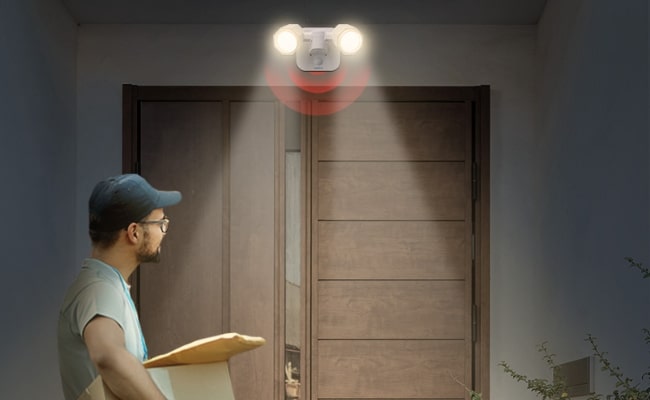
Have you ever walked past a light that greeted you the moment you entered the room? That quick reaction comes from a tiny helper called a PIR sensor, and the secret to how well it reacts lies in its PIR sensitivity.
In this guide, we will explore PIR sensitivity meaning, how these sensors work, how you can tune them, and how to pick the right setting for cameras, lights, and other devices. By the end, you will feel confident about choosing and adjusting PIR gear without any guesswork.
What Does PIR Sensitivity Mean?
PIR sensitivity tells you how easily a passive infrared (PIR) sensor notices motion. A PIR sensor looks for rapid changes in heat energy that come from warm bodies—people, pets, or even vehicles—moving across its field of view.
When the sensor is very sensitive, even a small heat change can trigger an alert. When it is less sensitive, the sensor needs a bigger or closer heat source to react.
How Does a PIR Sensor Work?
A PIR sensor holds two small infrared detector elements side by side. Each element sees a slice of the surrounding area through a lens made of many tiny segments. These segments form zones—like rows of invisible stripes—that the sensor watches.
- Rest state: When the scene stays steady, both elements see the same average heat level. The sensor’s output remains quiet.
- Motion event: A warm body moves from one zone to the next. One element sees a quick rise in heat while the other still sees the background. The sensor’s output spikes.
- Trigger: The sensor’s circuit compares the spike to the chosen sensitivity level. If the heat change passes that level, the sensor sends a signal to turn on a light, start a camera, or sound an alarm.
How to Adjust PIR Sensitivity?
Your device might work fine out of the box, but every home, yard, or trail is unique. Fine-tuning PIR sensitivity helps you fit the sensor to your exact scene, cutting false alerts and catching real activity with fewer misses. Below are common methods to dial in that perfect balance:
- Read the manual first. Each brand may label high and low in different ways.
- Locate the sensitivity dial or menu. On a camera app, look for “Motion,” “Trigger Level,” or “PIR.”
- Set a safe starting point and begin at mid-range.
- Test during normal use. Walk across the area at the farthest distance you expect detection.
- Turn the knob or slider up if the sensor misses motion, especially slow or distant movement.
- Turn it down if the sensor triggers too often—wind-blown plants, small animals, or passing cars may cause this.
- Check after dark and in bright sun as heat contrast changes with time of day.
PIR Sensitivity High or Low: Which to Choose?
Every device has its own job, and that job decides whether you want high or low sensitivity. Below you will find guidance for popular products—no bullet points, just clear advice.
Security cameras
Motion sensor security cameras guard wide yards and long driveways. High sensitivity helps them spot distant visitors before they reach the door. Yet busy streets can flood your phone with alerts. Start on medium, watch the event log for a day, then raise or lower as needed. If cars cause too many triggers, add lens masks or draw zones in the app rather than dropping sensitivity too far.
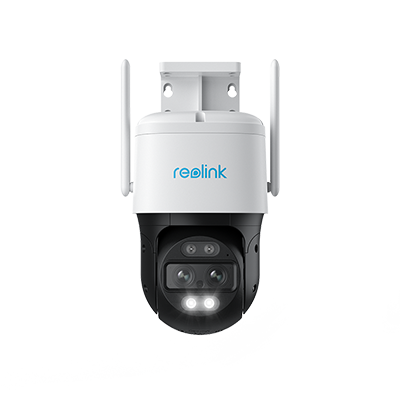
4K Dual-Lens PTZ Camera with Motion Tracking
4K 8MP UHD, Wide-Angle & Telephoto Lenses, Pan-Tilt-Zoom, Auto-Tracking, Person/Vehicle Detection, 2.4/5 GHz Dual-Band WiFi, Two-Way Audio.
Trail cameras
In the woods, you want every deer, fox, or poacher in view. Wildlife often moves in and out of frame at random angles. Use a high PIR sensitivity trail camera to catch slow steps under dense leaves, then reduce only if waving grass starts filling your memory card. Place the camera about three feet above ground and aim along animal paths, not across them, for smoother detection.
Motion sensor lights
A porch light should turn on as guests walk up the path, but it should not flash all night for passing cats. Medium sensitivity strikes a good balance. If the light stays dark until someone stands on the step, tilt the sensor upward or boost sensitivity slightly. If it blinks at every breeze, tilt it downward or cut sensitivity by a third.
Burglar alarms
Indoor motion detectors form the last barrier in a layered security plan. Because rooms stay calm most of the day, you can set sensitivity high without much risk. Keep pets in mind: large dogs can trip high-sensitivity sensors. Many alarm PIR units include a “pet-immune” switch that lowers detection below two or three feet while keeping full sensitivity above that line.
Automatic doors
Storefront doors must open the instant a shopper reaches the mat, yet they must stay shut when people only walk past. Manufacturers tune these sensors mid-range at the factory, but traffic varies. If doors open too late, raise sensitivity or widen the detection angle. If cold air keeps flooding in for passersby, aim the sensor downward and take the sensitivity down one step.
What Affects PIR Motion Sensor Sensitivity? Key Factors
Smooth hand-off: Tuning helps, but the environment fights back. The factors below shape how far and how reliably your sensor picks up movement. Understanding them first saves frustration later.
Distance and angle
PIR sensors work best when a warm body moves across their view, not straight at them. Range drops as the angle grows shallower. Mount the sensor between six and ten feet high, then point it across likely paths. At long range, only large changes in heat cross the threshold, so consider higher sensitivity if you need to watch a driveway more than 30 feet away.
Temperature changes
PIR detectors look for heat contrast. On a cool evening, a person’s body stands out clearly. On a hot day when air and walls match body heat, contrast drops. In summer, raise sensitivity or add shade to keep detection solid. At night, you might lower the sensitivity to stop the sensor from reacting to warm air currents near vents.
Obstructions and interference
Glass, plastic bags, or even heavy rain can block or scatter infrared energy. Thick window panes almost erase PIR signals, so indoor sensors cannot see through them. Metal surfaces reflect heat and can create blind spots. Keep the lens clean, prune plants, and avoid pointing sensors at shiny cars or moving branches that may flash sunlight into the lens.
What to Consider When Buying a Camera with PIR Sensor and Sensitivity Adjustment?
Quick note before you shop: The best camera matches both your scene and your patience level. Look for the features below to make setup easy and alerts more reliable:
- Wide sensitivity range: The spec sheet should list at least three steps—low, medium, high—or a numeric slider in the app. A narrow range limits fine-tuning.
- Clear detection range: Check how far the camera promises to sense a person at mid-sensitivity. If you need to watch a 40-foot driveway, skip models that top out at 25 feet.
- Flexible mounting hardware: Swivel bases or ball mounts let you aim the lens exactly where you need it. Fine alignment reduces the urge to crank sensitivity up to cover blind spots.
- Zone masking or smart motion filters: Software zones cut false alerts without touching hardware. Look for models that let you draw boxes or lines rather than only whole-frame detection.
- Weather rating and lens hood: Outdoor cameras face rain, dust, and sun glare—all of which can spoil PIR performance. IP65 or higher keeps water out, and a small hood shields the lens from direct sunlight.
FAQs
Should PIR sensitivity be high or low?
Pick the level that catches real movement while skipping harmless events. Use high sensitivity in quiet areas where you cannot miss a visitor, and lower it in busy spots with pets, cars, or trees that sway. Test for a day, review the alerts, then fine-tune in small steps.
What is PIR sensitivity?
PIR sensitivity measures how much heat change a passive infrared sensor needs before it triggers. High sensitivity responds to small or distant heat changes, while low sensitivity waits for a larger or closer source. Adjusting this setting helps balance quick detection with fewer false alarms.
What is the best PIR sensitivity for trail camera?
Most hunters start on the highest setting to see every animal, then scale back if the wind shakes branches in front of the lens. Set the camera at chest level, point it along the trail, and keep foliage trimmed. Review your images after the first night to spot empty frames, then lower the sensitivity one notch if needed.
What is the sensitivity setting on a PIR sensor?
The sensitivity setting is a dial, slider, or software option that lets you change the detection threshold. Turning it up makes the sensor trigger sooner and at a greater distance. Turning it down filters out minor changes, such as small animals or distant cars. Always adjust in daylight and darkness because temperature contrast shifts over time.
Conclusion
PIR sensors give lights, cameras, and alarms the power to notice us. PIR sensitivity decides how fast and how far the notice reaches. You learned PIR sensitivity meaning, how the sensor works, how to adjust it, when to pick high or low settings, what factors change performance, and what to check when buying a PIR camera.
Try these tips on your next setup and see how clear, smart motion detection can be. Have thoughts or extra tricks to share? Drop your ideas below and join the conversation.
Search
Subscribe for the Latest Updates
Security insights & offers right into your inbox