
Indoor vs. Outdoor Security Cameras: Which Is Right for Your Home?
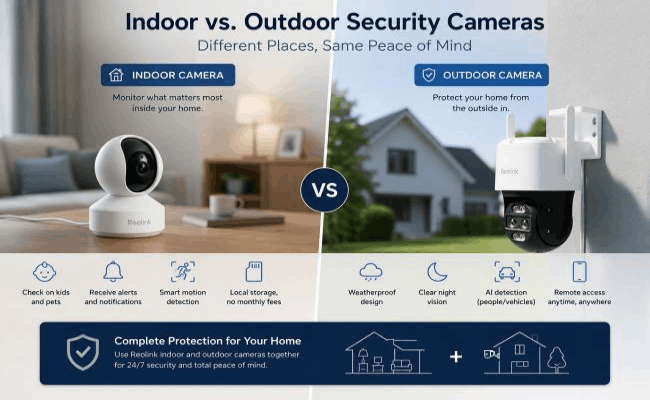
The main difference between indoor and outdoor security cameras is their durability, physical construction, and primary monitoring goals. Indoor cameras prioritize compact, discreet designs with privacy features for watching pets and family, while outdoor cameras feature rugged, weatherproof housing engineered to actively deter intruders and withstand harsh environmental conditions.
Choosing the right camera depends entirely on whether you need to protect your property's exterior boundaries or monitor activity within your living spaces.
- What Is an Indoor Security Camera?
- What Is an Outdoor Security Camera?
- Indoor vs. Outdoor Security Cameras: Key Differences
- Indoor vs. Outdoor Cameras: Which One Should You Choose?
- Pros and Cons
- Real-World Use Cases: Indoor vs. Outdoor Security Camera Usage
- Verdict: Is It Better to Have Indoor or Outdoor Security Cameras?
- Frequently Asked Questions
What Is an Indoor Security Camera?
An indoor security camera is a compact monitoring device designed strictly for climate-controlled environments inside the home. These cameras focus on convenience, easy room-to-room portability, and smart interactive features like two-way audio and dedicated privacy modes, making them ideal for monitoring children, elderly relatives, or household pets.
-
Discreet Aesthetics: Designed with a small footprint to sit inconspicuously on bookshelves, countertops, or mantlepieces.
-
Instant DIY Setup: Requires nothing more than a nearby power outlet and a standard home Wi-Fi connection to get up and running.
-
Interactive Two-Way Audio: Features integrated microphones and speakers so you can converse with family members or soothe pets remotely.
-
Built-In Privacy Modes: Allows users to physically shutter the lens or electronically turn off recording during personal moments.
Featured Solution for Indoor Security: Explore the Reolink E1 Series, designed for everyday indoor monitoring with a compact body, simple setup, flexible placement, and smart features for watching pets, kids, entryways, or shared living areas.
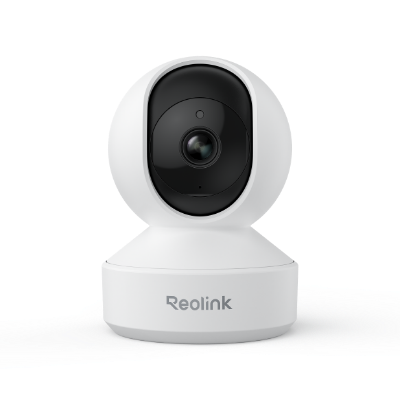 Reolink E1 Pro
Smart 5MP Wi-Fi PT Indoor Security Camera
Crying Detection for Baby Monitoring; Smart Detection & Auto Tracking; 360° Coverage with Pan & Tilt; 5MP Super HD.
What Is an Outdoor Security Camera?
An outdoor security camera is a ruggedized surveillance tool explicitly built to monitor exterior perimeters, yards, and entry points under all weather conditions.
Armed with heavy-duty weatherproofing, long-range night vision, and proactive deterrence tools like built-in sirens or floodlights, these cameras are engineered to intercept and stop threats before they cross your threshold.
-
Weatherproof Engineering: Features robust, completely sealed enclosures certified with high IP ratings to survive heavy rain, snow, and extreme temperatures.
-
Active Intruder Deterrence: Combines motion-triggered spotlights and high-decibel sirens to immediately scare away trespassers.
-
Advanced Edge AI Detection: Utilizes on-device algorithms to differentiate between humans, vehicles, and blowing debris, eliminating false smartphone alerts.
-
Versatile Power Options: Available in wired PoE, plug-in Wi-Fi, or wire-free battery layouts that can be continuously powered by solar panels.
Featured Solution for Outdoor Security: Explore the Reolink Altas Series, built for outdoor protection with long-lasting battery life, flexible wire-free installation, smart detection, and reliable performance for driveways, yards, entrances, and other areas where running cables is difficult.
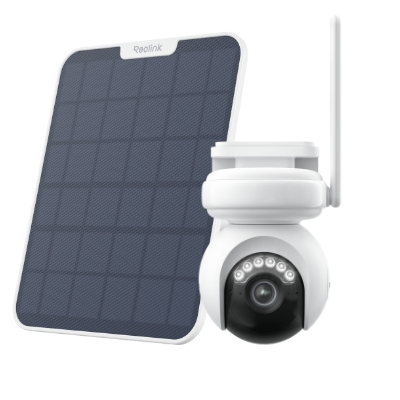 Reolink Altas PT Ultra
4K Battery-Powered PTZ Camera with Continuous Recording
👍 4K UHD video with continuous recording
👍 ColorX night vision in low light
👍 Pan, tilt, and automatic person tracking
👍 Local storage without monthly fees
Indoor vs. Outdoor Security Cameras: Key Differences
Which Is Easier to Install?
Indoor cameras are significantly easier to install, offering true plug-and-play setup that takes under five minutes by connecting to a mobile app and placing the device on a flat surface.
Outdoor cameras are inherently more involved; they require secure high-wall mounting to prevent tampering and often demand routing Ethernet or power cables through home exteriors and conduits.
Verdict: Indoor cameras win for effortless, tool-free setup.
Which Offers Better Weather Protection?
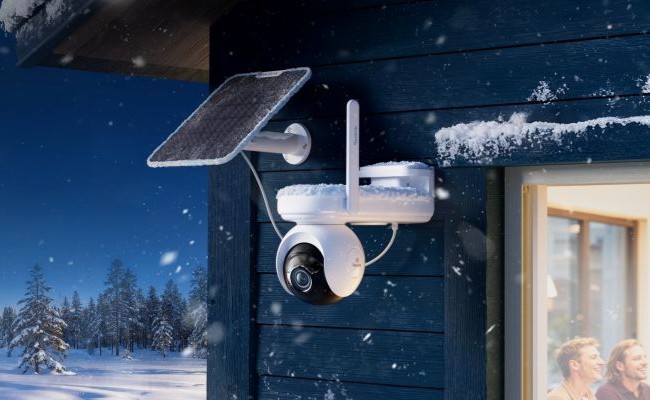
Most indoor cameras have no weather protection for outdoor conditions at any time of year. Moisture or temperature changes can damage them if used outside by error or mistake. Their design suits only controlled indoor conditions throughout the year without any problems.
Outdoor cameras carry IP ratings that show resistance levels for all potential buyers. An IP65 rating blocks dust and water spray from all directions without any leaks, and higher ratings handle heavy rain and snow without any problems. The sealed housing and tough materials endure heat, cold, and dust without failure or damage.
These features keep the camera working year round in most climates with good results.
Verdict: Outdoor cameras are specifically designed for harsh environments and tough weather conditions.
Which Provides Better Video Quality?
Video quality is tied to individual hardware specifications rather than a camera's location category, but outdoor cameras include specific software optimizations like High Dynamic Range (HDR) to manage harsh outdoor sunlight and deep shadows.
Furthermore, high-end outdoor models leverage wide f/1.6 apertures to gather maximum ambient light, whereas indoor models typically use standard f/2.0 apertures optimized for smaller, evenly lit rooms.
Verdict: Tie. Review the lens aperture, resolution (e.g., 2K vs 4K), and sensor specs rather than the category label.
Which Performs Better at Night?
Outdoor cameras deliver vastly superior night vision performance, utilizing powerful infrared arrays or specialized spotlight sensors to illuminate expansive yards across long distances. Indoor cameras use basic, short-range infrared LEDs that work perfectly across a standard living room but fail to project clear images over wide areas.
- Community Insight: According to extensive feedback accumulated from r/homesecurity, users trying to point an indoor camera through a glass window to monitor a yard report that the infrared light reflects off the pane, blinding the camera completely. For external views, a dedicated outdoor camera is an absolute necessity.
Verdict: Outdoor cameras win for long-range clarity and color night vision options.
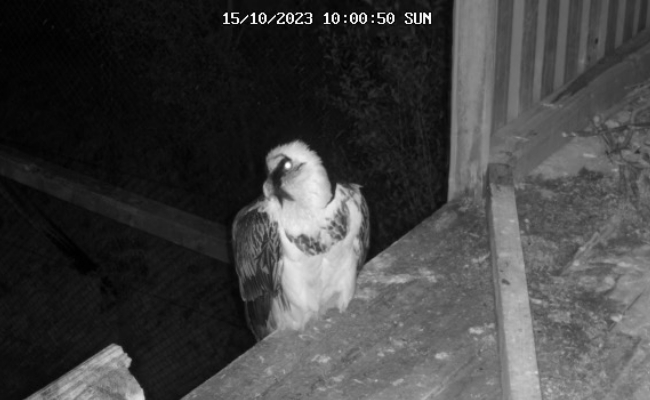
Which Is More Secure Against Tampering?
Indoor cameras sit within reach inside the home for easy access by anyone inside. Anyone who enters can unplug them without much effort or immediate detection by others. Their lighter build offers little resistance to interference by unwanted people in the house.
Outdoor cameras are mounted high on exterior walls out of easy reach for better safety. Their weatherproof cases use stronger materials that resist impacts and disable attempts by force. The high position and tough housing lower tampering and theft risks in a significant way. Some models include alarms that activate on movement of the camera itself for alerts.
Verdict: Outdoor cameras win for structural security and physical tamper resistance.
Which Costs More?
Indoor cameras generally cost significantly less due to their lighter builds and simplified component requirements. Outdoor cameras carry a higher price tag to cover the cost of weatherproofing materials, advanced night vision arrays, and ruggedized mounting hardware.
Verdict: Indoor cameras are more budget-friendly; outdoor models require a higher upfront investment for structural durability.
Which Is Better for Smart Home Integration?
Both categories connect to common smart home platforms for easy control by users. They work with Amazon Alexa for voice control and routines in the home system. Google Home users view live feeds and create automations with simple voice commands.
You can set rules such as phone alerts or light activation on motion detection events. The integration process stays similar for indoor and outdoor models from the same brand.
Verdict: Tie. Check the smart home compatibility before purchasing.
Comparison Table
Indoor vs. Outdoor Cameras: Which One Should You Choose?
Your ultimate configuration should depend on the specific zones you need to protect and your day-to-day property goals.
Recommended Indoor Solutions:
- Reolink E1 Zoom: Provides crisp 5MP clarity, seamless smart home connectivity, and an integrated privacy shutter for personal peace of mind.

PTZ Wireless Smart Home Camera
Smart, Powerful and Affordable All-Round Home Protection. 355° Pan and 50° Tilt; 4K Ultra HD, 3X Optical Zoom, Two-Way Audio, 2.4/5 GHz WiFi, with Google Assistant Integration.
- Reolink Home Hub System: The ideal localized security center to connect up to 8 indoor wireless units without recurring data storage subscriptions.
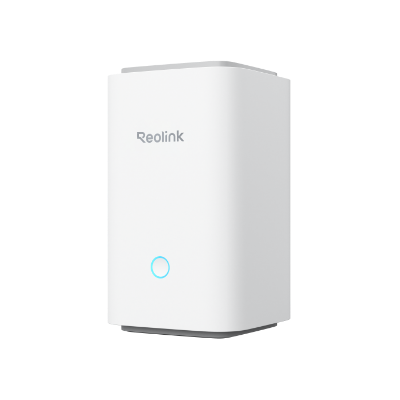
Wireless Security Center with Encrypted Local Storage and Multi-Device Management
64GB microSD Card Included; Exclusive Anti-Theft Algorithms; Expandable System Up to 8 Reolink Cams; No Monthly Fees
Recommended Outdoor Solutions:
- Reolink TrackMix PoE: A hardwired dual-lens powerhouse that automatically pans, tilts, and zooms to track outdoor human or vehicle activity.
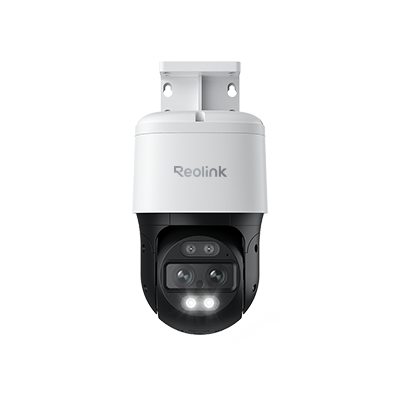
4K Dual-Lens PTZ Camera with Dual Tracking
4K 8MP Ultra HD, Wide & Telephoto Lenses, Pan & Tilt, Auto-Tracking, Person/Vehicle Detection, Power over Ethernet, Two-Way Audio.
- Reolink RLC-810A: A rugged, commercial-grade 4K PoE bullet camera optimized for deep perimeter surveillance and continuous NVR recording.
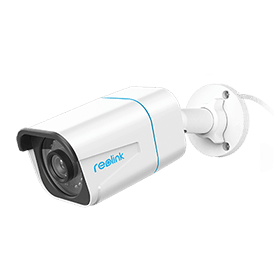
4K PoE IP Camera with Person/Vehicle Detection
Smart Person/Vehicle Alerts; 4K UHD Day; Night; 100ft Night Vision; Time Lapse; IP66 Certified Weatherproof; Audio Recording.
Pros and Cons
Review this direct summary of the structural benefits and restrictions of each camera type.
Indoor Cameras
Pros:
-
Highly affordable initial purchase costs for small property owners.
-
Effortless to re-locate from room to room as family needs pivot.
-
Soft, non-intimidating designs prevent guests from feeling uncomfortable.
Cons:
-
Entirely vulnerable to damage if exposed to dust or ambient moisture.
-
Easily disabled if a domestic intruder simply unplugs the wall adapter.
Outdoor Cameras
Pros:
-
Acts as a visible psychological deterrent to ward off potential criminals.
-
Engineered to track long-distance visibility through specialized optics.
-
Built-in solar or PoE options eliminate structural battery upkeep.
Cons:
-
Higher initial investment costs due to hardened industrial casings.
-
Demands rigorous structural alignment and climbing during setup.
Real-World Use Cases: Indoor vs. Outdoor Security Camera Usage
Reddit discussions show that users choose indoor and outdoor security cameras for very different reasons. Indoor cameras are often used for daily home awareness, such as checking on pets, kids, elderly family members, alarms, leaks, or rooms with valuables.
One user on r/homesecurity wanted an indoor camera mainly to monitor a dog while away, with local storage, low-light quality, app access, microphone, and motion or sound alerts as key requirements.

Another smart home discussion shows that indoor cameras are less about catching strangers outside and more about confirming what is happening inside the home. Users mentioned checking alarm status, monitoring children’s play areas, watching pets, confirming leaks near sump pumps or water heaters, and reviewing footage when something is missing or damaged.
Outdoor cameras, however, are mainly used for perimeter protection. Reddit users looking for outdoor security cameras focused on night vision, weather durability, easy installation, motion detection, app experience, and clear video quality. Many also wanted local storage and fewer false alerts from leaves, shadows, or animals.
In short, indoor cameras are best for monitoring people, pets, and activity inside the home, while outdoor cameras are better for driveways, entrances, yards, garages, and other areas where early detection and deterrence matter most. For a complete home security setup, using both types together provides wider protection: outdoor cameras help detect threats before they enter, and indoor cameras help verify what happens inside.
Verdict: Is It Better to Have Indoor or Outdoor Security Cameras?
Homeowners base the decision on the areas they want to monitor and conditions involved daily. Choose an indoor camera if your priority is monitoring interior spaces with simple installation and convenience. Choose an outdoor camera if you need durable, weather-resistant surveillance for entry points and yards.
A combination of both types gives the most complete coverage for a home in many cases. Explore the camera models that match your specific requirements to build a security setup suited to your home and personal needs for peace of mind.
Frequently Asked Questions
Can I Use an Indoor Security Camera Outside?
Indoor security cameras lack weatherproofing for outdoor conditions and weather exposure. Rain, snow, or temperature extremes can damage the electronics and housing in a short time. Manufacturers design them for indoor use only in controlled environments for safety.
Can Outdoor Cameras Be Used Indoors?
Outdoor cameras work without problems when placed inside the home or garage area. They provide the same monitoring and alert functions as indoor models do for users. Their larger size and higher price make them less practical for indoor use alone.
Owners can repurpose them in garages or covered porches if desired for extra monitoring.
Can I Use Both Indoor and Outdoor Cameras Together?
Many homeowners use both types together for full property coverage and better safety overall. Indoor cameras cover living spaces and bedrooms with clear views for families at home. Outdoor cameras watch the perimeter and entry points with wide angles for better security.
Do Outdoor Cameras Need Professional Installation?
Wireless battery-powered outdoor cameras allow most people to install them with basic tools. A ladder suffices for mounting on walls or eaves without extra help from others. Wired models or connections to existing systems may need an electrician for safe power setup.
Search
Subscribe for the Latest Updates
Security insights & offers right into your inbox