
How Many Security Cameras Do You Need for a Home or Business? 2026
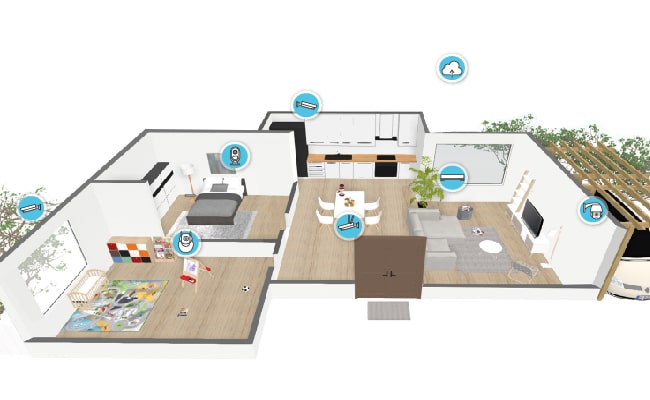
Most homes need about 3–6 security cameras, while larger homes may need 6–10 or more. A small business may need roughly 4–8 cameras, while larger stores, offices, warehouses, and multi-entry properties often require more. The right number depends mainly on entrances, blind spots, property size, camera field of view, and monitoring goals.
So how many security cameras do you need? 2? 5? 10 or more? No one can tell it accurately because it depends on where you need to install the cameras, why you need the video cameras and which type of security cams you buy. Below are the detailed insights to look into this matter. Read them and you can figure out how many security cameras you need for your home or business.
- How Many Security Cameras Do I Need for My House?
- How Many Security Cameras Does a Business Need?
- How Many Security Cameras Do You Need?
- How to Calculate How Many Security Cameras You Need?
- What Affects the Number of Security Cameras You Need?
- Where to Place Security Cameras?
- Do I Need One Camera Per Room?
- Choosing a Security Camera System Based on Camera Count
- Does the Number of Cameras Affect Which NVR You Need?
- FAQs
- Conclusion
How Many Security Cameras Do I Need for My House?
The number of security cameras you need for a house depends on your floor plan, exterior access points, and monitoring goals. Most residential properties require anywhere from 2 to 8 cameras to cover key vulnerabilities effectively.
You don't need to cover every square inch of a property to be secure—focusing on primary entrance points, high-traffic corridors, and exterior perimeters yields the highest security value without overspending.
Below are scenario-based examples to help you gauge your layout needs:
Apartment or Condo
Most apartments or condos only require 1 to 2 cameras to cover the front entrance and a balcony or patio, keeping hardware needs minimal due to shared exterior spaces.
-
Typical Camera Count: 1 to 2 cameras
-
Key Areas to Cover: Main entryway, back balcony/patio.
Apartments and condos usually have fewer private entrances and no expansive exterior yards to monitor. A single video doorbell or entrance camera combined with an indoor camera facing the main balcony door is often enough for full coverage.
Small or Medium Home
A typical single-family home requires 3 to 5 cameras to secure the main entry doors, driveway, and backyard access without over-complicating installation.
-
Typical Camera Count: 3 to 5 cameras
-
Key Areas to Cover (In Priority Order): Front entrance, driveway/garage entrance, back door/sliding patio doors, backyard, and indoor areas.
Prioritizing high-traffic entry points ensures you catch intruders where they are most likely to enter. Elevating cameras on outer corners often allows one unit to cover both a side entrance and a portion of the backyard simultaneously.
Large Home
Larger or multi-story properties need 6 to 12+ cameras to eliminate blind spots across expansive perimeters, detached garages, pools, and long driveways.
-
Typical Camera Count: 6 to 12+ cameras
-
Key Areas to Cover: Full perimeter coverage, multiple entrance doors, side walkways, long driveways, detached structures (sheds, detached garages), pool yards, and perimeter gates.
Multi-story or sprawling homes create multiple natural blind spots. Widescreen panoramic cameras or 180° dual-lens setups work best along perimeter walls, while dedicated 4K cameras ensure clear identification distance across long driveways and large backyards.
How Many Security Cameras Does a Business Need?
Commercial sites require structured coverage built around risk management, asset protection, and employee safety. Business systems usually range from 4 to 16+ cameras linked to a centralized Network Video Recorder (NVR) with local storage for continuous 24/7 recording.
Retail Store
Retail spaces typically need 4 to 8 cameras per 1,000–2,500 sq ft to protect register sales, deter shoplifting in aisles, and monitor stockroom inventory.
- Typical Camera Count: 4 to 8 cameras per 1,000–2,500 sq ft
Key Areas to Cover:
- Entrances/Exits: Tracks customer traffic and captures clear face identification upon entry.
- Checkout / POS Terminals: Dedicated high-resolution camera positioned directly over cash registers to monitor transactions and prevent cash handling errors or register shrinkage.
- Aisles: Covers high-value merchandise displays to deter shoplifting.
- Stockroom: Prevents internal theft and tracks inventory handling.
- Loading Area: Monitors vendor deliveries and back-door access.
Office
An office environment usually requires 4 to 10 cameras focused primarily on main entrances, reception desks, central hallways, and exterior parking access to log visitors and safeguard facilities.
- Typical Camera Count: 4 to 10 cameras (depending on layout)
Key Areas to Cover:
- Main Entrance & Reception: Registers all visitors entering the building.
- Corridors & Elevators: Monitors movement between floors and restricted access departments.
- Common Areas: Keeps record of breakrooms and supply closets.
- Exterior Access Points: Covers emergency exits, rear stairwells, and main parking areas.
Warehouse
Commercial warehouses require 8 to 16+ cameras to secure expansive inventory aisles, track loading dock deliveries, and maintain liability coverage across active work zones.
- Typical Camera Count: 8 to 16+ cameras
Key Areas to Cover:
- Loading Docks: Monitors active freight loading/unloading, cargo condition, and delivery trucks.
- Inventory Zones & High Storage Racks: Prevents inventory loss and provides clear visibility along narrow warehouse aisles.
- Aisles & Processing Lines: Captures worker safety compliance and operational workflow.
- Building Perimeter & Gates: Detects unauthorized movement around fencing and exterior walls.
- Parking Lots & Equipment Storage: Protects company fleet vehicles and employee parking areas.
How Many Security Cameras Do You Need?
How to Calculate How Many Security Cameras You Need?
Camera count ≈ critical monitoring zones + additional cameras needed to eliminate blind spots
Don't count rooms—count coverage zones. If one wide-angle camera clearly covers the front door and porch, you may not need separate cameras for both. Conversely, a large driveway may require multiple cameras if one camera cannot provide both overview coverage and useful identification detail.
Some Crucial monitoring zones include:
- Entry and exit points
- Driveways/parking areas
- Side access and gates
- Backyard/perimeter
- Garage
- High-value indoor areas
- Hallways or traffic choke points
- Areas requiring overlapping coverage
What Affects the Number of Security Cameras You Need?
Determining how many security cameras your property requires depends on your coverage goals, layout, and specific monitoring needs. Starting with a clear understanding of your site layout ensures you cover high-risk areas without overspending on unnecessary hardware.
Property size and layout
The overall square footage and physical layout of your space establish the baseline number of cameras required. Larger properties, multi-story buildings, and sites with irregular angles naturally create blind spots that demand additional units to maintain seamless coverage. Simple, open floor plans require fewer cameras than structures with multiple hallways, detached outbuildings, or fenced yards.
Field of view
A camera's field of view (FOV)—the wide angle of the lens—directly impacts how much ground a single unit can monitor. Cameras featuring wider viewing angles reduce total camera counts by covering expansive areas like driveways or large yards. Conversely, standard or narrow FOV lenses cover less ground, requiring multiple cameras to monitor the same space.
Camera placement
Strategic placement maximizes each camera's effectiveness, reducing the total count needed. Prioritize high-traffic entry points, including front and back doors, ground-floor windows, driveways, and main hallways. Placing cameras at elevated structural corners allows one unit to cover two perpendicular walls or pathways simultaneously.
Identification distance
The distance at which you need to clearly recognize faces or license plates dictates camera density and resolution choices. Capturing clear, identifiable detail over longer distances requires higher resolution (such as 2K or 4K) or zoomed-in angles. If detailed identification is required across broad stretches, you will need either closer camera spacing or specialized optical zoom cameras.
180° vs fixed vs PTZ
The camera mechanism you choose directly alters the number of units required:
-
180° / Dual-Lens Cameras: Stitch together wide-angle images to cover expansive perimeter walls or front yards, often replacing two or three standard fixed cameras.
-
Fixed Lenses: Point in a single, permanent direction. They are cost-effective but require separate units for every distinct angle or zone you wish to monitor.
-
Pan-Tilt-Zoom (PTZ) Cameras: Rotate and zoom dynamically. While one PTZ can survey a vast area, it only records where it is currently pointed, meaning fixed cameras are still often paired with PTZ units to ensure continuous coverage.
Indoor vs outdoor coverage
Indoor and outdoor spaces present different security risks and environmental demands. Outdoor environments generally require more cameras due to larger perimeter boundaries, separate gates, dark corners, and multiple outbuildings.
Indoor setups typically require fewer cameras, focusing strictly on high-traffic passageways and main living or storage areas while preserving personal privacy.
Where to Place Security Cameras?
-
Entry Points: Front door, back door, side doors, garage entrances and gates.
-
Approach Areas: Driveways, walkways, yards and parking areas.
-
Vulnerable or High-Value Areas: Garages, workshops, stockrooms, cash registers or equipment areas.
-
Indoor Common Areas: Hallways, living rooms, reception areas and other appropriate common spaces.
Avoid placing cameras where people reasonably expect privacy, such as bathrooms or changing areas, and check applicable local laws before recording audio or monitoring employees.
Do I Need One Camera Per Room?
No. Security cameras should generally be planned around important entrances, activity zones, and blind spots rather than assigning one camera to every room. One properly positioned wide-angle camera may cover a large common area, while an exterior driveway or complex entrance may require more than one camera.
Choosing a Security Camera System Based on Camera Count
Does the Number of Cameras Affect Which NVR You Need?
Yes. If you're building an NVR-based system, choose enough channels for both your current cameras and future expansion. For example, installing six cameras on an eight-channel NVR leaves only two channels available, while a higher-capacity NVR gives you more room to add cameras later.
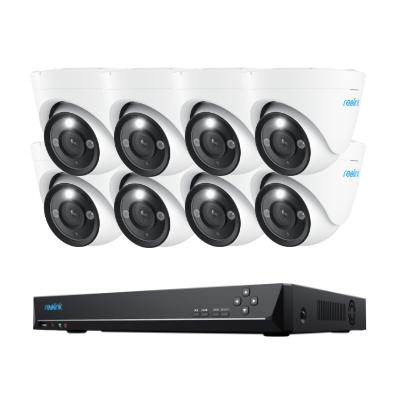
12MP PoE Security System with Color Night Vision
12MP Ultra HD, Person/Vehicle Detection, Power over Ethernet, 16-Channel NVR.
FAQs
How Many Security Cameras Does the Average Home Need?
Most homes need about 3–6 security cameras to cover key areas such as the front door, driveway, back door, backyard, and garage. Larger properties, multiple entrances, detached buildings, or significant blind spots may require 6–10 or more cameras. Camera field of view and placement also affect the total number needed.
Is 4 Security Cameras Enough for a House?
Yes, four security cameras can be enough for a small or medium-sized house if they are positioned strategically. A typical four-camera setup might cover the front entrance, driveway or garage, back entrance, and backyard. Homes with multiple side entrances, large yards, or detached structures may need additional cameras.
How Many Outdoor Security Cameras Do I Need?
Most homes can start with 2–4 outdoor security cameras. Prioritize front and back entrances, driveways, garages, gates, side passages, and other approaches to the property. Large yards or areas with blind spots may require additional cameras or wider-angle coverage.
Do I Need One Security Camera for Every Room?
No. Instead of installing one camera in every room, plan your system around important coverage zones. Entrances, hallways, common areas, garages, and other high-traffic or high-value areas usually matter more. One properly positioned wide-angle camera may also cover a large common area that would otherwise require multiple cameras.
Can One 180° Camera Replace Two Security Cameras?
Sometimes. A 180° security camera can cover a broad area without the central blind spot that can occur between two separately positioned cameras, making it useful for driveways, front yards, and wide entrances. However, two cameras may be better when you need different viewing angles, closer identification at longer distances, or coverage of areas separated by walls or other obstacles.
Conclusion
Figuring out "how many security cameras do I need?" doesn't have to be overwhelming. By listing your entry points, identifying high-priority coverage areas, and picking the right lens types, you can build a tailored security system for any property size. Ready to secure your home or business? Look for reliable systems with clear video quality, dependable warranties, and dedicated support so you can monitor what matters most with total confidence.
Search
Subscribe for the Latest Updates
Security insights & offers right into your inbox