
Does Renters Insurance Cover Car Break-Ins
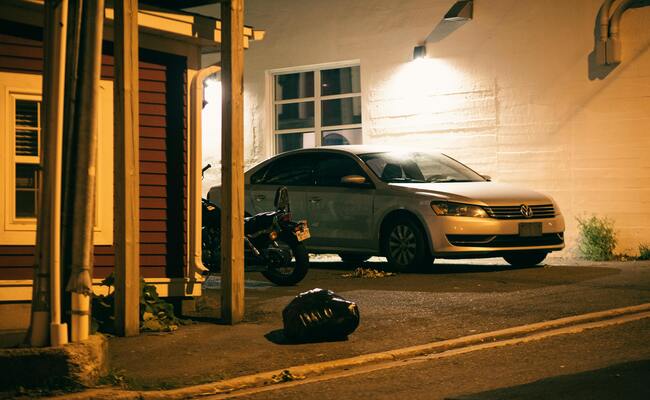
After break-ins, renters often wonder if their renters' insurance covers it. They usually have no idea of what items are covered, which is why many people do not file a claim.
In this article, we will discuss whether renters' insurance covers car break-ins. We will explain what gets covered and what does not when a car break-in ruins your week, and how you can file a claim.
Understanding Renters Insurance Coverage and Car Theft
Renters insurance is designed to protect your personal belongings, not the building where you live. Your landlord's policy covers the physical structure. Your policy covers everything you own inside that structure. But your belongings do not become unprotected when you leave your apartment. Some items, like your car, phone, and luggage, are still protected.
Standard renters insurance policies include something called "off-premises coverage." This means your items are still covered even when they are not inside your rental unit. If your phone is stolen from a coffee shop, your policy may help. If your luggage disappears at the airport, you might have coverage. The same principle applies to items stolen from your car.
Does Renters Insurance Cover Car Break-Ins?
The short answer is yes, but only for the items stolen from inside your car. Your renters' insurance policy typically covers personal belongings up to your policy's limits, regardless of where the theft occurs. This includes theft from your vehicle, whether it is parked on the street, in a garage, or in your own driveway. However, it does not cover any damage to the vehicle resulting from theft.
The actual payout depends on your specific policy details. Most standard policies offer between $20,000 and $50,000 in personal property coverage. However, there may be sub-limits for certain categories, such as electronics, jewelry, or firearms. Some policies limit laptop coverage to $1,000 or $2,000 unless you purchase additional scheduled property coverage.
It is also worth noting that your deductible applies to this claim. If your deductible is $500 and your stolen items are worth $600, you will only receive $100 from the insurance company. Many policyholders find that small theft claims are not worth filing because of the deductible and potential premium increases.
What Renters Insurance Does NOT Cover in Car Theft?
Many people file claims expecting reimbursement, only to discover frustrating gaps in their coverage. Here are the most common exclusions when it comes to car break-ins:
-
Damage to the vehicle itself: Your renters' insurance will not pay a single dollar to fix a broken window, dented door, scratched paint, or damaged lock. Vehicle repairs fall entirely under your auto insurance policy's comprehensive coverage.
-
Items belonging to someone else: If your friend's laptop was stolen from your car, your renters' insurance will not cover it. Your policy only protects your personal property. Your friend would need to file a claim on their own renters or homeowners insurance.
-
Cash and currency: Most renters' insurance policies have very low limits for cash, typically $200 or less. Some policies exclude cash entirely. Keeping large amounts of money in your car is extremely risky for this reason.
-
High-value items without special coverage: Engagement rings, expensive watches, professional camera equipment, and high-end electronics often have sub-limits of $1,000 to $2,500. If your $5,000 laptop is stolen, you may only receive $1,500 unless you purchased additional coverage.
How to Protect Your Property and Car Theft?
Preventing car break-ins is always better than filing insurance claims. Here are practical steps to protect your belongings:
-
Never leave valuables in plain sight: This is the golden rule of car safety. A visible backpack, phone charger, or shopping bag invites trouble. Thieves break windows for items worth as little as five dollars. Store everything in your trunk before arriving at your destination, not after you park.
-
Park in well-lit, busy areas: Thieves prefer dark, quiet locations where no one will witness the break-in. Parking near security cameras, busy storefronts, or well-lit streetlamps reduces your risk significantly. Garages with active security patrols are even better.
-
Install a security camera: For added security, you can install a Reolink camera inside your car. It deters thieves and also documents everything for a smooth insurance claim.
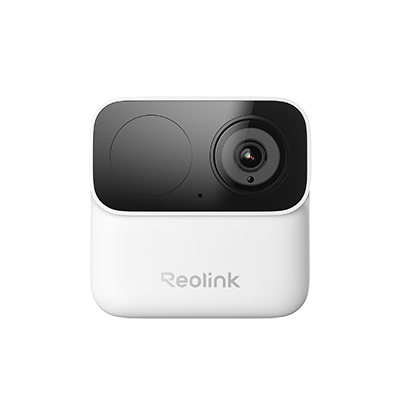
2MP Wireless Power-Efficient Camera
Magnetic Mounting for Easy Installation, Max. 9-Month Battery Life, Dual-Band 2.4/5GHz Wi-Fi, No Monthly Fees.
-
Remove items from your car overnight: Your driveway is not as safe as you think. Car break-ins happen in residential neighborhoods constantly. Take your laptop, gym bag, and other valuables inside every single night. Do not leave anything in your car that you would be upset to lose.
-
Review your insurance policies carefully: Understand your renters insurance deductibles and coverage limits. Check if your auto insurance includes comprehensive coverage for vehicle damage. Some policies offer vanishing deductibles for claims-free drivers.
If Your Belongings Are Stolen from Your Car, How Do You File a Claim?
Following the correct steps ensures you get the maximum reimbursement possible. Here is exactly what to do:
- File a police report immediately: Call the non-emergency police line as soon as you discover the theft. Provide a detailed list of stolen items, including brands, models, serial numbers, and estimated values. Get a copy of the police report number for your insurance claim.
- Document everything with photos: Take pictures of the broken window, damaged door, and any other signs of forced entry. Photograph the empty spaces where your belongings used to be. Also, attach the video if you have a security camera in the vehicle.
- Contact your renters insurance provider: Call your insurance company or file a claim through their mobile app. Provide the police report number and your detailed list of stolen items.
- Provide proof of ownership: Receipts, credit card statements, photos of you with the items, and serial numbers all help prove you owned the stolen property.
- Keep all receipts for replacement items: If you need to buy immediate replacements, like a new laptop for work, keep every receipt. Your insurance company may reimburse you after the claim is approved. Do not throw anything away until the claim closes.
- Follow up regularly: Insurance claims can take weeks to process. Call your adjuster every few days for updates. Provide any additional documentation they request as quickly as possible.
FAQs
Will renters' insurance cover stolen items from my car?
Yes, renters' insurance typically covers personal belongings stolen from your vehicle, but it does not cover damage to the car itself.
Does renters' insurance cover car damage from a break-in?
No, renters' insurance never covers damage to your vehicle. You need comprehensive auto insurance for broken windows or door damage.
What insurance covers a break-in?
Two policies may apply: renters insurance covers your stolen belongings, and comprehensive auto insurance covers the vehicle damage.
How much is $300,000 renters insurance?
The average cost of renters insurance with $300,000 liability coverage is approximately $15 to $25 per month, depending on your location and claims history.
Conclusion
So, does renters' insurance cover car break-ins? Yes, but only for your stolen belongings up to policy limits and after your deductible. The broken window and scratched paint are on your auto insurance. If you have gone through the unfortunate incident, follow the steps we have shared to file a claim. For the future, lock your doors, hide your valuables, install a security camera, and take other measures to secure your car.
Search
Subscribe for the Latest Updates
Security insights & offers right into your inbox