






Camouflage Security Cameras: Guide to Stealth Security
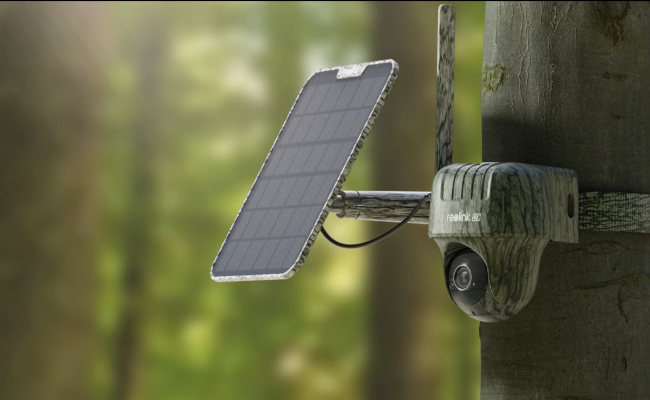
Camouflage security cameras blend into their surroundings using a camo-patterned housing or a matching paint job, so they keep watch without drawing attention.
Whether the right approach is a dedicated camo camera or a disguise you build yourself depends on your situation: someone watching a wildlife in a trail or backyard needs something different from a homeowner hiding a camera near the front door. This guide covers both routes, installation tips and how to choose the right one for your needs.
- What Are Camouflage Security Cameras
- What Are The Benefits of Camouflage Cameras
- Best Picks for Camouflage Security Cameras
- How to DIY Your Own Camouflage Security Cameras
- How to Install a Camouflage Security Camera
- What to Look For in a Camouflage Security Camera
- Which Camouflage Camera Setup Fits Your Situation?
- Buyer Decision Table
- FAQs
- Conclusion
What Are Camouflage Security Cameras
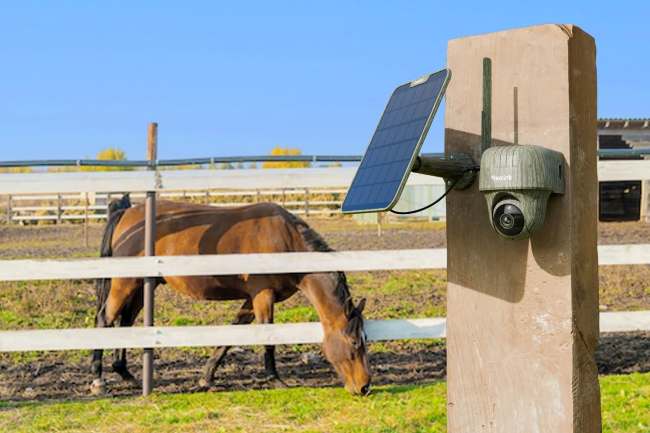
A camouflage security camera is a camera designed to hide in plain sight using a camo-patterned housing, a natural-looking cover, or matching paint. In this way, it blends in as part of the scenery instead of a lens pointed at a life form. Some people search for the same idea as a "cloak camera" or "cam masking," but the goal is the same either way.
Wildlife researchers and bird watchers were using this design long before it showed up on home security cameras. A trail camera finished in a forest-green or bark-pattern skin blends into the habitat it's watching, so animals move naturally in front of it instead of spooking at an obvious plastic box strapped to a tree.
That same idea now comes in two forms. Some cameras ship with the disguise already built in from the factory. Others start as an ordinary camera that you disguise yourself, tucked inside an everyday object like a thermostat, smoke detector, or air freshener casing. Purpose-built camo housings are typically wood-toned plastic, coated metal, or composite fiber, built to survive outdoors without looking out of place.
What Are The Benefits of Camouflage Cameras
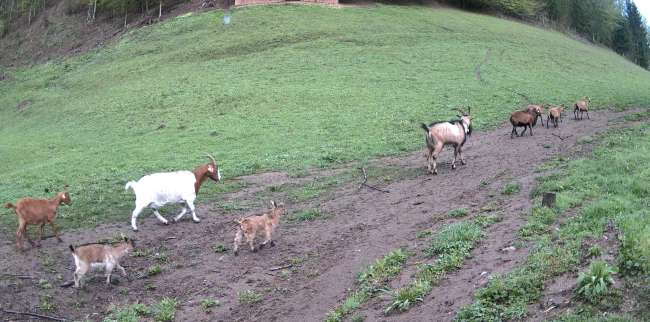
Reolink TrackMix LTE's shot of goats
The main benefit of a camouflaged camera is that it does its job without announcing itself, which matters anywhere an obvious camera would be unwelcome or an easy target.
The same idea works for a business with rural property as they can use a disguised camera to keep watch without an obvious camera on display.
A camo-pattern camera blends into tree lines, garden beds, and rural landscapes, allowing it to monitor wildlife without standing out. This is especially important for wildlife observation, as animals can be cautious around unfamiliar objects. By matching the surrounding environment, the camera can capture more natural behavior while preserving the look of the area.
Business use follows the same logic. A farm stand, a rural storefront, or any property with natural surroundings can use the same camo-pattern housing. A storefront on a plain city block would need a different approach, since there's no foliage or terrain for a camo pattern to blend into.
Best Picks for Camouflage Security Cameras
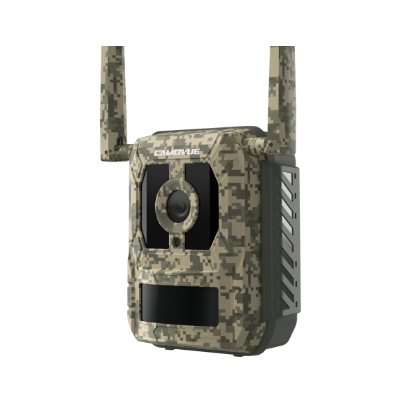
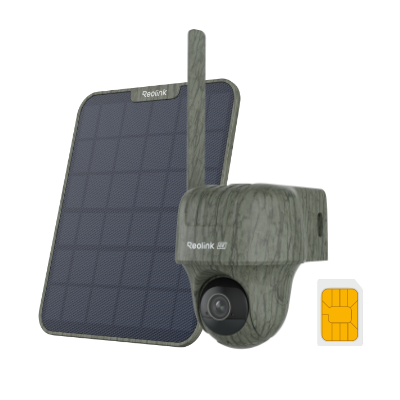
Two current Reolink cameras come with a camouflage design built in, so you're not stuck painting or wrapping a camera yourself. The Go Ranger PT suits close-range wildlife and trail monitoring, while the TrackMix LTE-C is built for watching farther across a larger property.
Best single-lens camo trail camera: Reolink Go Ranger PT
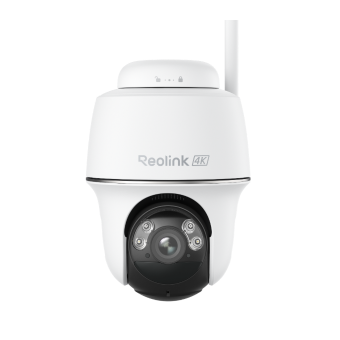
The Reolink Go Ranger PT ships in a camouflage skin and runs on 4G cellular. So it works on a trail, in a backyard, or on a remote plot with no WiFi nearby.
It records at true 4K resolution (8MP), sharp enough to make out a face, or the markings on an animal well, instead of a blurry shape passing through frame.
Its 355-degree pan and 140-degree tilt let one camera cover a wide trail crossing or an entire yard, so you're not stuck adding a second unit to close the gap a fixed lens would leave. And because its no-glow infrared LEDs reach up to 10 meters (33 feet) at night without the visible red glow that gives away most night-vision cameras, it keeps watch after dark without breaking the same camouflage that hides it during the day.
Trigger speed is rated at 0.5 seconds or faster, so it starts recording before someone walking at a normal pace has fully entered the frame, rather than catching only the tail end of the shot.
It runs on a rechargeable battery, so there's no power cable to run out to a tree or fence post in the middle of a trail, and the optional solar panel keeps that battery topped off on its own, cutting down how often you have to hike back out just to recharge or swap it.
Footage stores locally on a microSD card up to 128GB, enough to hold weeks of clips without paying for cloud storage, and the IP65 weatherproof rating means it can sit through rain, dust, and temperature swings unattended for a full season without needing to come down.
Reolink Go Ranger PT Review
Did You Know: The Go Ranger PT is an award-winning design, not just a rugged one. It picked up Gold at the 2023 MUSE Design Awards and went on to win an iF Design Award in 2024, two of the most recognized honors in product design.
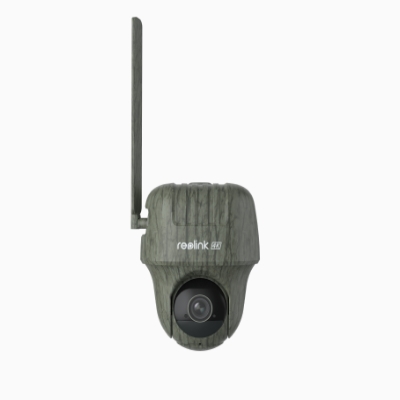
4K 4G LTE Wildlife Camera with 360° All-Around View
4G LTE Network, 4K 8MP Ultra HD, No-Glow IR LEDs, Person Detection, Animal Detection, Two-Way Audio, Battery/Solar Powered.
Best dual-lens camo camera for long-range detail: Reolink TrackMix LTE-C
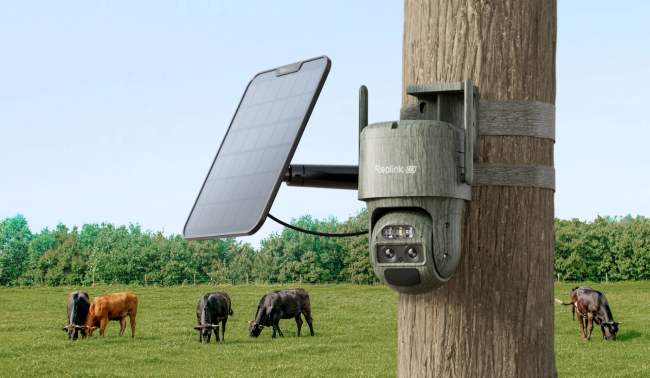
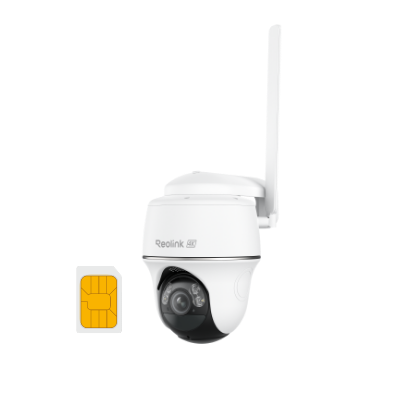
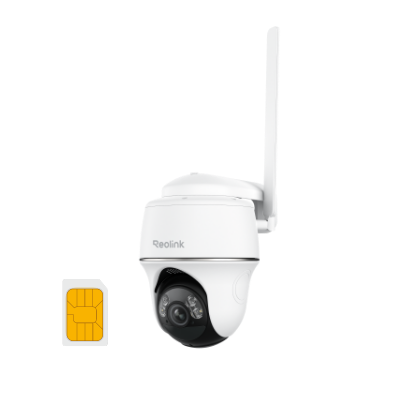
The Reolink TrackMix LTE-C pairs a wide-angle and telephoto lens in one camo-patterned body, letting you see the full scene and a 6x zoomed-in view simultaneously without switching cameras.
Night vision reaches 30 meters (100 feet), about three times the Go Ranger PT's range, which matters if you're watching a long driveway, a treeline, or a gate from a distance rather than a close trail crossing.
It also runs on 4G cellular with battery and solar options. Like the Go Ranger PT, it can go up on a pole or fence line with no outlet or WiFi anywhere nearby and keep running on its own.
Having person, vehicle, and animal detection on top of motion alerts means it can tell you what tripped it instead of leaving you to figure it out. You don't have to keep digging through clips of wind-blown branches or passing shadows to find the one alert that matters. Do note that this is a larger, pricier camera built for coverage distance, not for tucking into a small space.
Spy on Wildlife with Your Camera | Reolink TrackMix LTE-C
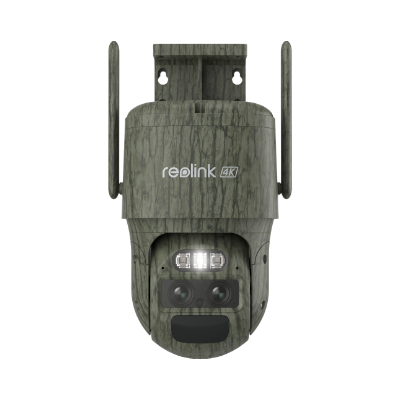
4G LTE Dual-Lens PTZ Camera with Motion Tracking
4K 8MP UHD, Wide-Angle & Telephoto Lenses, Pan-Tilt-Zoom, Auto-Tracking, Person/Vehicle/Animal Detection, 4G LTE, Two-Way Audio.
Quick Spec Comparison of Go Ranger PT vs. TrackMix LTE-C
How to DIY Your Own Camouflage Security Cameras
If you already own a camera and don't want to buy a dedicated camo model, you can disguise it yourself with paint, a cover, or by tucking it inside an object that already blends into its surroundings.
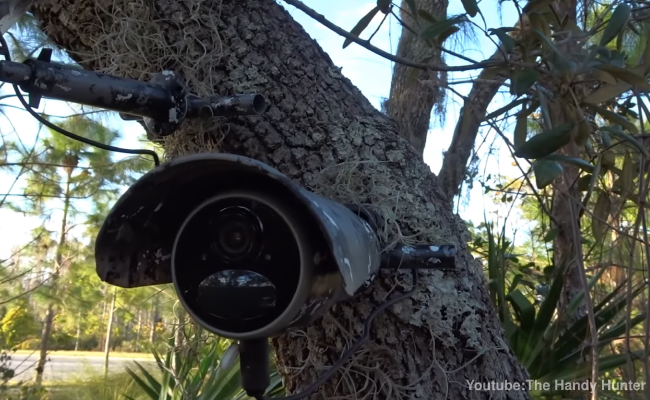
Source: The Handy Hunter
1. Use a camouflage cover or skin
A camouflage cover or skin fits over an existing camera and blends it into its surroundings without altering the camera itself. This works on most outdoor cameras regardless of brand, and it's the fastest way to add a camo pattern to a camera that didn't ship with one.
2. Match it to the surrounding foliage
For an outdoor camera near landscaping, small branches or twigs placed around the lens, without blocking the view, help it disappear into the greenery the same way a camo-pattern skin does. Check the camera every few months to make sure the natural cover hasn't shifted and blocked the lens.
[ga-seo-howto]
How to Install a Camouflage Security Camera
Installing a camouflage camera follows the same steps as any outdoor camera, just one extra step, which is to check the disguise once everything else works.
Step 1: Choose a position
Choose a location that provides good coverage while minimizing blind spots. For outdoor camo cameras, placement in a tree, along a fence, or within dense foliage helps it blend in. Ensure there's enough ambient light, but avoid direct sunlight to prevent image washout.
Step 2: Prepare for the installation
Confirm any cables you need are already run, or can be run through walls or ceilings without major construction. Clear obstructions around the mounting area and clean off any dirt or dust so it doesn't affect footage quality.
Step 3: Follow the installation instructions
Read the instructions for your specific model. Most cameras include mounting hardware, but depending on the surface, you may also need anchors, screws, or drywall tape.
Step 4: Adjust settings and camouflage it
Once it's installed, adjust motion detection sensitivity and video quality to fit the location. Add the camouflage covering, whether that's a camo cover or skin, or small branches placed around the lens. After that's done, double-check that the disguise doesn't block the view.
Step 5: Maintain it regularly
Check the camera every few months for signs of interference or a shifted cover, and clean the lens so footage stays clear.
Pro Tip: Reolink's guide to protecting outdoor cameras covers weatherproofing and upkeep in more depth.
What to Look For in a Camouflage Security Camera
The right camouflage camera depends on how far you need to see, how discreet the housing needs to be, and whether you want a subscription-free setup. These seven features matter most.
Resolution of at least 3MP
Entry-level 3MP is enough to tell a person from an animal at close range. For identifying a face or license plate 20 to 30 feet away, look for 4K (8MP) instead.
Smart detection
A camera that tells a person apart from an animal or a passing car cuts down on false alerts, which matters more for a hidden camera since you can't glance at it to check what triggered it.
Invisible infrared LEDs
No-glow IR records in full darkness without a visible red glow that gives away the camera's position. Range matters too. 10 meters (33 feet) covers a small yard or trail crossing, while 30 meters (100 feet) reaches a long driveway or treeline.
Two-way audio
Useful if you want to speak up at a distance, warning someone off on a trail or driveway without walking out there yourself. It matters less for a camera mounted deep in foliage, where you don't want to draw attention to its exact position in the first place.
Local and cloud storage options
A microSD card or NVR keeps footage on-site with no monthly fee. Cloud storage costs more but is easier to reach from anywhere.
Battery life or solar power
A camera that runs several months per charge, or tops itself up with a small solar panel, needs far fewer trips back to a hidden mounting spot.
Trigger speed of 0.5 seconds or faster
At walking pace, a slower camera can miss the first half of whoever passed through frame. A sub-second trigger speed catches the full approach.
Which Camouflage Camera Setup Fits Your Situation?
Someone watching a remote trail or backyard, a homeowner adding camo to an existing camera, and a rural or natural-setting business protecting its exterior all need a different approach, even though all three fall under "camouflage camera."
Remote trail, backyard, or property with no WiFi nearby: A cellular trail camera like the Go Ranger PT, uses 4G connectivity to send alerts, making it a practical choice for such areas where a WiFi network isn't available.
Large property, long driveway, or treeline: Go for a dual-lens camera with zoom, such as the TrackMix LTE-C. It lets you monitor the full scene while capturing close-up details at the same time, even at long distances.
You already own a camera and want to add camo to it: Get a camouflage cover or skin, to match it to the surrounding foliage, from the [DIY section above], it (#how-to-diy-your-own-camouflage-security-cameras) costs less than a new camera and works on most existing outdoor cameras.
Rural or natural-setting business exterior: A farm stand or rural storefront with natural surroundings can use the same dedicated camo cameras as a home setup. Go for the Go Ranger PT if it's a smaller lot or the TrackMix LTE-C for a longer perimeter or driveway.
Privacy-first setup with no subscription: Both the Go Ranger PT and TrackMix LTE-C record to a local microSD card, so a monthly cloud fee is optional, not required.
Buyer Decision Table
To help cut through the options above, here's a quick decision table you can scan before buying.
FAQs
How do you camouflage a security camera?
Fit it with a camouflage cover or skin, or match it to its surroundings with foliage or branches placed around the lens. The DIY section above walks through both methods and when to use each.
How do you hide a security camera in plain sight?
Placement matters as much as the disguise itself. Mount it near foliage or shadow-casting plants, or tuck it under an eave or soffit, so it reads as part of the scene rather than a lens someone is looking for.
Is it legal to hide security cameras?
Generally yes, as long as it's pointed at your own property and not into a neighbor's yard or another space where someone would expect privacy. Rules on audio recording and camera placement near property lines vary by state, so check Reolink's guides on hidden camera laws and outdoor camera laws by state before installing one, or consult a local attorney for your specific situation.
Conclusion
None of this works if the disguise doesn't match what's around it. A bark-pattern skin earns its keep on a trail camera bolted to a pine trunk; strap that same skin onto a storefront on a bare sidewalk and it just reads as an odd plastic box nobody asked for.
That's the real question underneath everything above, not which camera has the flashiest spec sheet, but whether it can actually vanish into wherever you're putting it. A Go Ranger PT vanishes into a treeline, a TrackMix LTE-C vanishes along a long driveway, and a cover snapped onto the camera you already own vanishes wherever that camera already lives. Pick for the fit, not the pattern.
Got a specific spot you're trying to disguise a camera in? Tell us about it in the comments, we read every one and reply.
Search
Subscribe for the Latest Updates
Security insights & offers right into your inbox