
Best Camping in Florida | Top Spots for 2026 Adventures
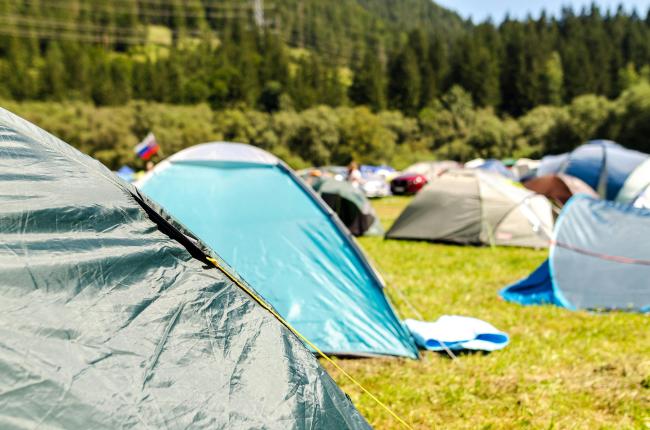
Florida keeps a long list of quiet woods, salt-scented islands, and spring-fed rivers that open up each winter and spring. The state park system, national forests, and county preserves give campers clean restrooms, level sites, and easy access to paddling trails.
The following guide lists the ten best camping spots in Florida for 2026 trips, then breaks out the top choices for RV rigs, tents, and beach lovers. Use the tips and safety notes to turn any camping in Florida weekend into a smooth, low-stress escape.
Why Choose Florida for Camping?
Twelve months of camping weather, more than 170 state park camps, and no elevation higher than 345 feet make setup simple. You can watch manatees roll past your breakfast table, paddle under mangrove tunnels before lunch, and still reach a grocery store by dinner.
Most sites sit inside gated parks that lock at sunset, so crime stays low and dark skies stay dark. Florida also keeps prices steady; a site with water and electric rarely tops thirty-five dollars, even in season.
10 Best Camping in Florida
The ten best Florida camping spots below sit in different corners of the state, so you can fit one into almost any road trip. All places to camp in Florida list the park name, the recreation highlight, and the site count, so you can judge how far ahead to reserve.
1. Grayton Beach State Park
Sugar-white dunes, rare coastal dune lakes, and a two-mile shoreline give campers both fresh and salt water in one place. Forty full-hookup sites sit under scrub oaks, and a separate loop holds fifty-nine tent sites with central water. Cyclists pedal the flat eighteen-mile Timpoochee Trail right from camp.
2. Bahia Honda State Park
The old railroad bridge frames sunset photos that win contests. Eighty sites line both the Atlantic and Florida Bay sides, and every site fits a forty-foot rig. Snorkelers walk straight into the water at Calusa Beach, while kayaks launch on the quieter bay side for dolphin watching.
3. Ocala National Forest – Juniper Springs
The 1930s stone mill still turns beside the clearest spring in the forest. Seventy-seven sites hide under longleaf pine, and each pad holds a tent or a small trailer. A five-mile spring run carries you through palm tunnels and over two small rapids before it meets Lake George.
4. Myakka River State Park
One of the oldest and largest state parks guards thirty-seven thousand acres of prairie, hammock, and river. Ninety sites offer water and electricity, and another dozen sites are primitive along the river. Airboat tours, canopy walks, and night sky programs run daily in season.
5. Anastasia State Park
Four miles of coquina-shell beach is fifteen minutes away from downtown St. Augustine. A hundred and thirty-nine locations are behind stabilized dunes, and a brief stroll will bring one to a concession where boards can be rented and coffee sold. To invest an easy morning side trip, the park road leaves the inlet bridge up to the historic fort.
6. Highlands Hammock State Park
There is a three-mile loop drive of ancient and live oaks dipping with moss, and this ends up in a 1930s Civilian Conservation Corps museum. A hundred and thirty-four hookup and lake sites are all level in the canopy. Bike riders are coexisting with deer, otters, and passing Florida black bears, but seldom.
7. Collier-Seminole State Park
Mangrove swamp meets cypress dome here, ten miles south of Naples. One hundred twenty sites with electric and water lines, a neat loop, and a separate primitive field fit youth groups. Paddle the Blackwater River through tunnels of red mangrove or pedal the six-mile Royal Palm Hammock trail.
8. Cayo Costa State Park
You reach this barrier island only by ferry or private boat. Thirty-four primitive cabins and tent sites sit behind the dunes; none have power, and all share cold-water rinse showers. Shelling, snorkeling, and gopher-tortoise watching fill quiet days.
9. Silver Springs State Park
Glass-bottom boats continue to travel their length on the main spring, and a second launch hires out the transparent kayaks. There are fifty-nine full-hookup stations with ten tent pads in the presence of live oaks. The park has access to the Ocklawaha River trail, where a twelve-mile paddle offers easy boating in cypress knees.
10. Tomoka State Park
Live oaks block ocean wind along the Tomoka River, yet the Atlantic beach sits ten minutes away by car. One hundred sites sit on two loops, and most handle big rigs. Fishermen cast from the seawall for redfish and sheepshead while pelicans beg for scraps.
Best Tent Camping in Florida
Tent campers want shade, level ground, and quick access to water without listening to generators. These three sites keep cars on the edge of the loop and pitch tents under old trees.
1. Paynes Prairie Preserve State Park
The savanna south of Gainesville holds wild horses, bison, and more than three hundred bird species. Fifty shady tent pads sit on a separate car-free walk-in loop that sits fifty yards from parking. A forty-foot observation tower gives sunrise views over the wet prairie.
2. Little Talbot Island State Park
Salt marsh, maritime forest, and five miles of undisturbed beach sit twenty miles east of Jacksonville. Forty tent sites hide under live oaks, and each pad holds two small tents. The campground gate locks at sunset, so traffic noise disappears.
3. Oleta River State Park
Mangrove-lined lagoons sit fifteen minutes from downtown Miami. Fourteen tent pads line a quiet finger of the river, and each site rents a locking trunk for gear storage so you can bike or paddle without worry.
Best RV Camping in Florida
Long rigs need open sky, strong electric, and dump stations that stay clean. The three parks below meet those needs and still keep you close to water.
1. Fort De Soto Park
Pinellas County runs this five-island chain at the mouth of Tampa Bay. Eighty-five pull-through sites give fifty-amp service, and each has a private patio slab. A seven-mile paved trail circles the key, and the north beach allows leashed dogs before nine each morning.
2. Topsail Hill Preserve State Park
Three miles of dunes, coastal dune lakes, and rare wet-prairie land sit behind a gated entry. One hundred fifty-six paved sites line wide loops, and every pad is sixty feet long. A tram carries beach chairs and coolers over the boardwalk, so you leave the rig parked.
3. St. George Island State Park
Nine miles of undeferred Gulf beach sit thirty minutes from Apalachicola. Sixty full-hookup sites line two loops, and the front row faces nothing but sand and sea oats. The bay side rents canoes for easy paddling through the salt marsh.
Best Beach Camping in Florida
Oceanfront sites fill first because sunrise over water never grows old. The three below let you sleep with the screen door open to hear waves.
1. Gamble Rogers Memorial State Recreation Area
Flagler Beach keeps a slow, small-town feel, and the park holds thirty-four oceanfront sites for rigs or tents. Step off the pad and onto coquina sand, then cast a line for pompano from the shore.
2. Long Key State Park
The middle Florida Keys used to hold a plush fishing camp until the 1935 hurricane swept it away. Today, sixty sites sit directly on the Atlantic, and a shallow flat stretches half a mile out at low tide, perfect for wade fishing.
3. Jonathan Dickinson State Park
The park fronts both the wild Loxahatchee River and a narrow strip of the Atlantic through Hobe Sound. Twenty-five river sites plus four small cabins let you choose between paddling and surfing on the same day.
How to Find Best Camping Sites in Florida?
Demand spikes from January through April, so a plan saves you from scrolling on a small screen at the last minute. Use the steps below to lock in a site that matches your gear and calendar.
- Start with the Florida State Parks reservation site. It shows live inventory, photographs, and a calendar that turns green when sites open.
- Cross-check Google satellite view for tree cover if you camp in summer heat; some loops sit in open sun.
- Look at county parks if state parks are full; Charlotte, Collier, and Pinellas counties run clean, cheap campgrounds that take online bookings.
- Call the park office and ask about a cancellation list; many rangers will hold a returned site for you until five the same day.
- Book midweek first, then add weekend days later; the system lets you adjust without a fee if the same site stays open.
How Stay Safe While Camping in Florida?
Florida campsites sit close to water, and water means alligators, lightning, and biting insects. A few habits keep the risk low and the fun high.
- Check the weather radar each afternoon; storms build fast, and tents can fail in fifty-mile-per-hour gusts.
- Keep a clean camp; store all food in the car or the provided bear box, and wipe tables so raccoons do not learn to open coolers.
- Bring a head net and long sleeves from May through October; no-see-ums bite through sunscreen at dusk.
- Give alligators at least thirty feet; never clean fish at the water’s edge, and keep dogs on a six-foot leash.
- Use a battery 4G security camera pointed at your picnic table when you leave for the beach; it records motion and sends a phone alert if a person or animal enters the site.
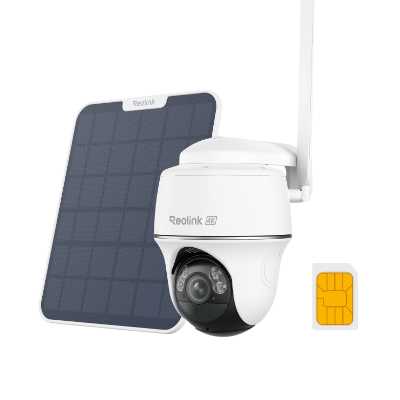
4K 8MP Wire-Free 4G LTE PT Battery Camera
4K 8MP; Smart Detection; 355° Pan & 140° Tilt; Battery/Solar Powered; Color Night Vision; Smart Real-Time Alert.
FAQs
What is the best Florida state park for camping?
Grayton Beach blends Gulf beach with coastal dune lakes, full hookups, and bike trails, giving most campers the widest mix of fun in one spot.
What month is best to camp in Florida?
March delivers dry air, seventy-five-degree days, and low bug counts, but you must reserve early because snowbirds fill every site.
Where is the most beautiful place to camp?
Cayo Costa offers empty shell beaches, star-filled skies, and the sound of waves with no cars, reachable only by boat for true solitude.
What is the golden rule of camping?
Leave the site cleaner than you found it, so the next camper and the wildlife both stay safe, and the park stays open for all.
Conclusion
The salt water, fresh springs, and hammocks of shade all remain within two hours of one another, making Florida the most accommodating area in the southeast to do camping. The top ten parks above allow you to have beach sunrise, river paddling, and stargazing in the dark sky without traveling beyond state boundaries.
Reserve in advance during winter, carry little during summer, and place a tiny security camera on your table in the event that you wander a long distance away from your gear. Some other favorite swimming, camping locations you would recommend in Florida, you can add into the comments so other readers can also check them out on their trip in 2026.
Search
Subscribe for the Latest Updates
Security insights & offers right into your inbox