
Standalone Battery Powered Security Cameras: Advanced Guide
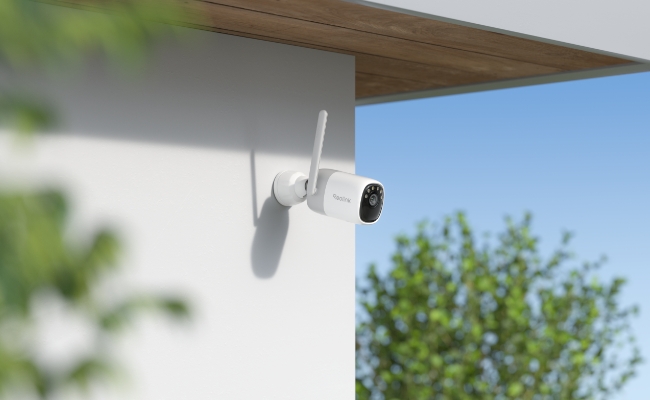
Standalone battery powered security cameras offer a flexible way to monitor homes, yards, garages, barns, and remote properties. With battery power and self-contained features, they can be placed in more locations and adapted as your monitoring needs change.
But not all standalone cameras work the same way. This guide covers their key benefits, available types, important features to consider, and the best options for different monitoring needs.
Key Takeaways:
- Standalone battery powered security cameras can operate without a fixed power connection or separate recorder, making them easier to install and relocate.
- WiFi models are suitable for homes with reliable network coverage, while 4G LTE models provide remote access in locations without WiFi. Local storage can also support offline recording on compatible cameras.
- Key features to compare include connectivity, battery and solar charging, local storage, smart detection, resolution, night vision, and weather resistance.
- These cameras are particularly useful for homes, rental properties, farms, construction sites, RVs, cabins, and other locations where wiring is difficult or temporary monitoring is needed.
- What Is a Standalone Battery-Powered Security Camera?
- Benefits of Standalone Battery-Powered Security Cameras
- How to Choose a Standalone Battery Powered Security Camera?
- Best Standalone Battery Powered Security Cameras
- Common Scenarios for Standalone Battery Powered Security Cameras
- Standalone Battery Camera vs. Wired Security Camera System
- FAQs
- Conclusion
What Is a Standalone Battery-Powered Security Camera?
A standalone battery-powered security camera combines the camera, rechargeable battery, motion detection, storage, and network connection in a single device. The key difference is that it does not depend on a separate NVR/DVR, base station, or power outlet to perform basic surveillance.
For example, a standalone camera with an SD card can detect motion and save recordings locally without being connected to a recorder. If Wi-Fi is unavailable, some models can continue recording to the SD card, while 4G LTE models can use a cellular network for remote viewing and alerts. This makes standalone battery cameras practical for garages, barns, RVs, construction sites, and other locations where a conventional camera system is difficult to install.
Benefits of Standalone Battery-Powered Security Cameras
-
Flexible and Portable: Without a fixed power connection or recorder, the camera can be installed in different locations and easily moved when monitoring needs change.
-
No Power Wiring Required: Battery power eliminates the need to run electrical cables, making installation easier around yards, garages, barns, rental properties, and other difficult-to-wire areas.
-
Local Storage: Models with an SD card slot can save motion recordings directly on the camera, reducing dependence on a separate recorder or cloud subscription.
-
Works in Locations Without Fixed Internet: Cameras with local storage can continue recording without Internet access, while 4G LTE models can provide remote viewing and alerts in locations without Wi-Fi.
How to Choose a Standalone Battery Powered Security Camera?
Choosing a standalone battery powered security camera comes down to where you will use it, how it connects, and what kind of monitoring you need. Compare the following factors before making a decision.
Connectivity and Offline Use
WiFi models work well around homes and other locations with wireless coverage. Dual-band cameras support both 2.4 GHz and 5 GHz, providing more connection options. For farms, construction sites, cabins, and other locations without WiFi, 4G LTE cameras can connect through a cellular network. Cameras with local storage can also save recordings without an Internet connection, although remote viewing and alerts require WiFi or cellular connectivity.
Battery Life and Charging Options
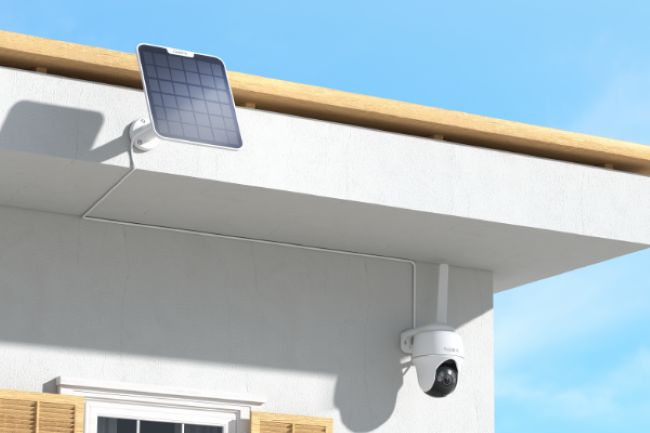
Compare battery capacity and charging options rather than relying only on advertised battery-life estimates, as runtime changes with recording frequency, live viewing, temperature, and camera settings. Battery capacity can range from around 5,000mAh to 20,000mAh depending on the model, while solar-compatible cameras can recharge outdoors without being removed for regular charging.
Storage Options
Check whether the camera supports a microSD card and its maximum capacity. Standalone battery cameras may support capacities such as 128GB or 512GB, allowing footage to be stored directly on the camera without a separate NVR. Some models can continue recording locally when the Internet is unavailable and do not require a paid cloud subscription for local storage.
Remote Viewing and App Features
A smartphone app can provide live view, recorded video playback, push notifications, and access to camera settings. WiFi cameras require an Internet-connected WiFi network for remote access, while 4G LTE cameras use cellular data. Features such as two-way audio, remote playback, and notification settings can also be managed through the app on supported cameras.
Smart Motion Detection
Basic motion detection responds to movement, while AI-based detection can distinguish people, vehicles, and animals. This reduces recordings triggered by less relevant movement and can help conserve battery power. Some cameras also support adjustable detection sensitivity and detection zones for areas such as driveways and entrances.
Resolution and Night Vision
4K security cameras typically offer around 8MP resolution, such as 3840 × 2160, while some dual-lens battery cameras provide a 180° horizontal field of view for wider coverage. For nighttime monitoring, IR night vision works without visible lighting, while color night vision retains color information with ambient light, a spotlight, or low-light imaging technology.
Weather Resistance
For outdoor installation, check the camera's IP rating and operating temperature range rather than relying only on an "outdoor" label. Ratings such as IP64 or IP65 indicate protection against dust and water exposure, while some battery cameras operate from -20°C to 55°C (-4°F to 131°F).
Best Standalone Battery Powered Security Cameras
Reolink offers standalone battery security cameras for both WiFi-covered properties and locations without fixed Internet access. Here are two options for different monitoring needs.
Best Long-Battery-Life Standalone Camera: Reolink Altas PT Ultra
Reolink Altas PT Ultra is a 4K battery-powered WiFi camera designed for long-term outdoor monitoring. Its 20,000mAh rechargeable battery supports extended use, while an optional solar panel can provide continuous charging for outdoor installations.
The camera records in 4K 8MP resolution and supports pan, tilt, and automatic tracking for wider coverage. It also supports dual-band 2.4GHz and 5GHz WiFi and local storage on a microSD card up to 512GB.
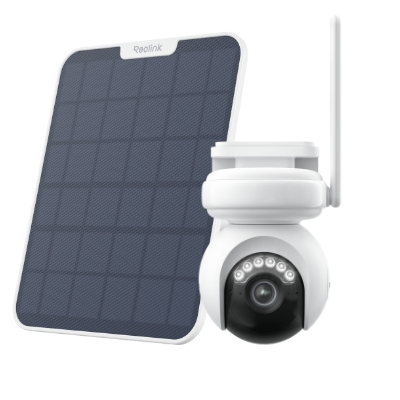
4K Battery-Powered PTZ Camera with Continuous Recording
👍 4K UHD video with continuous recording
👍 ColorX night vision in low light
👍 Pan, tilt, and automatic person tracking
👍 Local storage without monthly fees
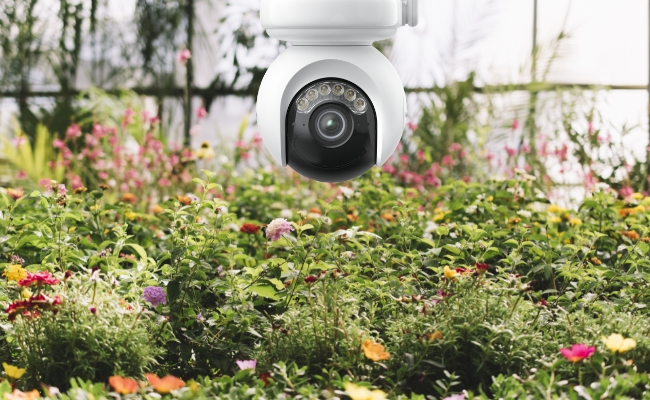
Best Standalone Battery Camera Without WiFi: Reolink Go PT Ultra
Reolink Go PT Ultra is designed for locations where WiFi is unavailable, such as farms, construction sites, cabins, and remote properties. It connects through a 4G LTE cellular network and runs on a rechargeable battery with optional solar charging.
The camera records in 4K 8MP resolution and supports pan and tilt for wider monitoring. It can detect people, vehicles, and animals, while recordings can be stored locally on a microSD card. The 4G LTE connection also allows remote live viewing and alerts through the Reolink App.
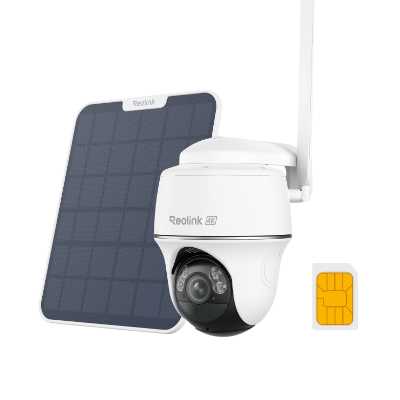
4K 8MP Wire-Free 4G LTE PT Battery Camera
4K 8MP; Smart Detection; 355° Pan & 140° Tilt; Battery/Solar Powered; Color Night Vision; Smart Real-Time Alert.
Descision table
Common Scenarios for Standalone Battery Powered Security Cameras
Homes and Rental Properties
Standalone battery cameras work well around front doors, backyards, garages, and side entrances where running new power cables may be inconvenient. They are also easier to relocate in rental properties because installation requires less permanent wiring.
Farms and Remote Properties
Barns, gates, livestock areas, and remote buildings may be far from both power outlets and home WiFi. A battery camera can operate without wired power, while a 4G LTE model can provide remote access where cellular coverage is available.
Construction Sites
Construction sites frequently change as work progresses, making fixed camera positions less practical. Battery cameras can be moved to monitor entrances, equipment storage areas, and different work zones without installing new power wiring.
RVs and Cabins
RVs, vacation cabins, and other occasionally occupied properties may not have a permanent Internet or electrical connection. Cameras with local SD card storage can record events onsite, while cellular models add remote viewing and alerts.
Temporary Monitoring
Standalone cameras are also useful when surveillance is only needed for a limited period, such as monitoring a renovation, temporary storage area, or newly installed equipment. The camera can be installed and removed without building a permanent CCTV system.
Standalone Battery Camera vs. Wired Security Camera System
FAQs
What is the best standalone security camera?
The best standalone security camera should offer local storage, long battery life, smart detection, high-resolution video, and reliable night vision without depending on a separate recorder. The Reolink Altas PT Ultra is a strong option with 4K 8MP video, ColorX night vision, pan-and-tilt coverage, smart detection, and microSD storage up to 512GB.
What is the best wireless battery operated security camera?
A good wireless battery operated security camera should combine reliable WiFi, rechargeable power, clear day and night video, smart detection, and flexible installation. The Reolink Argus PT Ultra fits these needs with 4K 8MP video, dual-band WiFi, 355-degree pan and 140-degree tilt, smart person, vehicle, and animal detection, and optional solar charging
Are stand-alone battery-powered security cameras worth it?
Yes, especially when running power or Ethernet cables is difficult. They are useful for rental properties, yards, farms, cabins, and construction sites because they require little wiring and can be relocated easily. The main trade-off is that most battery cameras rely more heavily on motion-triggered recording than wired cameras, although some newer models such as the Altas PT Ultra also support continuous recording.
Conclusion
Standalone battery powered security cameras are a practical option for locations where fixed power, network wiring, or a complete security system is difficult to install. With features such as local storage, WiFi or 4G LTE connectivity, smart detection, high-resolution video, and solar charging, they can cover everything from homes and driveways to farms, cabins, and construction sites.
For long-term monitoring around a WiFi-connected property, the Reolink Altas PT Ultra offers 4K video, long battery life, and flexible local recording. For remote locations without WiFi, the Reolink Go PT Ultra provides similar standalone flexibility through a 4G LTE connection.
Search
Subscribe for the Latest Updates
Security insights & offers right into your inbox