

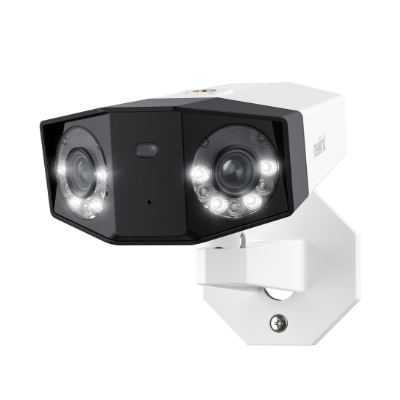
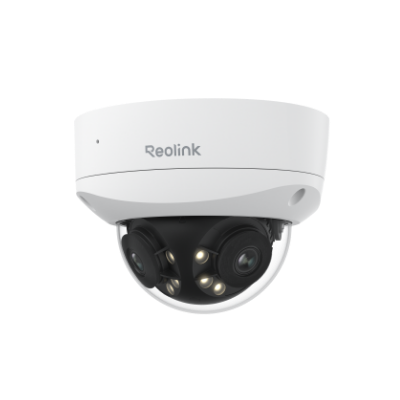
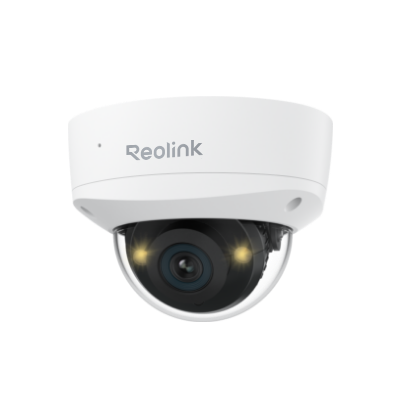
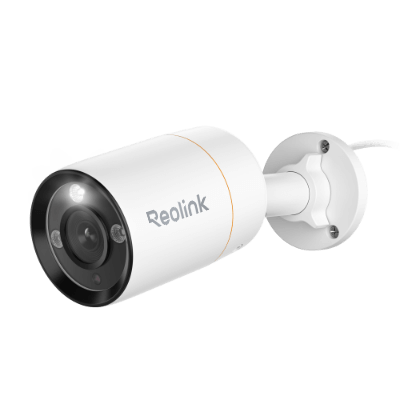

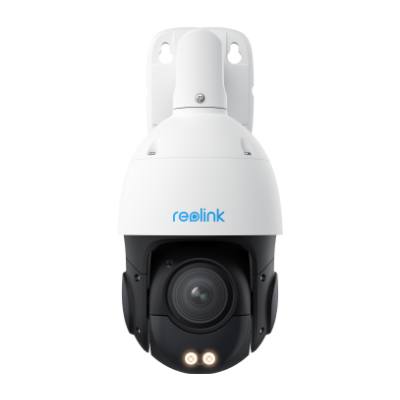
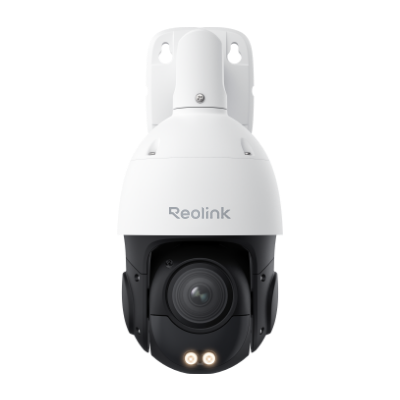
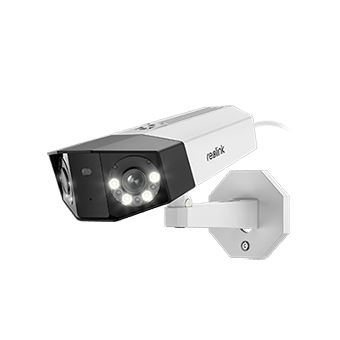


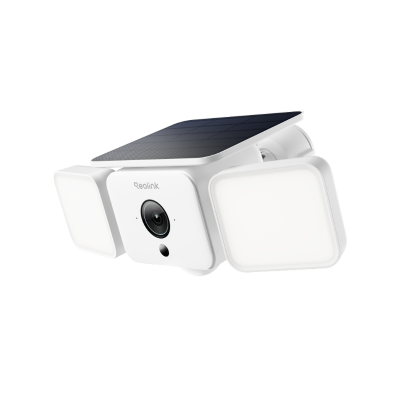
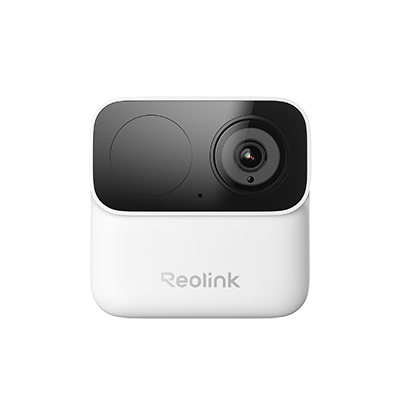
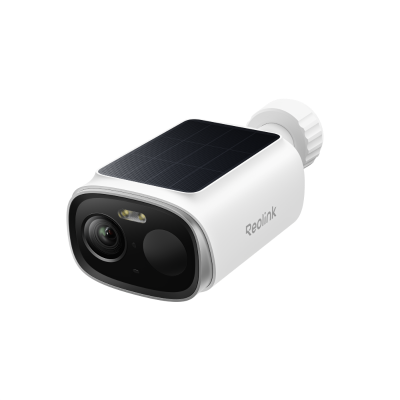
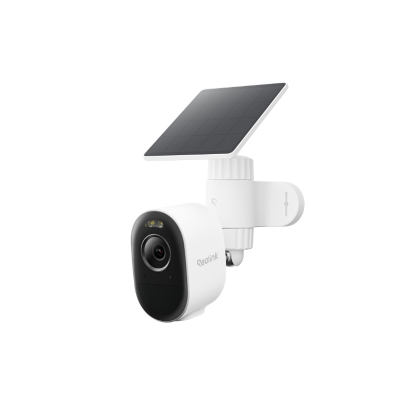

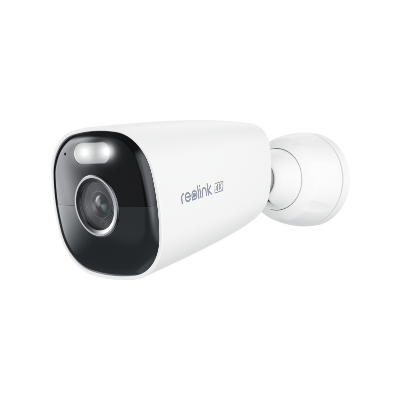
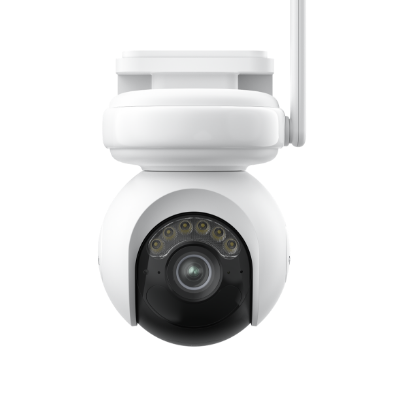
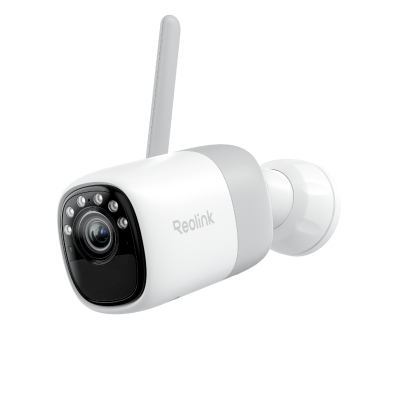
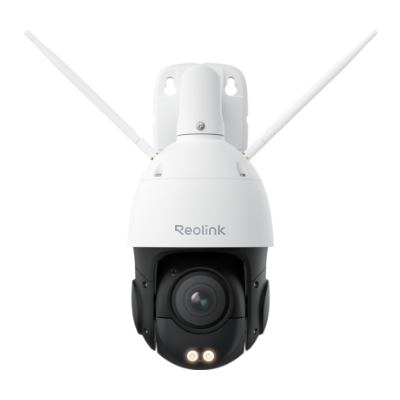
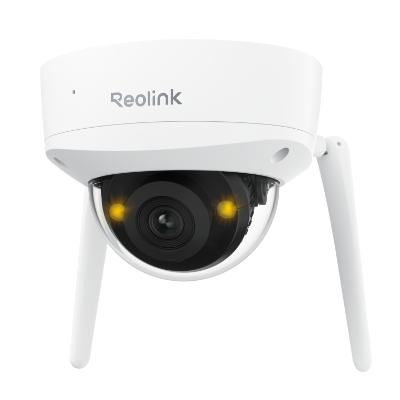
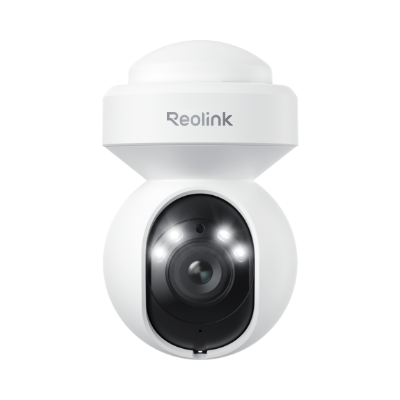
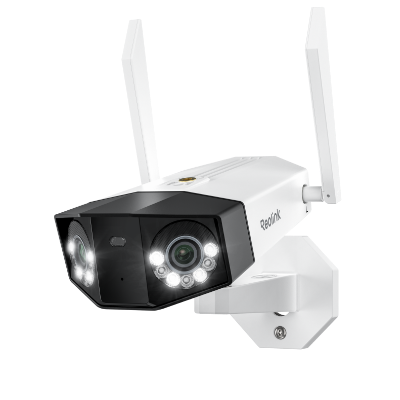


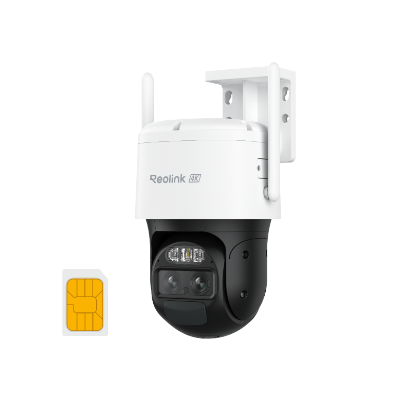
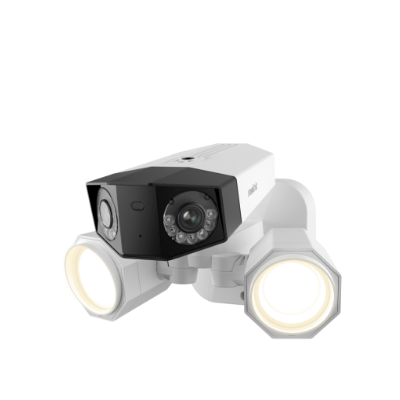
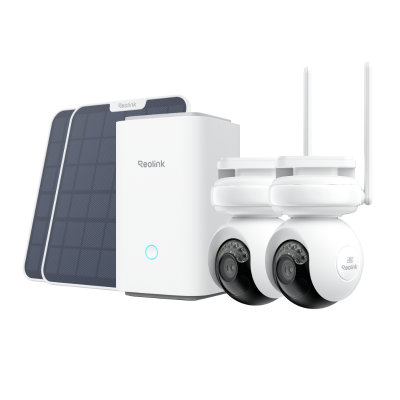
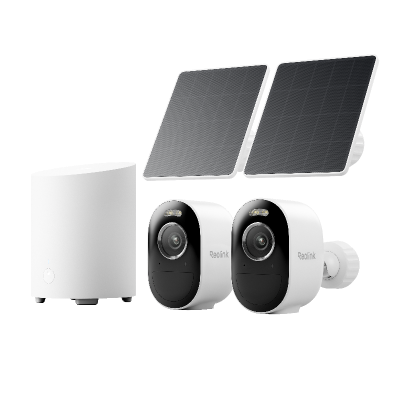
3 Best Cellular Trail Camera with Solar Panel

Few things are more frustrating than trekking out to the “back forty” to check your trail camera, only to find it died two weeks ago. You’ve missed the peak of the rut or worse, the very trespasser you were hoping to catch. Changing batteries in the freezing cold or humid woods is a chore most of us would be happy to never deal with again.
The solution is a "set-and-forget" system: A cellular trail camera with solar panel setup. By combining LTE connectivity with a dedicated sun-fed power source, you eliminate the need to physically pull SD cards or carry bags of AA batteries into the field. This guide breaks down exactly what actually matter in the woods and highlights three top-tier trail camera models designed to stay powered and connected year-round. From 360-degree views to dual-lens tracking, here is how you can choose the right rig for your property.
What to Look for in a Cellular Trail Camera with Solar Panel
Selecting the right gear involves more than just checking a megapixel count. For a remote setup to actually survive the elements, you must balance power efficiency with cellular reliability and trigger precision. These core technical factors determine whether your camera stays online through a storm or goes dark right when a trophy buck walks by. Here are the key factors that you should consider when choosing a cellular trail camera with solar panel.
Solar Panel Type: Integrated vs. External
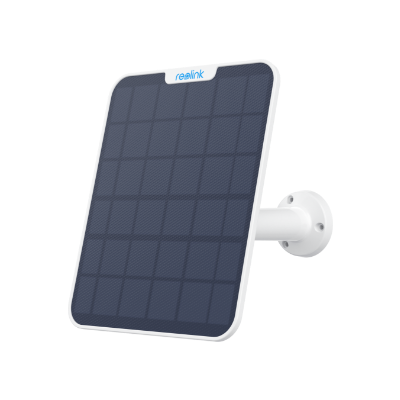
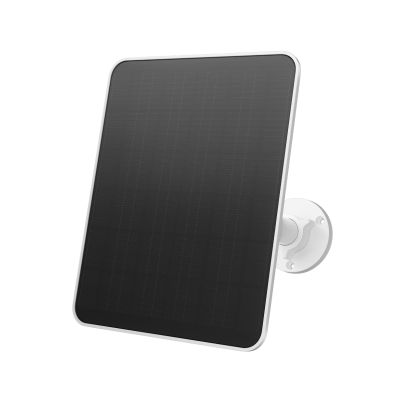
External panels offer the most flexibility, allowing you to mount your camera deep in places like cedar thickets while the panel sits six feet higher in direct sunlight. Since 4G LTE modems draw significantly more power than basic passive trail cameras, a 6W+ panel is the practical starting point for keeping your battery topped off through a week of heavy activity or overcast skies.
Cellular Network Compatibility
A cellular game camera is only as good as the local signal, so 4G LTE remains the gold standard for reliable transmission in rural areas. Some systems simplify setup by including a SIM card and SD card in the box, which saves you the frustration of sourcing a compatible third-party data plan.
Image Quality and Night Vision
Animals such as mature bucks often move from last light through the early morning hours. 940nm no-glow IR will be essential for keeping your camera completely invisible to wildlife, day or night, without a flash that could alert a wary deer. Pair this with a large F1.6 aperture, which pulls in significantly more ambient light to produce brighter, sharper night images without a startling visible flash.
Trigger Speed and Detection Range
A slow trigger results in "ghost" photos or shots of a deer’s hindquarters, so look for a response time under 0.5 seconds. This must be matched with an appropriate detection range, ideally one that keeps the PIR sensor from triggering on animals that are already beyond the camera's effective photo distance.
App, Subscription Fees, and Remote Access
Monthly costs can quickly outpace the price of the hardware if you are charged for every photo transmission. Choosing a no-subscription model that uses local storage and a free app allows you to enjoy a truly "set-and-forget" system without a recurring bill.
The 3 Best Cellular Trail Cameras with Solar Panel
Not every cellular trail camera is built to handle the sustained power demands of 4G transmission alongside high-resolution video capture. We’ve narrowed the field to three standout models, each built to solve a specific scouting or security headache.
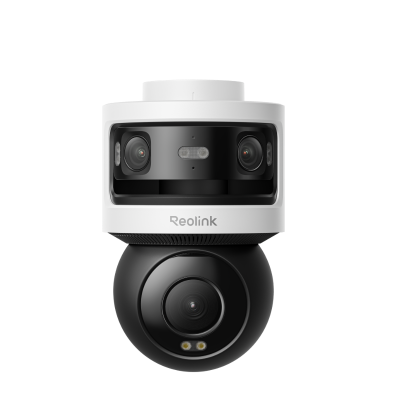
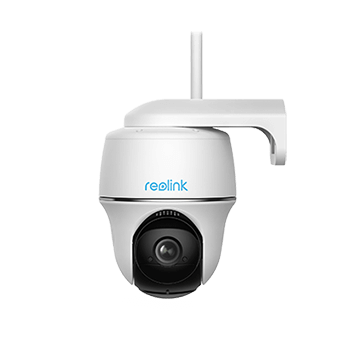
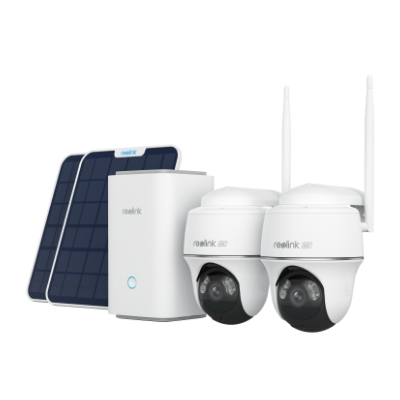
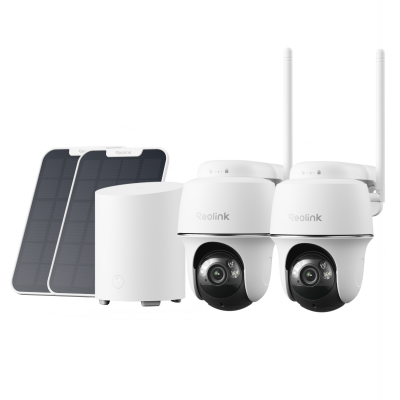
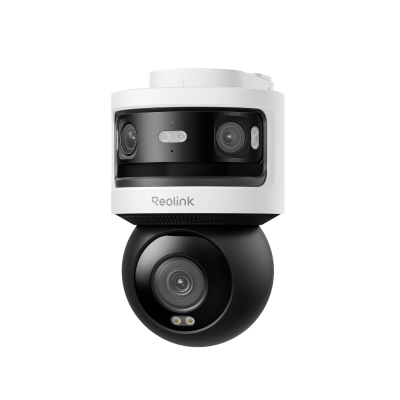
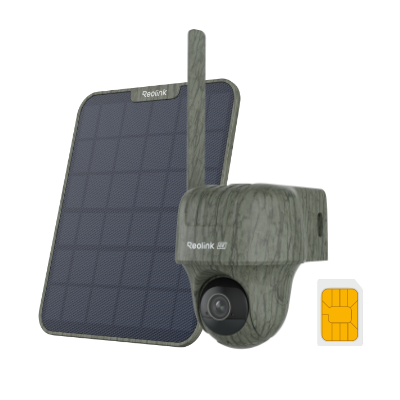
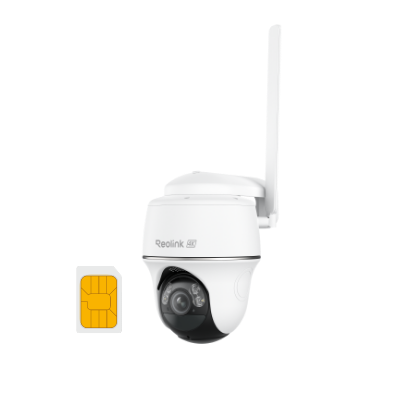
Reolink Go Ranger PT - Best Overall Solar-Powered Cellular Trail Camera
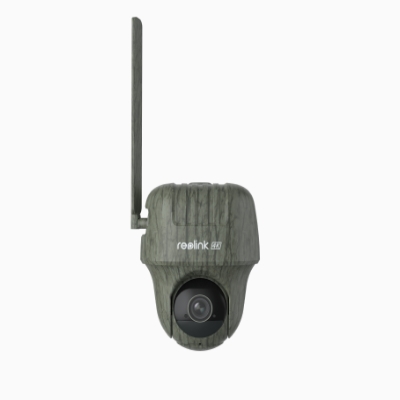
4K 4G LTE Wildlife Camera with 360° All-Around View
4G LTE Network, 4K 8MP Ultra HD, No-Glow IR LEDs, Person Detection, Animal Detection, Two-Way Audio, Battery/Solar Powered.
The Reolink Go Ranger PT completely changes how you scout by introducing 360-degree pan and tilt capabilities to the woods. Instead of being locked into one static view, you can remotely reposition the lens from your phone to check a secondary trail or glass a nearby ridge without physically visiting the site. The 4K live view is remarkably clear, supporting sessions of up to 20 minutes so you can watch game moving across your property in real time.
What sets the night footage apart is the F1.6 aperture. Most cameras struggle at 2:00 AM, but this large aperture pulls in significantly more light, resulting in bright, sharp images without the need for a visible flash that might spook a trophy buck. The AI detection is a genuine time-saver, filtering out false triggers from blowing leaves or shifting shadows and only alerting you when a deer, turkey, or other animal enters the frame.
Best for: Enthusiasts who wants full remote PTZ scouting capabilities and property owners looking for a "no-fee" high-resolution security solution.
Notes: Just keep in mind that while the SD card is included, you will need to provide your own SIM card and data plan.
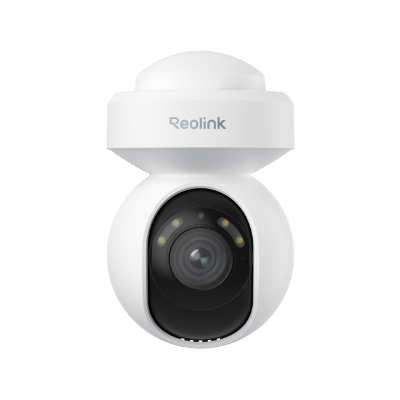
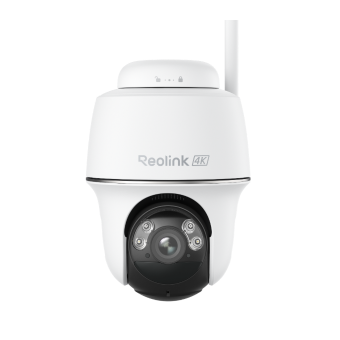
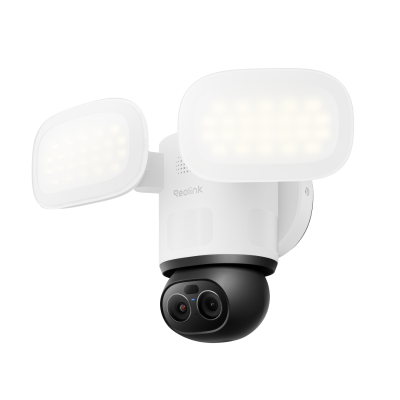
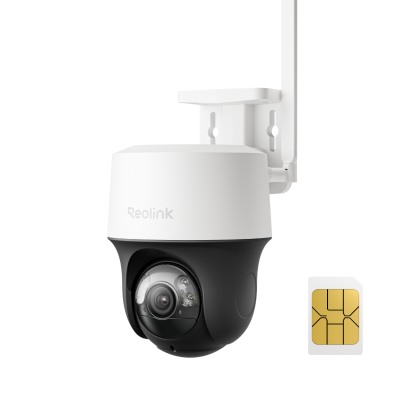
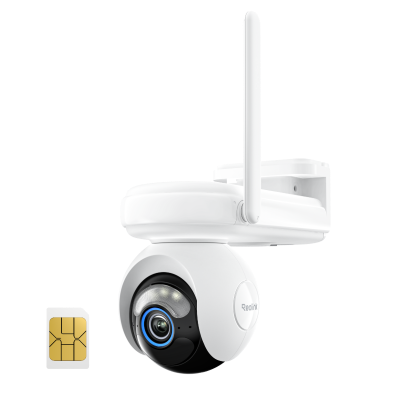
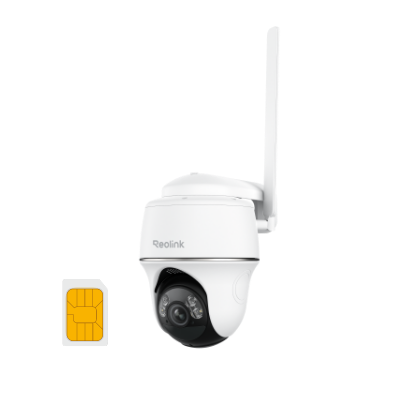
Reolink Go PT Ultra - Best Trail Camera with Color Night Vision
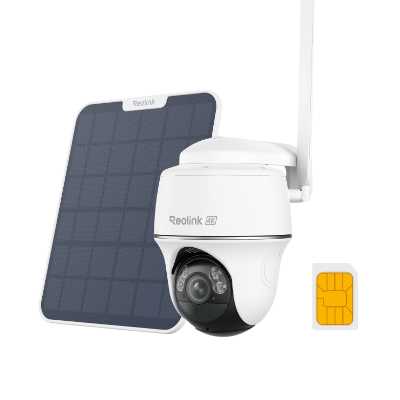
4K 8MP Wire-Free 4G LTE PT Battery Camera
4K 8MP; Smart Detection; 355° Pan & 140° Tilt; Battery/Solar Powered; Color Night Vision; Smart Real-Time Alert.
If your primary goal is seeing every detail in full color, even after the sun goes down, The Reolink Go PT Ultra is the right rig. While most trail cameras rely on grainy black-and-white IR, this model uses a built-in spotlight to deliver vivid 4K color night vision. It’s particularly useful for property security where identifying the color of a vehicle or a person's clothing is vital.
Setting this camera up is incredibly simple because it arrives with a SIM card that automatically finds the strongest signal between major carriers. It even comes with a 100MB worth of free data, which is enough to verify your setup is transmitting correctly before you commit to a full plan.
Best for: First-time buyers who want a plug-and-play experience and anyone replacing old battery cameras that keep dying in remote spots.
Notes: The compatible Solar Panel 2 is sold separately for this model, and the 10-meter PIR range is a bit shorter than the Go Ranger PT. For best results, position it closer to pinch points, fence crossings, or entry gates rather than open fields where animals may approach from well beyond its detection range.
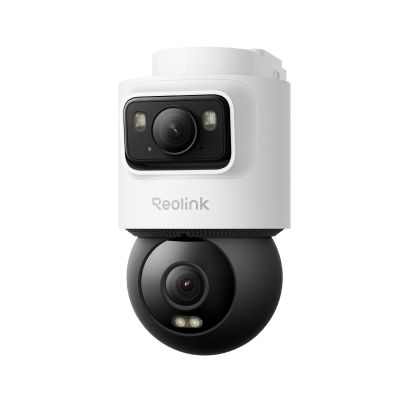
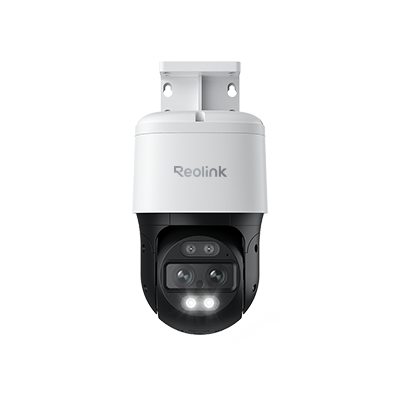
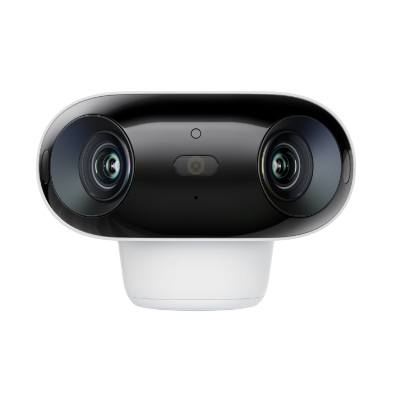
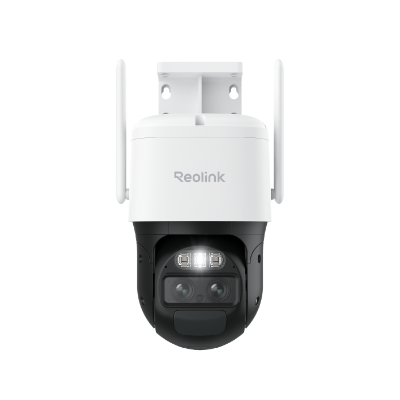
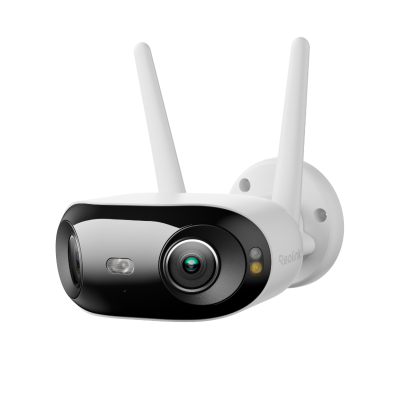
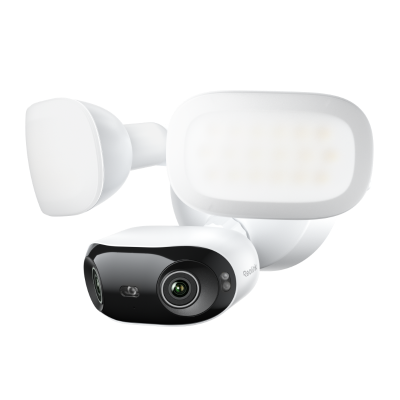
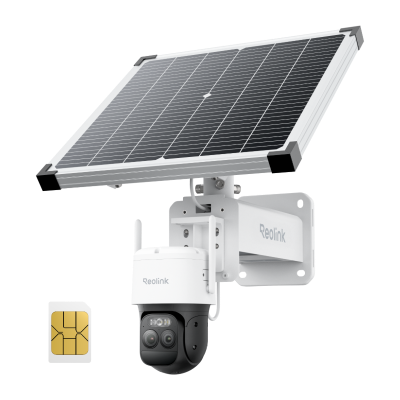
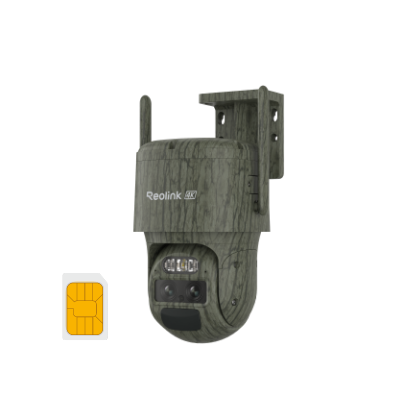
Reolink TrackMix LTE-C - Best for Auto-Tracking Wildlife
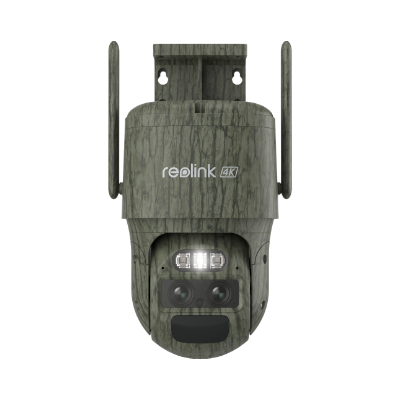
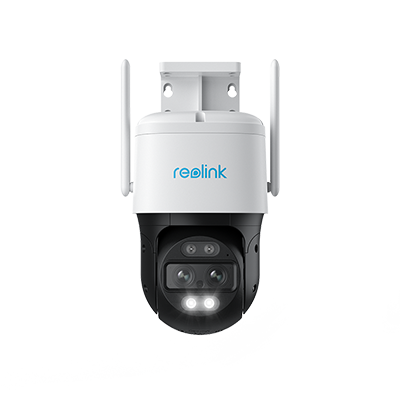
4G LTE Dual-Lens PTZ Camera with Motion Tracking
4K 8MP UHD, Wide-Angle & Telephoto Lenses, Pan-Tilt-Zoom, Auto-Tracking, Person/Vehicle/Animal Detection, 4G LTE, Two-Way Audio.
The Reolink TrackMix LTE Trail is essentially like having two cameras on one tree. Its dual-lens design captures a wide-angle view of the entire scene while simultaneously zooming in to follow a moving animal. When an animal enters the frame, the camera automatically tracks the movement, capturing both the broad scene and close-up detail (up to 6X zoom) within a single event clip.
This setup is ideal for open ground like food plots or water sources where wildlife might approach from a distance. Because it uses 940nm no-glow IR, the tracking happens completely in the dark without alerting the animal.
The included SIM card and high-output 6W solar panel make it a complete, ready-to-run package for the serious scouter.
Best for: Wildlife photographers and serious hunters who want richer, cinematic footage rather than just a standard static photo.
Notes: While the auto-tracking is impressive, it performs best in relatively open areas with little to no heavy tree cover or dense bushes.
Benefits of Solar Powered Cellular Trail Cameras
Upgrading to a solar powered trail camera is more than just about skipping the next trip to the store for a pack of AAs. It is about building a self-sustaining scouting or security network that operates reliably in the most demanding, off-grid environments. From cutting long-term costs to ensuring you never miss a critical moment because of a dead battery, a solar powered setup fundamentally changes how you manage your property.
Lower Ongoing Costs and Zero Waste
Standard trail cameras can burn through dozens of AA batteries in a single season, especially in cold weather. By switching to a solar powered trail camera, you eliminate the recurring cost of batteries and keep hundreds of alkaline cells out of landfills.
Simplified Outdoor Management
For the outdoor enthusiast, the goal is to spend more time observing and less time maintaining. A solar setup means you aren't constantly checking battery percentages in the app or worrying if a heavy week of activity has drained your power.
Dependable Remote Operation
In remote areas where access is difficult, or where your presence might spook the very wildlife you’re tracking, solar is a more logical choice. It provides a steady trickle charge that helps keep the camera running and connected, so you can receive updates without constant maintenance.
Versatile Use Cases
While often called hunting cameras or deer cams, these devices are equally effective as trail cameras for security, monitoring remote construction sites, barn interiors, or ranch gates without needing Wi-Fi or a power outlet.
FAQs
How do cellular trail cameras work?
Cellular trail cameras operate by detecting heat and motion through a series of sensors, which trigger the camera to take a clear image or video. Afterward, the camera uses its built-in SIM card to upload the image to a cloud-based server or email address via a 4G LTE cellular network. This enables you to receive a real-time notification on your mobile phone app, from anywhere in the world, and view the live video footage.
Do cellular trail cameras work without Wi-Fi?
Yes. Trail camera wireless systems that are "cellular" use 4G LTE signals, the same ones your smartphone uses, to transmit data. This allows them to work in deep woods or remote pastures where your home Wi-Fi could never reach.
How long does a solar-powered trail camera last in the field?
With a high-efficiency 6W solar panel, a camera can stay in the field indefinitely. As long as the panel receives a few hours of daylight to top off the internal battery, the camera will remain powered year-round without manual charging.
Can you watch a trail camera live on your phone?
Yes, most modern cellular game cameras like the Reolink Go series allow for "Live View" via a free app. You can log in at any time to see a real-time feed of your property, provided the camera has a steady cellular connection.
Do cellular trail cameras have GPS?
Many high-end cellular models include built-in GPS. This feature is incredibly useful for mapping multiple camera locations on a large property or tracking the device if it is ever stolen or moved.
Conclusion
The right cellular trail camera with solar panel setup is the closest thing to a true 'set-and-forget' solution available today. Whether you choose the 360-degree versatility of the Go Ranger PT, the color clarity of the Go PT Ultra, or the dual-lens tracking of the TrackMix LTE, you are investing in a system that works while you sleep. No more dead batteries, no more SD card "milk runs," and no more missed moments. Check out our full line of 4G cellular cameras to find the perfect fit for your woods or workshop.
Search
Subscribe for the Latest Updates
Security insights & offers right into your inbox