
PoE vs. WiFi Camera: Which One is Right for You?
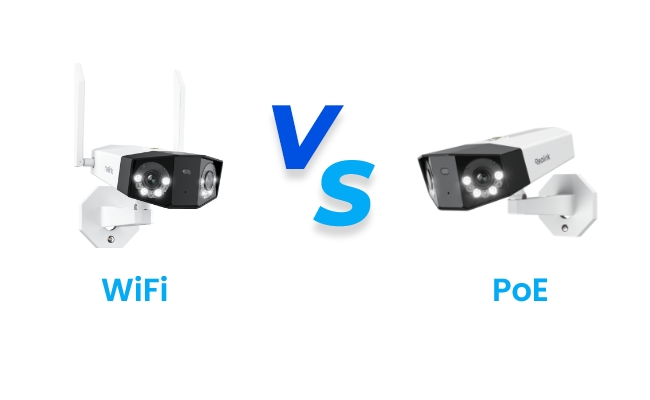
Security camera system setup requires an initial choice between using PoE (Power over Ethernet) cameras or WiFi cameras for your installation. Your camera selection depends on the particular requirements you have. It is based on how your system is structured when deciding between PoE vs WiFi cameras. The article offers detailed information about PoE camera vs WiFi camera.
PoE Cameras vs WiFi Cameras: Basic of Them
Before diving into the details, let’s first clearly define what PoE and WiFi cameras are:
What is a PoE Camera?
A PoE camera serves as a wired IP camera solution that transmits data and receives power through one Ethernet connection. Any PoE wired security camera acquires power directly from network switches or PoE injectors by utilizing the same ethernet cable serve as data transmission path. A camera obtains power from the network through a single Ethernet cable, so it does not need an outlet in proximity.
PoE Camera Pros
- Reliable wired connectivity
- Unlimited recording, no battery dependence
- Supports bandwidth-heavy features like 4K
- Almost no lag or interruptions
- Highly secure and private
PoE Camera Cons
- Installing long Ethernet cable runs difficult in some spots
- Limited to around 100-meter cable length on standard PoE
- More expensive upfront cost
- No easy mobility or portability
What is a WiFi Camera?
WiFi cameras let users connect through wireless IP camera technology via their residential or professional WiFi-based networks. The power requirements for WiFi cameras include either built-in rechargeable battery systems or they need access to power through an electrical outlet.
WiFi Camera Pros
- Convenient cable-free wireless installation
- Battery models offer complete placement flexibility
- Modern WiFi protocols improve bandwidth efficiency
- Lower upfront equipment cost
- Easily repositionable
WiFi Camera Cons
- Prone to WiFi dead zones, causing video dropout
- Restricted recording duration on battery models
- Bandwidth-intensive features may be limited
- Susceptible to wireless interference
- Lower security and easier physical tampering
PoE vs WiFi Camera: What’s the Difference?
PoE cameras and WiFi cameras take very different approaches when it comes to connectivity and power delivery. These PoE vs IP camera differences lead to pros and cons unique to each camera type. Here is an overview of how the two IP camera vs WiFi camera compare across some key factors:
Network Connectivity
The connection between PoE cameras operates through Ethernet cables that form a direct link to wired home or office networks. Installing Ethernet cables from camera locations to various points in setups presents substantial installation difficulties to many users.
WiFi cameras enable wireless connection to the existing home or office WiFi network. These devices enable easy installation without cables while providing access to areas inaccessible to traditional Ethernet cables. However, wireless connectivity depends heavily on having reliable WiFi coverage at the exact camera spot. Obstacles, interference, and distance from your wireless router can all degrade connection stability.
Power Supply
PoE cameras draw power directly from your network switch or PoE injector through the Ethernet cable. This removes the need for nearby power outlets. You just need PoE ports on your network hardware. However, the maximum length of Ethernet cable runs is limited to around 100 meters on standard PoE.
WiFi cameras are either battery-powered or need a standard power outlet nearby. Batteries need occasional recharging or replacing, while power cables add installation complexity. However, you aren’t limited by any maximum power cable length.
Recording and Storage
PoE security cameras can record video continuously, 24/7, if desired, since power and connectivity are available at all times. Footage can be stored locally on networked NVRs or uploaded to the cloud. Large video files can easily be transferred from PoE cameras due to the high network bandwidth.
Battery-powered WiFi cameras have limited recording duration before needing a recharge. Continuous 24/7 recording usually requires an additional wired power source. Bandwidth-intensive features like 4K or constant streaming may also be restricted. However, modern wireless protocols like WiFi 5 and WiFi 6 help improve throughput.
Bandwidth Consumption
PoE cameras consume more network bandwidth since they can stream high definition, high framerate video non-stop. However, wired networks typically have extra capacity to spare when it comes to managing multiple HD video streams.
WiFi cameras are more bandwidth-efficient for wireless networks. Features like motion-based recording avoid overloading your WiFi with non-useful footage. Newer WiFi versions like WiFi 5 and WiFi 6 also pack more bandwidth efficiency overall.
Reliability and Stability
PoE cameras win out for rock-solid stability thanks to their wired setups. Wired networks suffer far less interference, signal degradation, or connectivity dropout compared to wireless access. This allows PoE cameras to deliver images with almost no lag or choppiness.
WiFi cameras are prone to connectivity problems from obstacles, interference, and dead zones. Battery-powered models also risk recording gaps if batteries deplete fully. Physical tampering with cameras is also easier without solid wired connections. However, wireless networks are improving with newer protocols and mesh WiFi systems.
Security
PoE cameras send data over wired networks, which are inherently more secure and private than wireless transmissions. There’s virtually no risk of video feeds being intercepted by those snooping on your WiFi. Running cables through conduits also makes physical tampering difficult.
WiFi cameras transmit data less securely over the open air, opening the possibility of interception by hackers within range. The convenience of wireless access also makes the cameras themselves more vulnerable to physical tampering. Still, modern encryption does help improve privacy and prevent digital attacks.
WiFi vs. PoE Camera: Comparison Table
PoE vs WiFi Security Camera: Which One to Choose?
No single camera type is universally better across the board. Evaluate your own needs and environment to decide if durable PoE cameras or flexible WiFi models make more sense.
- For professional security camera installations at commercial buildings, warehouses and manufacturing facilities, PoE cameras are the top choice. Reliable performance is critical and running Ethernet cables through conduits is feasible.
- For cost-conscious homeowners who want quick DIY setups without construction hassles, WiFi cameras strike the right balance. Just mount the camera and connect to your existing home WiFi.
- Choose PoE cameras if you need non-stop 24/7 recording, sharp 4K picture quality, or a large number of cameras exceeding WiFi capacity. The higher initial investment pays off long-term.
- Opt for WiFi cameras if you need temporary setups, easy repositioning to catch different views, or battery-powered cameras to avoid any wiring. Just ensure your WiFi coverage is strong.
- Use PoE cameras monitoring critical areas like entrances, exits and secure storage with valuables. The rock-solid stability gives you reliable footage when you need it.
- Install WiFi cameras in low-risk spots like hallways, patios, or pointing outward across driveways where a few missing clips aren’t disastrous.
Best PoE and WiFi Camera Recommendations
Reolink Solar Floodlight Cam
The Reolink Solar Floodlight Cam is a battery-powered Wi-Fi camera with a built-in floodlight. This 2K 4MP camera provides a 150° ultra-wide field of view and reliable, stable performance. Powered by SolarEase™ technology, it uses solar energy with a photoelectric conversion efficiency of up to 26%. The 1000-lumen floodlight features an adjustable color temperature ranging from 3000K to 6000K, allowing you to choose soft to cool lighting to suit your needs.
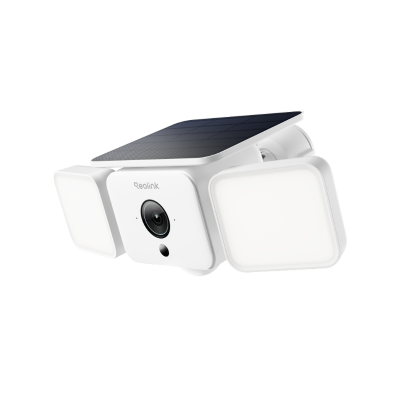
Smart 2K Solar Floodlight Security Camera
150° Ultra-Wide View, 2K 4MP HD Resolution, AI-Based Adaptive Floodlight, Endless Power with Reolink SolarEase™.
Reolink Elite Floodlight WiFi
The Reolink Elite Floodlight WiFi is a powerful wired floodlight security camera designed for advanced home protection. It features a 4K 180° ultra-wide viewing angle for full-area coverage, combined with 3000-lumen dimmable lighting and adjustable color temperature to suit different environments.
With local AI video search and local storage, you can easily find important footage without monthly fees. Dual-band Wi-Fi 6 ensures faster, more stable connections, making it a reliable and high-performance choice for modern home security.
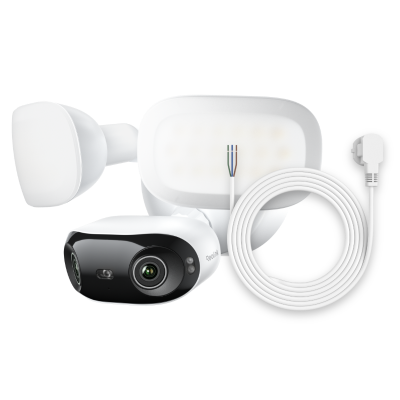
4K 180° Ultra-Wide Wired Floodlight Security Camera
3000-Lumen Dimmable Lighting, Adjustable Color Temperature, Local AI Video Search, Local Storage, Dual-Band Wi-Fi 6.
Reolink Altas PT Ultra
The Reolink Altas PT Ultra is a powerful 4K 360° pan and tilt security camera designed for flexible, worry-free protection. With up to 10 seconds of pre-recording, it captures the full event before motion is detected, while its long-lasting battery and solar panel support enable extended, low-maintenance use. Advanced 4K ColorX night vision delivers clear, full-color footage even in low-light conditions, and 360° automatic tracking ensures no movement goes unnoticed.
Powered by Wi-Fi 6 for fast, stable, and uninterrupted streaming, the Altas PT Ultra is an ideal choice for reliable, all-around home security.
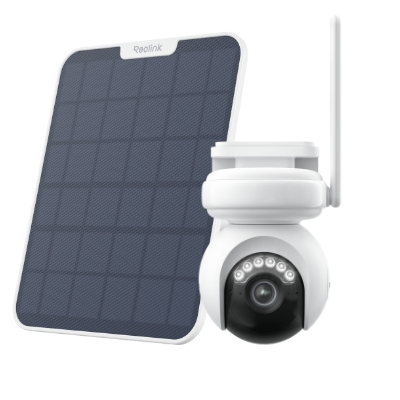
Industry-leading 4K Continuous Recording Battery Camera
4K UHD Continuous Recording; ColorX Night Vision; Pan & Tilt; Automatic Tracking; All Recordings Stored Locally.
Reolink TrackMix PoE
The Reolink TrackMix PoE functions as a dual-lens PTZ camera, which offers 4K quality through its 8MP ultra HD system. The system enables specific detail examination or complete area observation through its pan-tilt-operation as well as 6× hybrid zoom technology.
The camera functions effectively in outdoor environments because it comes with ethernet connectivity paired with IP65 weatherproof certification. Users who want to monitor specific spaces with high video standards while needing wireless control will find the Reolink TrackMix PoE a suitable choice.
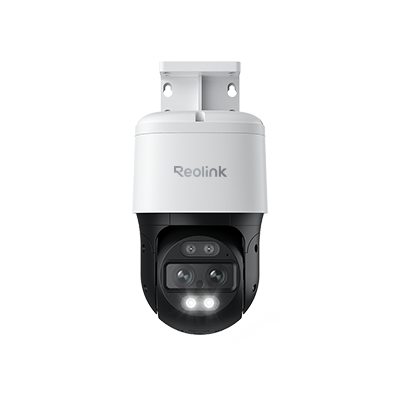
4K Dual-Lens PTZ Camera with Dual Tracking
4K 8MP Ultra HD, Wide & Telephoto Lenses, Pan & Tilt, Auto-Tracking, Person/Vehicle Detection, Power over Ethernet, Two-Way Audio.
RLK16-800B8
RLK16-800B8 is a smart 4K PoE security camera system designed for reliable 24/7 protection of homes and businesses. Powered by Power over Ethernet for stable performance and easy installation, it includes a 16-channel NVR with a built-in 4TB hard drive for continuous recording. With advanced person, vehicle, and animal detection, the system minimizes false alerts and helps you stay aware of what matters most at all times.
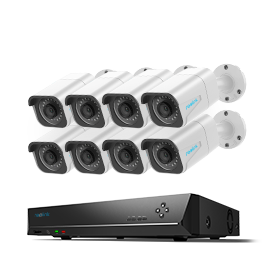
24/7 Surveillance in 4K Ultra HD
Power over Ethernet; 24/7 Continuous Recording; 16-Channel NVR; 4TB HDD Built-In; Audio Recording; 100ft Night Vision.
FAQs
Which is better, a PoE or a WiFi security camera?
PoE cameras are better in terms of absolute reliability and stability. But WiFi cameras provide more flexible installation along with lower upfront costs. Choose PoE for mission critical surveillance and WiFi for more casual home monitoring uses.
What is the disadvantage of a PoE camera?
The main disadvantages of PoE cameras are higher initial price, limitation to around 100 meter Ethernet cable runs, and installation complexity in running long cables to certain spots. You also can’t easily reposition wired PoE cameras later.
Is it better to get wireless or wired security cameras?
Wired PoE cameras are better for robust stability and full-time continuous recording without battery dependence. However, wireless WiFi cameras provide hassle-free installation, flexible placement, and repositioning, often at more budget-friendly price points. Evaluate your personal priorities before deciding.
Conclusion
When choosing between PoE and WiFi security cameras, you are essentially trading off reliability versus flexibility. PoE cameras deliver unmatched stability and performance thanks to their wired nature, while WiFi cameras offer convenient wireless mobility. Take stock of your budget, intended use cases, and installation constraints before picking the right camera type for your needs.
Whichever option you go with, you can build an intelligent camera network tailored to your site’s unique requirements.
Search
Subscribe for the Latest Updates
Security insights & offers right into your inbox