
Is It Illegal to Have Cameras in Classrooms? U.S. Laws Explained
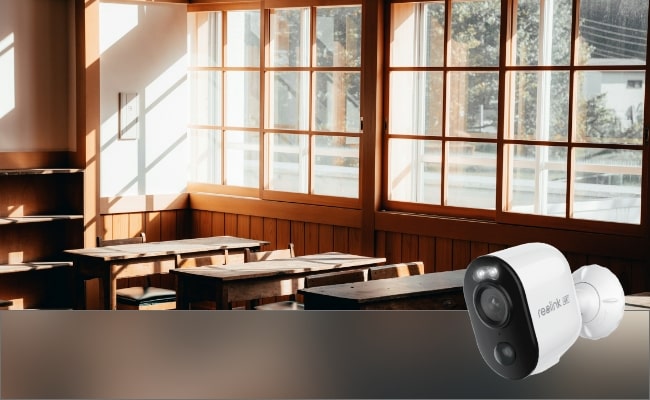
Are you wondering if is it illegal to have cameras in school classrooms? It is not universally illegal across the United States to have cameras installed inside public or private school classrooms. However, there are specific state laws and individual school district policies that regulate the use of video surveillance equipment within school buildings to protect student and teacher privacy rights.
Generally, security cameras that are properly visible to all and respect privacy can be legally installed in classrooms with the proper consent from administrators, teachers, parents, and students. Additionally, strict protocols must govern the access, storage, and use of any video footage captured in learning spaces.
- Is It Illegal to Have Cameras in Classrooms?
- Federal Laws That May Affect Classroom Cameras
- Classroom Camera Laws by State
- When Can Classroom Cameras Create Legal or Privacy Problems?
- Are Classroom Cameras Legal? Key Factors
- Best Practices for Schools Considering Classroom Cameras
- What Features Should a School Security Camera Have?
- FAQs
- Conclusion
Is It Illegal to Have Cameras in Classrooms?
No, cameras in classrooms are not automatically illegal in the United States. Whether a school may install and use them depends on state law, school-district policy, the purpose of the recording, whether audio is captured, and how recordings are stored and accessed.
Video Surveillance vs Audio Recording
Video and audio should be treated separately.
Video surveillance may be permitted for safety or other authorized purposes, but schools generally need stronger privacy safeguards in sensitive areas and when recordings identify individual students. Audio recording can also be subject to separate consent and eavesdropping laws.
Public vs Private Schools
Public schools are generally subject to federal student privacy requirements such as FERPA, as well as state laws and school district policies.
FERPA applies to educational agencies and institutions that receive funding from programs administered by the U.S. Department of Education. Most private and parochial elementary and secondary schools do not receive these funds and therefore are generally not subject to FERPA. However, private schools may still be subject to state privacy, surveillance, and recording laws.
Federal Laws That May Affect Classroom Cameras
The Family Educational Rights and Privacy Act (FERPA) can affect how schools handle, access, and disclose certain classroom or surveillance recordings.
FERPA and Classroom Video
FERPA protects education records at schools covered by the law. A photo or video can become an education record when it is directly related to a student and maintained by the school or a party acting on its behalf.
Simply appearing in the background of classroom footage does not automatically make the video that student's education record. The context matters. For example, the U.S. Department of Education explains that a classroom video focused on a student's medical emergency can be directly related to that student.
When Does Surveillance Footage Become an Education Record?
School surveillance footage may become a FERPA-protected education record when it is directly related to an identifiable student and maintained by the school. For example, footage used to investigate or discipline students involved in a fight can qualify as an education record for those students.
When footage qualifies as an education record, FERPA can affect who may access or receive it. Schools must also consider the privacy rights of other students appearing in the same recording.
One important exception involves school law-enforcement units. Records created and maintained by a school's law-enforcement unit specifically for a law-enforcement purpose are generally excluded from FERPA's definition of education records. However, a copy later maintained by another part of the school for student disciplinary purposes may become an education record.
Classroom Camera Laws by State
Texas
Texas does not impose a blanket ban on classroom cameras. State law specifically provides procedures for video cameras in certain special-education classrooms and settings. Eligible parents, staff members, administrators, or governing bodies may request cameras under the Texas Education Code, and detailed rules govern notice, recording, access, and retention.
Texas law also permits certain school recordings without individual parental consent when they are used for purposes such as regular classroom instruction or school safety. Schools should still follow applicable district policies and audio-recording rules.
Florida
Florida does not have one simple rule making all classroom surveillance legal or illegal. [State law](Statutes & Constitution :View Statutes : Online Sunshine) has authorized camera use in specific school contexts, including a statutory program involving self-contained special-education classrooms in Broward County. That program included detailed requirements for notice, recording, retention, access, and prohibited uses.
Schools must also consider Florida's separate privacy and recording laws, especially when audio is captured.
California
California restricts surveillance and recording where people have legally protected privacy expectations, and schools must also follow education, privacy, employment, and local district rules. Cameras should not be installed in highly private locations such as restrooms or changing areas.
Classroom surveillance is more context-dependent. Schools should distinguish between visible video surveillance and audio recording and review district policy and applicable California law before installation.
Illinois
Illinois classroom surveillance should be evaluated separately for video and audio. The state's eavesdropping law restricts surreptitious recording of private conversations in covered circumstances, so adding microphones to classroom cameras can raise issues that video-only surveillance may not.
School districts should also follow their own student-privacy, surveillance, and records policies.
When Can Classroom Cameras Create Legal or Privacy Problems?
While video surveillance is widely deployed to bolster school safety and record incidents, installing cameras inside learning environments introduces significant legal exposure. Educational institutions must balance administrative goals with student privacy rights, federal compliance, and state wiretap laws.
Cameras in Private Areas
Installing cameras in areas where individuals have a reasonable expectation of privacy—such as bathrooms, locker rooms, changing areas, or nursing and medical spaces—is strictly prohibited under federal and state privacy statutes.
Hidden or Undisclosed Surveillance
Covert recording can create additional privacy issues depending on jurisdiction and circumstances.
Recording Audio
While video recording is broadly permitted in public areas, adding audio capture invokes strict state wiretap and eavesdropping rules. In "two-party" or "all-party" consent jurisdictions, recording private conversations without explicit consent from everyone involved—including teachers and students—can lead to criminal felony charges and inadmissible evidence.
Improper Access or Disclosure
Once video footage depicts a specific student involved in a disciplinary event, medical emergency, or altercation, that recording may qualify as a protected "education record" under the Family Educational Rights and Privacy Act (FERPA). Disclosing, publishing, or sharing this footage without parent or eligible student consent—or failing to properly redact non-subject students—violates federal privacy regulations.
Use Beyond the Stated Purpose
Using a surveillance system for a specific, publicly stated purpose (such as physical safety or theft prevention) and later repurposing the video creates substantial legal challenges.
Are Classroom Cameras Legal? Key Factors
Best Practices for Schools Considering Classroom Cameras
School districts seeking to install overt video surveillance cameras inside instructional classroom spaces can take the following steps to ensure legal compliance, respect privacy rights, and follow best ethical practices:
-
Visible Placement: Any utilized classroom cameras should be conspicuously mounted in plain view of room occupants rather than hidden to avoid privacy violations. Signage adjacent to cameras should indicate video monitoring is taking place.
-
Respect Privacy: Districts must customize school board privacy protection policies for classroom cameras that comply with applicable state laws.
-
Educate Students and Staff: Thoroughly educate all district teachers, students, parents, and personnel about the specific purpose of classroom cameras through multiple written notices.
-
Secure Camera Data: Strictly control which departments and limited personnel receive access privileges to live camera feeds and stored classroom video.
-
Daily Control and Manage: Appoint dedicated staff to consistently monitor, audit, and upgrade data access policies.
What Features Should a School Security Camera Have?
School environments present unique security challenges, requiring equipment that deters threats, provides forensic-level detail during incidents, and protects student privacy.
-
High Resolution & Wide FOV: Cameras must capture clear details across wide areas like parking lots, sports fields, and hallway intersections (minimizing blind spots).
-
On-Edge AI Analytics: Real-time detection of humans and vehicles reduces false alarms and allows security staff to respond immediately to unauthorized personnel on school grounds.
-
Vandal Resistance (IK10 Rated): Hallway and playground cameras need impact-resistant housings to withstand tampering, sports ball impacts, or physical vandalism.
-
Low-Light / Night Vision: Long-range IR illuminators or full-color night vision ensure perimeter security remains active after school hours.
-
Audio Selectivity: Cameras should offer the ability to disable audio recording altogether to maintain strict compliance with state wiretap laws and local school district privacy policies.
-
Secure Local Storage (NVR): Storing footage on an isolated Network Video Recorder (NVR) rather than sending raw video to external clouds protects student data under FERPA guidelines.
Reolink Options for Authorized School Security Setups
Reolink's PoE (Power over Ethernet) camera lineup provides an accessible, subscription-free ecosystem for educational facilities.
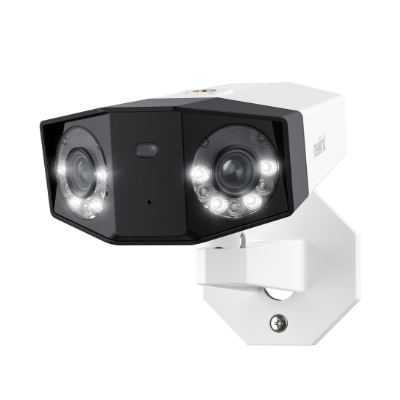
Groundbreaking 16MP Dual-Lens PoE Camera
16MP UHD, Dual-Lens, Motion Track, 180° Wide Viewing Angle, Power over Ethernet, Color Night Vision.
FAQs
Are Cameras Allowed in Classrooms?
Sometimes. U.S. law does not impose a nationwide blanket ban on classroom cameras. Legality depends on state law, district policy, the purpose of surveillance, whether audio is recorded, and how student footage is handled.
Is It Legal for Classroom Cameras to Record Audio?
Audio recording can be more legally restrictive than video surveillance. State wiretapping and eavesdropping laws may require consent in some situations, so schools should evaluate microphone use separately from video.
Do Parents Have to Consent to Classroom Cameras?
Not always. Consent and notice requirements depend on state law, school policy, and the purpose of the recording. Some laws require notice rather than individual consent, while specific programs may have their own procedures.
Can Parents Access Classroom Security Footage?
Sometimes. If footage is directly related to a student and maintained by the school, it may qualify as an education record under FERPA. Parents may have inspection rights, but schools must also protect the privacy rights of other students appearing in the same video.
Can Schools Put Cameras in Bathrooms or Locker Rooms?
Generally, cameras should not be placed where students have a strong expectation of privacy, such as bathrooms, changing rooms, and similar private spaces.
Can Teachers Record Students?
It depends on the purpose, school policy, and applicable law. Instructional recordings authorized by a school can be treated differently from a teacher making personal or unauthorized recordings.
Can Parents Send a Child to School With a Hidden Camera?
This depends on state recording law and school policy, especially if the device records private conversations. Parents should obtain guidance from the school and, where necessary, legal counsel before using a wearable or hidden recording device.
[ga-seo-faq-end]
Conclusion
The installation of video security cameras inside actively used school classrooms raises compelling arguments both for enhanced safety and improved incident response capabilities, as well as risks to student and teacher privacy rights from continuous video monitoring.
What are your thoughts on this complex issue after reading the detailed legal analysis? Should local school districts install more overt cameras inside instructional classrooms to augment student safety? Share with us in the comments.
Search
Subscribe for the Latest Updates
Security insights & offers right into your inbox