
Does Renters Insurance Cover Basement Flooding? What's Included & What's Not
Standard renters insurance policies typically do not cover basement flooding from external water sources. Coverage depends entirely on the specific source of the water damage involved. Sudden indoor accidental water damage events may qualify for personal property protection under renters insurance.
Many renters assume their insurance will pay for any water damage in basement areas entirely. That common assumption is often wrong because coverage depends on the water source involved.
- Does Renters Insurance Cover Basement Flooding?
- What Types of Water Damage Are Covered in Renters Insurance?
- What Types of Basement Flooding Are NOT Covered in Renters Insurance?
- Can Renters Get Insurance with Flood Coverage?
- How to File a Claim for Basement Water Damage?
- Tips to Protect Your Basement Belongings
- Security Cameras for Basement Flood Monitoring and Insurance Support
- FAQs
- Conclusion
Does Renters Insurance Cover Basement Flooding?
No — standard renters insurance does not cover basement flooding caused by external floodwater. This type of water damage is typically excluded unless you have separate flood insurance.
-
The basement can be flooded due to the bursting of a pipe suddenly.
-
Failure of the water heater can also cause sudden flooding in the basement area.
-
It may also overflow due to the unexpected bursting of a hose in a washing machine.
-
Sometimes rainwater enters through the foundation and causes serious basement damage there.
-
Insurance does not treat those situations the same because causes are different.
What Types of Water Damage Are Covered in Renters Insurance?
Renters insurance covers specific sudden water damage types from indoor sources only. These include plumbing issues and appliance failures that damage personal property items. Coverage applies to belongings stored in the basement under sudden accidental events.
Burst or Leaking Pipes
Sudden pipe bursts often receive coverage under renters insurance policies. Damaged furniture clothes and electronics may qualify for reimbursement after the event. Long-term leaks usually face denial because they result from neglect over time.
Water Heater or Appliance Failures
Water heater bursts can trigger coverage for basement items under the policy. Sudden washing machine hose failures often qualify for protection too. This falls under accidental discharge protection in most standard renters policies.
Overflow From Plumbing Systems
Sink or toilet overflows may receive coverage for sudden indoor water events. Sudden indoor water events usually qualify for personal property protection. Policy language determines exact eligibility for the overflow damage claim.
Accidental Discharge From Fire Sprinklers or HVAC Systems
Sprinkler system failures can receive coverage when they happen suddenly. Sudden HVAC leaks often qualify for claims under the renters policy. Coverage requires sudden accidental events rather than gradual slow seepage.
Additional Living Expenses After a Covered Water Loss
Covered water events may include additional living expenses during repairs. Hotel stays and extra food costs can qualify for reimbursement. This applies only to covered causes that make the rental unsafe temporarily.
What Types of Basement Flooding Are NOT Covered in Renters Insurance?
Standard renters insurance excludes many basement flooding causes from outside sources. External water sources typically receive no coverage under basic policies. Several common events fall outside policy protection entirely.
Rising Groundwater or Heavy Rain
Rainwater entering through foundation cracks receives no coverage whatsoever. Groundwater seepage usually faces denial in standard renters insurance claims. These represent the most common denied claims for basement flooding events.
Overflow From Rivers, Lakes, or Storm Surge
River or lake overflow remains excluded from standard renters insurance. Storm surge damage does not qualify for any protection. Separate flood insurance becomes necessary for these external water events.
Sewer or Drain Backup Without Added Coverage
Sewer backups often lack automatic coverage in basic renters policies. Many policies exclude this without an endorsement or add-on. Add-on protection may help cover sewer or drain backup damage.
Long-Term Leaks or Poor Maintenance
Ongoing moisture problems receive no coverage under standard renters insurance. Ignored leaks causing mold usually face denial from the insurer. Insurance targets sudden events only and not long-term property problems.
Damage to the Building Itself
Renters insurance excludes building repairs after basement flooding events. Basement walls and foundation remain uncovered by the renters policy. Landlords typically handle these costs under their own insurance coverage.
Can Renters Get Insurance with Flood Coverage?
Renters can obtain flood coverage through separate specialized insurance policies. Standard renters insurance does not include flood protection automatically. Personal property flood protection requires additional purchase from flood providers.
How to Get Coverage for Basement Flooding?
-
Review your current renters insurance policy carefully for all exclusions.
-
Check exclusions for flood and sewer backup in the document.
-
Ask your insurer about available endorsements for extra water protection.
-
Consider separate flood insurance for outside water damage events.
-
Water backup coverage serves as another valuable option for renters.
-
Build a complete inventory of basement belongings before purchasing coverage.
-
Compare deductibles limits and waiting periods among different policies.
-
Purchase coverage before storm season arrives each year.
-
This ensures protection when needed most during heavy rain events.
How to File a Claim for Basement Water Damage?
Follow specific steps after basement water damage occurs to support your claim. Quick action helps strengthen the insurance claim process significantly. Safety comes first in all situations involving flooded areas.
Make Sure the Area Is Safe
Ensure safety before entering flooded basement areas near electricity. Avoid standing water near electrical sources or appliances. Contact your landlord or professionals if needed immediately.
Stop Further Damage if You Can
Stop the water source when safe to do so quickly. Move undamaged items to higher ground right away. Insurance expects reasonable mitigation efforts from policyholders.
Record the Damage Clearly
Document all damage with clear photos and videos immediately. Record affected items and flooded areas in detail. Security camera footage can provide helpful evidence for the claim.
Contact Your Insurance Company Right Away
Report the claim immediately after the water event happens. Provide clear details about what happened and when. Ask what documents the insurer requires for processing.
Make a List of Damaged Items
Create a detailed list of damaged belongings with values. Include ages and purchase dates for every item. Gather receipts and photos to support the claim fully.
Keep Damaged Items Until the Insurer Advises You
Retain damaged items for insurer inspection and review. Do not dispose of them prematurely without permission. Health risks allow earlier disposal only in rare cases.
Tips to Protect Your Basement Belongings
Several practical steps reduce basement flooding risks for renters effectively. These actions protect your stored items during unexpected water events. Preparation makes recovery easier later after any incident.
-
Store items in waterproof bins with secure lids for protection.
-
Keep belongings off the floor using shelves or racks.
-
Avoid storing important papers in the basement area entirely.
-
Create a full home inventory with photos and values included.
-
Use security cameras when your lease allows it fully.
Security Cameras for Basement Flood Monitoring and Insurance Support
Renters insurance typically does not cover basement flooding caused by external water, but security cameras can still play an important role in early detection and insurance documentation.
While cameras cannot prevent flooding, they can help you monitor water intrusion risks, capture time-stamped evidence, and support insurance claims by showing how and when damage occurred. This is especially useful when insurers need to determine whether water damage came from internal issues or external flooding.
How Security Cameras Help
Security cameras can:
- Monitor basement areas for leaks or rising water
- Record time-stamped footage for insurance claims
- Document damage before and after flooding events
- Help identify issues like pipe leaks or sump pump failure
Recommended Reolink Cameras for Basement Use
Reolink E1 Pro
A compact indoor Wi-Fi camera with 360° coverage, ideal for monitoring basement spaces and detecting early signs of leaks.
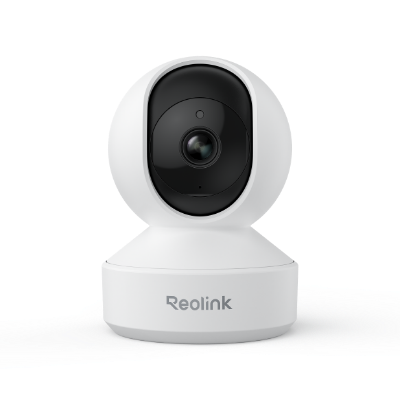
Smart 5MP Wi-Fi PT Indoor Security Camera
Crying Detection for Baby Monitoring; Smart Detection & Auto Tracking; 360° Coverage with Pan & Tilt; 5MP Super HD.
Reolink Argus 4 Pro
A wireless 4K battery camera with motion alerts and night vision, suitable for flexible placement in basements or entry points.
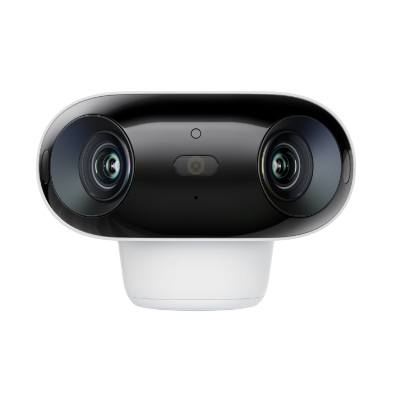
4k 180° Wire-free Color Night Vision Camera
4K UHD 180° Blindspot-free View; Color Vision Day and Night; 30% More Battery Life; Dual-band Wi-Fi 6; Smart detection.
Reolink Go PT Ultra
A 4G LTE-powered camera that works without Wi-Fi, useful for basements or areas with weak internet access.
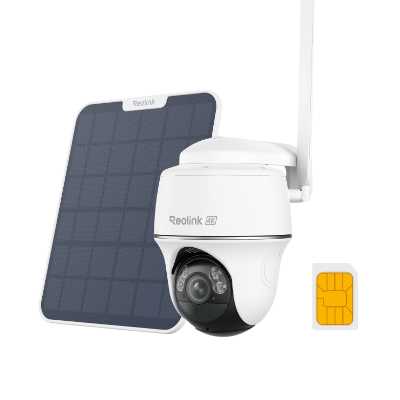
4K 8MP Wire-Free 4G LTE PT Battery Camera
4K 8MP; Smart Detection; 355° Pan & 140° Tilt; Battery/Solar Powered; Color Night Vision; Smart Real-Time Alert.
FAQs
What are three things that renters insurance typically does not cover?
Renters insurance excludes outside flood damage to personal belongings. It does not cover long-term maintenance issues or neglect. Building structure damage remains uncovered by the renters policy.
How to get basement flooding covered by insurance?
Renters need separate flood insurance policies for outside water losses. Water backup endorsements provide additional protection against sewer issues. Standard policies alone prove insufficient for basement flooding events.
How much does it cost to fix basement flooding?
Costs vary based on water source and damage extent involved. Minor cleanup starts at several hundred dollars total. Major repairs can reach thousands of dollars quickly.
Conclusion
Renters insurance covers certain indoor water events in basements only. Burst pipes and appliance leaks often qualify for protection. True flooding from outside water needs separate coverage entirely.
Keep detailed records of your belongings before any water loss happens. Review your policy exclusions regularly with your insurer. Consider additional protection for complete peace of mind always.
Search
Subscribe for the Latest Updates
Security insights & offers right into your inbox