
Why Is My Charger Hot? A Safety Guide
Charger overheating is a common concern with important safety implications. While some warmth during charging is normal, excessive heat signals potential dangers.
In this article, we will explain the science behind charger heating. We will identify when it becomes hazardous and provide essential prevention tips. Learn to distinguish normal operation from dangerous overheating and discover smart solutions to protect your devices and home.
Is it Normal for a Charger to Get Hot?
Yes, some warmth is completely normal during charging. Chargers convert AC power from your outlet to DC power for your device. This energy conversion process generates heat as a byproduct. The electrical components inside naturally warm up during operation. This is particularly noticeable with fast chargers that deliver higher power levels.
The key is distinguishing between warm and dangerously hot. A slightly warm charger (around 95-105°F) is typically fine. However, if it's uncomfortable to touch (above 113°F), that indicates a problem. Quality chargers include thermal protection to prevent extreme temperatures. Modern chargers also have efficiency ratings that affect how much heat they generate.
Why Is My Charger Hot?
Electrical resistance causes natural heating as current flows through circuits. All electrical devices experience this phenomenon. Higher-quality chargers manage resistance better through superior components and design.
- Overloading: It occurs when using incompatible or damaged chargers. Cheap knockoff chargers often lack proper safety features.
- Inferior Design: Charger design significantly impacts heat distribution. Higher-quality units use better heat sinks and materials. These designs effectively dissipate heat away from components.
- Poor Ventilation: It traps heat around charging components. Placing chargers under pillows or in enclosed spaces prevents heat dissipation. This can quickly lead to dangerous temperature buildup.
- Simultaneous Operation: Charging and constant usage double the power demand. Gaming or video streaming while charging generates significant heat. This stresses both your device battery and charging components.
- Aging: Components lose efficiency over time. Worn-out capacitors and transformers work harder to maintain output. Internal dust accumulation acts as insulation, trapping heat. Older chargers often run hotter than their newer counterparts.
What's the Risk of Charger Overheating?
Fire Hazard: It is the most serious risk of overheated chargers. Extreme temperatures can melt plastic casing and ignite nearby materials. Electrical shorts in damaged chargers can spark fires instantly.
Battery Damage: It occurs from consistent exposure to heat. Lithium-ion batteries degrade rapidly in high temperatures. This permanently reduces your device's battery capacity and lifespan.
Device Malfunction: It can result from power surges caused by overheating. Irregular voltage from a failing charger can damage your phone's internal circuits. Repair costs often exceed replacement value. Data loss may occur if the device is damaged during charging.
Reduced Efficiency: It manifests as slower charging speeds. Overheating damages internal components over time. The charger works harder while delivering less power safely.
Electrical System Damage: It can extend beyond the immediate charging area. Overheating chargers can damage wall outlets and wiring. This may create hidden fire hazards within your home's electrical system.
How to Prevent Your Charger from Getting Hot?
- Use manufacturer-certified chargers designed for your specific device. Genuine chargers undergo rigorous safety testing. They include proper insulation and thermal protection circuits.
- Ensure adequate ventilation during all charging sessions. Place chargers on hard, flat surfaces away from fabrics. Avoid charging devices under pillows or blankets.
- Unplug chargers when not actively charging devices. This prevents unnecessary power flow and heat buildup. It also reduces energy waste from vampire power drain.
- Regular inspection of cables and ports prevents hidden dangers. Check for frayed wires, bent connectors, or debris in ports. Replace damaged components immediately.
- Monitor charging conditions to catch problems early. Touch-test your charger periodically during use. Notice any unusual smells or sounds. Stop using any charger that shows signs of distress.
Smart Monitoring Solution: Use Reolink Camera to Ensure Charging Safety
Reolink security cameras can help in monitoring your home or office remotely. You can see the live feed from any location. They send real-time alerts when motion is detected. Thus, you are updated about every activity.
Using the camera, you can keep an eye on the chargers. If you forgot to take them out or turn off the switch, you can also see that in the camera and take immediate action before any accident occurs. Install a suitable camera to ensure charging safety.
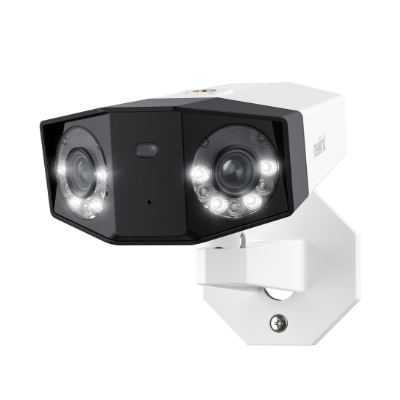
Groundbreaking 16MP Dual-Lens PoE Camera
16MP UHD, Dual-Lens, Motion Track, 180° Wide Viewing Angle, Power over Ethernet, Color Night Vision.
FAQs
Should I unplug a hot charger?
Yes, immediately unplug any charger that feels uncomfortably hot. Let it cool completely before inspecting for damage. Discard any charger that regularly overheats.
Why shouldn't you leave chargers plugged in?
Unattended chargers pose a risk of electrical fires from power surges. They also waste energy and slowly degrade from constant minimal power flow.
Should I stop charging my phone if it gets hot?
Yes, unplug immediately if either phone or charger becomes hot. Let both cool completely before resuming charging at a well-ventilated location.
Do all wireless chargers get hot?
Most generate more heat than wired chargers because of energy transfer efficiency losses. However, they shouldn't become dangerously hot with proper use.
Conclusion
Understanding the answer to "why is my charger hot" is crucial for maintaining both device performance and household safety. While moderate warmth during operation is normal, recognizing excessive heat patterns helps prevent potential hazards. By implementing the safety measures outlined, you can confidently address the issue and take proactive steps to protect your devices.
Search
Subscribe for the Latest Updates
Security insights & offers right into your inbox