
What Is the Coldest City in Canada?
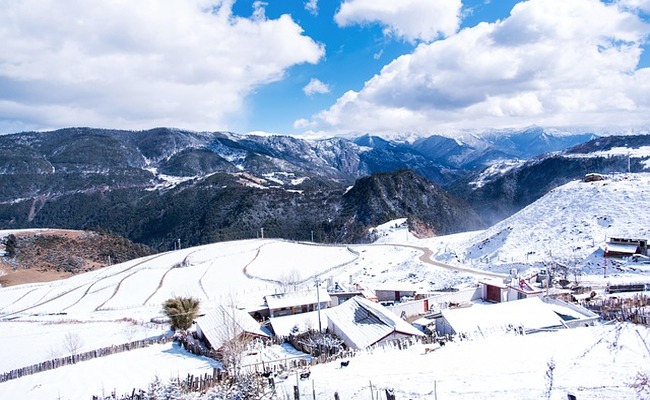
Canada is known for the roughest ice and snow. Finding the coldest province in Canada leads us into the heart of the Arctic. The title of coldest city, however, is a fierce competition among remote outposts.
In this article, we will rank the coldest cities and provinces along with the official climate data. Discover the science behind the deep freeze. Learn how Canadians not only survive but thrive.
Top 10 Coldest Cities in Canada
Ranking Canada's coldest cities requires analyzing average annual temperatures. This list focuses on permanently inhabited settlements with reliable weather stations.
Eureka, Nunavut
Eureka is often called the "Coldest Place in Canada." Its weather station records an average annual temperature of -19.9°C. The settlement experiences permanent polar night for several months each winter. It is a key research base for studying the extreme Arctic environment.
Alert, Nunavut
Alert is the northernmost permanently inhabited place on Earth. It holds an average annual temperature of approximately -18.2°C. This military and signals intelligence outpost endures months of complete darkness. Its climate is characterized by relentless cold and powerful winds.
Iqaluit, Nunavut
As the capital of Nunavut, Iqaluit offers a glimpse of life in the far north. It averages around -10°C annually, with a short, cool summer. The city faces long, bitterly cold winters heavily influenced by the Labrador Current. Sea ice dominates the landscape for much of the year.
Yellowknife, Northwest Territories
Yellowknife is famous for its spectacular auroras and deep freezes. It has an average annual temperature of about -4.5°C. Winter temperatures frequently drop below -40°C for weeks at a time. Despite the cold, it is a vibrant hub and the territory's capital city.
Churchill, Manitoba
Known globally as the "Polar Bear Capital," Churchill is a subarctic port town. It averages -6.7°C annually and is famous for its powerful Arctic winds. The town sits at the meeting point of three major biomes. Its fall polar bear migration is a world-renowned phenomenon.
Whitehorse, Yukon
Whitehorse benefits from a relative warming effect due to its mountainous surroundings. Yet, it still maintains a chilly average annual temperature of -1.4°C. It is the largest city in Canada's three northern territories. The city experiences cold, dry winters with moderate snowfall.
Regina, Saskatchewan
Regina is the coldest major prairie city in Canada. It has an annual mean temperature of 2.1°C, but this masks extreme winters. The flat landscape allows Arctic air masses to dominate for months. It holds the record for the most consecutive days below -30°C for a major city.
Winnipeg, Manitoba
Winnipeg is famously known for its long, bitterly cold winters. It averages about 2.6°C annually, with January lows often near -20°C. The city's location at the geographic centre of North America makes it a crossroads for conflicting air masses. It's clear winter skies can make the cold feel even more intense.
Saskatoon, Saskatchewan
Saskatoon experiences a similar continental climate to its sister city, Regina. It records an average annual temperature of approximately 2.7°C. The city sees wide temperature swings between summer and winter. It is known for dry, cold, sunny winters and heavy snowfall at times.
Edmonton, Alberta
As Canada's northernmost major city, Edmonton embraces its winter city identity. It has an annual average temperature of 3.5 °C. The city experiences cold winters but benefits from occasional warm, dry Chinook winds. It hosts numerous winter festivals to celebrate the season.
Source: Environment and Climate Change Canada Climate Normals.
Top 5 Coldest Provinces in Canada
When evaluating the coldest province in Canada, we must include the territories, which are federal entities similar to provinces. The ranking is based on average annual temperatures across each jurisdiction.
Nunavut
Nunavut is the undisputed champion of cold in Canada. This massive Arctic territory has an average annual temperature far below freezing. Its treeless tundra, permafrost, and months of winter darkness create a uniquely severe environment. Most communities are only accessible by air or sea.
Northwest Territories
The Northwest Territories feature a predominantly subarctic and Arctic climate. It is known for extremely low winter temperatures that can persist for weeks. Vast areas of boreal forest and tundra define its landscape. The territory includes the remote, frigid Arctic Archipelago.
Yukon
The Yukon is famed for its record-setting cold snaps, like the -63°C recorded in Snag. Its interior has a harsh, dry continental climate with great temperature extremes. While Whitehorse is moderate, smaller inland communities face profound cold. The territory's high latitude ensures long, severe winters.
Manitoba
Manitoba is the coldest of Canada's southern provinces. Its flat prairie geography offers no barrier to sweeping Arctic air masses. The province experiences a humid continental climate with a stark temperature range. Northern regions like Churchill are significantly colder than the south.
Saskatchewan
Saskatchewan shares Manitoba's reputation for bitter prairie winters. It has a continental climate with hot summers and very cold winters. The province often leads in the number of days with temperatures below -20°C. Its open landscapes contribute to significant wind chill factors.
Source: Statistics Canada environmental reports.
What Makes Canada So Cold?
Canada's extreme cold is a product of its geography and atmospheric patterns. Its high northern latitude means much of the country receives weak, oblique sunlight, especially in winter. Large landmasses in the interior cool rapidly without oceanic moderation. This creates a powerful continental climate zone.
Key weather systems drive the cold southward. The polar vortex and persistent Arctic high-pressure systems generate dense, cold air masses. These masses slide unimpeded across the flat Canadian Prairies. The resulting cold snaps can freeze regions for weeks.
How People Adapt to Extreme Cold in Canada?
Adaptation begins with purpose-built infrastructure and technology.
- Buildings are constructed with deep foundations below the frost line and high-grade insulation to retain heat.
- Cities maintain vast fleets of snowplows and spread salt or sand for traction.
- Many urban centers, like Montreal, feature extensive underground pedestrian networks to avoid the cold entirely.
- Social habits and specialized gear are equally vital. Canadians master the art of layering clothing, using moisture-wicking base layers and insulated, windproof outer shells.
- There is a strong community ethos of checking on vulnerable neighbors during extreme cold warnings.
Bonus: Cold Winter Security Camera Recommendation
To buy a suitable camera for cold winters, consider the local temperature in the season. After that, check the operating temperature of the camera you want before buying. Make sure the camera can withstand the local temperature. A PoE camera would be a better choice for uninterrupted performance. However, you can also opt for a battery-powered camera that lasts longer even in cold weather.
Altas PT Ultra is a battery-powered camera with a 500-day battery life. It can operate in -10°C~55°C (14°F~131°F) and offer incredible performance. It is also IP65-rated and completely weatherproof to work in the rain and snow. It automatically charges with a solar panel and offers incredible features, including ColorX night vision, 360⁰ automatic tracking, and Wi-Fi 6 support.

Industry-leading 4K Continuous Recording Battery Camera
4K UHD Continuous Recording; ColorX Night Vision; Pan & Tilt; Automatic Tracking; All Recordings Stored Locally.
FAQs
Is Winnipeg the coldest city in Canada?
No, Winnipeg is among the coldest major cities. Many smaller communities in Nunavut and the Northwest Territories are significantly colder year-round.
What is the coldest province in Canada?
Nunavut is the coldest province/territory in Canada, based on average annual temperature data from Environment Canada.
What is the coldest city in Canada?
Based on average annual temperature, Eureka, Nunavut, is considered the coldest permanently inhabited city in Canada.
Is Alberta or Ontario colder?
On average, Alberta is colder than Ontario due to its more northern latitude and distance from the moderating Great Lakes.
Where is it coldest in Canada right now?
For real-time extremes, check the Environment Canada website; Alert or Eureka, Nunavut, are typically the coldest.
What is the snowiest province in Canada?
The province of Newfoundland and Labrador often records the highest average annual snowfall amounts, particularly on its eastern coast.
Conclusion
Canada experiences extreme snow and cold weather. Some cities, like Eureka, Alert, Iqaluit, and Yellowknife, have the lowest winter temperatures and are considered the coldest. In fact, the provinces of Nunavut and the Northwest Territories are known for the harsh weather conditions during winter. We have shared the coldest cities and provided and explained why Canada experiences extreme weather, and how you can ensure your safety.
Search
Subscribe for the Latest Updates
Security insights & offers right into your inbox