










































































What is a Lithium Battery?
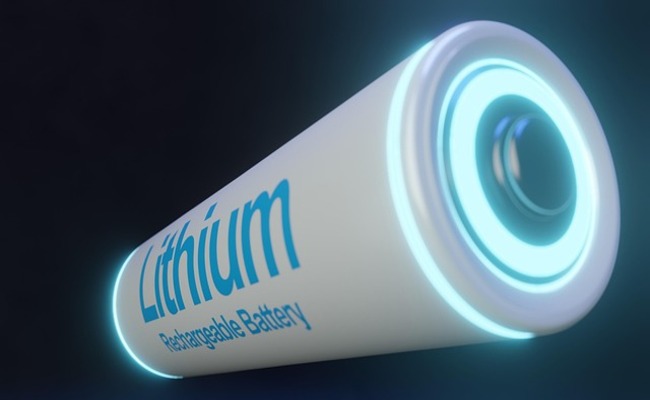
A lithium battery is a compact powerhouse fueling everything from the phone in your pocket to the car on the street. This advanced technology uses lithium's unique properties to store energy with incredible efficiency.
In this article, we will discuss what a Lithium battery is. We will talk about the chemistry, types, pros & cons, and applications. We will also share some tips to extend the life of these batteries.
What is a Lithium Battery?
A Lithium battery is an electrochemical cell that uses lithium ions as a key component of its chemistry. These ions move between electrodes to store and release electrical energy. This simple action enables the high performance we depend on daily.
What are Primary Lithium Batteries?
Primary lithium batteries are single-use power cells designed for long-term, reliable service. They are constructed with lithium metal or compounds as the anode, providing a very high energy density.
Common types include Lithium-Manganese Dioxide (Li-MnO2) and Lithium Thionyl Chloride (Li-SOCl2). Once their chemical energy is spent, they cannot be recharged and must be properly recycled. Their standout feature is an exceptionally long shelf life, often exceeding 10 years with minimal charge loss.
What are Rechargeable Lithium-Ion Batteries?
Rechargeable lithium-ion (Li-ion) batteries are for portable power. Unlike primary cells, they use an intercalated lithium compound as the electrode material, allowing ions to shuttle back and forth. This process can be repeated hundreds to thousands of times, making it cost-effective and versatile.
Common variants include Lithium Cobalt Oxide (LCO) and Lithium Iron Phosphate (LiFePO4). They are the standard in consumer electronics, electric vehicles, and power tools.
Pros and Cons of Lithium Battery
Lithium batteries dominate the market for compelling reasons, but they are not without drawbacks. Weighing their advantages against their limitations is essential for safe and effective use.
Pros of Lithium Battery
Lithium batteries offer significant benefits that make them superior for most modern applications. Their advantages stem from advanced chemistry and efficient design.
-
High Energy Density: They pack a tremendous amount of power into a very small and lightweight package. This is why smartphones are so thin and electric cars can travel far on a single charge.
-
Low Self-Discharge Rate: They lose charge very slowly when not in use, typically only 1-2% per month. This makes them excellent for emergency devices and seasonal equipment that may sit idle.
-
Minimal Maintenance: Unlike some older battery types, they do not require scheduled cycling or periodic full discharges to maintain health. They are essentially "install and forget" for their service life.
-
High Voltage Output: A single cell provides about 3.7 volts, which is much higher than nickel-based (1.2V) or alkaline (1.5V) cells. This means fewer cells are needed to create a battery pack for high-power devices.
Cons of Lithium Battery
Despite their strengths, lithium batteries have inherent challenges that require careful management. These limitations influence their cost, safety protocols, and end-of-life handling.
-
Protection Circuit Requirement: They are sensitive to overcharging, deep discharge, and short circuits. An internal protection circuit is mandatory to manage these risks, adding complexity and cost.
-
Aging and Degradation: Capacity diminishes over time, even when not in use. Factors like heat, high charge states, and the number of cycles gradually reduce the total energy they can hold.
-
Safety Risks: If damaged, defective, or improperly charged, they can experience thermal runaway. This can lead to overheating, fire, or even explosion, necessitating strict manufacturing and transportation regulations.
-
Higher Cost: The raw materials and complex manufacturing process make them more expensive upfront than traditional alkaline or lead-acid batteries, though the cost-per-cycle is often lower.
What is a Lithium Battery Used For?
-
Consumer Electronics: They are the essential power source for portable consumer electronics, including smartphones, laptops, and tablets.
-
EVs: Their high energy density also makes them ideal for powering electric vehicles. They are a preferred option in electric cars, bikes, trucks, etc.
-
Tools: They power cordless power tools, such as drills, saws, and impact drivers, providing strong, sustained output. They are suitable for high-power applications even in industries.
-
Medical Devices: They are critical for devices such as portable monitors and emergency backup systems.
-
Renewable Energy: They enable the storage of renewable energy from solar panels and wind turbines.
-
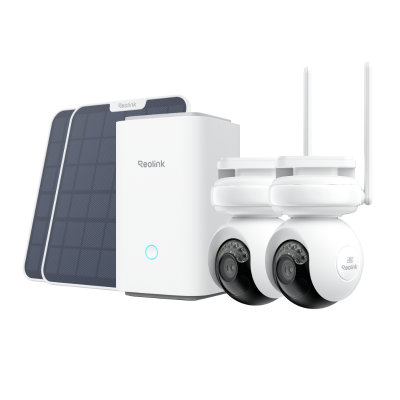
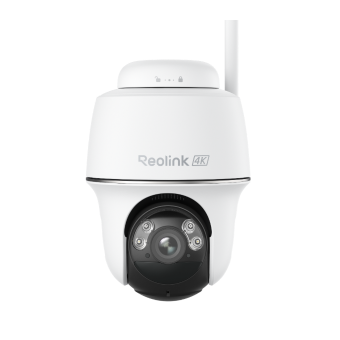
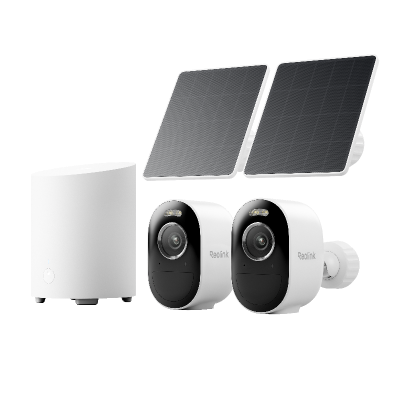
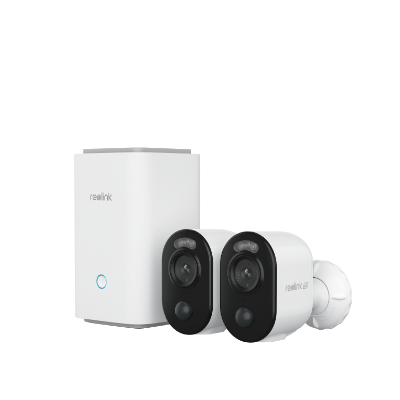
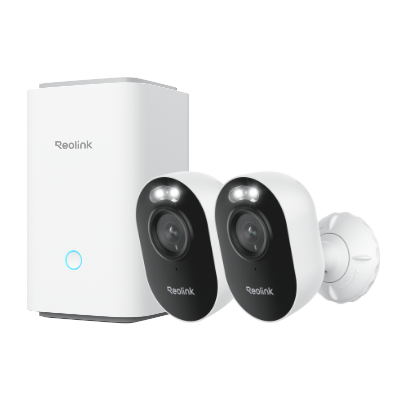
Security Cameras: For safety and security, they provide reliable, long-lasting power to wireless security cameras and home alarm systems, ensuring continuous operation.
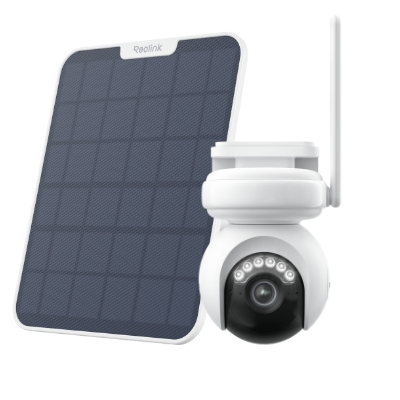 Reolink Altas PT Ultra
Industry-leading 4K Continuous Recording Battery Camera
4K UHD Continuous Recording; ColorX Night Vision; Pan & Tilt; Automatic Tracking; All Recordings Stored Locally.
What's the Difference Between Normal and Lithium Battery?
The term "normal" battery typically refers to common, single-use alkaline batteries or rechargeable Nickel-Metal Hydride (NiMH) cells. The most significant difference is energy density; lithium batteries store substantially more power in a smaller, lighter package. They also provide a higher nominal voltage, about 3.7 volts per cell versus 1.5V for alkaline, allowing devices to be more compact and powerful.
Additionally, lithium batteries have a much lower self-discharge rate, losing only 1-2% of charge per month compared to alkaline batteries. However, they are more sensitive and require built-in protection circuits to manage charging safely. While they have a higher upfront cost, their rechargeable nature and long life often make them more economical over time for high-drain devices.
How to Maintain Lithium Battery Life?
To maximize a lithium-ion battery's lifespan, avoid exposing it to extreme temperatures. High heat is a primary cause of accelerated degradation, so keep devices out of hot cars or direct sunlight.
For daily use, it's best to keep the charge level between 20% and 80% rather than frequently draining to 0% or charging to 100%, which stresses the battery.
Always use the manufacturer's approved charger, as incompatible ones can deliver harmful voltage.
For long-term storage, charge the battery to approximately 50% capacity and store it in a cool, dry place.
FAQs
Is a Duracell battery a lithium battery?
Duracell makes many battery types. Some, like their "Ultra Lithium" line, are primary lithium batteries. However, their common Coppertop AA/AAA batteries are alkaline. Always check the packaging label to confirm the chemistry.
How can I tell if a battery is lithium?
Check the battery label for the chemistry. Look for words like "Lithium," "Li-ion," or starting with "Li-" (e.g., LiFePO4). Lithium batteries also typically have a higher voltage printed on them, such as 3.6V or 3.7V, rather than 1.5V.
Is an iPhone a lithium-ion battery?
Yes, iPhones use rechargeable lithium-ion battery packs. Apple uses advanced Li-ion chemistry to maximize battery life within the device's thin design. The battery health can be checked in the iPhone's Settings menu.
What is a LiFePO4 lithium battery?
LiFePO4 stands for Lithium Iron Phosphate. It's a type of lithium-ion battery known for its safety and long lifespan. It has a lower energy density but is very stable, making it popular for solar storage, RVs, and power tools.
What is a lithium metal battery?
This typically refers to a non-rechargeable primary battery using metallic lithium as the anode. They have very high energy density. The term is also used for next-generation rechargeable solid-state batteries currently under development, which use a lithium-metal anode for greater capacity.
Conclusion
The lithium battery is more than a component; it's the cornerstone of our portable energy revolution. Its unique chemistry powers innovation, from personal gadgets to global sustainability efforts. By understanding its strengths, respecting its limits, and maintaining it wisely, we harness its full potential. This knowledge empowers us to build a more connected and energetic future.
Search
Subscribe for the Latest Updates
Security insights & offers right into your inbox