
What Flowers Are Best for Winter Garden?
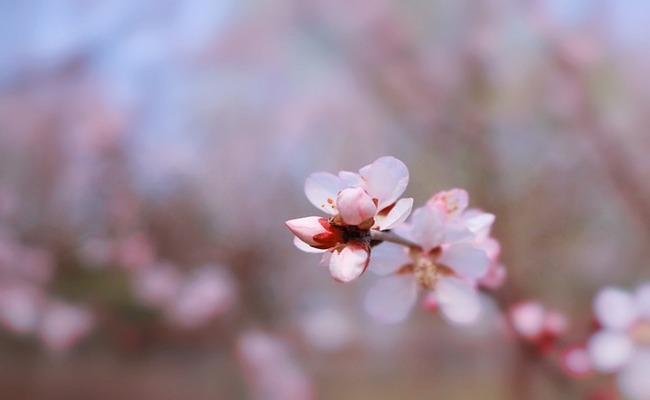
Don't let the cold season dull your outdoor space. A winter garden can be a breathtaking display of resilience and color. You only have to select the right hardy winter blooming plants that not only survive but thrive in frosty conditions.
This guide reveals the top performers, expert care strategies, and common pitfalls to avoid, transforming your garden into a vibrant sanctuary during the quietest months of the year.
20 Winter Blooming Flowers
This curated list of winter blooming flowers will add color, fragrance, and life to your garden from late fall through early spring.
Winter Aconite (Eranthis hyemalis):
Cheerful yellow cup-shaped flowers that often push through snow, acting as a bright herald of the coming season.
Snowdrop (Galanthus):
Delicate, nodding white bells that symbolize hope and are often the first to appear in late winter.
Hellebore (Christmas/Lenten Rose):
Elegant, long-lasting blooms in shades from white and pink to deep purple, prized for their frost tolerance.
Witch Hazel (Hamamelis):
Features unique, spidery, and fragrant flowers in yellow, orange, or red on its bare branches.
Winter Jasmine (Jasminum nudiflorum):
Arching green stems are covered in bright yellow, star-shaped flowers that add a splash of sunshine.
Camellia (Camellia sasanqua/japonica):
Glossy evergreen foliage with exquisite, rose-like blooms in white, pink, and deep red.
Cyclamen (Cyclamen coum):
Petite, upward-facing flowers in pink, purple, or white above attractive marbled, heart-shaped leaves.
Pansy/Viola:
Cold-tolerant classics offering a vast array of colors and patterns, often blooming continuously in mild spells.
Daphne (Daphne odora):
A compact shrub whose small clusters of pink or white flowers release an intensely sweet fragrance.
Heather (Erica carnea):
A low-growing evergreen groundcover blanketed in tiny, bell-shaped pink or white flowers.
Mahonia (Mahonia x media):
An architectural shrub with holly-like leaves and fragrant, lemon-yellow flower spikes.
Pieris (Pieris japonica):
Evergreen with dangling clusters of lily-of-the-valley-like flowers, usually in white or pale pink.
English Primrose (Primula vulgaris):
Clusters of soft, pale flowers that brighten shady, damp corners of the garden.
Sweet Box (Sarcococca):
A shade-loving superstar with tiny white blooms that pack a powerful, sweet vanilla scent.
Bergenia (Elephant's Ears):
Known for large leaves that turn bronze in cold, with pink flower clusters on sturdy stalks.
Winterberry Holly (Ilex verticillata):
A deciduous holly whose brilliant red berries persist beautifully after its leaves fall.
Ornamental Cabbage/Kale:
Grown for stunning, frilled foliage in vibrant pinks, purples, and creams that become more vivid after frost.
Skimmia (Skimmia japonica):
An evergreen with fragrant red buds in winter that open to creamy white flowers in spring.
Christmas Box (Sarcococca confusa):
Another fantastic fragrant shrub for deep shade, with glossy leaves and white winter blooms.
Crocus (Crocus tommasinianus):
Early bulbs in purple, white, and yellow that bravely bloom while winter still holds sway.
Tips for Flowers That Grow in Winter
Success with flowers that grow in winter requires tailored care to help them thrive in challenging conditions.
- Prioritize Drainage: Plant in well-drained soil amended with grit or compost to prevent roots from sitting in frozen, waterlogged earth.
- Choose Sheltered Sites: Position plants against south-facing walls or in spots protected from harsh, drying winds to maximize light and minimize exposure.
- Mulch for Insulation: After planting, apply a thick layer of mulch around the base to regulate soil temperature and retain moisture.
- Water Before a Freeze: Water evergreens and new plants deeply during dry spells before the ground freezes to prevent desiccation.
- Provide Frost Protection: Use horticultural fleece or cloches to protect buds and blooms during predicted severe frosts or ice storms.
- Deadhead Spent Blooms: Gently remove faded flowers to encourage further blooming and prevent plants from wasting energy on seed production.
- Group Plants for Microclimates: Plant winter bloomers close together to create a sheltered microclimate that retains slightly more warmth and humidity.
Common Mistakes to Avoid in Winter Gardening
Avoiding these common errors is key to protecting your winter plants and ensuring their success.
- Planting in Frost Pockets: Avoid low-lying areas where cold air settles, creating microclimates that are significantly colder than the rest of your garden.
- Neglecting Winter Watering: Assuming plants don't need water, leading to dehydration, especially for evergreens exposed to sun and wind.
- Pruning at the Wrong Time: Pruning in late fall or deep winter can stimulate new growth or leave open wounds vulnerable to frost damage.
- Using Harmful De-Icers: Applying salt or chemical ice melts near garden beds can damage soil structure and poison plant roots.
- Ignoring Snow Load: Allowing heavy, wet snow to accumulate on branches can lead to breakage and disfigure your shrubs.
- Over-Mulching Stems: Piling mulch directly against plant stems or crowns can promote rot and provide a hiding place for pests.
- Forgetting to Clean Tools: Using dirty pruning shears or spades from the fall season can spread disease to dormant plants through fresh cuts.
Bonus: How to Capture Winter Garden Flowers Blooming
Time-lapse photography is the perfect tool to compress weeks of growth into a captivating few seconds, revealing the hidden daily dance of petals and stems.
To create a stunning time-lapse, you need a stable, weatherproof camera that can operate continuously. You can use a Reolink security camera with built-in time-lapse functionality. Its durable design can withstand winter conditions, and its high-resolution sensor ensures crisp, clear footage of your delicate blooms. You can position it on a secure mount with a fixed, composed view of your flower bed.
- Set the camera to capture an image at regular intervals.
- Once every 30 or 60 minutes is ideal for tracking flower development.
- The camera will automatically compile these frames into a seamless video file. The final result is a mesmerizing short film that showcases the entire blooming journey of your winter flowers.

4K 4G LTE Wildlife Camera with 360° All-Around View
4G LTE Network, 4K 8MP Ultra HD, No-Glow IR LEDs, Person Detection, Animal Detection, Two-Way Audio, Battery/Solar Powered.
FAQs
What flowers bloom in January and February?
Many hardy flowers peak in these months. Reliable choices include Snowdrops, Winter Aconite, Hellebores (especially the Christmas Rose varieties), and early-blooming Camellias. Pansies and Violas will also continue to provide color if they were established in the autumn.
What is the first flower to bloom in winter?
The title is often a close race between Winter Aconite (Eranthis) and Snowdrops (Galanthus). In mild climates or during a warm spell, their cheerful faces can emerge as early as late December, often bravely poking through a light covering of snow.
What are the hardest winter blooming flowers?
For supreme toughness, Hellebores are nearly unbeatable, with frost-resistant foliage and buds. Snowdrops are incredibly resilient to cold soil. Witch Hazel is also exceptionally hardy, as its fragrant flowers bloom on bare wood unaffected by freezing temperatures.
Conclusion
Choosing what flowers are best for winter garden is an investment in year-round beauty. These resilient plants offer more than color; they provide structure, fragrance, and a powerful symbol of life during dormancy. By understanding their simple needs, you can cultivate a landscape that stays aesthetic even in the winter season.
Search
Subscribe for the Latest Updates
Security insights & offers right into your inbox