
What Does Homeowner Insurance Cover?

As a homeowner, you should know what the home insurance covers. By understanding the nitty-gritty, you know when and how you can claim the amount in case of any disaster.
In this article, we will explain what homeowner's insurance covers. We will discuss what it does not cover, the cost of insurance, and how you can select the right insurance plan for your home.
What Is Homeowner Insurance?
Homeowner insurance is a contract protecting your biggest investment. You pay regular premiums. The insurance company promises to pay for specific losses outlined in your policy. This safety net covers damage to your home, belongings inside it, and liability if someone gets injured on your property.
Standard homeowners' insurance policies bundle several protections into one package. Dwelling coverage pays to repair or rebuild your home's structure. Personal property coverage replaces belongings damaged or stolen. Liability protection covers legal expenses if someone sues you after an accident on your property. Additional living expenses cover hotel bills if your home becomes uninhabitable after a covered loss.
What Does Homeowner Insurance Typically Cover?
Standard policies protect against numerous perils listed in your contract. These typically include fire, lightning, windstorms, hail, explosions, riots, vandalism, theft, and smoke damage.
- Dwelling Coverage: Pays to repair or rebuild your home's structure after covered damage. This includes walls, roofs, floors, built-in appliances, and attached structures like garages.
- Other Structures Coverage: Protects detached buildings on your property. Think fences, sheds, detached garages, and guest houses. These typically get covered at about 10% of your dwelling coverage amount.
- Personal Property Coverage: Reimburses you for belongings inside your home. Furniture, electronics, clothing, and appliances all qualify. Most policies cover about 50-70% of your dwelling coverage.
- Loss of Use Coverage: Pays additional living expenses if your home becomes uninhabitable. Hotel bills, restaurant meals, and temporary rentals get covered while contractors repair damage.
- Personal Liability Protection: Covers legal expenses if someone gets injured on your property. Medical payments coverage handles smaller claims without lawsuits. Both protect your assets from claims arising from accidents happening within your home or on your land.
- Medical Payments Coverage: Pays medical bills when guests get injured on your property, regardless of fault. Small claims get resolved quickly without lawsuits. This coverage typically ranges from $1,000 to $5,000 per person.
What Does Homeowner Insurance Not Cover?
Every policy has limits and specifically excluded perils requiring separate coverage.
- Flood Damage: Requires separate policies through FEMA's National Flood Insurance Program or private insurers. Standard policies exclude rising water entirely, regardless of source. Many homeowners discover this too late after heavy rains overwhelm local drainage systems.
- Earthquake Damage: Needs separate earthquake insurance or endorsements. Standard policies exclude earth movement completely. Homeowners in seismic zones should seriously consider this protection, given potential repair costs reaching hundreds of thousands.
- Sewer Backups: Often require separate endorsements even when caused by internal issues. Many policies exclude damage from water backing up through drains and sewers. Adding this coverage costs little but provides critical protection in older neighborhoods.
- Wear and Tear: Maintenance issues never get covered by any policy. Roofs eventually leak, appliances eventually fail, and paint eventually fades through normal use.
- Valuable Items: Expensive jewelry, fine art, and collectibles have sub-limits far below their actual worth. Standard policies cap coverage at $1,000-$2,000 for jewelry theft. Scheduling these items separately ensures full replacement value.
- Intentional Acts: Damage you cause on purpose never gets covered. Insurance exists for accidents and unforeseen events, not deliberate destruction. Claims arising from intentional acts get denied and may result in policy cancellation. You can install a Reolink camera to capture every moment and have evidence of unintentional acts for easy claims.
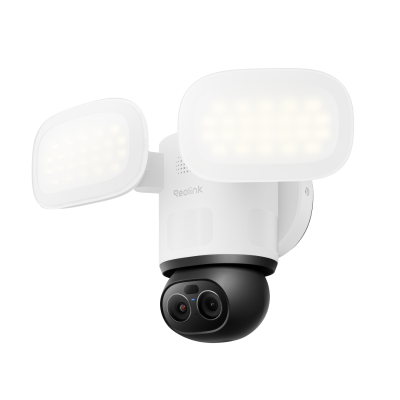
Smart 4K 360° Coverage Wi-Fi Floodlight Security Camera
Local AI Video Search, 4K 8MP Ultra HD, 360° Coverage View, 6X Hybrid Zoom, Dual-Color Floodlight.
Cost of Homeowner Insurance
How Much Is Homeowner Insurance?
The national average for homeowner's insurance hovers around $2,300 annually. But your actual premium could range from $1,000 to $5,000, depending on your specific situation. Location matters tremendously. Coastal properties facing hurricane risks cost more. Homes in wildfire zones command higher rates. Crime statistics in your neighborhood also affect theft coverage pricing.
Your home's characteristics directly influence costs. Older homes with outdated electrical, plumbing, or heating systems cost more to insure. Square footage and rebuild value determine dwelling coverage amounts. Swimming pools and trampolines increase liability risks and premiums accordingly.
What Will Affect Homeowner Insurance Cost?
- Your personal history affects rates significantly. Multiple past claims label you as a higher risk. Even claims you didn't file personally can affect rates through comprehensive loss underwriting exchange databases.
- Credit-based insurance scores impact rates in most states since better credit correlates with fewer claims statistically. Maintaining good credit helps secure lower premiums.
- Coverage choices you make directly impact premiums. Higher deductibles lower annual costs but require more out-of-pocket when filing claims.
- Higher liability limits cost more but protect more assets. Bundling with auto policies earns multi-policy discounts that reduce overall expenses.
- Security systems, smoke detectors, and senior discounts all lower your rates when you ask about available savings.
Tips for Choosing the Right Homeowner Insurance Policy
Use these tips to find coverage that actually protects you when disaster strikes.
- Calculate dwelling coverage accurately. Insurance needs to rebuild your home, not match its market value. Land doesn't burn, so rebuilding costs exclude land value. Get local contractor estimates for current construction costs per square foot in your area.
- Take a complete home inventory. Walk through every room with a video camera. Open drawers and closets. Document serial numbers for electronics. Store this evidence in cloud storage or with family members. This documentation proves what you owned when filing claims.
- Review policy limits for valuable items. Standard policies cap jewelry, art, and collectibles far below actual values. Schedule these items separately with appraisals. The small additional premium ensures full replacement value without depreciation calculations.
- Consider umbrella liability coverage. Standard policies provide $300,000 to $500,000 in liability protection. Lawsuits can easily exceed these limits. Umbrella policies provide additional million-dollar layers for relatively small premiums, protecting your assets and future earnings.
- Ask about all available discounts. Security systems, smoke detectors, and sprinklers often qualify. Senior discounts, claims-free history, and new home construction earn savings. Loyalty discounts for staying with one company add up over the years. Every discount reduces your premium.
FAQs
What four things are usually covered by homeowners' insurance?
Standard policies cover dwelling structure, other structures like fences, personal belongings inside your home, and liability protection if someone gets injured on your property.
What is the 80% rule in homeowners' insurance?
The 80% rule means you must insure your home for at least 80% of its replacement cost. Falling below this threshold triggers partial claim payments where insurers only pay proportional amounts.
Conclusion
People usually have homeowner's insurance. But they aren't among the things that are covered. It leads to surprises in the end when the company refuses to pay. We have explained what is covered in homeowner's insurance and what is not. We have also explained how much it costs and what affects the premium. If you want to get a homeowner's insurance, follow the tips we have shared for maximum benefits.
Search
Subscribe for the Latest Updates
Security insights & offers right into your inbox