







Visible vs Hidden Security Cameras: What’s the Difference?
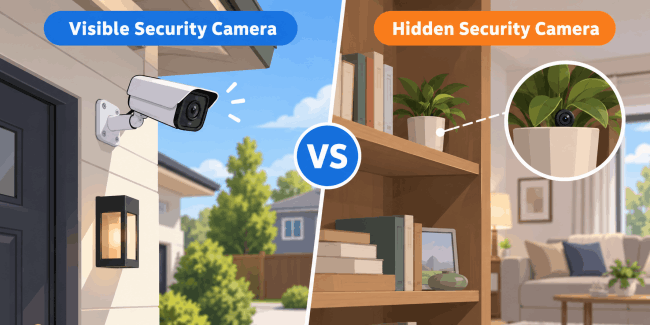
Visible and hidden security cameras mainly differ in whether people can easily see the camera. Visible cameras provide clear notice and may help deter unwanted activity, while hidden cameras are designed for discreet observation. Both can record evidence, but hidden cameras generally raise greater privacy and legal concerns.
Key Takeaways:
- Visible cameras are easy to spot and may help stop unwanted acts nearby.
- Hidden cameras can watch a space without making the recording device easy to notice.
- Both types can record useful proof when owners place and set them up well.
- Hidden recording brings more privacy concerns and may face strict rules under state laws.
- Some sites may use both types together when the law allows their use.
- What Is a Visible Security Camera?
- What Is a Hidden Security Camera?
- Visible vs Hidden Security Cameras: Key Differences
- Are Visible or Hidden Security Cameras More Effective?
- Visible vs Hidden Cameras for Different Locations
- Are Hidden Security Cameras Legal?
- Can Security Cameras Be Hidden Without Breaking Privacy Laws?
- Should Security Cameras Be Visible or Hidden?
- Reolink Cameras for Visible and Discreet Monitoring
- Verdict: Visible vs Hidden vs Discreet Security Cameras
- FAQs
- Conclusion
What Is a Visible Security Camera?
A visible security camera sits where most people can see and recognize it. Owners often place these cameras near doors, driveways, garages, and busy store entrances.
Their clear appearance lets guests and staff know when an area has cameras. It may also make people think twice before they steal or cause damage. Some visible models have bright lights or alarms that draw attention to unusual activity.
How Do Visible Security Cameras Work?
A lens and image sensor work together to capture video from the surrounding area. The camera then saves footage on a card, recorder, or supported cloud service.
Many models also offer night vision, motion alerts, phone access, and 2-way audio. These tools help owners check events and respond when the camera detects movement. Visibility changes the camera's design and placement, not the way it records video.
Common Types of Visible Security Cameras
Several camera styles suit different places, so owners can choose the right viewing angle. Some watch one fixed area, while others move to cover a larger space.
-
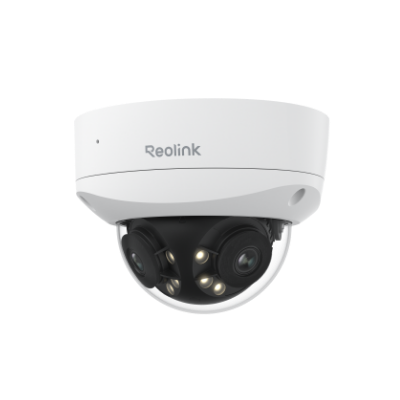
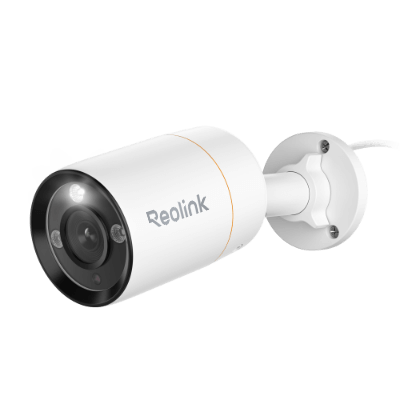
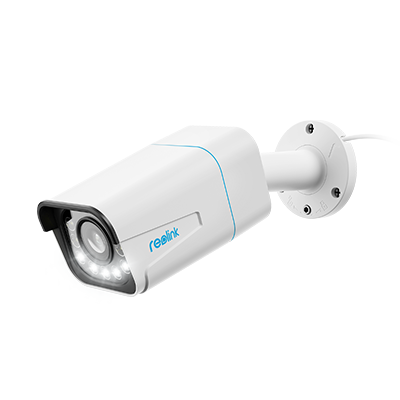
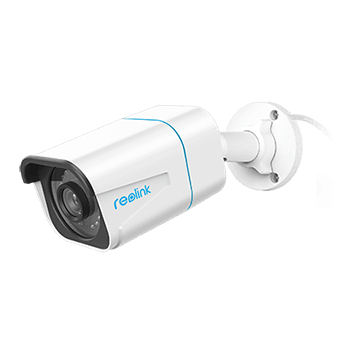
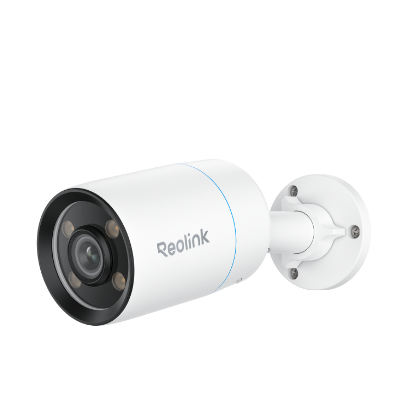
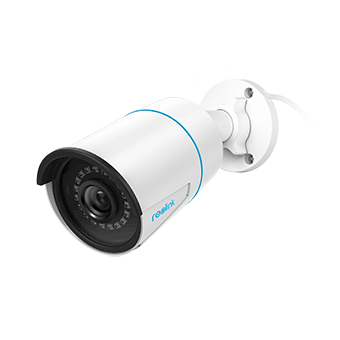
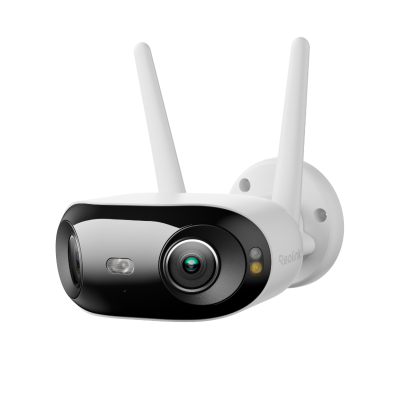
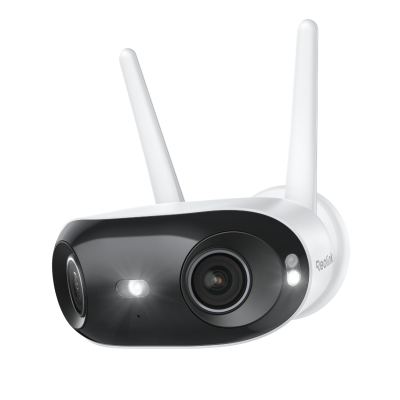
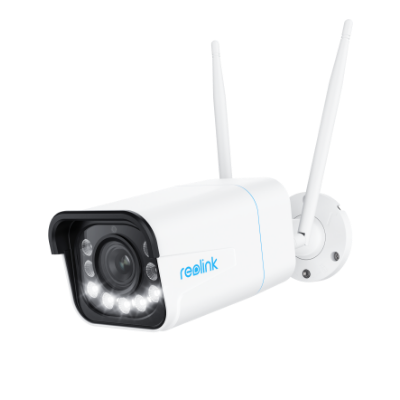
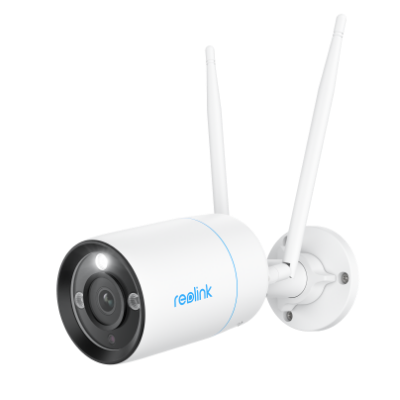
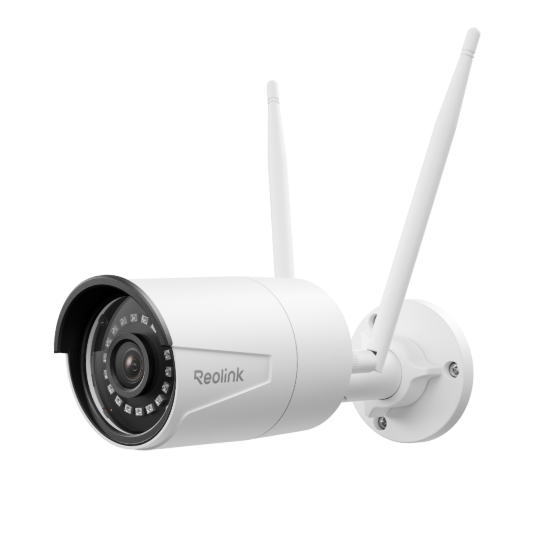
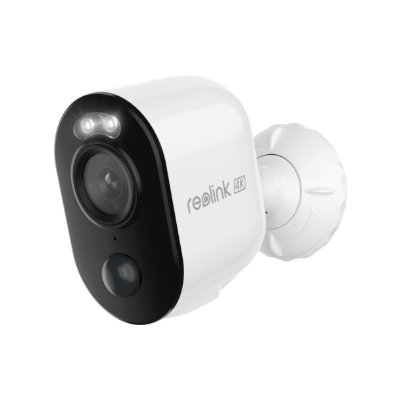
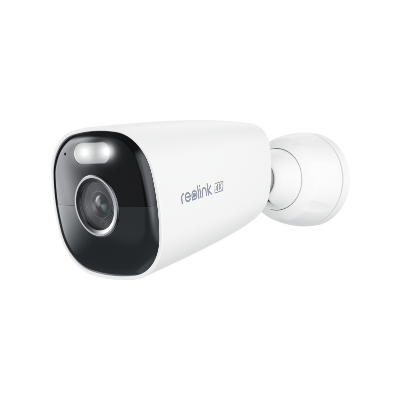
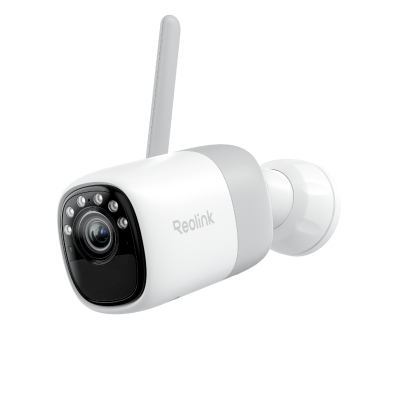
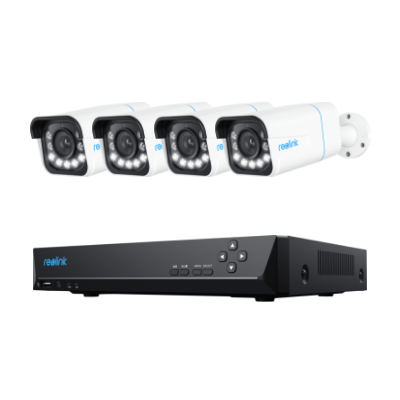
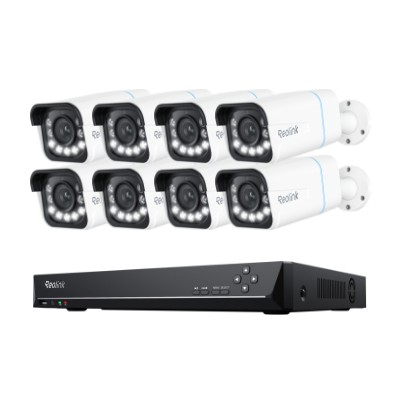
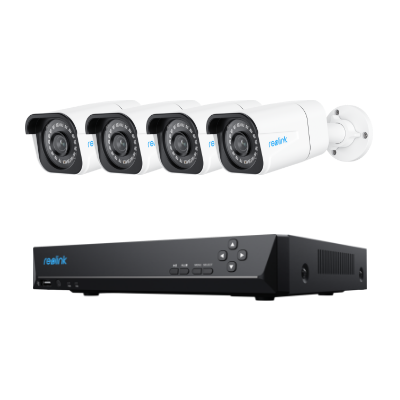
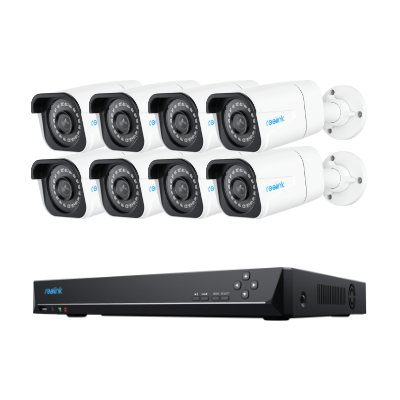
Bullet cameras: Their long, round shape makes these cameras easy to spot on outdoor walls. Owners often use them to watch driveways, parking areas, gates, and building doors.
-
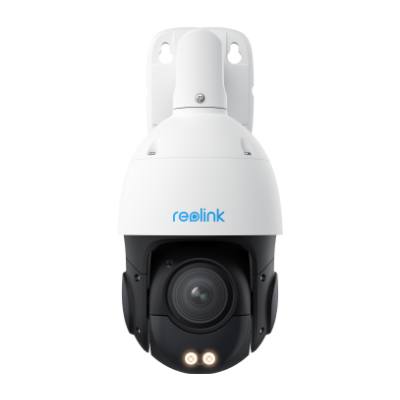
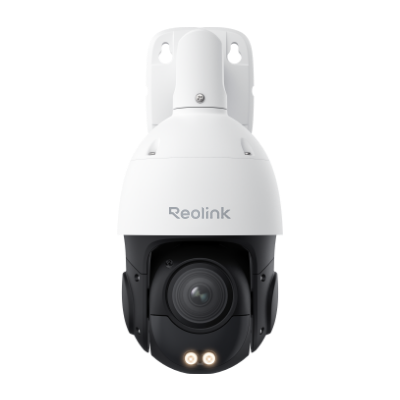
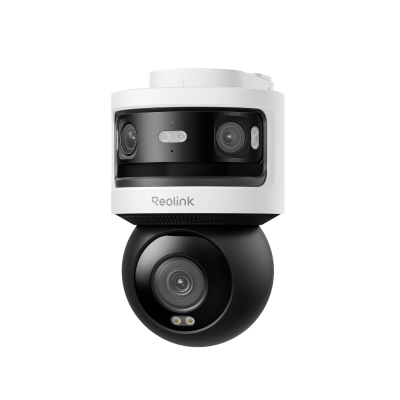
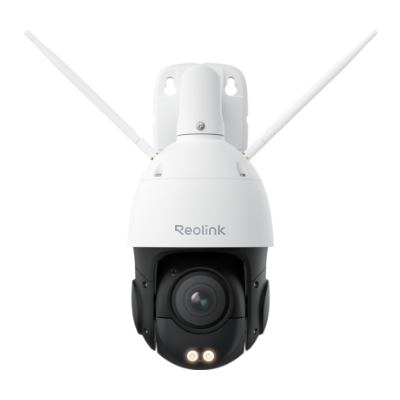
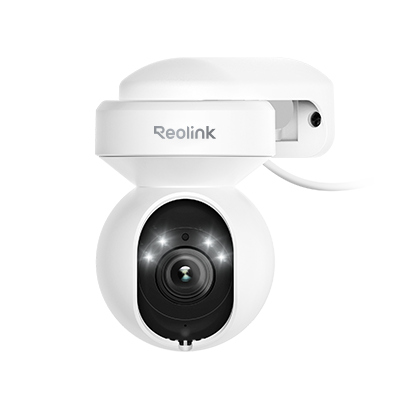
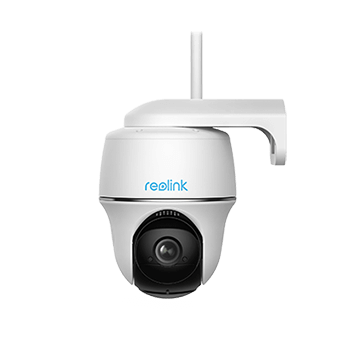
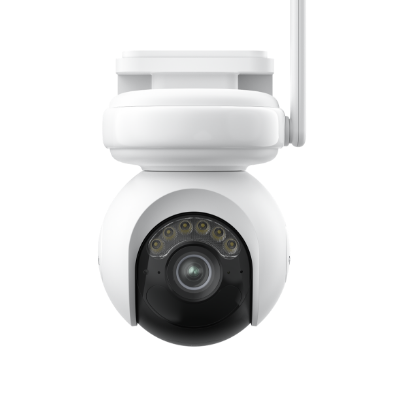
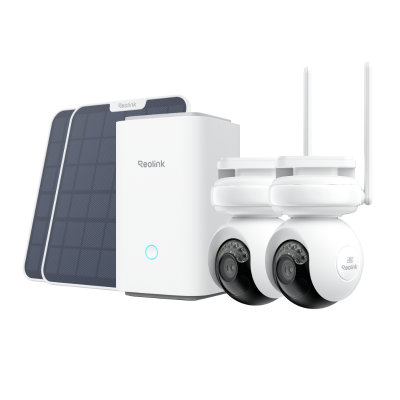
PTZ cameras: These models pan, tilt, and zoom to show different parts of a property. Owners can change their viewing angle when they need a much closer view.
-
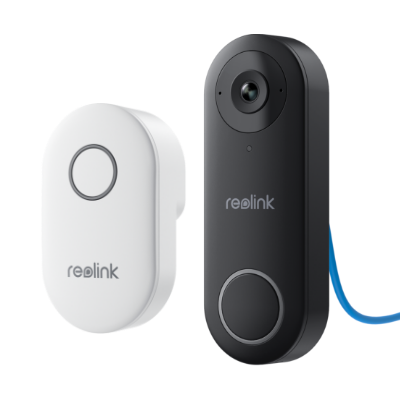
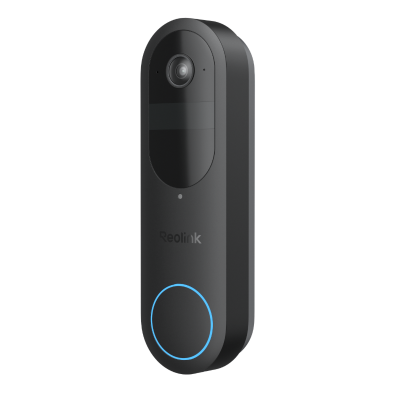
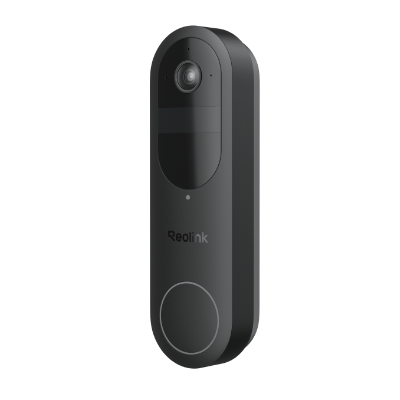
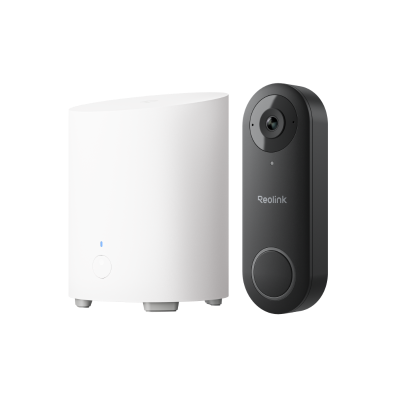
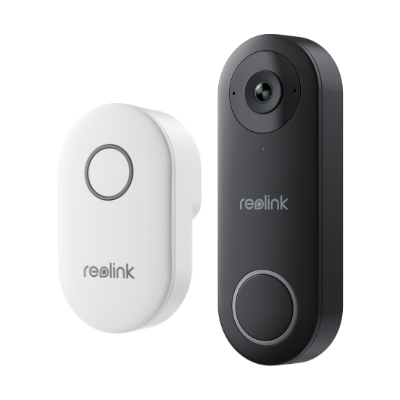
Video doorbells: These small cameras sit near doors and record people who come to visit. Many models let homeowners speak with guests through an app on their phone.
-
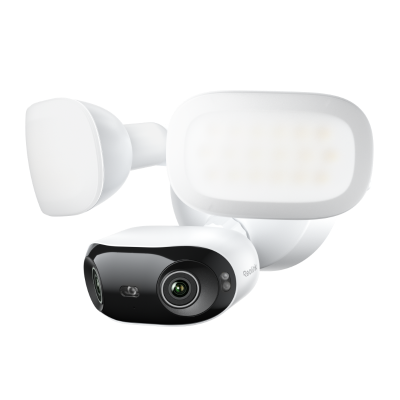
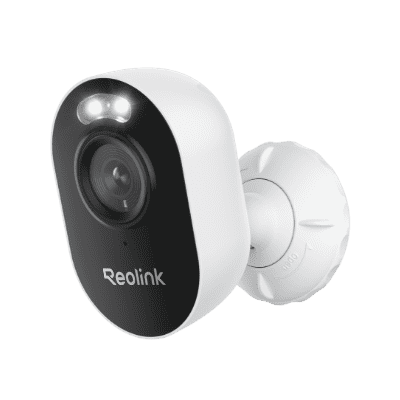
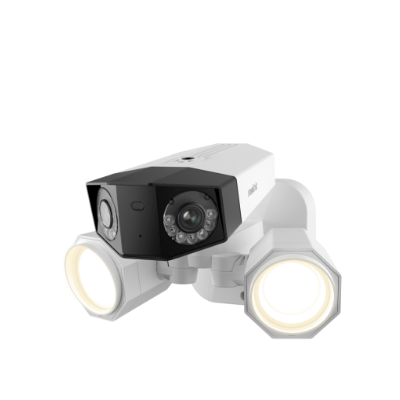
Floodlight cameras: These models pair video with bright lights that can turn on after movement. They can light up a yard, driveway, or front door well after dark.
-
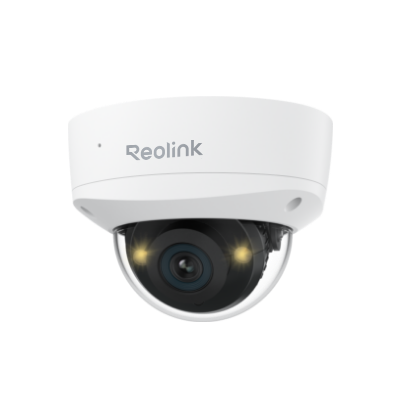
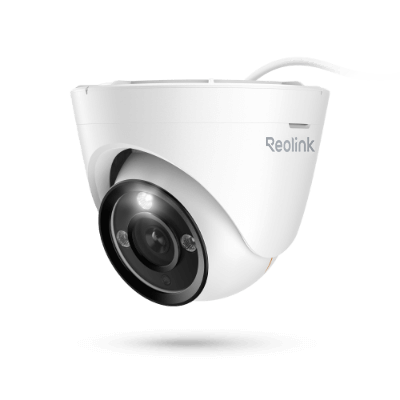
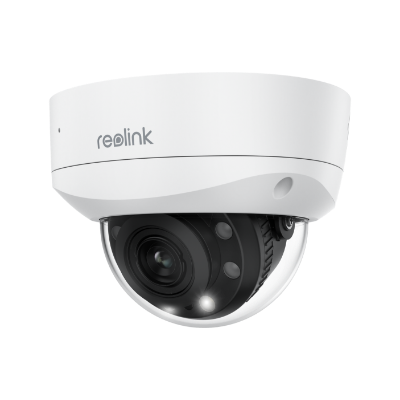
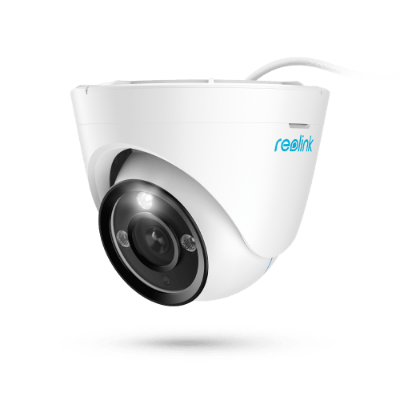
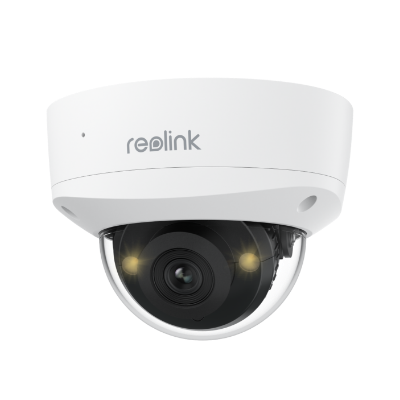
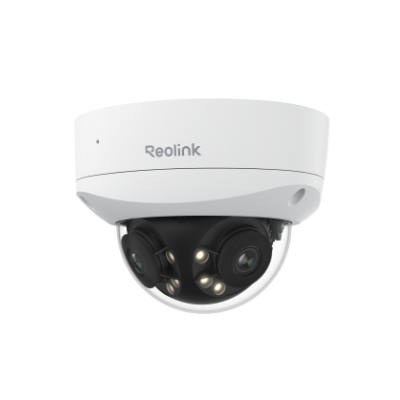
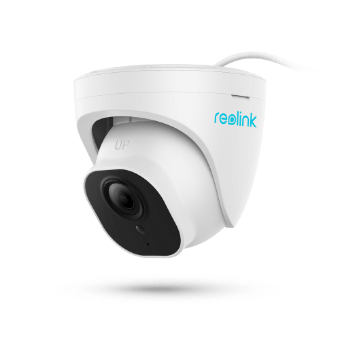
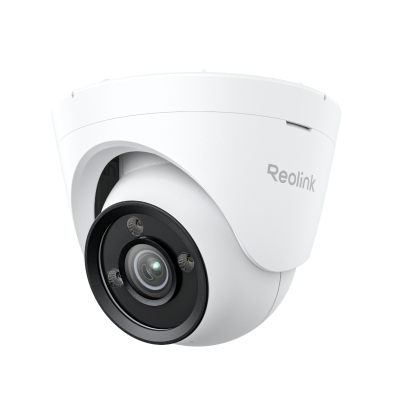
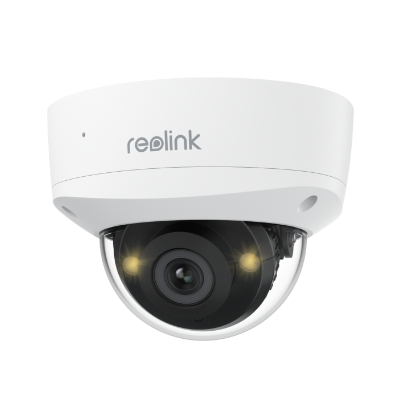
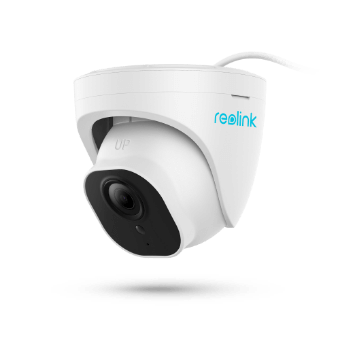
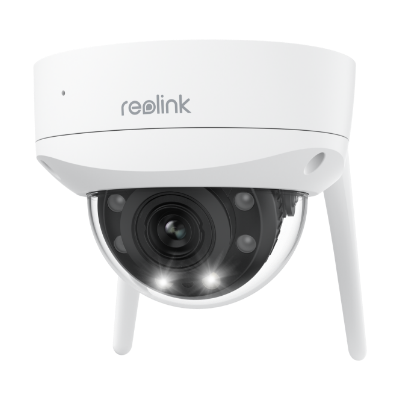
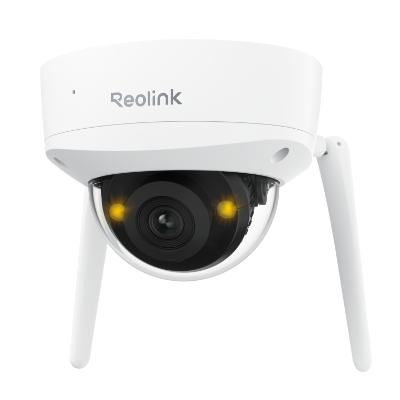
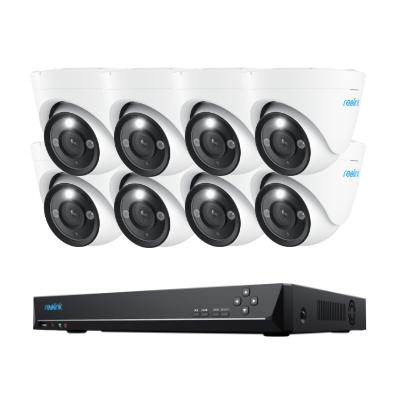
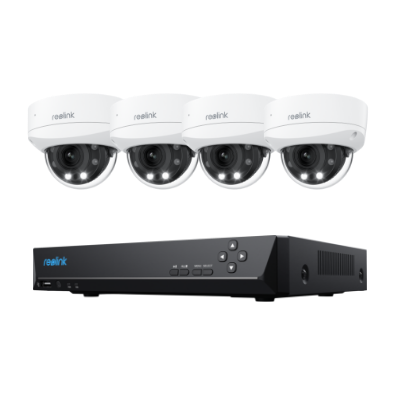
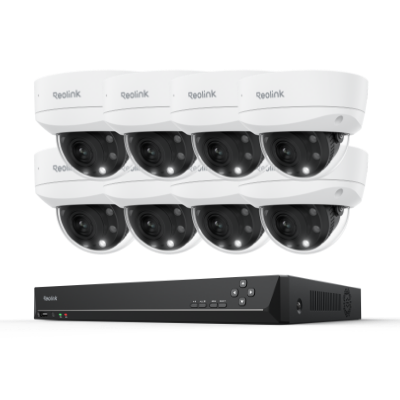
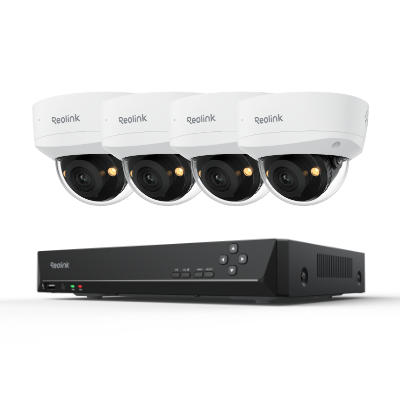
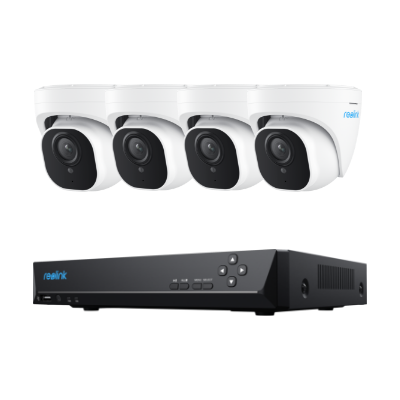
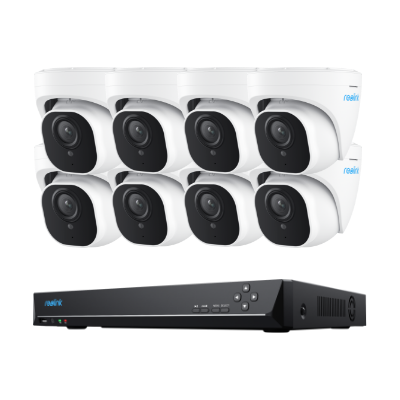
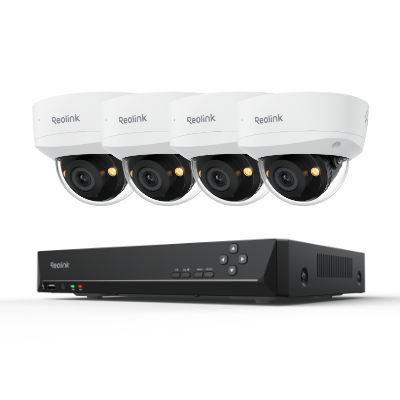
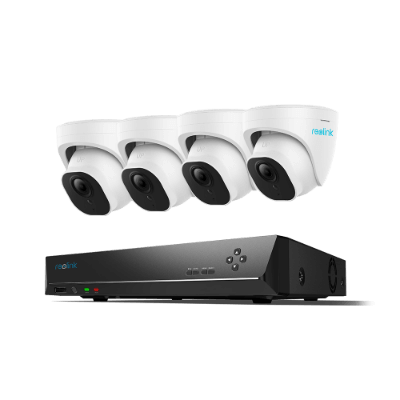
Dome and turret cameras: These models are easy to see on walls or ceilings. Owners often use them in homes, stores, offices, and other busy business sites.
What Is a Hidden Security Camera?
A hidden security camera records video without making its location clear to most people. Owners may hide it or choose a housing that does not look like surveillance gear.
How Do Hidden Security Cameras Work?
Hidden models still use a lens and sensor to record events within their view. They also need power, plus storage or a way to send saved footage. Some record to memory cards, while others use wired or wireless network links.
Certain models offer night vision, motion alerts, and ways to view footage remotely. Yet nearby objects may block the lens or reduce the area it can see. Owners must also plan how to clean, charge, check, and access the device.
Hidden vs Discreet Security Cameras: Are They the Same?
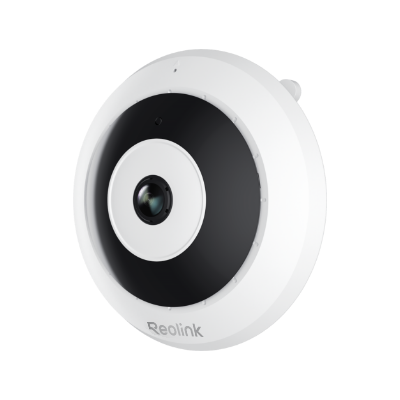
Hidden and discreet cameras may look alike, but these terms do not mean the same. A hidden camera stays out of view because someone has chosen to conceal it. A discreet camera simply has a small design that draws less notice from others.
For example, a small camera on a shelf may still be easy to recognize. This difference matters because complete concealment may bring greater privacy and legal risks.
Visible vs Hidden Security Cameras: Key Differences
These cameras mainly differ in how clearly they announce that someone is watching the area. Both can record clear footage, but their use affects notice, care, and privacy.
Are Visible or Hidden Security Cameras More Effective?
Neither type is always more effective. Visible cameras are generally better for deterrence and everyday property security, while hidden cameras are better suited to limited situations where discreet, lawful observation is needed. For evidence, camera quality, placement, lighting, and storage matter more than whether the camera is visible.
Better for Deterring Intruders: Visible Cameras
Visible cameras make surveillance obvious, which may discourage some people from theft, trespassing, or property damage. They are especially useful around doors, driveways, garages, and other entry points.
Their visibility also makes surveillance easier to disclose to visitors or workers. However, because they are easy to spot, intruders may try to avoid their field of view or damage cameras installed within reach.
Better for Capturing Evidence: Either Type
Both visible and hidden cameras can capture useful evidence when properly positioned. Resolution, lighting, field of view, storage reliability, and camera placement have a greater impact on evidence quality than visibility alone.
Visible cameras are generally easier to access for cleaning, adjustment, and maintenance. Hidden cameras may be harder to notice or avoid, but nearby objects or concealment can obstruct their view and make maintenance more difficult.
Better for Discreet Monitoring: Hidden Cameras
Hidden cameras are designed to record without drawing attention to the device. This can be useful in limited situations where discreet observation is necessary and legally permitted.
However, hidden cameras provide little visible deterrence and raise greater privacy concerns, especially indoors. Recording audio, guests, employees, or areas where people expect privacy may also be subject to additional legal restrictions. A small but visible camera may sometimes provide discreet monitoring with fewer privacy concerns.
Better for Overall Property Security: Visible Cameras or a Lawful Mix
For most property-security needs, visible cameras provide a practical balance of deterrence, evidence capture, easier maintenance, and clear surveillance notice. Outdoor cameras can monitor entrances, driveways, yards, and other vulnerable areas, while smaller disclosed cameras can cover suitable indoor spaces.
Some properties may combine visible and discreet cameras for broader coverage. Regardless of camera type, consider blind spots, lighting, mounting height, storage, and tamper risk, and ensure any concealed recording complies with applicable privacy and recording laws.
Visible vs Hidden Cameras for Different Locations
Each part of a property has its own risks and needs for camera coverage. Outdoor spaces often suit visible cameras, while indoor areas need greater care with privacy.
Are Hidden Security Cameras Legal?
Hidden cameras may be lawful in some places, but rules change by state and setting. Their use also depends on the purpose and the people who may be recorded.
Hidden Camera Laws in the United States
Hidden-camera legality in the U.S. depends heavily on the location, whether people have a reasonable expectation of privacy, whether audio is recorded, and applicable federal, state, and local laws.
Because state laws differ, users should check current local requirements before installing a concealed camera.
Federal video voyeurism law bars certain secret images of private body areas under federal jurisdiction. State laws may offer broader rules to guard people against secret, intrusive recording.
Audio laws also vary, since some states require consent from everyone in certain talks. Other states may allow recording with consent from at least 1 person involved. Rules may change with the type of talk and where each person lives. Check current local laws before using a hidden camera, mainly one with sound.
Where Should You Never Install a Hidden Camera?
Avoid hidden cameras in bathrooms, changing rooms, locker rooms, and private sleeping areas. People expect strong privacy in these places, and secret recording may break laws. Other private spaces also need care when people undress or receive personal care.
Owners should never assume that property rights outweigh the privacy rights of others. Some unlawful recordings can lead to fines, lawsuits, or other serious legal action.
Hidden Cameras in Your Own Home
Homeowners can often watch suitable areas, but their right to record has limits. Secretly filming guests, family members, or household workers may raise serious privacy concerns.
A front door camera has different privacy risks than one inside a bedroom. Tell people about indoor recording where notice is needed or would respect privacy. Before using a hidden microphone, check your state's rules for recording private talks.
Hidden Cameras in Rental Properties and Airbnb
Airbnb does not allow security cameras or recording devices inside home listings, even if they are turned off. Hidden cameras are strictly prohibited. Exterior cameras may be allowed if disclosed and if they do not monitor private areas such as enclosed outdoor showers or saunas.
Hidden Cameras in the Workplace
Work cameras can protect goods and record incidents, but workers still have privacy rights. Employers should avoid cameras in bathrooms, changing areas, and other private work spaces.
Federal law also protects private spaces for covered workers who need to pump breast milk. Those workers must stay free from view by work cameras during their pump breaks.
Employers should explain recording rules in writing and limit access to saved footage. Before using hidden cameras, they should seek advice about the place and purpose.
Can Security Cameras Be Hidden Without Breaking Privacy Laws?
A camera may be easy to hide, but that does not make hiding it lawful. Owners must weigh the reason for recording, the place, and the people nearby. Watching a suitable area raises different concerns from secretly filming someone inside a bathroom.
Adding sound can bring more consent rules, even when video recording is allowed. First, ask whether an openly placed camera could meet the same security need. Then check local laws, give any required notice, and limit what gets recorded.
Should Security Cameras Be Visible or Hidden?
For most home and business security needs, visible cameras are the more straightforward choice because they provide surveillance notice and deterrence with fewer privacy concerns. Hidden cameras may fit limited lawful situations where discreet observation is necessary.
Reolink Cameras for Visible and Discreet Monitoring
Reolink makes models for wide outdoor views, bright warning lights, and compact indoor use. These options show how different designs can support different needs around a property.
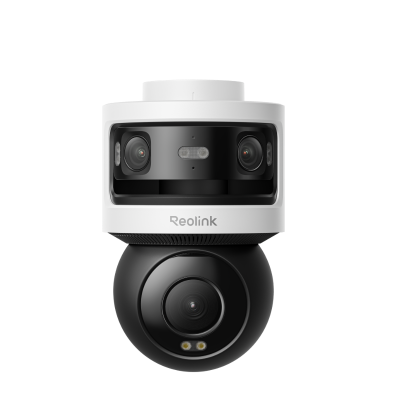
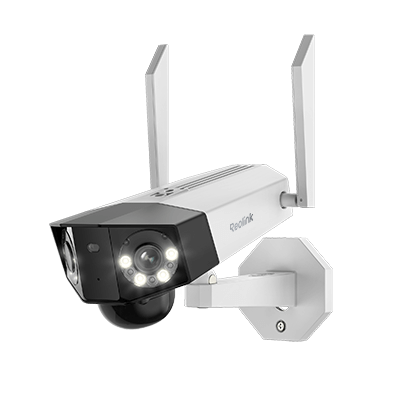
Best Visible Camera for Wide Outdoor Coverage: Duo 3 PoE
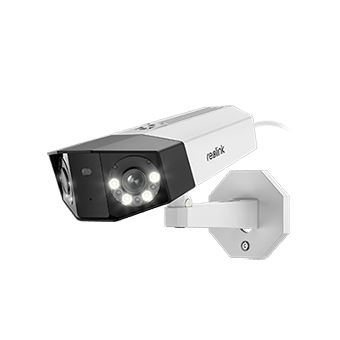
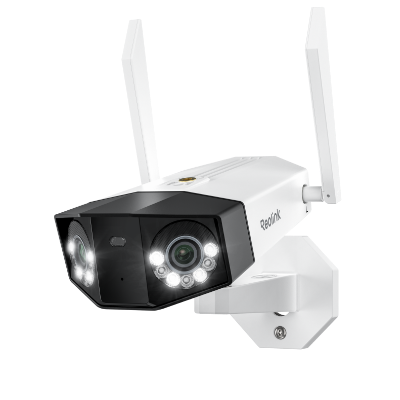
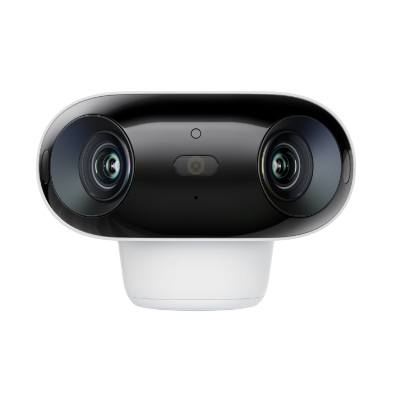
The Reolink Duo 3 PoE uses 2 lenses to cover a wide outdoor area. It joins their views into a 180-degree image, with sharp 16MP video quality. This broad view may suit large driveways, front yards, and outer building walls.
The camera offers motion alerts, infrared night vision, and color views through spotlights. It can also tell people, vehicles, and animals apart when it detects movement. Its Power over Ethernet link sends power and data through the same cable. This setup may make fitting the camera easier where network wiring already exists.
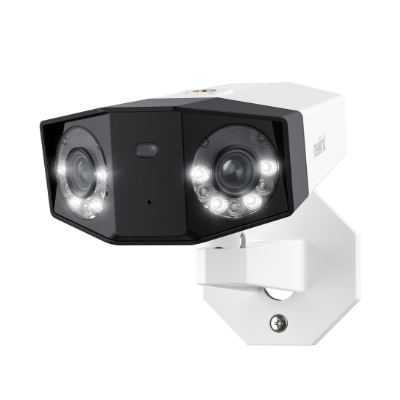
Groundbreaking 16MP Dual-Lens PoE Camera
16MP UHD, Dual-Lens, Motion Track, 180° Wide Viewing Angle, Power over Ethernet, Color Night Vision.
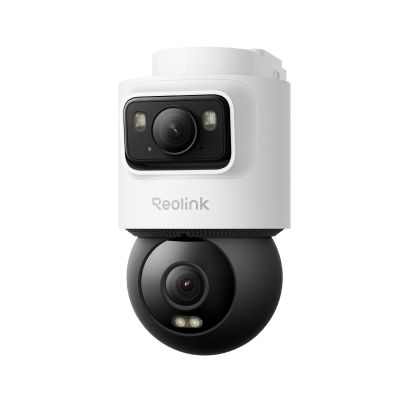
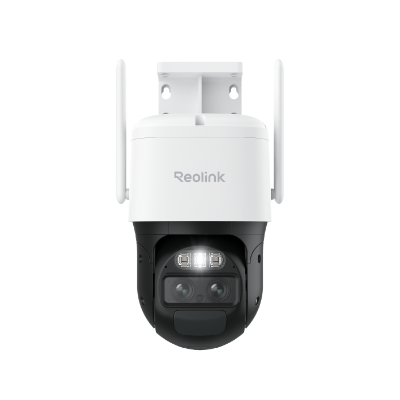
Best Visible Camera for Active Deterrence: TrackFlex Floodlight WiFi
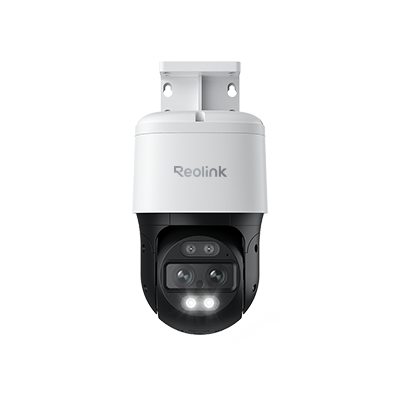
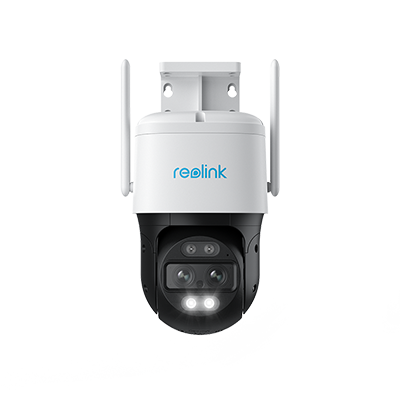
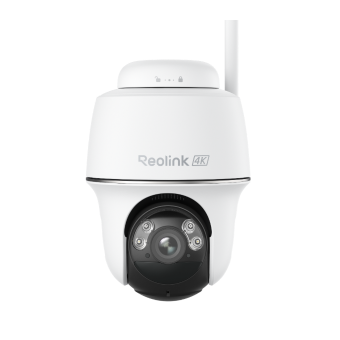
The Reolink TrackFlex Floodlight WiFi pairs a visible outdoor camera with strong floodlights. Its 2 lenses provide 4K wide views along with closer views when needed. The lights reach 3,000 lumens and can switch on when the camera detects movement. It also has an audible alarm that may draw attention to outdoor activity.
The camera can pan and tilt to follow movement across a wider area. Wi-Fi lets owners view live footage and saved recordings through the supported app. This model needs wired electrical power, so check the site before buying it.
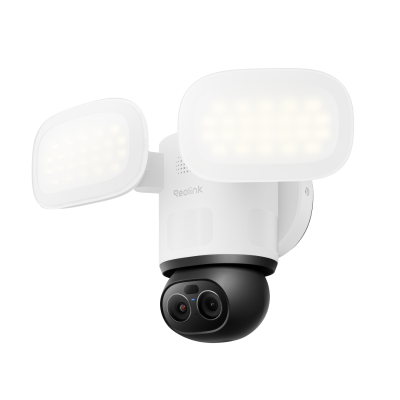
Smart 4K 360° Coverage Wi-Fi Floodlight Security Camera
Local AI Video Search, 4K 8MP Ultra HD, 360° Coverage View, 6X Hybrid Zoom, Dual-Color Floodlight.
Best Compact Camera for Discreet Indoor Monitoring: E1 Pro
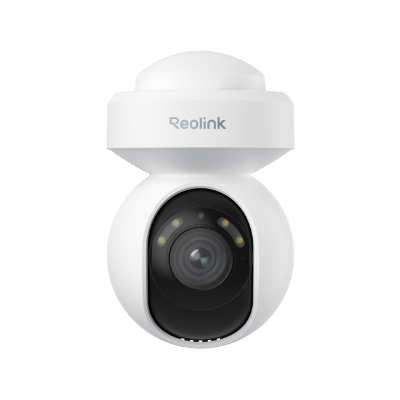
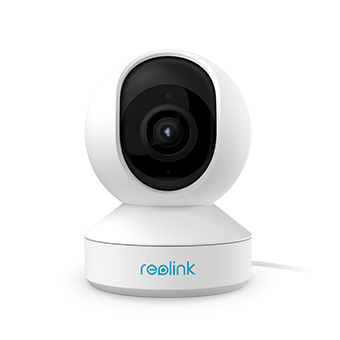
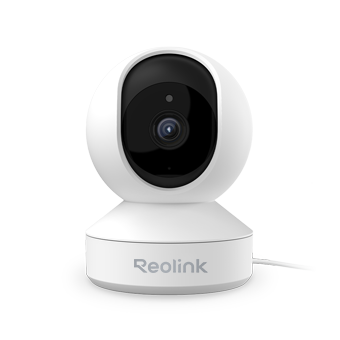
The Reolink E1 Pro offers a small design for use in suitable indoor areas. It may attract less notice than larger cameras, but it is not purposefully hidden. Its features include 5MP video, pan and tilt, night vision, and 2-way audio.
Owners can change the viewing angle through an app to watch different spots. The camera supports dual-band Wi-Fi and can save footage on a microSD card. It also works with some supported Reolink recording gear for local video storage. Use this camera in shared rooms with proper notice and respect for privacy.
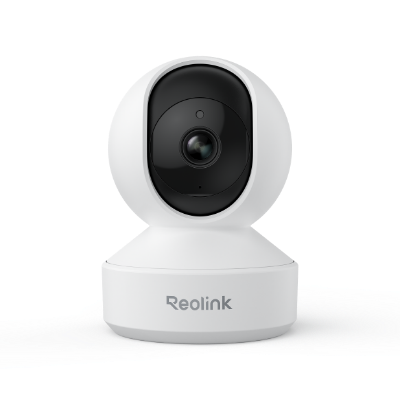
Smart 5MP Wi-Fi PT Indoor Security Camera
Crying Detection for Baby Monitoring; Smart Detection & Auto Tracking; 360° Coverage with Pan & Tilt; 5MP Super HD.
Verdict: Visible vs Hidden vs Discreet Security Cameras
FAQs
Is it better to have security cameras visible or hidden?
Visible cameras suit sites where owners want surveillance to be clear to others. Hidden cameras serve quiet, lawful observation but still need more care with privacy. Both types need good placement, clear video, and storage that works when needed.
Do visible security cameras deter burglars?
Visible security cameras may contribute to deterrence, especially when used with other security measures such as lighting, locks, alarms, and active monitoring. Research on CCTV suggests cameras can help reduce some types of property crime, but they should not be treated as a guarantee or a stand-alone prevention measure.
Do hidden cameras need WiFi?
Some hidden cameras use memory cards or wired systems, so Wi-Fi is not needed. These models may keep recording without internet access if their power remains on. Wi-Fi models offer remote viewing through supported apps and may have other features. Check each model's power, storage, and network needs before you choose a camera.
Is it illegal to hide a security camera in your home?
Hidden cameras are not always illegal at home, but local laws still apply. Secret recording in bedrooms, bathrooms, or other private places may lead to penalties. Recording sound can need clear consent, even when video recording is otherwise lawful. Review state rules and respect the privacy of family members, guests, and workers.
Can someone tell if a hidden camera is recording?
A person might spot a camera lens, an indicator light, or another sign. Yet these clues cannot show for sure whether the device is recording now. Some cameras record without a clear light, while others show lights for different reasons. A dark indicator therefore does not prove that a nearby camera is off.
Conclusion
Visible cameras make surveillance clear and may help keep some unwanted visitors away. Hidden cameras support quiet observation, but they bring greater privacy and legal concerns. Choose based on your security goals, location, recording needs, and the laws that apply.
Search
Subscribe for the Latest Updates
Security insights & offers right into your inbox