
Tornado Watch vs Warning: Key Differences Explained
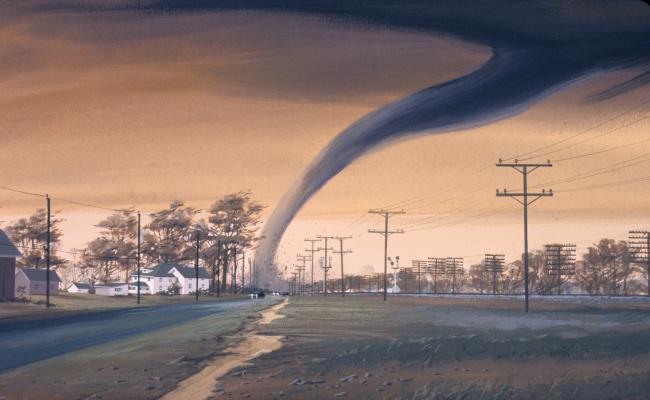
Tornadoes are one of the most dangerous dangers in the US. Tornado watch, or a tornado warning, should not be used interchangeably by the forecaster. Human beings who have the distinction of tornado warning vs watch take fewer and less time to run when the sky becomes dark. We can have a glimpse of the difference between tornado watch and warning.
What Is Tornado Watch vs Warning?
Many readers first need a clear base. The National Weather Service uses two alerts so families, schools, and offices make the right move at the right time. We now explain both alerts in simple terms before we compare them.
What Is a Tornado Watch?
A tornado watch means the atmosphere can build tornadoes. The Storm Prediction Center studies radar, satellite pictures, and weather balloons all day. When many counties share these storm parts, it draws a watch box that can last four to eight hours. The box can spread over many counties or even cross state lines when unstable air covers a wide region.
During a watch, skies may still look calm. Some people ask if the alert truly matters when the sun still shines. Studies show many deadly tornadoes start in daylight under a warm lid that breaks later. Setting plans while the weather seems gentle prevents panic when clouds tower later.
What Is a Tornado Warning?
A tornado warning means a tornado exists or will form soon. Forecasters base the warning on radar signs of tight rotation or on trained spotter reports. The warning polygon is smaller than a watch box and often covers parts of one or two counties. Lead time averages about thirteen minutes. People must rush to a safe place on the lowest floor, an interior room, a basement, or a strong public shelter.
Warning polygons can shrink or move as radar scans show the storm path. Offices may cancel a warning early if rotation weakens, yet a second cell can spin up close by. Stay alert for new warnings until the system exits the area.
Tornado Warning vs Watch: What's the Difference?
We defined the two alerts. Now we study how they differ so that readers learn the exact steps for each stage. Both alerts share the word tornado, yet they guide the public at different speeds.
Level of threat
A watch shows a possible tornado. A warning shows a confirmed or near-certain tornado.
Timing and urgency
Forecasters issue a watch hours before storms, giving time to get ready. They issue a warning minutes before or during the tornado, allowing only brief shelter time.
Area covered
A watch spans a broad zone, sometimes hundreds of miles across. A warning covers a small path that follows one storm.
Required actions
During a watch, people review plans, gather supplies, and stay informed. During a warning, they drop every other task and take cover at once. Schools practice drills, so students move to interior halls. Offices pin maps near elevators. Sports staff keep weather radios in press boxes.
Sirens and alerts
Most towns sound outdoor sirens only for warnings, not for watches. Smartphones follow the same rule. Broadcast outlets scroll both messages, yet warning banners use red to stand out.
Tornado Warning vs Tornado Watch: Comparison Table
A side-by-side view helps memory. Here is a quick comparison table between a tornado warning and a tornado watch.
How Are Tornado Watches and Warnings Issued and Updated?
Confidence increases when individuals are aware of the way that professionals make decisions. There is no single tool that is used by meteorologists. As storms develop, they incorporate instruments with human eyes and modify messages.
Watching is issued by the Storm Prediction Center after the surface maps, upper-air soundings, lightning patterns, and computer models are taken. When the number surpasses set marks, the personnel will sketch a watch box and enumerate the counties. It is then warned in local National Weather Service offices.
They observe Doppler radar, which is updated every few minutes. In other cases, when the scans indicate a constrained spin, the forecaster will construct a warning polygon and transmit it immediately to broadcasters, emergency managers, and wireless devices. Make sure to check your outdoor security cameras before a disaster strikes, so you can spot potential risks early.
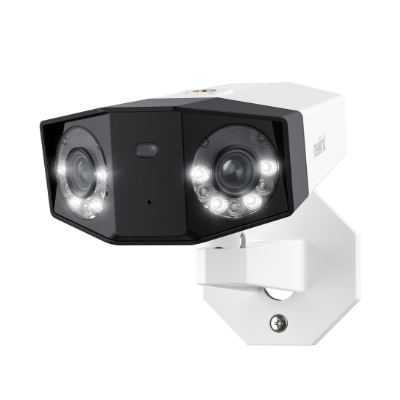
Groundbreaking 16MP Dual-Lens PoE Camera
16MP UHD, Dual-Lens, Motion Track, 180° Wide Viewing Angle, Power over Ethernet, Color Night Vision.
Tornado Watch vs Tornado Warning: What to Do?
Knowledge should be connected with definite actions. The following lists transform the alerts into action plans that individuals can drill on them.
What to do during a tornado watch?
Stay weather aware. Have a smartphone on hand with the Wireless Emergency Alerts on. Note the safest room in your home, or in your office, most of the time it is an interior room, but on the lower floor. Put a flashlight, pairs of shoes, helmets, and valuable papers there.
In case you plan to go somewhere, find paths that have good places to shelter. It is important that pets are kept on a leash or put in a carrier that will allow you to move around quickly. Share the plan with relatives or colleagues, so that they are all informed of what to do once a warning has been received.
What to do during a tornado warning?
Go straight to the selected shelter. As a precaution, use a mattress, heavy blanket or bicycle helmet to cover your head. Stay away from windows. In case you are not indoors and there is no firm structure or building around, then drive to the first structure or just lie flat in a ditch and cover your head.
The highway bridges should not be parked under, as the speed of the wind increases in the opening. Continue listening to a local radio or weather radio. Sheltering up until the authorities confirm that the warning has passed.
FAQs
What is worse, a tornado watch or warning?
A tornado warning is more terrifying since the danger is occurring or will occur. Very close to you, radar tells the warning that there is a funnel cloud or spotters are looking at it. You must act now. A watch is just an indicator that storms can be built in the future, and time to draw plans and monitor the weather. Both warnings are important, but the warning is a life-saving urgency that results in the need to seek shelter immediately.
Is a tornado watch or warning first?
A tornado watch comes first. The weather predictors observe how warm and moist, cold and dry, and moving winds are. They are aware of the possibility of tornadoes towards the end of the day, with the help of the recipe, and hence they give the watch. Afterwards, in case radar indicates tight spin or spotters indicate the existence of a funnel, they are forced to issue a tornado warning. It is a short-term and immediate notice to save life provided by this second alert.
How much warning do you get before a tornado?
A tornado warning, on average, has an average of thirteen minutes of available time before touchdown. Certain slow hurricanes allow forecasters to provide twenty minutes or so. Only seconds can be provided by sudden small tornadoes. There is no time, so you should have several alert paths available, train your strategy, and act as quickly as you can hear the alarm. The few minutes it takes can be used to save lives.
Conclusion
We have checked all the main aspects of tornado warning and tornado watch, and the actual distinction between tornado watch and warning. The watch provides time to spend. The alarm provides minutes to take shelter. Not difficult procedures, tools, and drills will make warnings safe. Take a look at your plan today, review supplies, and understand the rules on local sirens. Pass this guide and share some of your own stories about storms to ensure more individuals remain safe.
Search
Subscribe for the Latest Updates
Security insights & offers right into your inbox