
Security System Components: A Beginner’s Guide
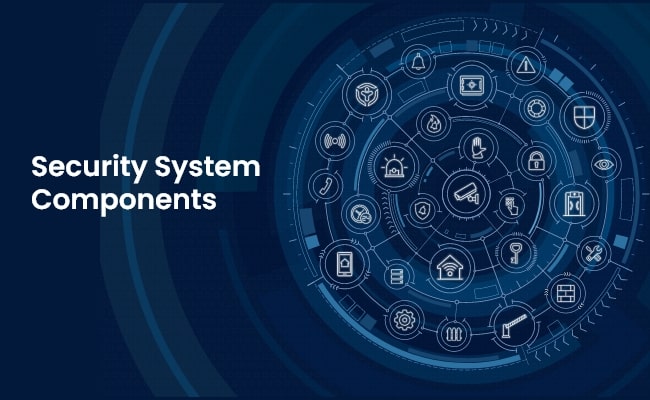
A security system is an integrated system that provides protection against intruders, fires, floods and other threats. The main security system components that make up a security system include control panels, cameras, sensors, alarms, lighting, access control systems and apps to monitor everything remotely.
Understanding what each component does is key to creating an effective system customized to your needs. This guide breaks down the most essential security systems & components for homes and businesses.
What is a Security System?
A security system refers to an integrated system comprised of various components working together to detect threats and provide notifications.
These systems consist of components like control panels, cameras, sensors, alarms etc. wired together to create a cohesive system focused on security monitoring and threat detection.
The main types of security systems include:
- Burglar alarm systems - detect intruders
- Fire alarm systems - detect fire and smoke
- Access control systems - restrict access to authorized persons
- Video surveillance systems - provide video monitoring capabilities
Security System Components: Breakdown
The main home security system components include:
Control panel/keypad
The control panel is the brain of a security system, coordinating all the connected home security components. It's usually a wall-mounted device that allows users to arm and disarm the system using the connected keypad. Most panels have a screen to view system status and manage various settings. Advanced control panels can manage IP cameras, automations, notifications etc. in addition to basic alarm functionalities.
Indoor and outdoor security cameras
Security cameras provide visual monitoring capabilities and record video when motion is detected. They capture evidence and send alerts to users about suspicious activities. Indoor cameras monitor entryways and high-value areas while outdoor cameras cover the exterior. Features like night vision, wide-angle view, tamper detection etc. enhance monitoring. Both wired and wireless cameras can integrate with the system.
Video doorbells
Video doorbell cameras focus specifically on entry points like front doors. They combine motion-activated recording with doorbell features letting homeowners see and speak with visitors. Alerts and live views are accessible through mobile apps. They deter potential break-in attempts.
Alarms/sirens
Alarm sirens emit loud high-pitched sounds as an audible warning when a security system detects an intruder. This deters criminals by drawing attention. Some systems use alarm panels with blinking lights instead of noise. Users can silence alarms using control panels or apps once the threat is assessed.
Sensors/detectors
Sensors detect activity, threats and environmental changes within the secured area. Motion sensors, glass break detectors, flood sensors etc. provide the main inputs that activate alarms. Without sensors, the system would have nothing to respond to. They notify panels when a zone is breached so immediate action can be taken.
Lighting
Security lighting consists of exterior motion-sensing flood lights and interior smart bulbs connected to the system. When motion triggers are activated, bright floodlights scare away intruders while smart lights can make homes seem occupied as a deterrent. The lighting works hand-in-hand with cameras to improve visibility.
Remote control apps
Apps allow users to monitor the system 24/7 from smartphones/tablets. Features include push notifications, live feeds from cameras, arming/disarming control, system updates etc. If certain sensors detect issues, an instant alert is sent straight to devices. Many apps also offer options to save/share video and adjust component settings.
Security Access System Components
These devices authorize, monitor and control physical access to facilities or rooms according to preset permissions. They integrate with the main system providing an extra layer of intruder detection.
Essential components of an access control system include:
- Biometric readers - scan fingerprints/retinas to confirm identities
- Keypads - enter access codes to unlock doors
- Card readers - present keycards to gain entry through secured doors
- Electric door locks - lock/unlock doors when credentials are presented
- Exit devices - let authorized persons exit through doors to prevent entrapment
Where to Shop Security System Components
Reputable security companies offer professional consultation to help customize systems. Online and electronics stores offer more budget-friendly options. DIY home security sites have wide selections of sensors, cameras and alarm equipment for self-installed systems.
Recommended places to purchase security system components include:
- Security equipment retailers (ADT, Vivint, SimpliSafe etc.)
- Online retailers (Amazon)
- Electronics/technology stores
- DIY home security websites
- Direct from security brands
What to Consider When Choosing Components
Factors to consider when selecting security system components:
Property size
Larger properties require extra components to eliminate blindspots e.g. additional motion detectors, cameras and smart locks. High-value rooms also warrant enhanced monitoring.
Features of different components
Compare capabilities between models - resolution, wireless/wired connectivity, detection zones, integration options etc. Advanced features improve monitoring but cost more.
Wired vs wireless systems
Wired systems provide more reliable connections while wireless equipment is easier to install. Hybrid systems use existing wiring supplemented by wireless tech.
Power source
Backup batteries prevent power outages from disrupting security. Solar panels can eliminate wiring needs and keep battery cameras/sensors perpetually powered.
Cost
Creating effective customized systems on a budget involves balancing needs with costs. Prioritize core alarm system components first, then enhance with extras later on if needed.
Top Camera Components for Security Systems
Reolink Argus PT Ultra Kit
This solar-powered security camera system features 4K video quality with advanced night vision, smart motion detection to reduce false alarms, local storage and mobile access. The complete kit provides multi-angle coverage for comprehensive monitoring. Reliable solar charging eliminates wiring needs for flexible placement. Overall, the Argus PT Ultra kit delivers premium components for robust property coverage.
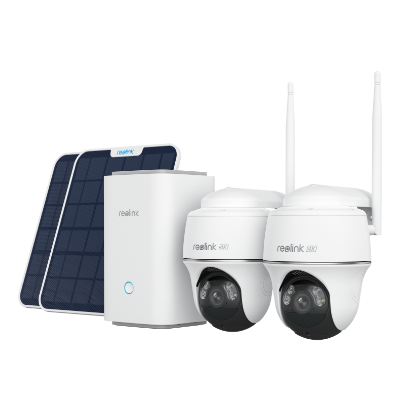
Wireless Security System With 4K PT Standalone Battery/Solar Wi-Fi Cameras
4K Color Footage Day & Night, 1 Year of Local Storage, Exclusive Anti-Theft Algorithms, Expandable System Up to 8 Reolink Cams
Reolink Argus Eco Ultra Kit
Similarly, Reolink's Argus Eco Ultra offers a budget-friendly solar-powered 4K camera system that records sharp ultra HD footage day and night. The wireless cameras provide off-grid installation thanks to integrated solar panels and batteries. Despite the affordable price, capabilities like custom motion zones, AI tracking features and local storage ensure critical monitoring features aren't sacrificed. For essential whole-home protection on a budget, the Argus Eco Ultra kit makes security easy and accessible.
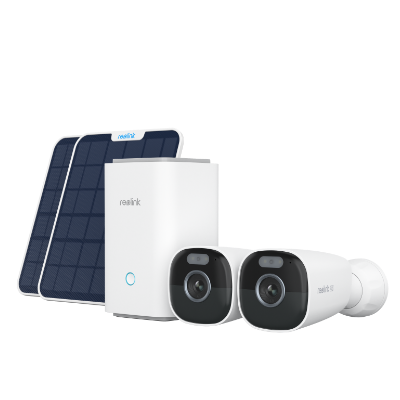
Wireless Security System with 4K Wi-Fi Solar/Battery Standalone Camera Without Monthly Fees
4K Color Footage Day & Night, 1 Year of Local Storage, Exclusive Anti-Theft Algorithms, 360° All-Around Coverage, Expandable System Up to 8 Reolink Cams.
FAQs
What are the four components of a security control?
The four main components are sensors to detect intrusions, alarms to deter intruders, notifications to alert about breaches and monitoring capabilities via control panels or apps to verify the situation.
What is the main component of a security surveillance system?
Cameras are the most vital component of a video surveillance system. Different camera types like PTZ cameras, dome cameras and bullet cameras provide visual coverage.
What are the three main parts of an alarm system?
Sensors pick up intrusions, control panels coordinate responses and alarms provide audible deterrent warnings when the system is triggered by sensors. These three components create the foundation.
Conclusion
Installing a security system featuring components like alarm panels, cameras, sensors paired with lighting and access control protects against external and internal threats. Fortunately, reputable DIY kits make modern smart home systems accessible and affordable with professional monitoring unnecessary.
Understanding the core components allows customization to safeguard homes and businesses in line with specific risks and budgets. With the right combination of intrusion detection equipment, users can enjoy reliable monitoring, preventative deterrence and emergency response capabilities.
Search
Subscribe for the Latest Updates
Security insights & offers right into your inbox