
Roof Insurance Claims: How to File and Maximize Your Payout
People who own homes often see roof damage from storms, hail, or strong winds. They can make a roof damage insurance claim to get money from their insurance company for repairs or a new roof. This claim helps pay for costs that might grow large. In this article, you get clear steps on how to file claims and ways to get the most money.
What Is a Roof Insurance Claim?
A roof insurance claim is a formal ask you send to your insurance company. You want money to fix or replace your roof after it gets damaged. The damage has to come from something your policy covers, like a storm, hail, or a tree that falls. Your insurance company looks at the claim, checks the roof, and decides how much money to give you. They base this on your coverage limits and the amount you pay first, called the deductible.
When to File Roof Insurance Claims?
People who own homes often see roof problems after bad weather hits. They need to decide when to start the claim process.
-
Cracks or breaks in shingles that you can see: Storms can crack shingles, and this lets water get under the roof. Look for these soon after wind or hail. If you find them, start the claim fast because water can leak in and hurt the inside parts of your home. Tell your insurance company about the weather to help your claim get approved.
-
Stains from water on ceilings or walls: These stains mean leaks from roof damage. They might show up days or weeks after a storm. Do not wait if you see them, because they can cause mold to grow and wood to rot. Start the claim right away to stop the problem from spreading, and get money for fixes to the roof and inside areas.
-
Granules from shingles that build up in gutters: Hail can knock granules off shingles, and they end up in gutters. Gather some as proof. This shows damage from a recent hit. Make the claim within the time your policy allows to show the cause was something covered, not just from getting old.
-
Dents or marks on vents and flashing of the roof: Hail makes dents in metal parts. Use a ladder or go up safely to check. These dents make seals weak and let leaks happen. Start the claim with pictures to pay for new parts before rust starts and makes more problems.
-
Parts of the roof that sag or dip: Heavy rain or snow can make sagging from the weight of water. This means there might be a weak structure. Get an expert to look at it for safety. Start the claim right away to fix the risks and stop the roof from falling in.
How to File a Roof Insurance Claim?
To file a roofing insurance claim, you need good organization and some patience. But if you follow a clear set of steps, things go smoother. You deal with papers, checks of the roof, and talks with your insurance company.
1. Review Your Insurance Policy
Get your homeowners policy and read the parts about roof coverage. Find what dangers it covers, like wind or hail, and see what it does not include, such as wear from age. Look for your deductible, which is the money you pay first. Check the deadlines for claims. This check makes sure your damage fits, and it helps you know about costs and when things happen.
2. Document the Damage
Take many pictures or videos with your phone or camera of the roof damage. Do this from the ground and up close if it is safe. Add documentation of leaks or stains inside. Write the date, time, and weather when it happened. Good records make your case strong, and they help when the person who checks comes.
3. Contact Your Insurance Company
Call the claims part listed in your policy. Tell them about the damage and when it took place. Give them your first pictures if they ask. They give you a claim number and tell you what comes next. Report it soon to follow policy rules and begin the check without waits.
4. Hire a Roofing Contractor
Look for roofers with licenses in your area, and ask them to check your roof. Get written costs from at least two. They find all damage, even things hidden. Pick one who knows about insurance. Their expert help makes your claim better, and it makes sure fixes follow local rules.
5. Meet with the Adjuster
Set a time for the check. Be there to show the damage and answer what they ask. Bring your roofer if you can for expert ideas. Write down what the adjuster says. This visit sets the claim cost, so show all issues to get a fair look.
6. Review the Settlement Offer
Look at the adjuster's report with care. See if the money they offer matches your roofer costs. Check for things they missed, like the layer under or metal edges. If the offer is too low, get more proof and ask for another look. Say yes only when it pays for all fixes.
7. Complete the Repairs
When you get the money, agree with your roofer on the work. Set times for it and watch how it goes. Keep all bills and papers that show what you paid. Send copies to your insurance company for any last money. Check the done roof to make sure it is good before you end the claim.
State-by-State Differences in Roof Insurance Claims
Rules for insurance on roofs change from state to state because of local laws, risks from weather, and how claims went before. These changes affect how companies deal with claims, what they pay for, and when things must happen. For example, some states need notices ahead or limit what they cover for old roofs. Learn what your state says to handle things better and skip common mistakes.
Texas
Texas has many roof damage insurance claims in Austin from hail and storms with wind. A law from 2017 says you must give your insurance company 61 days notice in writing before you sue over claims from weather. This gives time for agreements. For roofs more than 10 years old, policies often give actual cash value, which takes off money for getting old. Insurance companies check roofs before they renew, and they might not cover if wear is bad. In Austin, lots of claims mean close looks, so give strong proof like reports on storms to do well.
Georgia
In Georgia, roof insurance claims in Cumming, GA, follow hard rules against roofers who pay your deductible, because that stops wrong actions. The state has often hail and tornado damage, which leads to high payouts for losses. Policies might say fixes must match what is there for how it looks. Insurance companies tell apart damage from storms and from age, and they often say no to age problems. Use experts from the area who know Georgia rules to record claims right and raise chances for yes.
California
Claims for roof insurance in California deal with dangers from wildfires and heavy rains. Insurance companies often stop policies for homes with roofs in bad shape or more than 15-20 years old, most in places with high fire risk. Coverage changes to actual cash value for old roofs, which pays less after taking off for age. Rules in the state sometimes say to match replacements so things look the same. With premiums that go up and fewer choices, keep your roof in good shape and look at different companies to get coverage.
How to Maximize Your Roof Insurance Payout?
To get the most money you can, do more than just send in the claim. Look at offers, collect extra proof, and ask for fair amounts.
-
Get costs from several contractors: Ask many roofers with licenses for full lists of costs. Add details on things and work. Use these to question offers that are low from the adjuster. Costs that are higher show the real amount, and this leads to changes that help you.
-
Get a public adjuster: These people work for you and look at damage on their own. They talk with your insurance company and deal with papers. They take some of the money you get, but their help often brings in more that covers what they take.
-
Send in extras for more damage: When you fix, you might find things hidden, like wood that rots. Take pictures and list costs. Send an extra part to add to the first claim. This gets back more money for full fixes.
-
Pick coverage for replacement cost: If your policy has it, ask for replacement cost instead of actual cash value. The first gives full prices now without cuts for age. Look at your policy soon to see if you can get it and say why it is better.
-
Keep full records: Follow every email, call, and paper about the claim. Put them in order by date. These help when you ask for changes, and they show you work hard. Insurance companies give better to cases that are ready.
How Security Cameras Can Help with Roof Insurance Claims?
Cameras for security give big help in claims for roof insurance because they show video proof of what happened. They record storms while they go on, and they catch things like how big hail is or how fast wind blows. This proof answers questions from insurance companies about what caused damage.
A story from a Reolink user shows this help. Tony had a bad hail storm last March, just days before he got married. His Reolink camera recorded hail that hit the roof hard and went into the pool. The insurance company said no at first, and they said it was from bad setup. Tony gave them the video, which showed hail was the reason. The video they could not argue with made them pay, and he got a new roof.
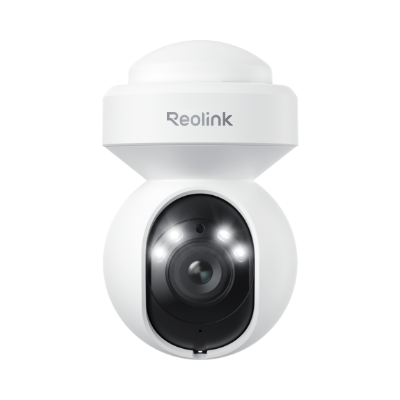
4K WiFi PTZ Camera with Auto-Tracking
4K 8MP Super HD, Smart Person/Vehicle Alerts, 355° Pan & 50° Tilt & 3X Optical Zoom, Auto Tracking, Color Night Vision.
FAQs
Is it worth claiming roof damage on insurance?
You should claim if the cost to fix is more than your deductible and the damage comes from something your policy covers, like hail. The money you get helps with large bills, and this keeps your money safe. But if you claim a lot, your rates might go up later.
What not to say to a roof insurance adjuster?
Do not guess about what caused the damage or say you think you did something wrong. Stay away from talk about how old the roof is or if you did not keep it up well, because that can give them ways to say no.
How do roofing insurance claims work?
You tell your insurance company about the damage, and they send someone to check it. That person figures out costs after you pay your deductible. If they say yes, you get money for the fixes. For problems, you can ask for a change with more proof.
Conclusion
Claims for roof insurance keep your home safe from costs of damage from weather. Do the steps to file in a good way, and use ideas to get the most money. Be active with records, and know rules in your state. This helps you get good results and feel calm.
Search
Subscribe for the Latest Updates
Security insights & offers right into your inbox