
Reolink Altas Series Comparison: Which Model is Right for You?
Battery-powered security cameras are convenient to install, but many only record after motion is detected, which can leave gaps between events. The Reolink Altas Series is designed to go further, using large-capacity batteries to support pre-recording while keeping the flexibility of a wire-free setup.
The series includes the Altas PT Ultra, Altas, and Altas Go PT. While they share features such as a 20,000mAh battery and ColorX night vision, they differ in resolution, coverage, and connectivity. This guide compares the three models and helps you decide which Reolink Altas camera best fits your monitoring needs.
Key Takeaways:
- The Reolink Altas Series includes Altas PT Ultra, Altas, and Altas Go PT, all featuring a 20,000mAh battery but differing in resolution, coverage, and connectivity.
- Choose Altas PT Ultra for 4K wide-area monitoring, Altas for focused fixed-area monitoring, and Altas Go PT for remote locations without Wi-Fi.
- Compared with the Argus and Go series, Altas stands out for its larger battery capacity and pre-recording capabilities.
Reolink Altas Series Overview
The Reolink Altas Series includes three battery-powered security cameras designed for different monitoring needs: Altas PT Ultra, Altas, and Altas Go PT. All three use a 20,000mAh battery and support extended or continuous recording, but each model has a different focus.
Reolink Altas PT Ultra
Altas PT Ultra is the flagship model of the series. It records in 4K and features pan and tilt for wider coverage, along with auto tracking for people, vehicles, and animals. It uses dual-band Wi-Fi 6 and is a good option for monitoring larger areas where both image detail and flexible viewing angles matter.
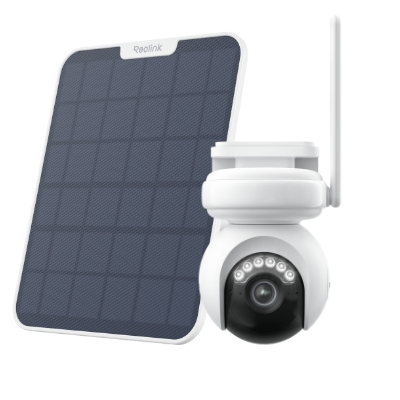
4K Battery-Powered PTZ Camera with Continuous Recording
👍 4K UHD video with continuous recording
👍 ColorX night vision in low light
👍 Pan, tilt, and automatic person tracking
👍 Local storage without monthly fees
Reolink Altas
Altas is a compact, fixed-lens 2K battery camera. Unlike the two PT models, it focuses on a specific viewing area rather than rotating to follow activity. It uses dual-band Wi-Fi 6 and is suited to locations such as entrances, driveways, and side yards that need consistent monitoring from one angle.
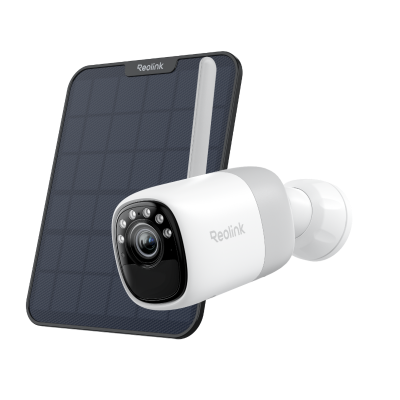
2K Pre-recording Bullet Camera with a Long Lasting Battery
2K 10s Pre-recording ; ColorX Night Vision; 20,000mAh Battery; Dual-band Wi-Fi 6.
Reolink Altas Go PT
Altas Go PT is the cellular option in the series. It records in 2K and offers pan, tilt, and auto tracking, but connects through a 4G network instead of Wi-Fi. This makes it suitable for farms, cabins, construction sites, and other locations where a reliable Wi-Fi connection is unavailable.
Reolink Altas Series Comparison Table
For a quick visualization of these three cameras of Altas series, we've elaborate a comparison table.
Reolink Altas PT Ultra vs. Altas vs. Altas Go PT: Details of Differences
Although all three cameras include the advanced features mentioned above, they also differ in the following aspects. Take a look.
Design
The most noticeable difference between these three cameras is their design. The Altas Go PT inherits the dome style design of the Altas PT Ultra, while the new Altas features a bullet shape. The Altas is smaller and sleeker compared to the Altas PT Ultra and Go PT Ultra. Reolink has added a blue halo around the lens of the Go PT camera to distinguish it from the Altas.
Connectivity
As mentioned at the very beginning, the most significant difference in terms of features and functionalities is the camera's connectivity. The Altas and Altas PT Ultra operate over dual-band WiFi 6 and support Bluetooth networking, while the Altas Go PT operates over a 4G network. This means users need a SIM card and a data plan to get the Altas Go PT camera running.
Resolution
Another distinction among these three cameras is their resolution. As the flagship model of this series, the Altas PT Ultra boasts a 4K (3840x2160) resolution, while the Altas and Altas Go PT feature a 2K (2560x1440) resolution. While 4K resolution provides more details, it may require more storage space. On the other hand, 2K resolution is more efficient but may compromise clarity when digitally zooming in on the picture.
Coverage
These three cameras also differ significantly in their field of view. The Altas PT Ultra and Altas Go PT, with their dome style, offer flexible viewing options as they can pan and tilt to cover a wider range. Specifically, both of these cameras can achieve a 355° pan and a 90° tilt. In contrast, the bullet-shaped Altas has a fixed lens, which limits its field of view compared to the two PT cameras.
Smart Features
These three cameras also differ slightly in their smart AI features. The Altas Go PT and Altas PT Ultra, being pan and tilt cameras, support auto-tracking and will automatically follow the movement of humans, vehicles, and animals within their field of view. In contrast, the Altas can only detect humans, vehicles, and animals.
Reolink Altas Cameras: Which One to Choose?
The right Altas camera mainly depends on where you plan to install it and how you want to monitor the area.
- Choose Altas PT Ultra for large home areas: Its flexible viewing angle makes it a better fit for large yards, driveways, and perimeter monitoring where activity may move across different directions.
- Choose Altas for focused monitoring: Its fixed view works well for entrances, side yards, backyards, and other defined areas that need consistent observation.
- Choose Altas Go PT for remote locations: Its cellular connection makes it suitable for farms, cabins, construction sites, and other places beyond the reach of Wi-Fi.
Reolink Altas Series vs. Argus Series vs. Go Series
The Altas, Argus, and Go series are all battery-powered security camera lines from Reolink, but they are designed around different priorities. Here are the main differences between them.
Battery Capacity and Runtime
The Altas Series is built around a 20,000mAh battery, giving it substantially more battery capacity than typical models in the Argus and Go series. This makes Altas better suited to users who want longer monitoring periods and less frequent manual recharging.
Argus cameras generally prioritise a lighter, flexible design for everyday home monitoring, while Go cameras balance battery power with the additional power requirements of 4G connectivity.
Pre-Recording
Pre-recording is one of the features that separates the Altas Series from conventional motion-triggered battery cameras. Supported Altas models can save footage from before a detected event, providing more context about what happened leading up to it.
Argus and Go cameras are primarily designed to start event recording after motion is detected, so they focus more on conserving battery power between events.
Wi-Fi and 4G Options
The Altas lineup covers both Wi-Fi and cellular monitoring. Altas and Altas PT Ultra use Wi-Fi, while Altas Go PT provides 4G connectivity for locations without a Wi-Fi network.
By comparison, the Argus Series primarily focuses on Wi-Fi battery cameras, while the Go Series specialises in 4G LTE cameras for remote locations.
Camera Designs and Coverage
Altas offers both fixed and pan-and-tilt designs, but the Argus Series provides a broader range of viewing options for everyday home security, including fixed, PT, and dual-lens panoramic models.
The Go Series focuses more on remote monitoring, with models designed for locations such as farms, construction sites, cabins, and wildlife areas where network access and installation conditions differ from a typical home.
FAQs
Does Reolink Go record all the time?
Cameras in the Reolink Go series do not record continuously. These 4G battery cameras start recording based on motion events detected within their field of view. However, there is one exception: the new Reolink Altas Go PT Ultra can be set to record continuously thanks to its powerful 20,000 mAh battery and software upgrades.
Does Reolink Altas Series require a monthly fee?
Reolink Altas cameras don't require subscription fees for their smart features and local storage. However, if you choose the Altas Go PT, you will need to subscribe to a monthly data plan for its SIM card.
How long does the Reolink Altas battery last?
The Reolink Altas uses a 20,000mAh battery. On a full charge, it can last up to 540 days in motion-detection mode based on about 5 minutes of recording per day, or about 8 days in continuous recording mode at 3fps. Battery life will vary with recording frequency, temperature, network use, and other settings.
Conclusion
The cameras in the Reolink Altas series offer a brand new battery-powered solution for homeowners and anyone seeking different security options. With their ability to record continuously, users won't need to worry about insufficient coverage and can monitor their property 24/7. Choose the right model based on your needs and the comparison above.
We truly hope this article helps you! Share your thoughts on the new Reolink Altas series in the comments section below—we'd love to discuss them together!
Search
Subscribe for the Latest Updates
Security insights & offers right into your inbox