







NiMH vs Lithium Batteries: What's the Difference?
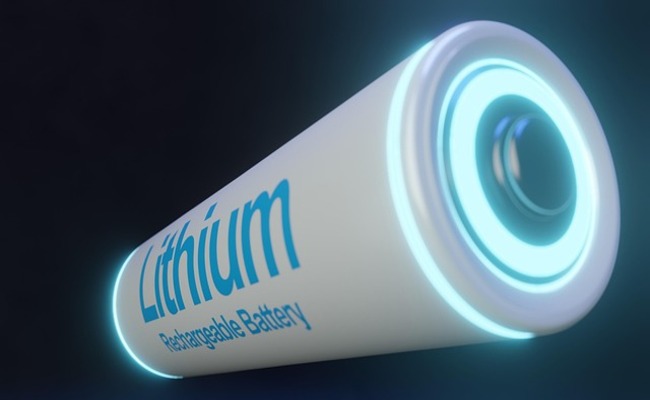
NiMh and Lithium are two common battery technologies we often encounter in everyday applications. Both have their distinct technology, pros & cons, and applications.
In this guide, we will discuss NiMH and Lithium batteries, from their basics to their applications. With a quick comparison, it will be easier for you to make the right choice.
NiMH Vs Lithium: A Quick Comparison
NiMH batteries are popular due to their lower upfront cost, higher durability, and safety. On the other hand, Lithium batteries are popular for their lighter weight, high energy density, and longer lifespan.
Let's look at a quick comparison and understand some more key differences.
NiMH Vs Lithium-Ion: Basic Of Ni-MH Battery
What Is a Ni-MH Battery?
NiMH batteries use Nickel as a positive electrode and a hydrogen-absorbing alloy on the negative electrode. The charging and discharging mechanism works when hydrogen ions move towards the alloy and reverse back to the Nickel electrode. They are typically seen with cylindrical AAA, AA cells, which you commonly use in remotes, toys, and other small electronic gadgets.
These cells are highly durable and can hold more than 40% charge compared to a conventional cadmium cell. They are also known for environmentally friendly options and can provide up to 1.2V per cell.
Pros And Cons Of Ni-MH Battery
Pros:
- Easily accessible.
- Compatible with most devices.
- Affordable.
- Environment-friendly.
- Higher applications.
- Safe to use with reasonable battery cycles.
Cons;
- Charging will take longer.
- Higher drainage issues in standard units.
- Bulky design and heavier.
- Low energy density.
NiMH Vs Lithium-Ion: Basic Of Lithium Battery
What Is a Lithium Battery?
Lithium batteries are also common and rechargeable, which simply work through an electrolytic process. The electrodes are made from lithium metal, in which the lithium ion moves from cathode to anode with the presence of electrolyte. The cells usually deliver 3.6 Volts each, which is way higher than NiMH.
They provide higher density and are used in greater applications. Lithium batteries come in various forms, such as LiFePO4 and many others with different efficiencies.
Pros And Cons Of Lithium Battery
Pros:
- High energy density.
- Longer lifespan.
- Lightweight.
- Low self-drainage rate.
- Installed in heavier applications.
- Higher charging cycles.
Cons:
- Higher upfront cost.
- Performance might degrade in higher temperatures.
- Environmental hazard with some chemicals, such as cobalt.
- A misuse can cause serious consequences.
NiMH Vs Lithium-Ion: Application Of Them
NiMH Applications
Small Consumer Electronics: Standard and small consumer electronics, such as TV/AC remotes, wireless keyboards, and toys, often use NiMH batteries because they are cost-effective.
Hybrid EVs: Hybrid EVs usually employ NiMH batteries, where durability, safety, and high-current delivery are preferred over weight.
High Current Discharge: In applications where high-current discharge is required, NiMH batteries are preferred.
Li-ion Applications
Portable Consumer Electronics: Smartphones, tablets, laptops, wearable devices, and drones use Li-ion batteries because of their lightweight and high performance.
Electric Vehicles: For long driving ranges and fast charging, Li-ion batteries are used in EVs. They offer high-energy density.
Power Tools: In cordless drills and grinders, a detachable Li-ion battery provides high power output.
Small Robots: Vacuum cleaners, lawnmowers, and similar robots employ Li-ion batteries to ensure better performance while keeping the weight in control.
Energy Storage: For solar/wind storage systems, UPS, and off-grid living, Li-ion batteries are used.
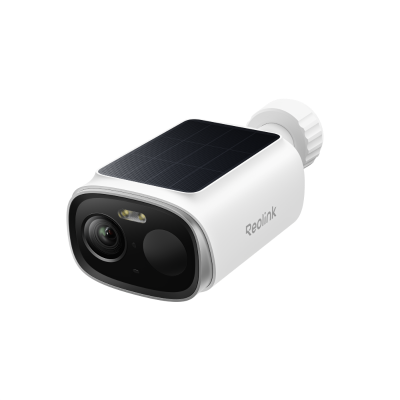
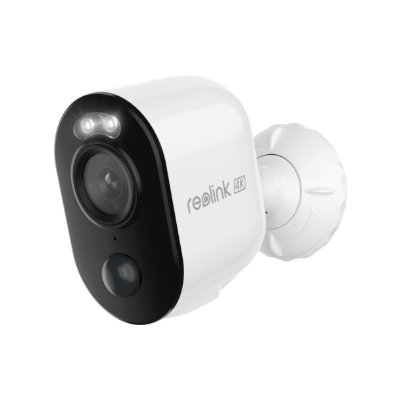
Bonus: Lithium Battery Power Security Camera Recommendation
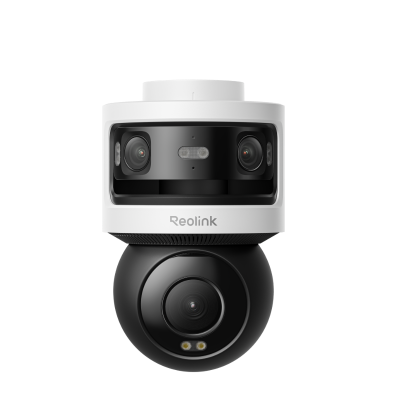
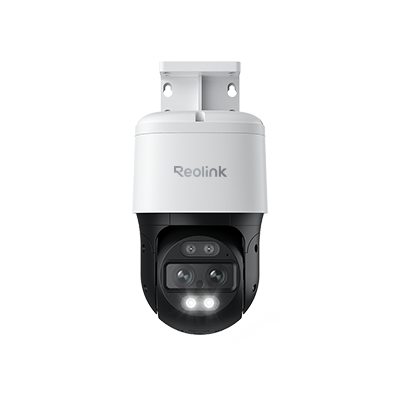
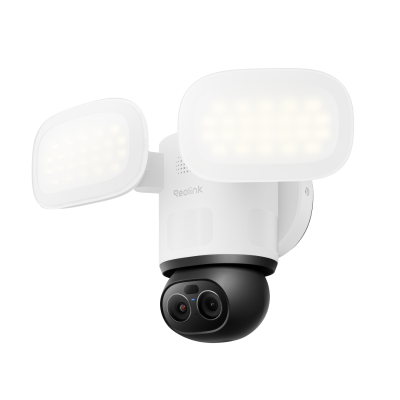
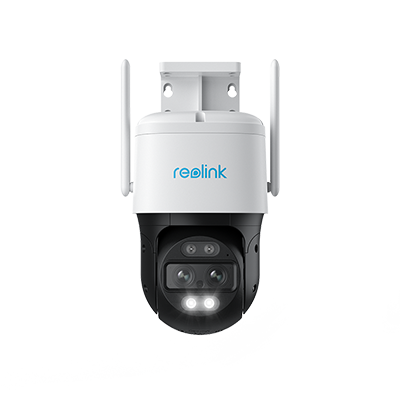
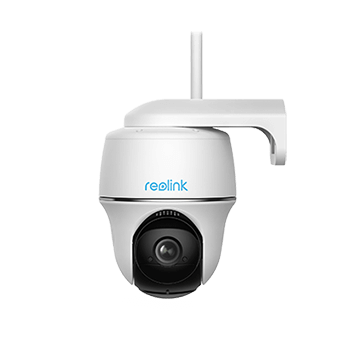
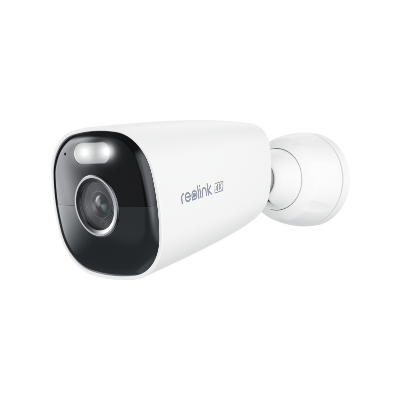
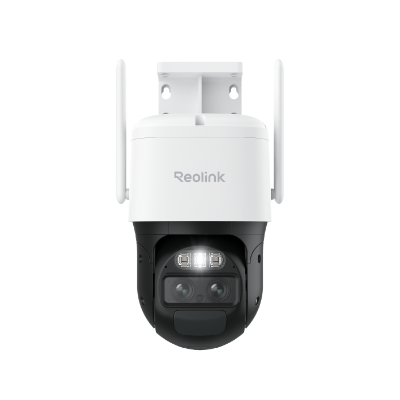
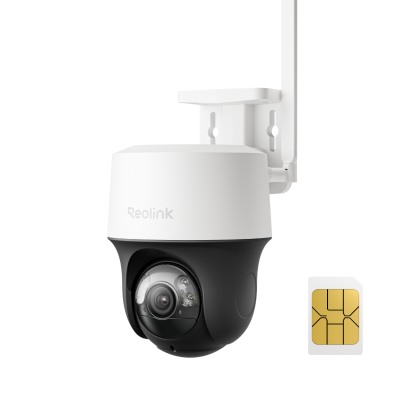
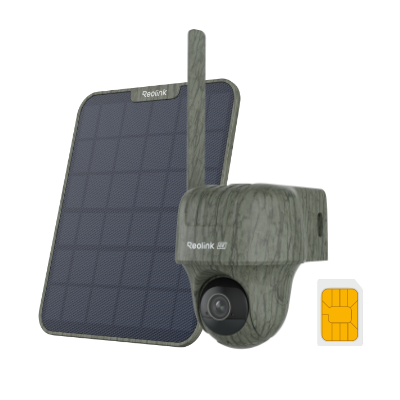
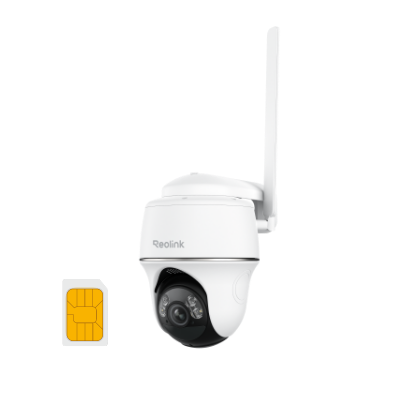
Reolink Go PT Ultra
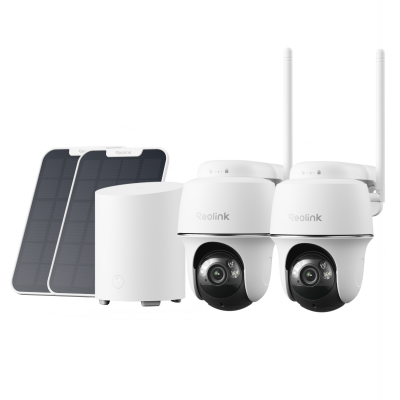
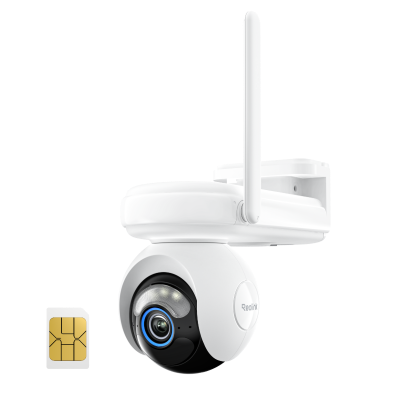
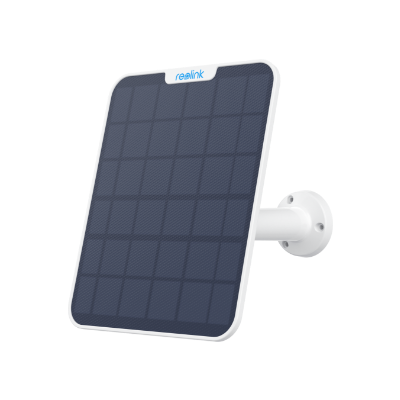
Reolink Go PT Ultra is a standalone 4G wireless security camera. It has a built-in 21.6Wh rechargeable battery that is connected to a small 6W solar panel for automatic recharging. It's a 4K camera with 360-degree coverage and smart detection.
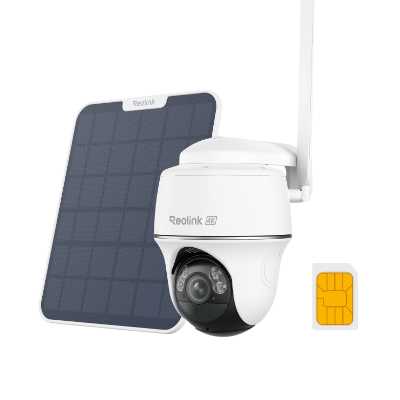
4K 8MP Wire-Free 4G LTE PT Battery Camera
4K 8MP; Smart Detection; 355° Pan & 140° Tilt; Battery/Solar Powered; Color Night Vision; Smart Real-Time Alert.
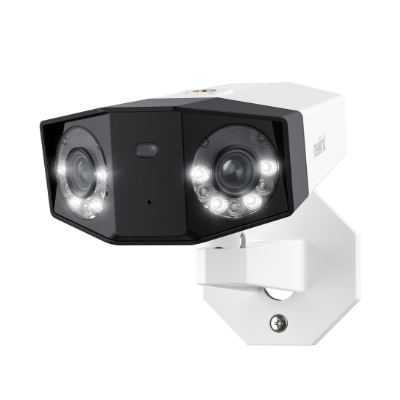
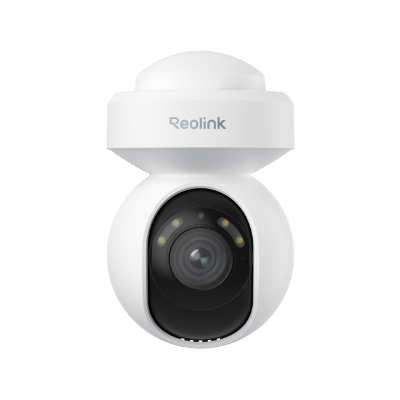
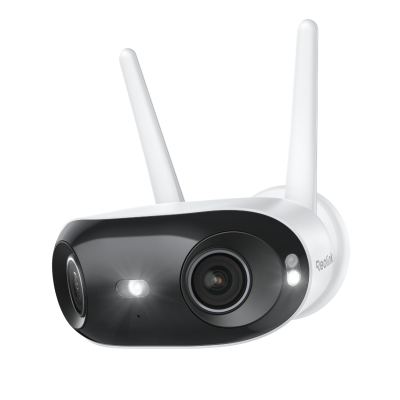
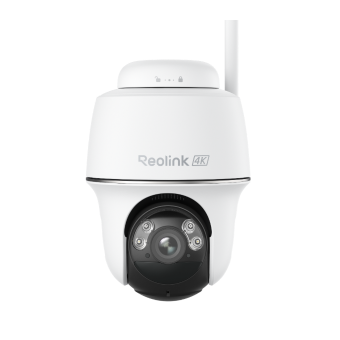
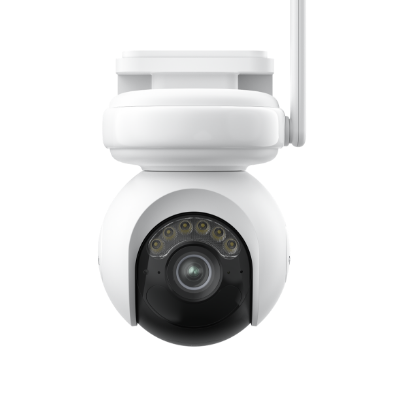
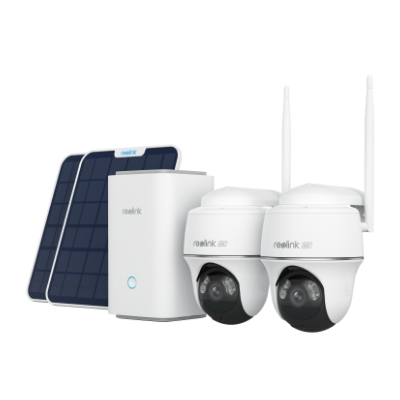
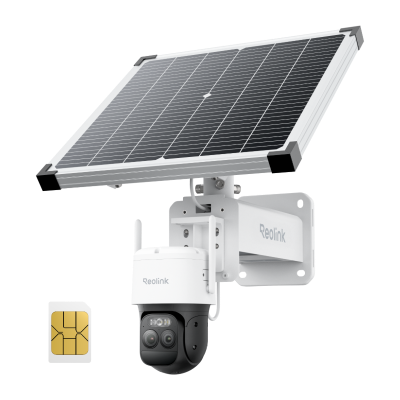
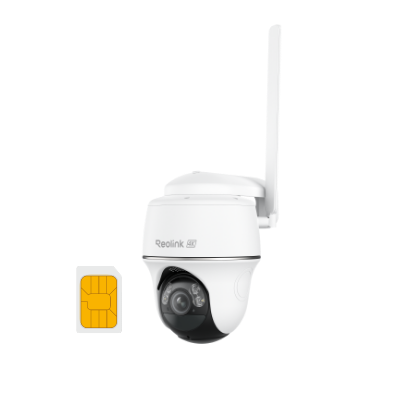
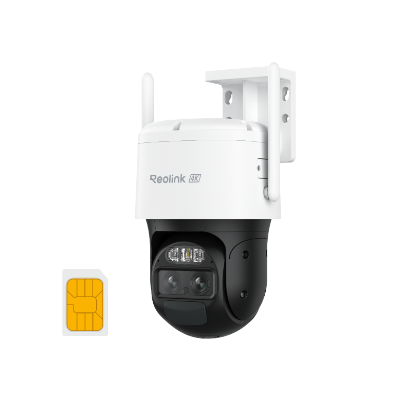
Reolink Argus PT Ultra
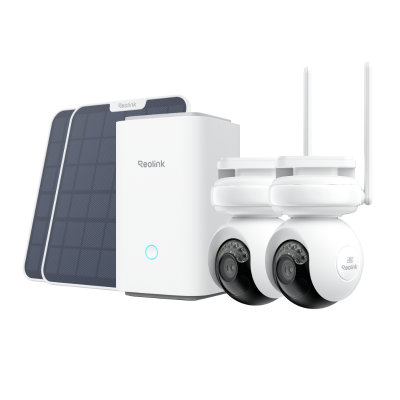
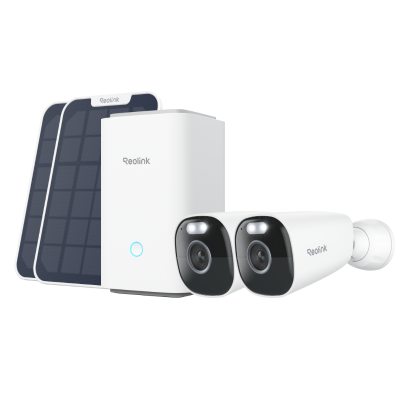
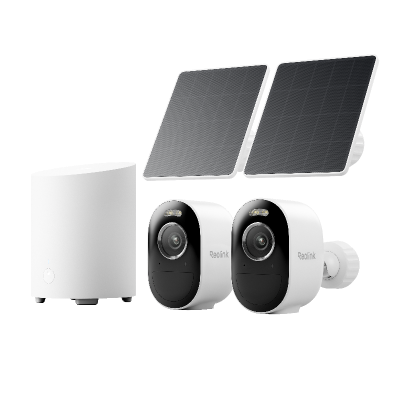
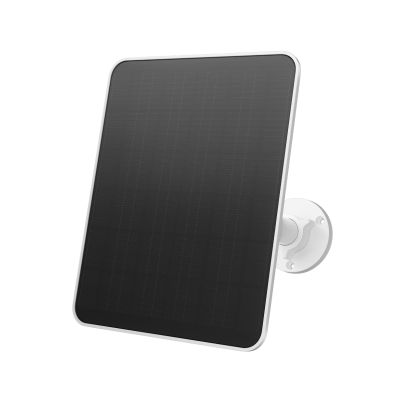
Argus PT Ultra is a Wi-Fi 6 security camera with a rechargeable Lithium battery and a detachable solar panel. It needs only 20 minutes of sunlight to work for 24 hours. On full charge, the battery lasts up to 4 months. It's a 4K pan-and-tilt security camera that offers color night vision, flexible storage, smart event detection, etc.
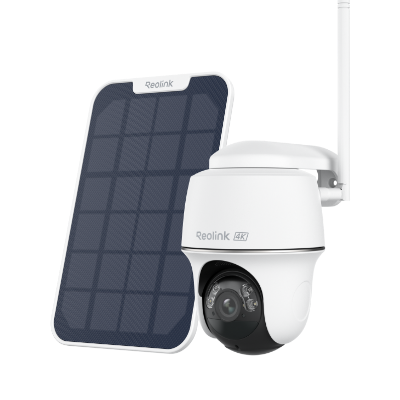
4k 100% Wire-Free PT Camera
4K 8MP Ultra HD; 5GHz/2.4GHz WiFi; Rechargeable Battery & Solar Powered; 355° Pan & 140° Tilt; IP65 Certified Weatherproof; Clear Night Vision; 2-Way Audio; 122° Wide Viewing Angle.
FAQs
1. Which is better, NiMH or lithium battery?
Overall, lithium batteries are better due to their higher energy density and longer lifespan. Moreover, they can be used for heavy-duty applications. NiMH can be used as an affordable option for smaller applications.
2. Can I charge a Li-ion battery with a NiMH charger?
No, you cannot charge a Li-ion battery with a NiMH charger because the supplied voltage is different. Li-ion batteries require a precise voltage, and connecting to any other may cause severe heating or serious damage.
3. What is the 80 20 rule for lithium batteries?
The 80/20 rule is widely used to extend the lifespan of Lithium batteries and prevent early degradation. It means that you should set the charging limit to 80% and the discharging limit to 20%. This keeps the battery between 20% and 80% to withstand longer.
Conclusion
Choosing between the Li-ion and NiMH batteries is easier if you know the requirements. Both differ in how they store energy, and they are intended for specific applications. We have explained the basics, pros & cons, and other details to help you select the right battery according to your needs.
Search
Subscribe for the Latest Updates
Security insights & offers right into your inbox