
What Is a Multi-Lens Camera? Benefits, Types & Use Cases
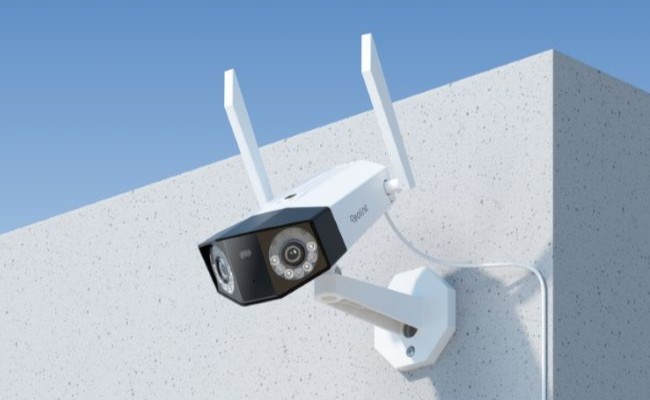
A multi lens camera sits at the center of many current video-security plans. It joins two or more image sensors in one body, captures a broad scene without gaps, and lets managers read small details. This article explains how the design works, weighs its advantages and limits, lists common applications, and offers practical buying advice.
What Is a Multi-Lens Camera?
A multi-lens camera holds at least two separate lenses that aim at adjoining portions of the same view. The system blends the individual streams into one continuous panorama inside the device, not during later editing. As a result, the operator sees a wide scene that keeps normal proportions and shows fine points near the center and edges alike.
Reolink is set to unveil several new multi-lens models at CES 2026. Stay tuned for the latest updates and details.
How Do Multi-Lens Security Cameras Work?
Engineers place multiple sensors on one circuit board. Each sensor owns its own lens and angle. A processor in the housing aligns and stitches the feeds in real time. Because the lenses overlap slightly, the software can blend the frames without seams. Some models add artificial-intelligence routines that label people, cars, and pets inside each stream.
These smart parts do not slow the video down because the camera design uses parallel computing. When the unit connects to a recorder or a phone app, it sends one clean panoramic channel or several synchronized channels, depending on the user’s choice. Power often arrives from Ethernet or a battery, while storage can live on a memory card or in the cloud.
Why Use a Multi-Lens CCTV Camera? Pros and Cons
You may wonder whether the extra lenses justify the cost. The answer appears after you compare strengths and limits. First, consider the benefits that come with the extended field of view, then balance them against size, price, and setup needs.
Pros
- A single mount covers up to 180° or even 360°, so blind corners vanish.
- The stitched image holds native resolution across the frame, unlike digital zoom, which stretches pixels.
- One network address replaces several, which reduces licensing fees on video-management software.
- Installing one device usually finishes faster than placing four separate fixed cameras.
- Analytics can track objects as they cross lens borders because the streams stay in sync.
Cons
- The body is larger and heavier than a compact fixed camera.
- Up-front cost rises because you pay for extra sensors and a stronger processor.
- Fine-tuning during installation takes longer since each lens needs its own focus and tilt.
- If the unit fails, you lose all views at once until you swap or repair it.
- Some cheap models compress the panorama too hard, which lowers clarity.
Where to Use a Multi-Lens Camera?
Locations with wide, open areas gain the most from a multi sensor security camera. After the next short overview, the article explores four typical sites.
Parking Lots
A large lot invites theft and mishaps. One multi-lens camera on a light pole can monitor rows of vehicles, entry lanes, and pedestrian paths at the same time. Security staff zoom in on license plates while they keep an eye on distant corners.
Retail Floors
Shop owners often mount multi-lens units near the ceiling at a central spot. The camera watches aisles, checkout points, and exits in one glance, which helps staff trace suspicious moves without flipping between separate feeds.
Warehouses
Forklifts, pallets, and staff share the same space. A multi-lens camera above the loading bay tracks trailer doors, packing lines, and safety zones. Managers review incidents faster because they see every angle on one timeline.
School Corridors
Long hallways with crossing passages create hiding spots. Multi-lens cameras cover each branch, so supervisors never lose sight of students while they walk between classes. The broad view also supports emergency drills because leaders can study crowd flow patterns.
How to Choose the Best Multi-Lens Security Camera?
Shoppers should gather key facts before they place an order. Reflect on the points below and match them with the site’s needs.
- Resolution per sensor – Pick at least 4 megapixels per lens to keep text and faces sharp at the edges.
- Horizontal field of view – Measure the scene and ensure the combined angle covers it with room to spare.
- Stitching quality – Check sample clips for any warping or ghost lines where feeds join.
- Night vision method – Compare infrared LEDs with new Color-At-Night options that use large apertures.
- Power source – Decide among PoE, direct current, or battery-plus-solar, then verify cable length or sun exposure.
- Smart detection – Look for human and vehicle filters if you plan to reduce false alarms.
- Weather rating – Outdoor units need at least IP66 and a sturdy metal shell to survive storms and heat.
- Software support – Confirm that the vendor app runs on the phones and recorders you already own.
Best Multi-Lens Cameras from Reolink
Many brands sell multi-lens units, yet Reolink earns praise for clear images and fair prices. The next two models stand out in its catalog.
Reolink Argus 4 Pro
Reolink Argus 4 Pro pairs two lenses to build a crisp 180° panorama in 4K. The ColorX technology gathers more light, so night clips appear bright without constant infrared glare. A large battery lasts longer than earlier Argus lines, and Wi-Fi 6 keeps the stream steady even when other devices crowd the network. A separate solar panel can top up the battery on sunny days.
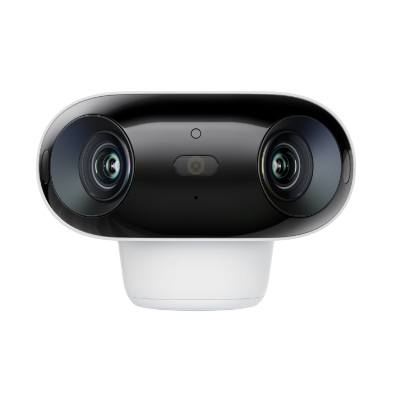
4k 180° Wire-free Color Night Vision Camera
4K UHD 180° Blindspot-free View; Color Vision Day and Night; 30% More Battery Life; Dual-band Wi-Fi 6; Smart detection.
Reolink TrackMix PoE
Reolink TrackMix PoE blends a wide lens with a telephoto lens. The camera shows a fixed overview while a motor pans, tilts, and zooms the close-up lens to follow motion. This dual view keeps context and detail in the same window. Power over Ethernet means one cable delivers both data and energy, which cuts installation time in large buildings.
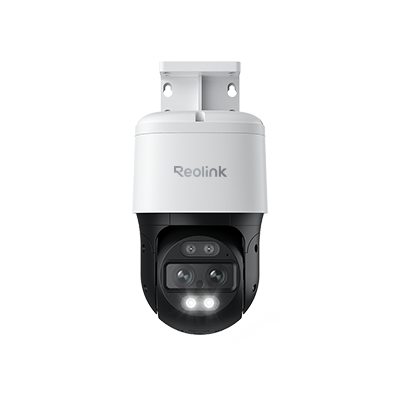
4K Dual-Lens PTZ Camera with Dual Tracking
4K 8MP Ultra HD, Wide & Telephoto Lenses, Pan & Tilt, Auto-Tracking, Person/Vehicle Detection, Power over Ethernet, Two-Way Audio.
Multi-Lens vs. Other Types of Security Cameras
When you weigh camera styles, place the main traits side by side. Consider the features like viewing angle, parts, and cost. Some of the features are compared below in the table.
FAQs
What is a triple lens camera?
A triple lens camera uses three synchronized sensors. Each lens covers a slice of the scene. The camera merges the streams into one wide image, or it sends three linked channels. The design captures a near-panoramic field while keeping high resolution, so operators follow moving objects with fewer blind zones.
What is a dual lens camera?
A dual lens camera houses two sensors and two lenses inside one body. The lenses may sit side by side for a 180-degree panorama, or they may stack vertically to record separate zoom levels. The processor blends both views in real time, which delivers depth, context, and detail without overlapping hardware.
Do dual cameras improve photo quality?
Yes. Dual cameras enhance quality in two ways. First, the combined field of view gathers more light, which raises clarity in dim areas. Second, the processor can fuse the feeds so that details stay crisp across the frame. The result outperforms a single sensor with the same total pixel count.
Conclusion
A multi lens camera offers broad vision, steady clarity, and smart tracking in one housing. It reduces blind corners, cuts cable clutter, and supports advanced analytics. By checking resolution, power, stitch quality, and software support, you can match the best model to each site. Share your thoughts on multi-lens cameras below and help others refine their security plans.
Search
Subscribe for the Latest Updates
Security insights & offers right into your inbox