
Inverter vs. Converter: Understanding Their Key Differences
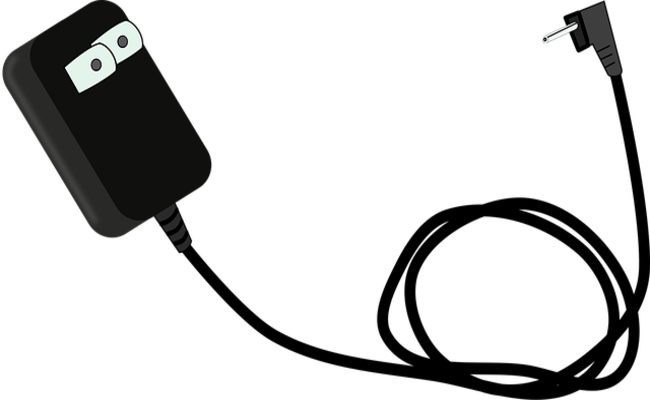
Inverters and converters are frequently mentioned terms in the energy and power sector. Despite some similarities, the devices serve different functions and manage appliances accordingly. However, common people usually have some misunderstandings.
In this guide, we will explain the difference between an inverter and a converter. It will help you understand where they can be used and how you can choose the right one.
Inverter vs Converter: A Quick Comparison
A converter is any device that changes electrical power from one form to another. It can reduce/increase the voltage or change from DC to AC or vice versa. On the other hand, an inverter is a type of converter that converts DC to AC only.
Converter vs Inverter: Basic Of Converter
What Is A Converter?
A converter is a device that converts power from one form to another, either AC to DC or DC to AC. It also steps up or steps down the voltage to make it compatible with the specified electronic device. For instance, a laptop or a mobile phone will require a low voltage, while other electronic devices, such as a refrigerator, operate at a higher voltage.
Converters also act as protectors for devices, keeping them safe during sudden voltage surges. You can easily understand voltage regulation by considering a mobile charger that steps down 220V (AC) to 5V (DC). It makes the devices work smoothly and ensures the safety of the electrical system.
Types Of Converter
DC to AC Converters: An inverter is the device used for DC to AC conversion. They are the reverse of AC to DC converters. The conversion is essential when a high DC supply is coming from a solar panel; it should be converted smoothly to AC to use the electronic devices at home.
AC to DC Converters: The device that converts an AC supply to a DC supply is known as a rectifier. A rectifier uses several filters and capacitors to provide a non-fluctuating AC supply. They are usually used in small electronic devices, such as power adapters and chargers, to support their components and keep the device operational.
AC to AC Converters: An AC to AC converter is essential in changing from one AC voltage to another. It is also used to manage the frequency of any specific equipment.
DC to DC Converters: The function of DC to DC converters is to step up or step down the voltage to fulfil the requirement. They are widely used in solar charge controllers and batteries. Additionally, its Buck-boost converter subtypes automatically adjust the input voltage to meet device requirements. The other subtypes include Buck converters and Boost converters.
Inverter vs Converter: Basic Of Inverter
What Is An Inverter?
An inverter is a device that converts DC to AC, which is a highly essential conversion of renewable energy. The solar panels generate DC power, which is then converted to AC via an inverter to make it usable for electronic devices and appliances. The inverter changes the direction of current and makes a highly stable waveform to operate appliances such as air conditioners, refrigerators, and other devices.
Modern inverters also have safety features for voltage regulation and thermal protection. The conversion is highly dependent on the inverter’s efficiency, which makes the operation smoother.
Types Of Inverters
Square Wave: The square wave inverters are the most basic ones and are rarely used nowadays. They produce a block-like wave that is the simplest form of an AC output. With this basic conversion, your device might face vibration and overheating issues. However, they are usually cheap but not recommended for most electronic devices.
Modified Sine Wave: A modified sine wave is a better version of square waves, providing a higher efficiency. They are considered partially stable and commonly used for small home appliances such as lights, fans, and sound systems. You can also operate heavy appliances such as a microwave, but it may show fluctuations.
Pure Sine Wave: A pure sine wave inverter is popular for modern devices requiring a stable AC wave. They behave similarly to the AC supply received from the grid. Pure sine wave inverters offer a massive room to run appliances without hassle. They are considered the best choice for offices, homes, and remote areas.
Inverter vs Converter: How To Choose
Choosing between the two depends solely on the type of appliance you want to power.
Select an inverter when you want convert power from a DC source (battery or solar panel) to AC. Most appliances work on AC, such as refrigerators, TVs, and air conditioners. A pure sine wave inverter is usually used to operate these appliances without any fluctuations.
However, if you need voltage regulation, step-up or step-down, you can go with a converter. Converters ensure that the right voltage is supplied to the equipment. The popular applications include mobile chargers, LED lights, and laptop chargers.
Bonus: DC/AC Power Security Camera Recommendation
Reolink Elite Floodlight Wi-Fi is a plug-in security camera that uses an AC to DC adapter. It’s an ideal option for uninterrupted surveillance and security. It’s a 4K dual-lens security camera that captures a 180 ° wide-angle view with intricate detail. It’s equipped with a 3000-lumen powerful floodlight, and users can adjust the brightness and color temperature.
It’s a Wi-Fi 6 security camera to ensure smooth live feed, remote monitoring, and optimal security. With its local AI video search, users can quickly look for the desired event using keywords. It can smartly detect objects and send real-time alerts to the connected devices.
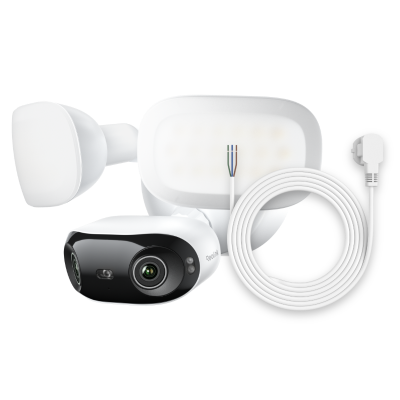
4K 180° Ultra-Wide Wired Floodlight Security Camera
3000-Lumen Dimmable Lighting, Adjustable Color Temperature, Local AI Video Search, Local Storage, Dual-Band Wi-Fi 6.
FAQs
1. Which is better, an inverter or a converter?
You cannot say which one is better because of their distinct purpose. It depends on the application, which decides which is better.
2. What should you not plug into an inverter?
You should check the inverter’s wattage and ensure that any appliance does not exceed the limits. Appliances such as electric heaters, large motors, and air conditioners are not recommended for operation on a modified sine wave or a square wave.
3. Why is an inverter not called a converter?
A converter is a broad device that has multiple options to vary the power from one source to another. An inverter is one type of converter that converts DC power to AC power.
4. Do RVs have inverters or converters?
RVs may have both large appliances and small equipment as well. They usually have converters, but high-end models also have inverters to support modern appliances.
Conclusion
Inverters and Converters are distinct devices used for different purposes. Common people think they are the same, but they are not. We have explained what these devices do and when you can use them. An inverter is used to convert DC to AC, while a converter is primarily used for voltage regulation, either increasing or decreasing the voltage.
Search
Subscribe for the Latest Updates
Security insights & offers right into your inbox