
HID vs. LED: Which Lighting Technology is Right for You?
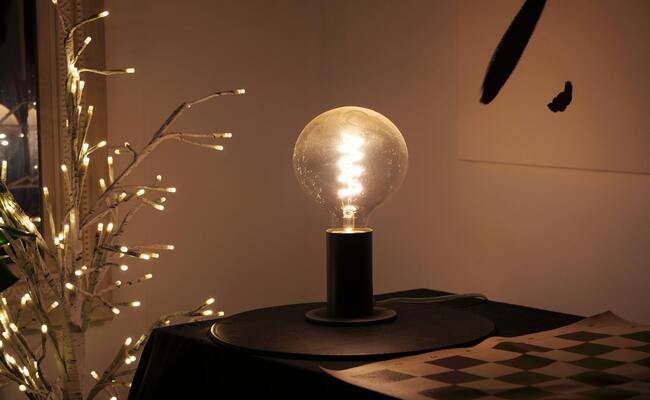
HID and LED are two common lighting technologies. However, due to technical differences, it is challenging for the average person to distinguish between them and select the correct one.
In this article, we will discuss HID vs LED. We will compare both options in various aspects and inform you which is the better choice for specific applications.
HID vs LED: Key Differences Between Them
Both HIDs and LEDs are considered leading lighting technologies in the modern world. However, they differ significantly in terms of light production and efficiency.
LEDs produce light using a semiconductor diode, which releases photons when electricity is passed. In comparison, HIDs produce light when an electric current is passed through the gas (usually Xenon) filled inside a quartz or tube.
Another major difference is the energy consumption, which is seen as higher in HID, making it less efficient. Compared to HID, LED is more efficient, reducing power consumption by up to 80%.
HID vs LED: Basics Of HID
What Is HID?
HID stands for High-Intensity Discharge, a modern-day lighting technology that uses an electrical arc inside a gas-filled quartz or tube. The tube might be filled with Xenon or a metal halide that ionizes when electricity is passed through it. This will result in a highly intense and sharp beam with extremely bright light.
They also use ballast for current regulation, which requires 10-30 seconds to reach full brightness. HID produces a very high beam as compared to an LED, but is considered inefficient due to its low energy management. The popular applications of HID are stadium lights, car headlights, and industrial overhead lights.
Pros And Cons Of HID
Pros:
- A highly intense beam that reaches a longer distance
- Excellent for commercial use, such as stadiums and industries
- Provides improved visibility in foggy weather or at night
Cons:
- High heat emission
- High maintenance cost
- Shorter lifespan
- High power consumption compared to others
HID vs LED: Basic Of LED
What Is LED?
LED stands for Light Emitting Diode, which produces light when the semiconductor diode releases photons in large numbers upon passing current. They are highly efficient due to minimal power consumption and almost no heat emission.
It is often known for its instant illumination, requiring no startup time. LEDs have a massive demand in the global market, primarily for lighting, televisions, and headlights. The most popular applications of LED include streetlights, lamps, and vehicle headlights.
Pros And Cons Of LED
Pros:
- High energy saving (up to 80%)
- Low heat dissipation
- No startup time required
- Longer lifespan up to 10-20 years
- Eco-friendly due to no harmful gases or substances used
Cons:
- Initially expensive
- It might require a heat sink for larger applications
Common Applications Of HID Vs LED
HID Bulbs vs LED
HID bulbs are often used in street lighting, commercial spaces like offices and warehouses, and in some vintage cars. They produce a bright light with a sharp beam that extends to a longer distance. Moreover, the produced light offers extensive coverage but consumes higher energy.
On the other hand, LED bulbs are more preferred due to their quick startup time for critical applications, such as office lighting and car headlights. They also offer a variety of color options with a dimming feature for better aesthetics. From residential to commercial spaces, all are mostly equipped with LEDs for energy saving and long-term performance.
HID vs LED Headlights
HIDs are widely used in vehicle headlights to produce a brighter light, enhancing visibility. These lights are often referred to as Xenon HID, and car enthusiasts install them for their long-range and wider coverage. However, they are getting banned due to higher brightness, as it could irritate the oncoming drivers.
LED lights are considered better for vehicle headlights. They produce a moderate light and offer instant startup. Moreover, they would not produce glare to the oncoming driver’s eye. They also offer a durable and safe-to-touch option due to no heat dissipation.
HID Lamp vs LED
HID lamps are widely used in stadiums, warehouses, and other industrial applications due to their high beam intensity. They are also used in other outdoor applications, such as street lights, to provide better visibility and greater beam diffusion.
However, HIDs are being replaced by LEDs due to high energy savings and longer lifespan. They can generate enough light compared to HID and can also be integrated with smart home technology for automation.
HID vs LED Floodlight
Floodlights are commonly used in locations that require higher brightness, such as highways, large commercial spaces, and stadiums. They offer high brightness but often require high maintenance or replacements.
While LED floodlights are more efficient because they take no time to turn on/off. They require minimal maintenance and can run up to 10x longer than HID. They would also support modern automation technologies. For security and illumination, you can use the Reolink Elite Floodlight Wi-Fi security camera. It has a 3000-lumen adjustable floodlight to capture clear videos at night.
FAQS
1. Which is best, HID or LED?
It depends upon the application; if you require high beam intensity, HID would be a better choice. However, if you require an energy-efficient and eco-friendly option, you should opt for LED.
2. Can I use LED instead of HID?
Yes, you can use LED instead of HID. LEDs would offer a more efficient and long-term option.
3. How to tell HID vs LED?
It could be easily identified with a few signs. HID will take more time for startup and usually has bulky designs. It also contains a ballast and often generates higher heat. On the other hand, LEDs would be cooler and instantly glow.
Conclusion
HID and LED work on different technologies and have distinct features, advantages, and disadvantages. They are meant for different purposes. We have discussed both in detail, comparing their key characteristics. It will help you select the right lighting technology according to your requirements.
Search
Subscribe for the Latest Updates
Security insights & offers right into your inbox